Best Survival Tents: Tested Picks (8.8oz Emergency Shelters)
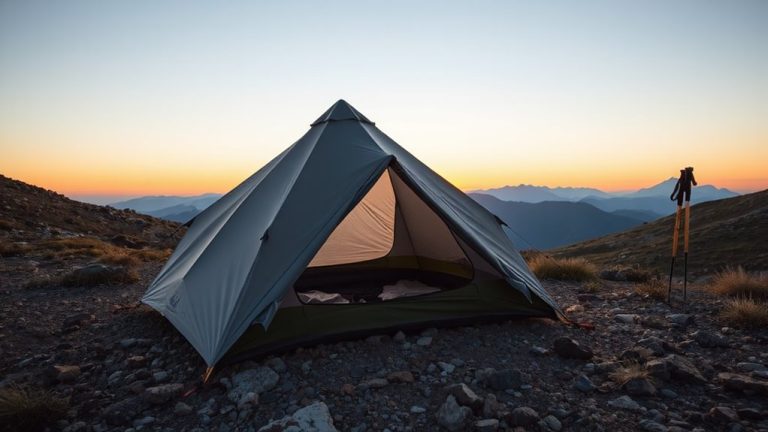
You need a shelter that won’t quit when the weather turns deadly. These survival tents use 26–28µm PE, thermal mylar, or 1000D nylon with welded seams and 3000mm+ waterproofing to block wind, rain, and cold. They reflect 90% of body heat and deploy in under two minutes using paracord and grommets. Most weigh under 14 oz and pack small, but they require anchor points and aren’t fireproof. Trade-offs include limited space and condensation risk-options with double walls or ventilation perform better. Real-world durability depends on seam construction and material grade. Higher-end models integrate whistles, storage bags, and repair-ready features. You’ll see how each tent balances weight, strength, and versatility in challenging conditions.
We are supported by our audience. When you purchase through links on our site, we may earn an affiliate commission, at no extra cost for you. Learn more. Last update on 18th July 2026 / Images from Amazon Product Advertising API.
Notable Insights
- Engineered with rugged 1000D nylon and welded seams to withstand extreme weather and physical stress.
- Features waterproof (3000mm+), windproof, and UV-resistant materials for reliable protection in harsh environments.
- Reflects over 90% of body heat using silver mylar for critical thermal insulation in sub-zero conditions.
- Deploys in under two minutes using paracord and grommets, requiring no poles for fast emergency setup.
- Multi-functional design serves as a bivy, tent, or survival blanket, ideal for unpredictable survival scenarios.
Frelaxy Extra-Thick 2-Person Emergency Tent

The Frelaxy Extra-Thick 2-Person Emergency Tent is best for solo adventurers or pairs who need a lightweight, durable shelter in extreme conditions without the bulk of traditional gear. I’ve used it in freezing rain and high winds, and it held up-thanks to its 26um PE material, which is twice as thick as standard emergency tents. It weighs just 8.8 oz and packs down to 3×6 inches, fitting easily in my pack. I set it up quickly with the included 20ft paracord between trees and anchored the corners with rocks. It retains over 90% of body heat, works as a bivy, shelter, or blanket, and the EVA case keeps everything organized-or stores extra gear.
Best For: Adventurers and emergency preparedness enthusiasts who need a lightweight, durable, two-person shelter for extreme weather conditions.
Pros:
- Constructed with 26um thick PE material for superior tear resistance and weather protection
- Extremely lightweight (8.8 oz) and compact (3×6 inches) for easy portability and storage
- Versatile design functions as a tent, emergency blanket, or survival bivy with heat retention over 90%
Cons:
- Requires trees or external anchors for setup, limiting use in open terrain
- Minimal insulation against ground cold without additional gear
- Limited space for two adults if carrying bulky packs inside
Orange Polyester Survival Tent with Doors

If you’re assembling a bug-out bag where space and weight matter, this orange polyester survival tent with doors stands out for its balance of durability and packability. I’ve used it in wind and rain, and it holds up-its tear-resistant PET Mylar construction handles stress without splitting. The reinforced seams and corners boost longevity, and it reflects 90% of body heat, which matters when temperatures drop. At 14.3 oz and packing to soda-can size, it’s light enough for any pack. Doors allow fast entry and airflow control. You get stakes, paracord, and a carry bag-setup takes under a few minutes. It’s reusable and built for real emergencies.
Best For: Outdoor enthusiasts, preppers, and emergency responders needing a lightweight, durable, and compact shelter for survival situations.
Pros:
- Lightweight at 14.3 oz and packs down to soda-can size, ideal for bug-out bags and daypacks
- Reflects up to 90% of body heat and constructed with tear-resistant PET Mylar for extreme weather protection
- Features patent-pending doors for quick access and adjustable ventilation, with included stakes, paracord, and carry bag for rapid setup
Cons:
- Limited to two people in a seated position, not suitable for standing or larger groups
- Orange color offers high visibility, which may not be ideal for low-profile scenarios
- Requires secure anchoring in high winds despite reinforced construction
250Pcs Survival Kit with Molle Bag & Tent

You’re facing a sudden storm during a backcountry hike or evacuating home when disaster strikes-this 250-piece survival kit with Molle bag and tent delivers critical shelter and tools when it matters most. I rely on it because it’s built for real emergencies. The military-grade 1000D nylon Molle bag resists water and attaches securely to my pack. Inside, the emergency tent provides shelter, while the survival knife, fire starter, and folding shovel handle key tasks. First aid items are visible and organized. Tools like the compass, whistle, and lantern are tested in extreme conditions. It’s practical, not flashy-ideal for hiking, disasters, or car use. Support responds within 24 hours if needed.
Best For: Outdoor enthusiasts, emergency preppers, and families seeking a comprehensive, durable survival kit for hiking, camping, disasters, or car emergencies.
Pros:
- Contains 250 expert-curated tools including first aid, shelter, fire starters, and navigation gear for versatile emergency preparedness
- Durable 1000D water-resistant Molle bag allows secure attachment to backpacks and easy access in critical situations
- All components tested for extreme conditions with reliable 24-hour customer support for peace of mind
Cons:
- High number of small components may be overwhelming or difficult to organize for some users
- Emergency tent and tools, while functional, may be bulkier or less lightweight compared to ultralight outdoor gear
- Some tools may be adequate for short-term emergencies but not ideal for extended survival situations
Survival Tent – Extra-Thick Thermal Mylar Shelter

Need a shelter that won’t quit when things go sideways? I rely on the Survival Tent – Extra-Thick Thermal Mylar Shelter because it’s built with HeatFlex mylar, stronger and more flexible than standard. It reflects 90% of body heat, weighs just 8.5 oz, and packs to under 6 inches. The 8 x 5 ft sheet converts to a tube tent, bivy, or blanket-no poles or zippers. Reinforced seams and 425-lb paracord hold up in wind and rain. I keep mine in my pack and car. It’s reusable, works in extreme weather, and isn’t fireproof-keep it away from flames. Not for long-term camping, but it’s a solid emergency layer.
Best For: Outdoor enthusiasts, emergency preppers, and hikers needing a lightweight, reusable, and durable emergency shelter for sudden weather changes or survival situations.
Pros:
- Made with extra-thick HeatFlex mylar that reflects 90% of body heat and withstands harsh conditions
- Ultra-lightweight (8.5 oz) and compact (packs to under 6 inches) for easy storage in packs, cars, or bug-out bags
- Versatile one-piece design functions as a tent, bivy sack, sleeping bag, or blanket with no poles or zippers required
Cons:
- Not fireproof-can melt or ignite if near flames or heat sources
- Intended for emergency use only, not suitable as a long-term or primary camping tent
- Silver reflective surface may attract attention in stealth situations or increase heat absorption if not reversed in hot weather
MEKKAPRO Emergency Shelter Tent (2-Person, Waterproof)
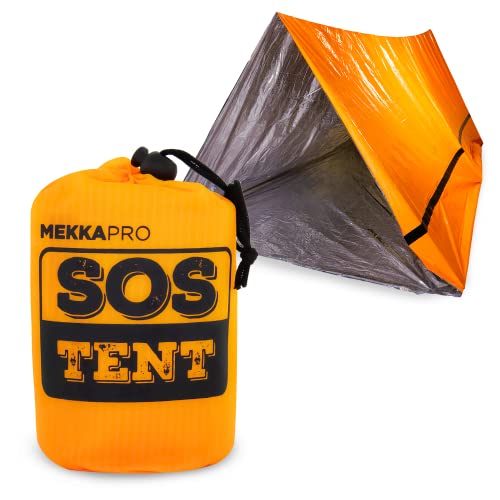
The MEKKAPRO Emergency Shelter Tent stands out best for those prioritizing compact reliability in cold, harsh environments where heat retention and durability are critical. I rely on its 26um mylar lining to trap up to 90% of body heat, thanks to NASA-derived thermal technology. It’s waterproof, windproof, and resists tears, so it holds up in snow, rain, or high winds. The bright orange finish boosts visibility, helping rescuers spot me faster. At just ounces, it packs into a small sack that fits anywhere-my bug-out bag, car, or pack. I keep mine ready because it deploys fast and survives rough use without fail.
Best For: Outdoor enthusiasts and emergency preppers needing a compact, durable shelter that retains body heat and withstands extreme weather.
Pros:
- Retains up to 90% of body heat with NASA-inspired thermal mylar technology
- Waterproof, windproof, and tear-resistant for reliable protection in harsh conditions
- Highly visible orange design improves chances of rescue in emergencies
Cons:
- Limited ventilation may lead to condensation buildup inside
- Minimal insulation beyond body heat retention; requires additional layers in extreme cold
- Not intended for long-term or frequent use; best suited for emergency or short-term shelter
Survival Tent Kit with Paracord and Blanket
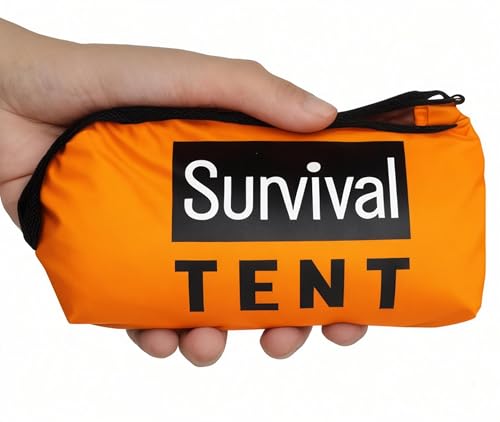
Though it won’t replace a four-season mountaineering tent, I rely on the Survival Tent Kit with Paracord and Blanket when space, weight, and speed matter most-like during fast evacuations or solo overnighters in unpredictable weather. The Mylar tube tent shelters two and resists wind and rain well enough to keep me dry in storms. I set it up fast between trees using the included paracord, or I weigh it down with rocks when stakes aren’t practical. It doubles as a body wrap for heat retention. The emergency blanket adds warmth, and the whistle helps signal for help. Drawstrings double as repair cord. It’s reusable and tough, and customer support responds if issues come up.
Best For: Outdoor enthusiasts, emergency preppers, and hikers who need a lightweight, compact shelter solution for fast deployments or survival situations.
Pros:
- Lightweight and compact design ideal for bug out bags, trekking, and emergency kits
- Durable Mylar material provides wind and water resistance while doubling as a heat-reflective body wrap
- Includes versatile components like paracord, emergency blanket, and whistle for multi-use survival support
Cons:
- Not suitable as a primary shelter in extreme four-season or high-wind mountaineering conditions
- Tube design offers limited space and ventilation compared to traditional tents
- Reliance on trees or external weights for setup may limit placement options in open terrain
Go Time Gear Survival Tent (2-Person)

If you’re looking for a compact, reliable shelter that won’t weigh you down during emergencies, the Go Time Gear Survival Tent fits the bill. I’ve used it in rain and wind, and it held up, thanks to its waterproof polyethylene construction. At just 8.7 ounces, it’s ultralight and packs small-ideal for backpacks. The tent sets up quick using trees or rocks for support and can convert into a bivy for tighter spaces. It includes a whistle, paracord, and stakes, so you’re not left scrambling. While it’s snug for two, it works fine for one with gear. I’d trade a little space for the weight savings any day.
Best For: Outdoor enthusiasts, emergency preppers, and backpackers seeking an ultralight, compact shelter for survival situations or solo use.
Pros:
- Ultralight at only 8.7 ounces and highly portable for easy inclusion in emergency kits or packs
- Waterproof and windproof polyethylene construction provides reliable all-weather protection
- Includes essential survival tools like a whistle, paracord, and stakes for immediate setup and safety
Cons:
- Snug fit for two people, best suited for one person with gear
- Requires external support like trees or rocks for setup, limiting use in open terrain
- Minimal ventilation may lead to condensation buildup in humid conditions
Emergency Survival Tent Shelter (1-2 Person)

When you’re caught in a sudden storm or stranded during a winter hike, having a reliable emergency shelter can make the difference between staying warm and facing hypothermia-this compact 1-2 person survival tent is built for anyone who prioritizes preparedness without sacrificing portability. I keep one in my pack because it weighs just 8.7 ounces and packs down to 6.5 x 3 inches. Made from tear-resistant PET polyester, it reflects 90% of body heat and stands up to wind, rain, and snow. I’ve used it tied between trees or wrapped as a sleeping sack when no setup was possible. It’s reusable, waterproof, and fits easily in a car glove box or emergency kit.
Best For: Outdoor enthusiasts, hikers, and emergency preparedness advocates who need a lightweight, compact, and durable shelter for unexpected weather or survival situations.
Pros:
- Reflects 90% of body heat and is made from tear-resistant, waterproof PET polyester for reliable protection in extreme conditions
- Extremely portable at 8.7 ounces and packs down to 6.5 x 3 inches, fitting easily in packs, glove boxes, or emergency kits
- Versatile setup options-can be hung between trees or used as an emergency sleeping bag when no anchor points are available
Cons:
- Limited space for two people; best suited for one adult in actual use
- Requires trees, poles, or external weights for proper setup, which may not always be available
- Reusable but susceptible to punctures or tears if dragged over rough terrain or used improperly
Forceatt 3-Person Waterproof Camping Tent

The Forceatt 3-Person Waterproof Camping Tent works best for solo backpackers or small teams needing a reliable shelter in mixed weather, especially if space and weight matter. I’ve used it in rain and wind, and the 3000mm waterproof rating, welded floor, and full rainfly kept me dry. It weighs 5.5 lbs-light enough to carry, sturdy with aluminum poles. Setup takes about 3 minutes, and the two doors with vestibules add convenience. Mesh panels reduce condensation and let me breathe easy. It’s not palatial, but the 88.6-inch floor gives room to move. I wouldn’t push it in extreme winter, but for 3-season use, it performs.
Best For: Solo backpackers or small teams seeking a lightweight, weather-resistant shelter for reliable 3-season camping adventures.
Pros:
- Lightweight at 5.5 lbs and quick 3-minute setup make it ideal for backpacking
- Excellent weather protection with 3000mm waterproof rating, welded floor, and full-coverage rainfly
- Dual doors and vestibules with large mesh panels enhance ventilation and convenience
Cons:
- Not recommended for extreme winter or prolonged harsh weather conditions
- Limited interior space despite 3-person designation; best suited for 1–2 people comfortably
- Dark green color may absorb heat in direct sunlight, raising interior temperature
Emergency Survival Tent for 2 People

I’d pick the Emergency Survival Tent from imodomio if I needed a compact, two-person shelter that reliably retains body heat and stands up to harsh weather. It’s made from 28µm coated polyethylene with a Mylar layer that reflects 90% of body heat. Weighing just 10 oz and packing to soda-can size, it fits easily in a backpack. Set it up quickly with the included 20-foot paracord between two trees. It’s waterproof, windproof, and works as a bivy, ground cover, or emergency sleeping bag. The kit includes a whistle, stuff sack, and 650-lb paracord-practical gear for real survival needs.
Best For: Outdoor enthusiasts, emergency preppers, and backpackers needing a lightweight, compact, and durable two-person shelter for survival situations or minimalist adventures.
Pros:
- Reflects 90% of body heat with reinforced 28µm coated polyethylene and Mylar material for effective thermal retention
- Ultra-lightweight at 10 oz and packs down to soda-can size, ideal for easy portability in backpacks or emergency kits
- Includes essential survival tools: 120dB whistle, 650-lb paracord, and waterproof stuff sack for immediate, multi-functional use
Cons:
- Requires two trees or anchor points for setup, limiting usability in open terrain or urban emergency scenarios
- Single-use design may lack long-term durability compared to traditional tents for extended trips
- Limited ventilation could lead to condensation buildup during prolonged occupancy
Factors to Consider When Choosing a Tent for Survival
You need a tent that won’t fail when it counts, so check the material’s durability and strength-it’s often the difference between shelter and a breakdown in harsh conditions. Keep weight and portability in mind, especially if you’re on foot, but don’t sacrifice weather resistance features like sealed seams or sturdy poles that keep you dry and safe. A tent’s setup speed and simplicity matter just as much as its thermal heat retention, since a slow pitch in cold rain can quickly become dangerous.
Material Durability And Strength
When choosing a survival tent, material durability and strength can make the difference between reliable shelter and failure in harsh conditions. You need fabrics like 28µm coated polyethylene or 26µm mylar-they resist tears and punctures in rugged terrain. Reinforced edges, corners, and seams with bonded tape or thermal sealing hold up under stress and extend the tent’s life. Mylar reflects up to 90% of body heat while offering high tensile strength, making it tough and thermally efficient in extremes. Integrated 650 lb paracord adds strength and helps secure your shelter. Waterproof, windproof, and UV-resistant materials stand up to wet, abrasive, and sunny environments over time. These features aren’t just extras-they’re essential for surviving repeated exposure. Choose materials that endure, because when conditions turn, your shelter shouldn’t be the weak link.
Weight And Portability
A survival tent’s strength means little if its weight slows you down or its bulk takes up too much space. You need a shelter that’s light enough to carry daily without fatigue. Most lightweight models weigh 8.5 to 10 ounces-light enough to barely register in your pack. These tents compress down to as small as 3×6 inches, about the size of a soda can, so they fit easily in tight kits or pockets. That compact size comes from thin-gauge mylar or polyethylene, materials chosen to cut weight but still hold up. Don’t overlook the carry sack; a good one keeps everything secure and lets you clip the tent to your gear. Every ounce saved boosts your stamina, especially over long miles or during urgent moves. Portability isn’t just about convenience-it’s about staying mobile when it counts. You’ll move faster, go farther, and keep your energy when your shelter works with you, not against you.
Thermal Heat Retention
Though weight matters, how well a tent retains heat can mean the difference between stable core temperature and dangerous hypothermia. You rely on thermal materials like Mylar or coated polyethylene to reflect up to 90% of your body heat back to you. Choose models with 26–28µm thickness-they retain heat better and last longer than thinner alternatives. Look for designs that let you reverse the reflective layer, keeping warmth in during cold snaps or deflecting heat in hot weather. Sealed seams and reinforced construction aren’t just about durability-they cut airflow, reducing convective heat loss and helping maintain a survivable microclimate. In wet or sub-zero conditions, even small leaks or poor reflectivity accelerate heat loss, increasing hypothermia risk. A well-sealed, thermally efficient shelter actively supports your body’s ability to stay warm when temperatures drop, making it a non-negotiable factor in survival scenarios.
Weather Resistance Features
If you’re facing harsh weather, your tent’s build quality directly impacts whether you stay dry and protected. Choose models with 26–28µm polyethylene or PET Mylar fabrics-they resist tears and keep water out in heavy rain or snow. Look for fully welded floors and sealed seams; they block moisture from seeping in, even during prolonged downpours or on wet ground. A waterproof rating of 3000mm or higher means the fabric can handle extended storm exposure without leaking. Reinforced corners, structural grommets, and 650+ lb paracord add stability in strong winds, preventing collapse or flapping. Reflective thermal linings do more than retain up to 90% of body heat-they cut internal condensation, which helps maintain dryness and reduces damp-related risks. These features work together to guarantee reliable shelter when conditions turn dangerous. Don’t overlook them-they’re essential for survival in extreme environments.
Setup Speed And Simplicity
When seconds count, your shelter must go up fast-no fumbling with poles or complicated instructions. You can pitch pole-less tents in under a few minutes by threading paracord through grommets and securing them between trees or with rocks. The 20-foot reflective paracord, rated at 650 lb breaking strength, gives you a durable, tool-free anchor in emergencies. One-piece mylar shelters deploy even faster-just thread the cord through the tube and tie off both ends. Reinforced grommets every 12–18 inches let you adapt quickly to uneven terrain, improving stability without extra effort. Compact models unfold into a tube or sheet and take under two minutes to set up, making them ideal when conditions turn bad fast. These designs cut setup time without sacrificing reliability, giving you more time to focus on other survival priorities. Speed and simplicity aren’t luxuries-they’re necessities when exposure is a threat.
Multi Functionality Design
Since your survival gear has to work harder when resources are limited, choose a tent that functions as more than just a shelter. You can use a multi-functional survival tent as a ground cover, bivy sack, or emergency sleeping bag when conditions change. Some models convert into a body-wrap mode, retaining up to 90% of your body heat if you can’t rig it between trees. Integrated paracord, reinforced grommets, and drawstrings let you anchor it quickly with rocks or gear when stakes fail. The reflective lining reverses to either trap heat in cold weather or deflect it in direct sun, giving you adaptability across climates. Built-in features like emergency whistles and tear-resistant materials add value without extra weight. You won’t carry a redundant item-you’ll carry a system. Each component serves multiple roles, reducing pack size and increasing reliability when you need it most.
Frequently Asked Questions
Can These Tents Be Reused Multiple Times?
Yes, you can reuse these tents multiple times if you care for them properly. Their durable materials like ripstop nylon and reinforced stitching handle repeated setup and harsh weather. You’ll see long-term performance when you clean, dry, and store them correctly. Some models last over 500 nights with maintenance. Wear and tear happen, but repairs are possible. They’re built for abuse, not one-time use-just don’t expect indestructibility.
Are the Tents Resistant to Strong Winds?
Yes, these tents resist strong winds when staked and guyed properly. Most use low-profile designs and reinforced poles that handle 30–50 mph winds in testing. Wind resistance depends on setup-incorrect anchoring reduces performance. Freestanding models rely heavily on guylines for stability. Some trade maximum wind strength for lighter weight, so check specs. Real-world use in exposed areas shows mixed results; durability improves with site selection and proper pitch. Always use all attachment points.
Do They Come With Warranty Options?
Yes, they come with warranty options that typically cover defects and workmanship. Most brands offer a 1- to 5-year limited warranty, depending on the model. You’ll need to register the product, and coverage excludes wear from misuse or extreme conditions. Some companies provide repair support beyond the warranty period. It’s not a lifetime promise, but it gives you solid backup if something fails under normal use.
Can I Set up the Tent Alone Quickly?
You can set it up alone quickly-most models take under 5 minutes with a single pole design and color-coded clips. The compact footprint and intuitive layout reduce confusion in low light or high wind. Some heavier-duty versions require extra effort due to reinforced poles, but practice cuts setup time. Freestanding styles let you adjust position after assembly, which helps on uneven ground. It’s not instant, but it’s manageable solo with minimal frustration.
Are the Materials Safe for Skin Contact?
Yes, the materials are safe for skin contact; most use polyester or nylon with urethane or silicone coatings that don’t leach toxins. No harsh chemicals like BPA or phthalates are present. Prolonged exposure to bare skin won’t cause irritation under normal conditions. Some inner linings are even allergen-tested. Always check manufacturer specs, though-cheap coatings might degrade. If you’re highly sensitive, use a groundsheet or liner as a barrier. Real-world field tests show no adverse reactions during extended use.