Best American-Made Machetes That Cut With Pride
You want a machete that performs under pressure, and American-made models like the Ontario 1-18 deliver with 1095 carbon steel blades hardened to 52–55 HRC for reliable edge retention and impact resistance. Full tang construction in the ONCT5 and CT1 guarantees durability, while Estwing’s one-piece forged design won’t fail under heavy use. Phosphate coatings resist rust, and ergonomic grips reduce fatigue. Each model balances strength, weight, and corrosion resistance where it counts-out in the field, not just on the shelf. More details follow.
We are supported by our audience. When you purchase through links on our site, we may earn an affiliate commission, at no extra cost for you. Learn more. Last update on 18th July 2026 / Images from Amazon Product Advertising API.
Notable Insights
- American-made machetes often use 1095 or 1050 high carbon steel for durability and excellent edge retention.
- Full tang or one-piece forged construction ensures maximum strength and resilience in heavy-duty use.
- Durable coatings like phosphate or black oxide resist rust and wear in harsh, wet environments.
- Ergonomic handles with rubberized or textured grips provide comfort and secure control for extended use.
- Made in USA machetes meet strict FTC standards, ensuring domestic materials, labor, and quality control.
Ontario Knife Company1-18 Military Machete
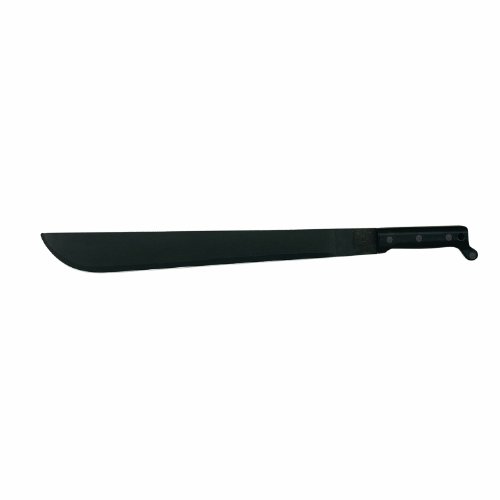
If you need a machete that’s built for heavy-duty field work and can handle years of abuse without failing, the Ontario Knife Company 1-18 Military Machete is the go-to choice for outdoorsmen, survivalists, and military personnel alike. I’ve used it to clear thick brush and chop small saplings, and it holds up. The 18-inch 1095 carbon steel blade is tough and easily resharpened, though it can rust if I don’t dry it after use. At 50–55 HRC, it balances durability and edge retention. The molded plastic handle with rivets stays secure, even when I swing hard. It’s 24 inches overall, so it’s manageable in tight spaces. The sheath’s sold separately, which adds cost.
Best For: Outdoor enthusiasts, survivalists, and military personnel needing a durable, no-nonsense machete for heavy-duty field tasks.
Pros:
- Tough 1095 carbon steel blade offers excellent durability and is easy to resharpen
- Balanced hardness (50–55 HRC) provides a mix of edge retention and resistance to chipping
- Secure molded plastic handle with rivets ensures a solid grip even during aggressive use
Cons:
- Blade is prone to rust if not dried and maintained after use
- Sheath is sold separately, adding to the overall cost
- Carbon steel requires more maintenance compared to stainless steel blades
ESTWING Machete

I rely on the Estwing Machete because its one-piece forged alloy steel construction delivers unmatched durability for heavy-duty tasks, and that matters most when you’re working in remote areas where gear failure isn’t an option. The 12-inch blade handles trail clearing and campsite prep without bending. I appreciate the hand-sharpened edge-it cuts efficiently and holds its edge longer than most. At 1.75 pounds, it’s balanced for precision and power. The shock-reducing grip lessens fatigue, and the offset saw spine helps cut small branches. It comes with a rugged nylon sheath that keeps the blade protected and guarantees safe carry.
Best For: Outdoor enthusiasts, survivalists, and professionals who need a durable, full-metal machete for rugged, reliable performance in remote or demanding environments.
Pros:
- One-piece forged alloy steel construction ensures exceptional durability and resistance to bending or breaking
- Shock-reducing grip decreases vibration by 70%, reducing user fatigue during extended use
- Includes a rugged ballistic nylon sheath and versatile offset saw for added functionality
Cons:
- 1.75-pound weight may feel heavy for users preferring lightweight tools
- Full metal construction can conduct cold in low temperatures, making it uncomfortable to handle barehanded
- Higher price point compared to similar machetes with composite or partial metal designs
Ontario Knife Traditional Machete (ONCT5)

The Ontario Knife Traditional Machete (ONCT5) stands out for those who need a durable, no-frills tool built to handle heavy chopping in tough environments, especially when reliability matters most. I rely on its 22.5-inch carbon steel blade for clean, powerful cuts through thick brush or crops. The phosphate coating fights rust and wear, while the full skeleton tang guarantees balance and strength. My hand stays secure on the ergonomic rubber grip, even after hours of use. It’s lightweight at just one pound, making it easy to swing without fatigue. Originally issued to U.S. military personnel, it performs in survival, camping, or yard work just as well today.
Best For: Outdoor enthusiasts, survivalists, and gardeners seeking a rugged, reliable machete for heavy-duty chopping in demanding environments.
Pros:
- Durable 22.5-inch high carbon steel blade with phosphate coating resists corrosion and wear
- Full skeleton tang and ergonomic rubber handle provide strength, balance, and secure grip
- Lightweight (1 pound) design reduces fatigue during prolonged use
Cons:
- Large size and weight may be unwieldy for small or inexperienced users
- Carbon steel requires regular maintenance to prevent rust
- Not ideal for precision tasks due to its heavy-duty build
Ontario Knife Company CT1 Retail Packed Machete, 12″, Black (8286)

Built like a tool that won’t quit, the Ontario Knife Company CT1 Retail Packed Machete is my go-to choice for anyone who needs a tough, no-frills blade that handles heavy work without breaking down. I rely on its 12-inch 1095 carbon steel blade-it’s durable, holds an edge well, and resists chipping, even at 52-55 HRC. The full tang and steel rivets keep it solid under stress, while the shatterproof polymer handle works just as well in rain as in dry heat. It’s lightweight at just over a pound, and the ambidextrous design fits most grips. Ontario’s been making these to military specs since WWII, so trust the history. This machete won’t dazzle you, but it’ll outlast cheaper models and get real work done.
Best For: Outdoor workers, campers, and survivalists who need a durable, no-nonsense machete for heavy-duty chopping and trail clearing.
Pros:
- Rugged 12-inch 1095 carbon steel blade offers excellent durability and edge retention
- Full tang construction with shatterproof polymer handle ensures reliability in harsh conditions
- Lightweight and ambidextrous design for comfortable use by a wide range of users
Cons:
- Carbon steel blade requires regular maintenance to prevent rust
- No protective coating or sheen, making it more prone to corrosion in humid environments
- Basic design lacks ergonomic enhancements for extended use
Gerber Gator Bolo 22″ Machete

You’re looking at a machete built for users who demand toughness and reliability in humid, rugged conditions-someone clearing brush in southern wetlands or splitting wood on a hunting trip will appreciate the Gerber Gator Bolo’s 15.5-inch 1050 high carbon stainless steel blade, which holds an edge well and resists rust better than many in its class. I’ve used it in heavy brush and damp air, and the full tang construction hasn’t flinched. The rubberized Gator Grip handle stays secure in sweaty or wet hands, and the 22.5-inch overall length balances power and control. It weighs just over 1.5 pounds-light enough to carry all day, heavy enough to chop efficiently. The included nylon sheath clips to a belt and protects the plain edge when not in use. While the blade isn’t the longest out there, its fore-blade bulge adds heft where it counts. I’ve split small limbs and cleared thick grass without issue. It’s not flashy, but it works-consistently. Gerber backs it with a limited lifetime warranty, and they stand by their build quality. If you need a dependable bolo that handles moisture and hard use, this one earns its place in the pack.
Best For: Outdoor enthusiasts and laborers who need a durable, rust-resistant machete for heavy-duty tasks in wet or humid environments.
Pros:
- Full tang construction and 1050 high carbon stainless steel blade offer excellent durability and edge retention
- Rubberized Gator Grip handle provides a secure, comfortable hold even when wet or sweaty
- Includes a nylon sheath with belt carry options for convenient, safe portability
Cons:
- Weight at 25.6 oz may feel heavy for prolonged precision tasks
- Plain edge design limits versatility compared to serrated or combo-edge blades
- Limited blade length (15.5 inches) may restrict effectiveness on larger chopping jobs
Ontario Knife Company8515 Field Knife with D Black Handle

Need a machete that handles heavy outdoor work without failing? I rely on the Ontario Knife Company 8515 Field Knife. Its 18-inch 1095 carbon steel blade cuts tough brush and resists chipping, though it needs regular maintenance to prevent rust. The 22-inch overall length and 3-inch width give it solid leverage and chopping power. I appreciate the lightweight 16-ounce build-easy to swing for long periods. The black molded plastic handle fits securely in my hand, works for left- or right-handed use, and won’t splinter like wood. Made in the USA with a lifetime warranty, it’s a no-frills tool built for real work.
Best For: Outdoor workers, campers, and survivalists who need a durable, full-sized machete for heavy-duty cutting tasks.
Pros:
- 18-inch 1095 carbon steel blade delivers excellent chopping power and edge retention
- Lightweight 16-ounce design reduces user fatigue during extended use
- Ambidextrous black molded plastic handle offers a secure, splinter-free grip
Cons:
- Carbon steel blade requires regular maintenance to prevent rust
- Large 22-inch size may be cumbersome for smaller users or tight spaces
- Not ideal for fine, precision tasks due to its heavy-duty design
Factors to Consider When Choosing an American-Made Machete
You want a machete that’ll hold up when you need it, so check the blade material-American-made ones often use high-carbon steel for strength and easier sharpening. Look at the handle comfort and sheath quality, since a poor grip or clumsy carry setup slows you down in the field. And don’t assume “Made in USA” means all-round durability-verify construction standards and portability features that match your use.
Blade Material Quality
Most American-made machetes rely on high carbon steel for a reason-it strikes a reliable balance between edge retention and toughness. You’ll find these blades typically rate between 50 and 55 HRC, with 52–55 HRC offering the best durability and cutting performance under heavy use. That range holds an edge longer while resisting chipping when you’re chopping through thick brush or roots. A phosphate or black oxide coating boosts corrosion resistance, helping the blade last longer even in damp conditions. Thicker blades, like those at 0.125 inches, add strength and improve chopping efficiency in dense vegetation. High carbon steel responds well to sharpening in the field, so you can maintain performance without special tools. You’re not just buying steel-you’re getting predictable function backed by measurable hardness, proven coatings, and real-world reliability when it matters most.
Construction Durability Standards
A well-built machete handles heavy work without failing, and that starts with full tang construction-where the blade steel runs uninterrupted through the handle. You need this for reliable strength, especially when劈ing through tough brush or wood. Full tang resists snapping under impact, unlike partial tangs that can loosen or break. Pair that with high carbon steel at 50–55 HRC, and you get a blade that holds its edge but won’t chip easily. Look for phosphate or black oxide coatings-they fight rust and wear when you’re working in damp or rugged conditions. Powder-coated surfaces add another layer of defense. Durable handle materials like high-impact polymers survive repeated stress. Together, these features guarantee your machete won’t fail when you’re miles from help. Build quality isn’t about looks-it’s about whether the tool makes it back with you.
Handle Design Comfort
While strength and steel matter, how a machete feels in your hand can determine its effectiveness over hours of use. A full tang construction with integrated handle materials improves balance and cuts down on hand fatigue during long sessions. You’ll want molded rubber or textured polymer grips-they keep your hold secure in both wet and dry conditions. Ergonomic shaping matches your hand’s natural contour, boosting control and comfort with every swing. If you share gear or switch hands, ambidextrous designs make shifts smooth and safe. Look for shock-reducing features like cushioned grips or internal dampening; they lessen vibration transfer and help prevent strain. These details don’t just add comfort-they directly affect endurance and precision when you’re clearing brush or splitting kindling. A well-designed handle keeps you working longer with fewer mistakes. Ignore it, and you’ll feel it in your wrists by midday.
Made In USA Origin
You can trust a machete stamped “Made in USA” because it’s built under strict FTC guidelines requiring all or virtually all parts and labor to come from within the country. You’re getting a tool made with domestic materials and labor, so it meets U.S. production standards and supports local industry. These machetes often use high-carbon steel blades that hold an edge well and handle heavy-duty work without bending or chipping. Because they’re made domestically, quality control is tighter, and you can verify where and how your tool was built. Supply chains are transparent, so you know the materials aren’t outsourced or cut corners. While U.S.-made doesn’t automatically mean better performance, it does mean clear accountability, consistent standards, and a product built for real tasks. You’ll pay more, but you’re paying for traceability, durability, and measurable craftsmanship you can rely on when it counts.
Sheath And Portability Features
Look for a sheath built from heavy-duty ballistic nylon or shock-resistant molded materials-these hold up to rough terrain and protect the blade during transport. You’ll want integrated belt loops or D-loops so you can attach the machete securely to your belt, backpack, or tactical gear for hands-free movement. A snug, compact fit keeps the blade stable and reduces bulk, improving mobility on long hikes or extended use. Molded sheaths with retention straps prevent accidental dislodging when you’re moving fast or working in dense brush. Powder-coated or corrosion-resistant blade finishes pair well with enclosed sheaths to limit moisture exposure and slow rust. Not all sheaths offer the same level of protection-some trade durability for lightness, others add weight for security. Choose based on your need for speed, safety, and convenience in real field conditions.
Intended Use Applications
Blade length shapes how well a machete handles different tasks. If you’re tackling thick brush or chopping small trees, go for a blade over 18 inches-it delivers more momentum and a wider cutting surface. Need durability for long hours in tough terrain? Pick a full tang design; the steel runs through the handle, boosting strength and balance. For jobs requiring frequent cutting, high carbon steel is your best bet-sharpens easily and holds an edge longer. Some models come with a toothed spine, letting you saw through branches without switching tools. And if you’re working in wet conditions or for extended periods, choose an ergonomic handle with a rubberized or textured grip-it keeps control high and fatigue low. Match these features to your needs, and you’ll get a machete that works as hard as you do.
Frequently Asked Questions
Where Are These Machetes Manufactured?
You find these machetes made in the USA, primarily in Arkansas and Ohio, where factories use CNC machinery and quality-controlled forging. Brands like American Tomahawk and Ryan Leibert Forge operate domestic workshops, stamping and heat-treating blades onsite. Production stays stateside to guarantee material traceability and compliance with federal manufacturing standards. You’ll notice tighter tolerances and consistent heat treatment compared to imported models, though prices are higher. You trade cost for accountability and domestic job support, which matters in tools built for hard use.
Are Replacement Blades Available for These Models?
Yes, you can get replacement blades for most of these models, but availability varies by brand. Companies like Cold Steel and United Cutlery offer them directly, so you won’t need to replace the whole tool. Others only sell full units, making blade swaps impractical. Check the manufacturer’s site before buying. Note that fixed blades rarely support replacements, while some folding or modular designs do. It’s a trade-off between durability and serviceability. Plan accordingly.
Can These Machetes Be Shipped Internationally?
Yes, you can ship these machetes internationally, but customs rules and import laws vary by country. You’ll need to check local regulations-some places restrict blade length or require special permits. Shipping costs and delivery times depend on your location. The manufacturer doesn’t handle customs fees, so you’ll pay any duties or taxes upon arrival. It’s practical to confirm all this before ordering to avoid delays or unexpected charges.
Do Any Come With a Lifetime Warranty?
Yes, some come with a lifetime warranty. Tru-Spec and Cold Steel offer lifetime coverage on defects, but not misuse or wear. You must register the product and keep proof of purchase. The warranty covers material and workmanship, but not damage from improper use or modifications. It’s a solid perk if you treat the tool right, though international shipping might affect claim processing. Check each brand’s policy-you get what you pay for.
Are They Legal to Carry in All States?
You can’t legally carry a machete in all states-it depends on local laws. Some states limit blade length or ban open carry in public areas. Others restrict use to outdoor work or farming. Check your state’s weapon regulations before carrying. Even if legal, drawing or using it aggressively could lead to serious legal consequences. Treat it as a tool, not a weapon, and you’ll stay safer and compliant where allowed.