How to Load-Balance a 72-Hour Bug-Out Bag for Extended Foot Travel
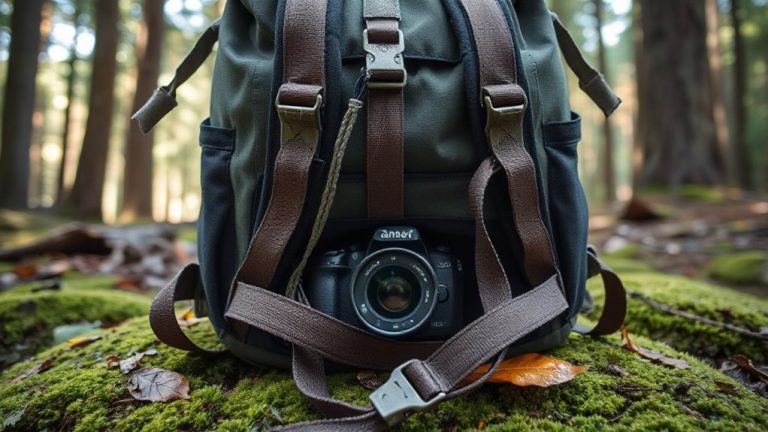
Pack your heaviest items-water, food, tools-tight against your back and centered along your spine to keep your core stable and reduce fatigue. Put medium-weight gear like rainwear and first-aid kits just behind your shoulders for quick access. Keep your knife, headlamp, and fire starter in immediate-reach pockets. Balance side loads evenly to avoid twisting. Test your pack on hills and rough ground for at least three miles. Adjust straps until nothing shifts and all access points work on the move-fine-tuning now prevents breakdowns later.
Notable Insights
- Place heaviest items like water and food close to your back and centered to maintain core stability.
- Position medium-weight gear like first-aid and rainwear externally near shoulders for quick, balanced access.
- Store critical items such as knife, headlamp, and fire starter in instantly reachable pockets or straps.
- Balance side pockets evenly with similar weights to prevent twisting and maintain posture over long distances.
- Test load balance on varied terrain for at least three miles, adjusting straps and weight distribution as needed.
Start With Heavy Essentials in the Center
Weight distribution starts with the heaviest items-water, food, tools-packed close to your back and centered in the bag. This placement keeps the frame weight low and aligned with your spine, reducing strain over long distances. You’ll maintain better core stability when the load rides tight against your body instead of pulling you backward or swaying side to side. A well-balanced pack feels nearly weightless compared to one with poorly positioned contents-even if both weigh the same. Frame weight matters because it dictates how the load transfers to your hips; a frameless pack shifts more burden to shoulders, increasing fatigue. Test this by walking uphill with a centered load versus one with weight in the lid pocket. You’ll notice reduced fatigue and smoother strides when essentials stay in the core. Proper positioning isn’t optional-it’s the baseline for endurance.
Organize Medium-Weight Gear for Quick Access
How often do you need a first-aid kit or rain gear while on the move? Pack these medium-weight items just behind your shoulders on the external frame, where you can reach them without removing the pack. This keeps weight high and balanced, improving stability on uneven terrain. Place hydration in a central bladder sleeve or side pockets, ensuring the tube feeds cleanly to your shoulder strap. Hydration placement affects both accessibility and center of gravity-side pockets offer faster refills but shift balance slightly. An external frame allows more flexible organization than internal systems, letting you adjust load position based on terrain and duration. Test placement during full-weight walks: if gear bounces or pulls, reposition it closer to your back. Avoid overloading the frame’s lower rails, which can destabilize long-distance carry. Medium-weight items work best when balanced, reachable, and aligned with your body’s natural movement. A durable backpacking trowel is essential for Leave No Trace practices when burying waste during extended trips.
Keep Critical Items Within Seconds’ Reach
Your most critical gear-the knife, headlamp, fire starter, and first-aid supplies-should sit in immediate-access pockets or on retention straps you can reach without removing the pack. Gear positioning directly affects emergency retrieval time, which can be the difference between safety and injury. A knife on a chest strap takes under two seconds to deploy; one buried in a main compartment may take thirty. Test this yourself with timed drills. Headlamps must activate within seconds during sudden darkness-hip or shoulder-mounted holsters perform best. Fire starters taped inside a top flap outperform those in side pockets during rain. First-aid items in grab-and-go pouches enable rapid response to bleeding or shock. Every second counts, so avoid deep storage. Prioritize accessibility over neatness. Practical field use shows that predictable, consistent placement beats compartmentalized organization when stress or fatigue impairs recall. Plan for urgency, not convenience.
Balance Side Pockets to Maintain Mobility
Most bug-out bags end up lopsided, with one side pocket stuffed while the other hangs empty, and that imbalance worsens over long treks. You’ll strain your hips and shoulders without proper weight distribution, reducing endurance and increasing fatigue. Pocket symmetry isn’t just neat-it’s functional. Load heavier items like water filters or metal utensils evenly across both sides. Keep similar weights in mirrored pockets to prevent twisting with each step. If one side must carry more, adjust internal weight to compensate. A balanced pack moves with you, not against you. Avoid overstuffing pockets; bulk disrupts balance and snags terrain. Opt for compact, low-profile gear that fits snugly. Proper symmetry improves posture and foot speed, especially on uneven ground. Small imbalances compound over miles, so check load alignment before departure. Equal pocket loading supports efficient movement, minimizing wear on joints and pack structure over extended travel. Consider packing best canned camping food to maintain consistent weight and accessibility in side pockets.
Test Your Pack Before Evacuation
Even if you’ve packed with perfect balance, you won’t know how the load holds up until you take it for a real walk. Test your pack on varied terrain to assess comfort level and terrain adaptation. Walk at least three miles with full weight, including uphill, downhill, and uneven ground. Check for hot spots, shoulder pressure, and hip belt stability. A pack that feels fine on flat pavement may fail on rocky trails. Adjust straps and load lifters, then retest. Comfort isn’t just padding-it’s how weight transfers during movement. Terrain adaptation means the pack moves with you, not against you. If you’re staggering or leaning forward, rebalance the load. Test in conditions matching your likely evacuation route-urban sidewalks, forest paths, or gravel roads. Real-world use exposes flaws no checklist can. Make sure hydration lines stay clear and access points remain usable while moving. Choosing the right backpack model can significantly improve this experience-consider starting with one of the top-rated day hike backpacks for men.
On a final note
You’ll move faster and farther when your pack rides balanced and predictable. Keep heavy items centered and close to your back to reduce strain. Place frequently needed gear in easy-reach spots without disrupting weight distribution. Side pockets should hold light, matched-weight items to prevent hip strain. Test hikes reveal imbalances-adjust straps and contents until the load feels neutral. A well-distributed 30-pound pack beats a poorly arranged 25-pound one every time.