When to Upgrade From School-Type Backpacks to Purpose-Built Survival Models
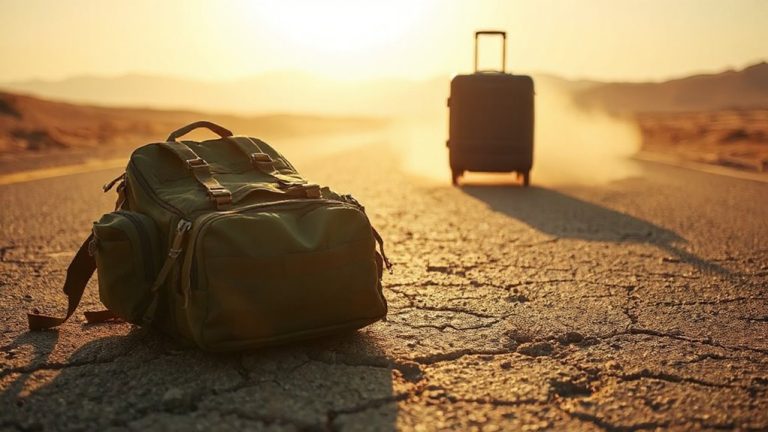
You should upgrade when your pack no longer handles heavy loads, rough terrain, or wet conditions. School backpacks lack frame support, use thin fabrics, and fail under stress-survival packs use 600D+ nylon, MOLLE webbing, and load-bearing frames. If you’re carrying 40+ liters, need quick access to gear, or face harsh weather, the upgrade makes sense. They last longer and perform under real demands. What sets top models apart comes down to tested durability and mission-ready design.
Notable Insights
- When your backpack shows frayed straps or split stitching from heavy use, it’s time to upgrade.
- If you need to carry 40+ liters of gear, a school pack lacks sufficient capacity.
- School backpacks fail in harsh weather; upgrade when you need waterproof, durable materials.
- Frequent outdoor trips require MOLLE webbing and modular attachment points for essential gear.
- Poor weight distribution causes discomfort-upgrade to a framed, load-bearing survival backpack.
Signs It’s Time to Ditch the School Backpack
That worn-out school backpack might still hold your gear, but it’s not built for survival conditions. Its outgrown durability means seams weaken, fabric thins, and zippers fail under stress-common after years of daily use. You’ve likely noticed frayed straps or stitching splitting during heavy loads, proof it can’t handle rugged terrain. Its limited capacity forces compromises: no room for water purification, emergency shelter, or extra layers. A survival pack needs 40+ liters, load-bearing frames, and weather-resistant materials-specs school bags don’t meet. You’re stretching a design meant for textbooks into roles it wasn’t engineered for. When gear doesn’t fit or fails mid-trip, it’s not inconvenient-it’s dangerous. Upgrading isn’t about preference. It’s about meeting basic readiness standards. If your pack can’t carry the essentials without breaking, it’s time. Your safety depends on reliable equipment. This one no longer qualifies. Consider a best day hike backpack designed for durability and proper weight distribution to ensure long-term performance in demanding environments.
Who Really Needs a Survival Backpack?
Who actually needs a survival backpack, or are you just buying into overprepared hype? You do-if your daily routine or preparedness plan demands reliability beyond what school bags offer. Urban commuters facing unpredictable transit delays or emergencies benefit from durable materials, ergonomic support, and organized storage for essentials like water, tools, and first aid. These aren’t fashion accessories but functional gear built to carry supplies during disruptions. Disaster planners, whether coordinating local response or securing personal readiness, need packs that withstand harsh conditions and carry heavy loads over long distances. Survival backpacks offer high weight capacity, weather resistance, and MOLLE webbing for customization-features school backpacks lack. If your role involves mobility under pressure, the upgrade makes sense. For others, a simpler bag may suffice. Purpose dictates need. Top models are designed with long-term durability and mission-specific layouts in mind, making best survival backpacks a critical consideration for serious preparedness.
How Survival Packs Beat School Bags in Crisis Ready
You already know whether your routine or preparedness plan demands more than a school bag can offer. When crisis hits, survival packs outperform school bags with rugged design and purpose-built functions. School bags use standard zippers that fail in wet conditions, but survival packs include waterproof zippers that seal out moisture and protect essentials. They’re made from higher-denier fabric, tested to withstand abrasion and heavy loads over long distances. If you need to shelter quickly, many survival packs integrate emergency shelter systems-like compact thermal blankets or bivy sacks-into their structure or included contents. School bags lack compatibility with such gear. Their compartments aren’t optimized for rapid access under stress. In real-world tests, survival packs maintain integrity after 50+ miles of rough use, while school bags show seam stress within 10. When reliability matters, measurable differences in materials, closure systems, and integration make the upgrade necessary. Top models like the best waterproof hiking packs offer proven performance in extreme conditions.
Survival Backpack Must-Haves: MOLLE, Whistle Buckles & More
If you’re serious about field readiness, look for MOLLE webbing on the pack’s exterior, since it lets you attach essential gear like water filters, flashlights, or medical pouches using standardized nylon straps-tested to hold up to 5 lbs per 4-inch panel without tearing. You’ll want quick access to your first aid kit, so mount it on the side or front panel for visibility and speed. Integrated whistle buckles on the sternum strap offer a simple but effective safety upgrade-no extra bulk, just audible signaling if stranded. A built-in hydration reservoir sleeve keeps your water source secure and lets you drink without stopping. Most models fit 2–3L bladders and include exit ports for the tube. These features aren’t gimmicks; they’re field-tested additions that save time and effort. MOLLE offers customization, whistle buckles cost nothing extra but add critical function, and internal reservoir sleeves maintain balance while keeping hydration efficient. You won’t use every feature daily, but when you need one, it matters.
When Tough Terrain Demands a Real Survival Pack
When the trail turns steep or the weather closes in, a standard hiking backpack just won’t hold up-survival packs are built for that moment. You need rugged durability to survive jagged rock, wet foliage, and constant strain. These packs use high-tenacity fabrics like 1000D nylon and reinforced stitching that resist tears and abrasion far better than school bags or lightweight daypacks. Terrain adaptability matters just as much; survival packs feature adjustable suspension, load-lifting straps, and secure hip belts that keep weight balanced on uneven ground. They track well on loose scree, steep ascents, and muddy trails where stability is key. Unlike flimsy frames or sewn-on straps, their internal structures maintain shape under heavy loads. MOLLE webbing lets you reposition essential tools for quick access. Tested in adverse conditions, they consistently outperform basic packs in weight distribution and retention. If your route includes remote or punishing landscapes, upgrade now.
When Growing Kids Need Real Survival Gear
What happens when your child outgrows hand-me-down gear and faces real backcountry risks? It’s time to prioritize emergency preparedness and outdoor independence with purpose-built survival gear. School backpacks lack durability, storage organization, and load support for serious terrain. Real survival packs offer reliable weather resistance, proper weight distribution, and compartments for critical supplies-features that matter when kids hike beyond trails.
| Feature | School Backpack | Survival Pack |
|---|---|---|
| Weather Resistance | Minimal lining | Full waterproof coating |
| Carry Capacity | 15–20 liters | 30–45 liters |
| Frame Support | Flexible foam | Internal aluminum stays |
| Emergency Storage | Front pocket only | Dedicated hydration & first-aid sleeves |
These upgrades support safer, more confident exploration.
Picking a Survival Pack That Fits Real Adventures
How do you know which survival pack actually works when the weather turns or the trail fades? You test it under real conditions, not just product claims. A good survival pack keeps weight distribution balanced, reducing fatigue on long hikes. Uneven loads strain your back and shoulders-look for padded hip belts and adjustable chest straps that transfer weight to your hips. Hydration compatibility matters too; internal reservoir sleeves and external routing keep water accessible without stopping. Packs without it force you to unpack in cold or rain, wasting time and energy. Choose 40–60 liters for multi-day trips-enough for gear, food, and emergency supplies. External attachment points let you carry tools or extra layers. Waterproof zippers and durable fabrics like 600D nylon improve longevity. Don’t trade function for flashy features. The right pack supports endurance, access, and adaptability when you need it most.
On a final note
You’ll know it’s time to switch when your backpack can’t carry essential gear or survive rough use. School bags lack durability, capacity, and features like MOLLE or waterproof zippers. Survival packs offer structured support, lasting materials, and quick-access points. They’re heavier, but worth it when reliability matters. If you’re hiking off-trail or prepping for emergencies, a purpose-built pack performs better and lasts longer under real conditions.