How to Include Hearing Aids and Batteries in Your Bug-Out Communication Kit
Keep your hearing aids powered by stocking at least 30 days’ worth of spare zinc-air batteries (sizes 10, 13, 312, or 675) in their original packaging to prevent shorts. Store them at room temperature, avoiding humidity and extreme cold. Pair them with a USB-C power bank or 5–10W solar charger for extended outages, knowing cloudy conditions cut solar efficiency. Test function and battery voltage monthly. A working aid guarantees you hear alerts and instructions when it matters most-there’s more to evaluate in real-world conditions.
Notable Insights
- Treat hearing aids as essential medical devices and include them in your bug-out kit for safety and communication.
- Stock at least 30 days of spare zinc-air batteries, doubling supply if evacuation may delay resupply.
- Store batteries in original packaging at room temperature to prevent short-circuiting and extend shelf life.
- Use solar chargers or USB-C power banks to recharge hearing aids when grid power is unavailable.
- Test hearing aids, batteries, and charging gear monthly to ensure functionality in emergencies.
Don’t Overlook Hearing Aids in Emergencies
While most people focus on food, water, and shelter in emergency prep, you can’t afford to ignore hearing aids if you rely on them daily. Your ability to follow instructions, detect threats, and coordinate with others depends on functional hearing, making hearing aids a critical part of your emergency preparedness. Without them, even basic communication strategies break down, especially in high-noise or chaotic environments. You need a plan to keep your devices powered and protected. Consider waterproof cases and backup units if you use dual hearing aids. Real-world testing shows sound clarity drops markedly in loud conditions when devices fail, reducing situational awareness. Including hearing aids in your bug-out kit isn’t optional-it’s a necessity. Treating them like any other medical device guarantees you maintain communication, respond to warnings, and stay safe. Plan accordingly.
Find Your Battery Type and Lifespan
You’ll need to identify your hearing aid’s battery type right away-most use zinc-air cells in sizes 10, 13, 312, or 675, each with different lifespans depending on usage and model. Knowing your battery types is essential for accurate prep; size 10 lasts about 3–7 days, while size 675 can run 9–20 days under similar conditions. Your daily wear time and features like Bluetooth streaming reduce lifespan, sometimes by half. Lifespan tracking helps predict when replacements are needed, preventing unexpected failures. Check your device manual or manufacturer’s site for exact specs-don’t guess. Keep a log of how long each battery lasts in real-world use, since lab ratings often overstate performance. This data gives you reliable patterns, especially in high-stress scenarios where consistent hearing is critical. Matching the right battery type with accurate lifespan tracking guarantees you’re prepared without waste or shortage.
Pack and Store Extra Batteries
Stock at least a 30-day supply of spare batteries for each hearing aid, doubling that if evacuation could delay resupply. Keep battery insulation intact until use-removing tabs prematurely reduces charge. Store batteries in their original packaging to prevent contact with metal objects that could cause discharge or short-circuiting. Ideal storage temperature is between 68°F and 77°F; avoid extreme heat or cold, which accelerates degradation. Don’t refrigerate unless humidity is controlled-condensation damages cells. Carry a small, labeled waterproof bag within your kit to protect spares from moisture and physical impact. Zinc-air batteries, common in hearing aids, are sensitive to air exposure once activated, so only remove seals when ready to use. Proper storage temperature and battery insulation together preserve functional life. Test spares quarterly. Replace any battery showing voltage drop or swelling. Plan storage and volume around real-world drain, not manufacturer estimates.
Use Solar or Portable Chargers
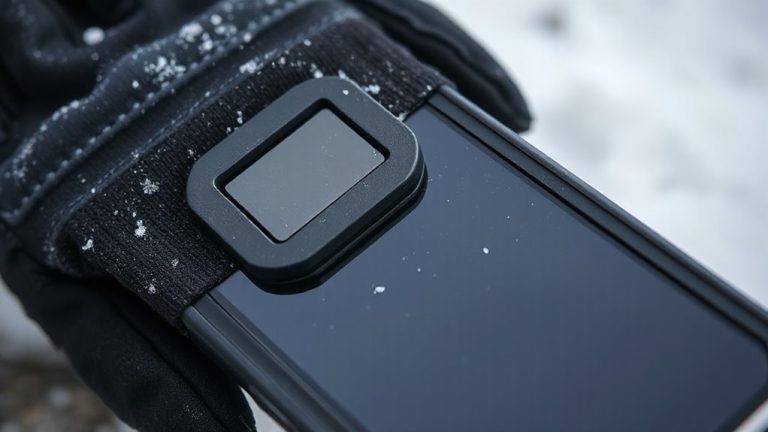
If your hearing aids are rechargeable, including a solar or portable charger in your bug-out kit makes sense, but only if it matches your device’s power demands and real-world conditions. Solar charging works when you have consistent sunlight, but it’s unreliable in cloudy or forested areas. Most solar chargers deliver 5–10 watts, so they charge slowly-expect 4+ hours for a full cycle. Portable power banks are more predictable; a 10,000mAh model can recharge your hearing aids 2–3 times. Look for ones with USB-C output and a built-in flashlight for added utility. Solar panels and power banks serve as effective battery alternatives, especially when grid power fails. Weigh the trade-offs: solar is lightweight but inconsistent, while power banks offer reliability but add bulk. Choose based on your environment and mission length. For reliable performance in varying conditions, consider the best solar chargers for outdoor adventures.
Create a Dedicated Hearing Aid Go-Kit
A dedicated hearing aid go-kit guarantees you maintain communication and situational awareness when mobility and clarity matter most, especially after relying on solar or portable chargers that may not always deliver. You need reliable emergency preparedness, and that starts with organizing spare hearing aids, compatible batteries, cleaning tools, and moisture-absorbing packets in a compact, waterproof case. Choose a kit that fits all your device models and includes at least a week’s supply of batteries labeled with dates. Opt for zinc-air batteries with a 3-5 year shelf life for long-term storage. A silicone drying jar prevents moisture damage without electricity. This setup secures communication independence during extended disruptions. Don’t rely on improvisation-tested components in one designated container save time, reduce stress, and keep your gear functional when every sound matters.
Test Your Hearing Aid Kit
When you’re preparing for emergencies, it’s not enough to just pack your hearing aid kit-you need to test it regularly to confirm it works when the power’s out and stress is high. Every month, run a full check: power on your hearing aids, confirm battery charge, and verify sound clarity in both quiet and noisy settings. Test your spare batteries, too-expired ones fail when needed most. Make sure your waterproof packaging seals properly; submerge it briefly to check for leaks. If you rely on signal boosting for phone or radio use, simulate low-connection conditions to guarantee compatibility and range. Include your cleaning tools and confirm they haven’t degraded. Test your entire kit in realistic conditions-like low light or outdoor wind-so you’ll know what to expect. Routine checks prevent failure. Functional hearing aids with reliable batteries and intact waterproof packaging mean clear communication when it matters. Skip the test, and you risk silence at the worst moment.
Talk Without Hearing Aids
How do you stay in the conversation when your hearing aids aren’t an option? You adapt quickly using reliable, low-tech methods. Sign language allows real-time communication without power or equipment, making it practical in prolonged outages. Learn basic signs with your group beforehand-no certification needed, just consistency. Written notes are slower but effective for complex messages. Keep a small notebook and pen in your kit; they take little space and work in loud or quiet environments. Both methods have trade-offs: sign language requires line of sight and energy, while written notes need light to read. Pair them based on the situation. These tools don’t replace hearing aids but fill gaps when batteries die or gear fails. They’re proven, measurable, and don’t rely on signals or charge. In survival scenarios, clarity matters most-use what works, not what’s convenient.
On a final note
You’ll rely on clear communication during emergencies, so include your hearing aids and spare batteries in your bug-out kit. Know your battery type-13, 312, or 675-and expect 5–14 days of use per pair, depending on daily wear. Store extras in a dry, insulated case. A solar-powered charger adds runtime but isn’t foolproof-carry backup zinc-air cells. Test your setup monthly; replace expired items. If aids fail, use written notes or text-to-speech apps.