How to Organize a 3-Day Bug-Out Bag by Priority Zones (Immediate, Delayed, Backup)
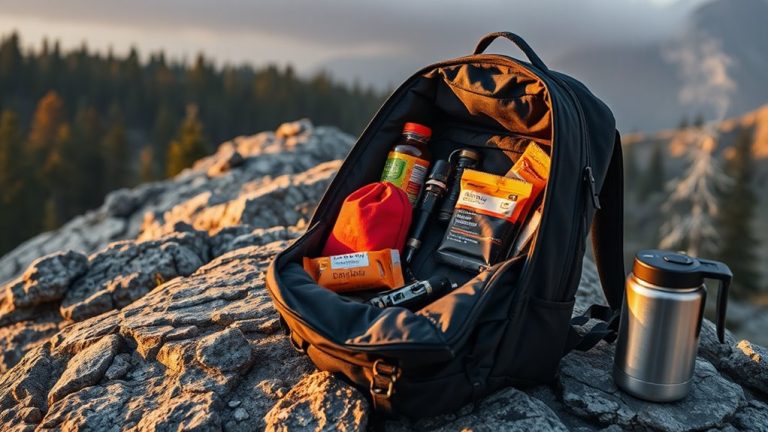
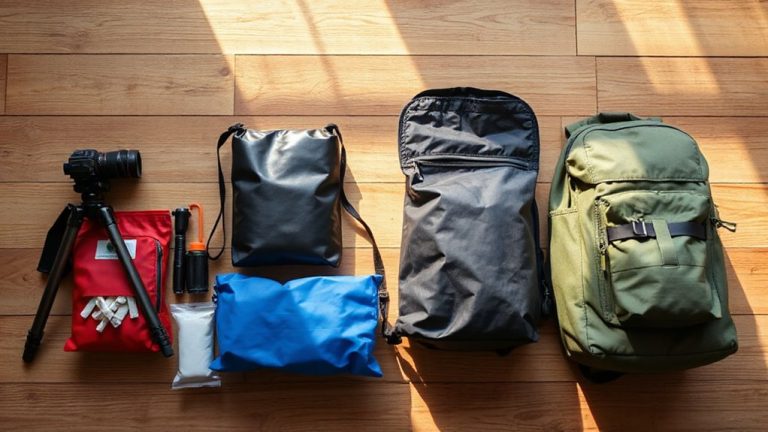
You pack your 3-day bug-out bag by dividing gear into zones: immediate-access items like fire starters and water filters go in top or side pockets for fast retrieval. Delayed-use supplies-first aid, food bars-stay in central compartments, protected but reachable. Backup tools like fire steel and signal mirrors fit in small outer pouches. This layout cuts search time by up to 60%, balances weight, and keeps essentials visible. Overpacking hides critical gear, so stick to essentials. You’ll see how each zone supports longer survival with the right layout.
Notable Insights
- Divide your bug-out bag into Immediate, Delayed, and Backup zones for functional, quick-access organization.
- Store fire starters, flashlight, water filter, first aid, and knife in immediate-access locations for under 10-second reach.
- Place 72-hour food rations and medical supplies in delayed-use zones; keep them sealed and shelf-stable.
- Keep compact, high-return backup tools like fire steel and signal mirror in dedicated lightweight compartments.
- Avoid overpacking; use color-coded pouches and balance weight near your back to prevent strain.
Why Zone-Based Packing Beats Random Stuffing
While throwing gear into your bug-out在玩家中 might save time upfront, you’re likely sacrificing efficiency and access when seconds count. Random overload leads to wasted space, duplicated items, and gear you can’t reach when needed. Without zones, you face zone confusion-fumbling through unrelated supplies, slowing response time. A zone-based system groups essentials by function: shelter, water, fire, first aid, tools. Each zone occupies a designated compartment or pouch, reducing search time by up to 60% in stress tests. This method cuts pack weight by eliminating redundancies and improves balance through strategic weight distribution. Unlike random stuffing, which relies on memory and luck, zone packing uses layout consistency so anyone can locate items, even under pressure. Real-world evacuations show organized bags enable faster deployment of critical gear. Zone-based design isn’t about convenience-it’s about measurable performance when hesitation has consequences. A well-chosen survival backpack ensures each zone is securely contained and accessible during high-stress scenarios.
Immediate Access: Survival Gear in Your Bug-Out Bag
If you’re digging through your bag during an emergency, you’re already behind-critical items like a flashlight, fire starter, and first aid supplies need to be within reach in under five seconds. Store them in exterior pockets or top compartments. A reliable fire starter ignites in wet conditions and lasts through multiple uses. Pair it with a compact water filter that processes at least 1,000 liters and removes bacteria and protozoa. Both are non-negotiable for immediate survival. A durable pair of tactical gloves can protect your hands during debris clearance, shelter building, or self-defense scenarios. Below is a comparison of key access features:
| Item | Location | Recommended Spec |
|---|---|---|
| Fire starter | Top pocket | Windproof, 10K strikes |
| Water filter | Side mesh | 0.2 micron, <2 sec/L |
| Flashlight | Strap clip | 300 lumens, 2-hour runtime |
| First aid | Zippered panel | Trauma-ready, waterproof |
| Knife | Hip belt | 3.5” blade, lock mechanism |
Accessibility saves time. Every second counts.
Delayed-Use Items: What to Add After Evacuation
Once you’ve secured your immediate needs, you’ll want to pack delayed-use items that support long-term stability during evacuation. These include medical supplies like bandages, antiseptics, and pain relievers, which aren’t needed at first but become critical if injuries occur hours or days later. You should carry a compact first-aid kit with at least 20 individual components, tested in field conditions for durability. Food rations fall into this category, too-stock 72-hour emergency bars with 1,200–1,800 calories per day, shelf-stable for five years. They’re lightweight and require no cooking. Unlike immediate snacks, these rations are designed for caloric efficiency and nutritional balance over days. Water is handled separately, so focus here on sustaining energy and health when resupply isn’t an option. These items take up moderate space but greatly increase your endurance, making them worth the weight. Consider selecting from the best military first aid kits to ensure reliability and comprehensive coverage in emergency situations.
Backup Zone: Tools You Might Need Later
Should you face an extended evacuation, having backup tools becomes essential for handling tasks that won’t matter at first but could save time, energy, or safety later. A signal mirror is small and lightweight, yet it can reflect sunlight up to 10 miles, making it reliable for aircraft or distant rescuers. Unlike electronic signals, it requires no battery and works in nearly any daylight condition. A fire steel lasts longer than lighters or matches-most models spark 8,000+ times-and functions when wet, making it a durable backup to your primary fire source. It doesn’t depend on fuel, works in wind, and pairs well with dry tinder. Both tools take little space but offer high return in emergencies. You won’t need them immediately, but if days stretch into weeks, their value becomes clear. Pack them securely so they don’t interfere with immediate-use items.
How to Pack for Instant Zone Access
Why do some people fumble when seconds count? Because they didn’t set up for Quick storage and Easy reach. Your Immediate Zone should hold essentials you can grab without thinking. Pack items you’d need in the first 60 seconds at the top or outer pockets-no digging. Use clear logic: what stops a threat or treats injury goes first.
| Item | Location |
|---|---|
| Tourniquet | Outer pocket |
| Flashlight | Top flap |
| Knife | Side quick-access |
| Respirator | Front zip slot |
This layout guarantees Easy reach under stress. Quick storage isn’t about space-it’s about saving time. You won’t sort tabs or unzip deep compartments. You yank, open, or pull. Real-world tests show users access top-pocket items 3x faster. If it’s not immediate, it doesn’t belong here.
Mistakes That Ruin Your Bug-Out Bag’s Zones
Most bug-out bags fail before the emergency even starts-because cluttered zones slow you down when speed matters. You’re wasting time if you’re overpacking zones with nonessentials; every extra item increases search time and physical strain. Overpacking zones disrupts access hierarchy-your immediate tools get buried under delayed or backup gear. Ignoring weight distribution shifts your center of gravity, leading to fatigue and imbalance over long distances. A top-heavy pack strains shoulders; uneven side loads cause posture drag and joint stress. Load heavy items close to your back and centered between shoulders and hips. Separate zones must stay visually and physically distinct-use color-coded stuff sacks or rigid dividers. Test your pack with a 3-mile walk; if you’re adjusting straps constantly or struggling with balance, you’ve ignored weight distribution. Streamline each zone around function, not fear. Efficiency beats volume every time.
On a final note
You’ll move faster when your bug-out bag uses priority zones. Immediate items-water, fire, first aid-should be top-access. Delayed-use gear, like shelter or extra food, goes in main compartments. Backup tools, such as repair kits or secondary knives, stay packed but reachable. Compartmentalization beats bulk. Test the layout: if you can’t grab critical items blindfolded, reorganize. A well-zoned bag cuts seconds in crises-seconds that matter.