How to Plan for Evacuation When You Live in a High-Crime Area
You need multiple escape routes-test them day and night, since violence can block paths fast. Use paved roads for speed or alleys for cover, updating maps monthly as conditions change. Pack a sub-35-liter go-bag with water, purification tablets, a hand-crank light, and a first-aid kit, checking it weekly. Pick a safe haven over 10 miles away, with backup options. Run timed drills monthly, using real gear. A 20,000mAh power bank and two-way radios improve communication when networks fail. Clear streetlights and working locks make routes and shelters more reliable. Signal devices and pre-set channels cut through chaos. Practice builds speed and reveals weaknesses before they cost you. More details follow on optimizing each step.
Notable Insights
- Test multiple escape routes daily and at night to account for obstacles and lighting changes.
- Pack a lightweight go-bag with water, purification tablets, first aid, and a reliable light source.
- Choose a safe haven at least 10 miles away, with confirmed access and secure accommodations.
- Establish a family alert system using encrypted messaging, radios, and physical signals for redundancy.
- Conduct monthly evacuation drills to build speed, adapt to blocked paths, and refine response times.
Map Every Escape Route: Day and Night
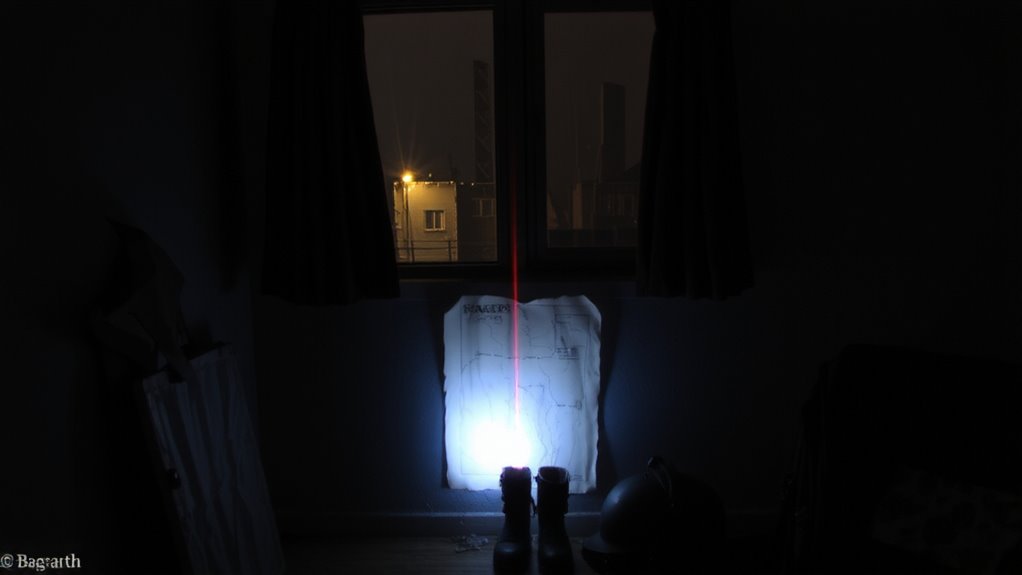
While conditions can shift fast in a high-crime area, knowing your exits ahead of time gives you a real edge-so map every possible escape route for both day and night. You need clear route visibility during daylight, but low light changes everything-what’s obvious at noon can be a hazard at 2 a.m. Test each path yourself, noting terrain obstacles like fences, ditches, or overgrown lots that slow movement. Paved roads offer speed but less cover; alleys may be darker but provide concealment. Mark alternative exits if main paths are blocked. Use a flashlight to simulate night traversal and check sightlines. Poor visibility increases reaction time, so prioritize routes with streetlights or open sightlines. Terrain obstacles reduce speed by up to 40%, especially if you’re carrying others. Balance cover, distance, and visibility. Update your map monthly-construction or new barriers change conditions fast. Know which routes are fastest, not just shortest.
Pack a Go-Bag With Life-Saving Supplies
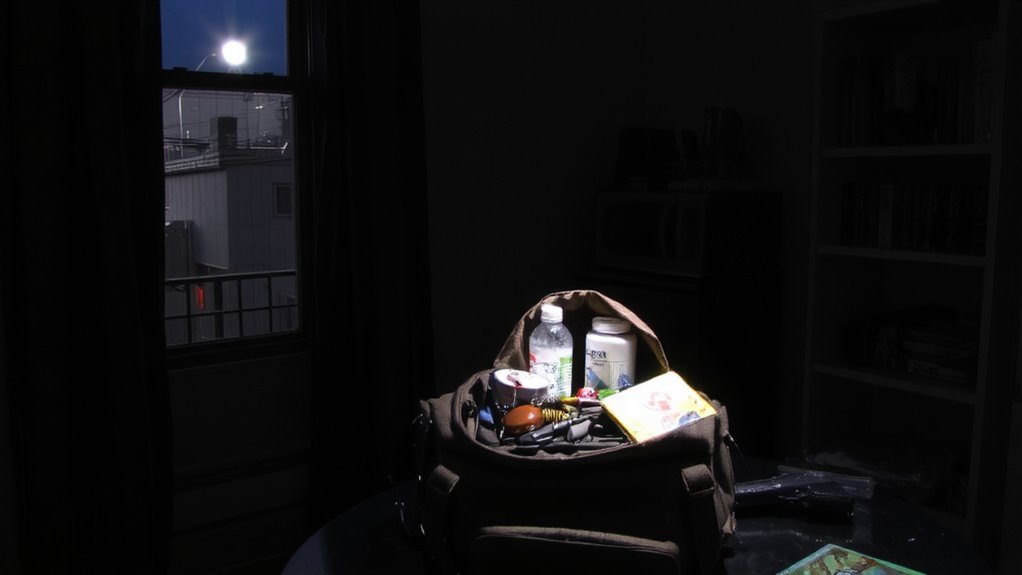
A solid go-bag pays off when seconds count, so pack one with essentials that cover shelter, hydration, signaling, and basic medical needs. Include a 50-foot space blanket-it’s lightweight and retains heat. Carry at least one liter of water and a water purification method like chlorine dioxide tablets, which kill bacteria and viruses in 30 minutes. A hand-crank flashlight with spare flashlight batteries guarantees visibility without relying on unreliable power sources. A simple first-aid kit with bandages, antiseptic wipes, and pain relievers handles most minor injuries. A multi-tool replaces five separate items, saving space. Choose a backpack under 35 liters for quick mobility. Test the bag weekly-swap expired meds, check battery charge, and confirm all items are accessible. A go-bag works only if it’s current and realistic for your physical ability. For optimal durability and heat retention, consider a high-quality Mylar blanket designed specifically for emergency survival conditions.
Pick a Safe Haven Outside the Danger Zone
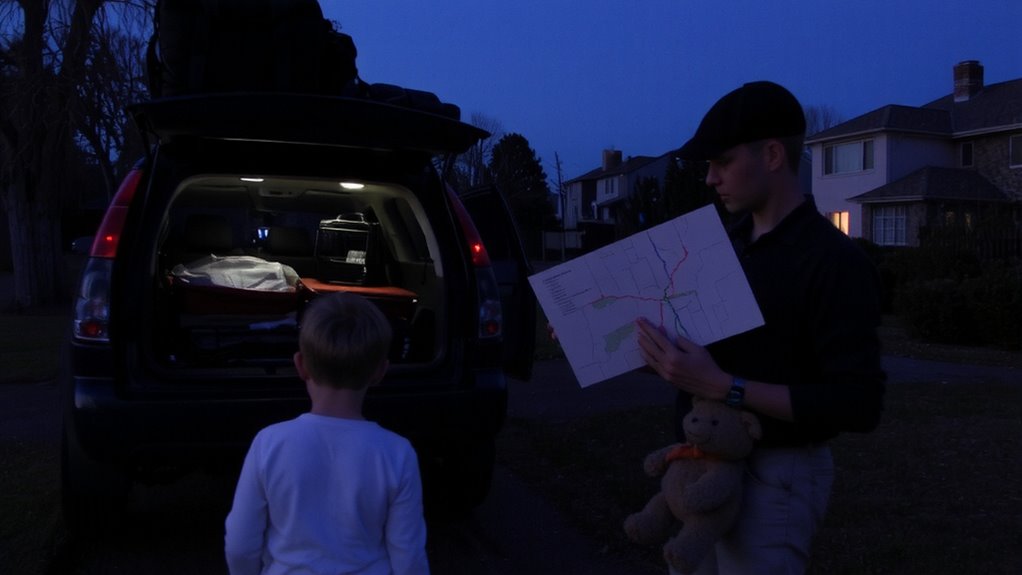
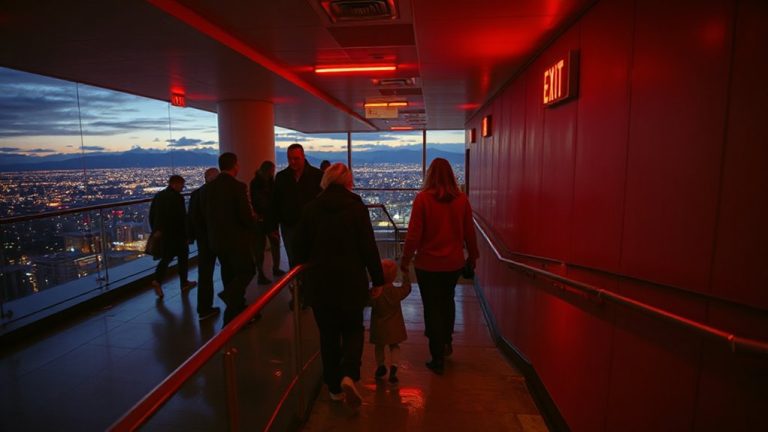
You’ve packed your go-bag with gear that works under stress-now you need a place to take it. Choose a safe shelter at least 10 miles from your home, outside the high-crime area, to reduce risks during evacuation. A relative’s house, trusted friend’s apartment, or community emergency refuge center are practical options. Confirm access and availability ahead of time-don’t assume it’s open. Rural or suburban locations typically offer lower incident rates and faster police response. Avoid highways and known hotspots when mapping your route. The shelter must have working locks, lighting, and communication options. Temporary stays work, but longer evacuations need sustainable utilities. Designate a primary and backup location in case one is unreachable. Both should be reachable within 45 minutes by multiple routes. A reliable emergency refuge improves survival odds when immediate departure is necessary. Plan for it now.
Set Up a Family Alert System That Works
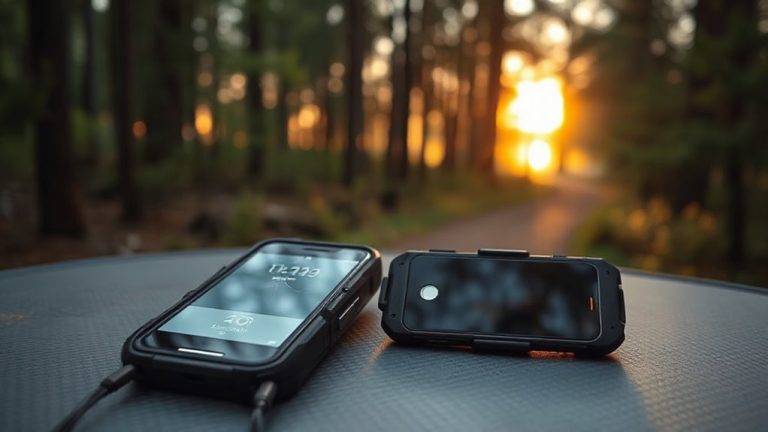
What happens if you and your family get separated when the situation turns bad? You need a reliable alert system to regroup quickly. Start by listing emergency contacts-include cell numbers, out-of-state relatives, and neighborhood allies. Store these in every family member’s phone and a waterproof card in wallets. Use a group messaging app like Signal or WhatsApp, which works over Wi-Fi, for instant updates. Test the system monthly. A communication backup is critical when cell towers fail. Two-way radios with 5 km range and pre-set channels let you coordinate if networks go down. Pair them with a 20000mAh power bank for 72 hours of device uptime. Don’t rely on one method. Combine text alerts, voice, and physical signals like whistles to increase response odds. Simplicity and redundancy improve effectiveness. For reliable performance, consider the best two-way radios based on range, durability, and ease of use.
Run Realistic Evacuation Drills Monthly
Regularly running evacuation drills guarantees everyone in your household responds quickly and correctly under pressure. You need route familiarity so each person knows every exit and potential obstacle, reducing hesitation during real emergencies. Practice in low light, simulate blocked paths, and vary starting points to reflect real-world unpredictability. Drill consistency-monthly, at minimum-builds reliable muscle memory and exposes gaps in your plan. Children and elderly members must perform tasks they can realistically handle; adjust roles based on observed performance. Time each drill to track progress, aiming for under four minutes from alert to safe assembly. Use real equipment, including flashlights or protective gear, to test functionality. If communication fails once in six drills, revise your alert system. These drills aren’t about speed alone-they’re about reducing decision load when stress peaks. Realistic preparation beats improvisation every time.
On a final note
You need multiple escape routes because crimes can block main roads any time of day. Your go-bag should hold water, meds, flashlight, and cash-tested supplies last at least 72 hours. Safe havens reduce exposure; pick one 10+ miles away. Alerts via text or app work faster than calls. Drills improve response time by 40%. Real prep means knowing what works, not what looks good on a shelf.