How to Plan for Evacuation When You Have a Service Animal That Needs Grooming
Plan your evacuation with shelters that accept service animals and allow access to grooming areas-call ahead to confirm policies. Identify critical needs like brushing, nail trims, and dental care to maintain function. Pack a portable kit with a slicker brush, comb, and no-rinse wipes in a waterproof bag. Carry laminated medical records and meds in labeled, insulated cases. Test transport fit and practice drills. Stick to routines in temporary housing-your animal’s performance depends on consistency you can control.
Notable Insights
- Choose evacuation shelters with written policies allowing service animals and confirm access to sleeping and grooming areas by phone.
- Assess your service animal’s grooming needs to maintain health and functionality during emergencies.
- Pack a portable grooming kit with coat-specific brushes, a metal comb, and no-rinse wipes for field hygiene.
- Carry waterproof, labeled containers for up-to-date medical records, medications, and allergy information.
- Test evacuation transport with your service animal’s crate or stroller to ensure fit and access continuity.
Find Shelters That Allow Service Animals
A shelter that accepts service animals is your first priority when planning an evacuation, especially if your animal requires regular grooming. You must confirm access accommodations are in place before disaster strikes. Not all shelters offer them, even if they claim to. Always verify policies directly with the facility-don’t rely on website statements alone. Call ahead and ask specific questions: Are service animals permitted in sleeping and feeding areas? Is there space for mobility or hygiene needs? Some shelters provide basic access but lack provisions for grooming or medical care. Others may allow entry but restrict movement, reducing your animal’s effectiveness. Documented policies matter. Use your region’s emergency management list, but test it by calling each shelter. Assumptions lead to failures. Real-world conditions differ from official claims. Prioritize shelters with clear, verified access accommodations and written policies that match your needs. Prepare alternatives.
Identify Your Animal’s Critical Grooming Needs
Grooming isn’t just about appearance-it’s a functional necessity when your service animal’s performance could depend on it. Regular coat maintenance prevents matting, reduces shedding, and helps regulate body temperature, all critical during stressful evacuation conditions. Thick or double coats require more frequent brushing to avoid overheating or skin irritation. Dental hygiene is equally important; plaque buildup can lead to infections that impair energy and focus. Check your animal’s teeth weekly and schedule cleanings as needed to maintain overall health. Identify which grooming tasks are non-negotiable for your animal’s well-being and function-daily brushing, weekly ear checks, or monthly nail trims. Don’t wait until an emergency to assess these needs. Knowing your animal’s specific requirements guarantees they remain effective and comfortable when routines are disrupted. Evaluate grooming demands now so you can act quickly later.
Pack a Grooming Kit for Service Animal Evacuation
You’ve already mapped out your service animal’s grooming needs, so now it’s time to ensure those needs can be met on the move. Start with a compact grooming kit that includes essential brush tools-choose types based on your animal’s coat. A slick combust scorer works well for shedding or thick undercoats, while a bristle brush suits short-haired animals. Include a metal comb for tangles and mat-checking. For coat care, pack a no-rinse pet wipe or dry shampoo to manage odor and excess oil when bathing isn’t an option. Avoid bulky containers; opt for travel-sized versions tested under field conditions. Every item should have a proven function-no extras. Store tools in a sealed, waterproof bag to protect against moisture and debris. Test the kit during drills to confirm access and usability under stress. Proper gear ensures coat care stays practical and effective, even during extended evacuation.
Carry Emergency Health Records and Meds
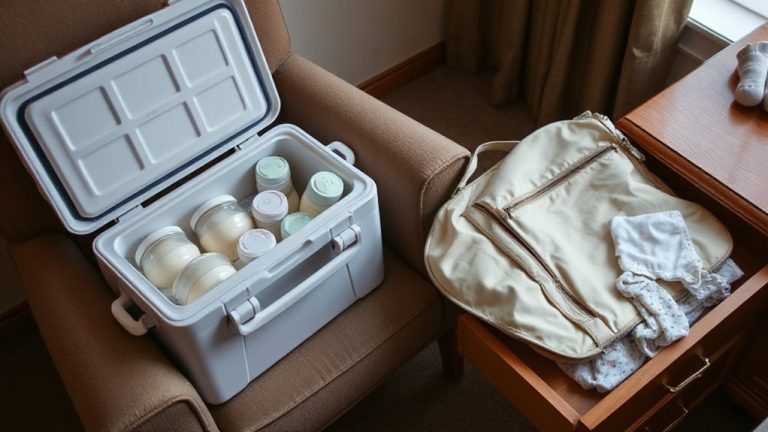
When every second counts, having your service animal’s medical essentials in one secure, portable system makes all the difference. Keep medical documentation and medications organized and accessible. Use a waterproof pouch or compact binder for records like vaccinations, service certification, and emergency contacts. For medication storage, choose a labeled, insulated case with space for perishables and room-temperature pills. Rotate stock every 6 months to maintain potency.
| Item | Purpose | Recommended Container |
|---|---|---|
| Vaccination records | Proof of health status | Laminated print in zip pouch |
| Daily medications | Ongoing treatment | Pill case with daily slots |
| Allergy info | Critical care alert | Foldable card in collar sleeve |
This system works in shelters, clinics, or temporary housing. Clear labeling cuts delays. You’re not just prepared-you’re reliable under pressure.
Choose Pet-Friendly Evacuation Transportation
Having your service animal’s health records and meds secured doesn’t mean much if you can’t get to safety together. You need evacuation transportation that accepts service animals without restriction. Many public transit options and emergency shuttles now accommodate service animals, but verify access policies in advance. When walking isn’t possible, pet strollers offer mobility support, especially for small or groomed animals with sensitive coats-look for durable wheels and ventilation. For vehicle travel, travel crates are essential; they must be airline-approved, structurally sound, and large enough for your animal to stand and turn. Crates weighing under 20 pounds reduce lifting strain during transfer. Some pet strollers double as crate carriers, combining function with portability. Not all vehicles have space for bulky equipment, so test-fit your crate or stroller in your chosen transport now. Planning guarantees you won’t improvise under pressure.
Practice Evacuation Drills With Your Service Animal
How well will your service animal respond when seconds count? Testing evacuation timing during drills helps identify gaps in your plan. Practice under real conditions-noise, crowds, limited light-to assess performance. Your animal must stay focused, so consistent drill frequency improves reliability. Aim for monthly full-scale tests and brief weekly checks to maintain readiness without overtraining.
| Factor | Recommended |
|---|---|
| Evacuation timing goal | Under 3 minutes from alert to exit |
| Drill frequency | 1 full drill monthly, 2 quick checks weekly |
| Training environment | Rotate indoor and outdoor locations |
Adjust if your animal shows stress or delay. These metrics guarantee preparedness without speculation. Repeating drills builds predictability, especially when grooming routines can’t interfere with mobility or alertness. Stay consistent to maintain performance under pressure.
Stick to Care Routines in Temporary Housing
Every detail of your service animal’s care routine matters in temporary housing, especially grooming. Sticking to your established bathing schedule prevents skin issues and keeps your animal functioning effectively. Delays can lead to odor, irritation, or infection, which compromise performance. Use pet-safe, travel-sized shampoos and dry thoroughly-dampness worsens matting and increases chill risk. Coat maintenance is equally critical; brushing daily removes debris and prevents tangles, particularly in long-haired breeds. Inspect for burrs, hot spots, or parasites each time. Limited space in shelters or motels means more frequent checks-dirt and stress accumulate faster. Portable grooming tools like foldable brushes and clippers with adjustable guards save time and adapt to conditions. Power access may be unreliable, so manual tools are reliable backups. Your animal’s health and working ability depend on consistency, not convenience. Stick to the routine-it’s part of their reliability.
On a final note
You’ll need shelters that accept service animals and verify grooming access ahead of time. Pack a grooming kit with shears, wipes, and nail clippers-tested for durability under stress. Keep health records and meds in a waterproof case. Use pet-friendly transport with secure restraints. Practice drills monthly to cut evacuation time. Stick to routines in temporary housing to reduce animal stress and maintain performance.