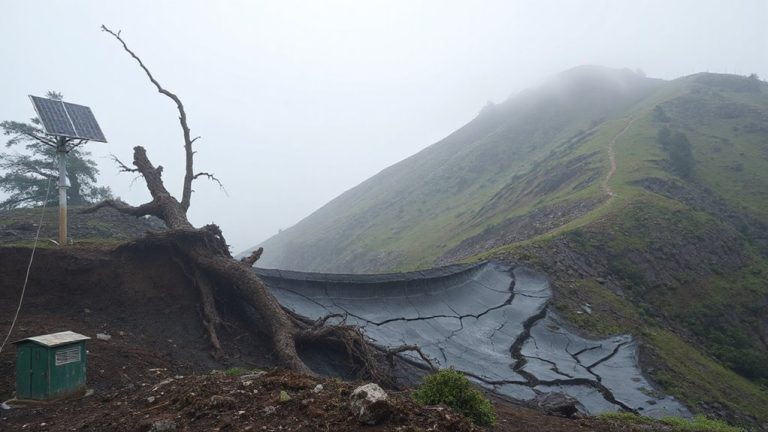
Effects of Search and Rescue Teams Adopting Leave-No-Trace Principles During Missions
You’re cutting environmental damage when SAR teams follow Leave-No-Trace principles on missions. Teams pack out all waste using rated WAG bags, minimize campfires, and use GPS instead of markers. They stick to durable surfaces, go single-file, and avoid fragile zones to prevent trail erosion. Helicopters land only on hardened surfaces. Human waste goes into catholes or is packed out. Using established sites and reusable gear cuts debris. Every action weighs mission needs against ecological cost. You’ll see how training balances speed with sustainability.
Notable Insights
- SAR teams minimize ecological damage by traveling on durable surfaces and avoiding vegetation disruption during missions.
- Proper waste management, including packing out human waste and trash, prevents pollution in wilderness areas.
- Use of GPS instead of physical trail markers reduces environmental clutter and preserves natural landscapes.
- Helicopter landings and vehicle use are restricted to hardened zones to limit soil and vegetation damage.
- Training in Leave-No-Trace protocols ensures efficient rescues while protecting long-term ecosystem health.
Why Search And Rescue Teams Are Adopting Leave-No-Trace
While you might not expect it, more search and rescue (SAR) teams are adopting Leave-No-Trace (LNT) principles simply because operations leave a footprint-literally and ecologically. You’re now seeing teams minimize campfire use, pack out waste, and stick to durable surfaces to limit terrain damage. These actions support wildlife preservation by reducing habitat disruption during critical missions. When teams avoid cutting vegetation or disturbing soil, they help maintain natural ecosystems. Resource conservation is also a priority; using existing trails and established staging areas reduces the need for new infrastructure. You’ll find that lightweight, reusable gear decreases waste and eases supply loads. Teams using GPS over physical markers reduce visual and environmental clutter. It’s not about convenience-it’s about measurable impact. Every footstep and gear choice affects the environment. Adopting LNT isn’t optional anymore; it’s a practical standard that balances mission success with long-term ecological responsibility.
Can SAR Save Lives Without Harming The Wild?
How do you balance saving lives with protecting wilderness? You treat every mission as both an ethical responsibility and a test of mission efficiency. SAR teams can save lives without harming the wild by integrating Leave-No-Trace (LNT) practices into core operations. Using lightweight, reusable gear reduces debris and minimizes site impact. Traveling in single file and avoiding vegetation maintains terrain integrity. Proper human waste disposal and campfire alternatives prevent long-term damage. These actions aren’t extras-they’re standard procedure when you prioritize environmental stewardship alongside rescue speed. Teams that train with LNT protocols respond faster and leave less behind, proving high efficiency doesn’t require environmental cost. Ethical responsibility means recognizing that saving a person shouldn’t endanger an ecosystem. With disciplined planning and minimal-impact tactics, SAR operations succeed without degrading the wilderness they depend on.
How LNT Reduces Environmental Damage In Rescue Missions
You already know SAR teams save lives in rugged, sensitive environments, and now you’re seeing how the same operations can avoid harming those spaces. By following Leave-No-Trace (LNT) principles, you reduce wildlife disruption by avoiding nesting areas and keeping noise low, which helps animals maintain natural behaviors. Teams stick to durable surfaces, preventing unnecessary trail widening that accelerates soil erosion. Using established campsites and avoiding off-trail vehicle use keeps root systems intact and minimizes sediment runoff. Helicopter landings are limited to hardened zones, reducing vegetation damage. Every action is assessed for environmental stress, prioritizing minimal impact without compromising safety. These steps don’t slow rescues but do cut long-term harm. Over time, consistent LNT use means ecosystems recover faster, trails stay stable, and wildlife patterns remain undisturbed. It’s practical risk management-not just for people, but for the land they’re rescued on.
How SAR Teams Pack Out Waste And Minimize Trail Damage
A SAR team’s responsibility doesn’t end with the rescued person-it extends to the trail and the trash they leave behind. You pack out all waste, using durable, leak-proof bags rated for biological materials. Waste segregation guarantees human waste, trash, and recyclables stay separated, reducing contamination and streamlining disposal. You carry portable WAG bags or zip-lock systems with odor barriers, each weighing under 8 oz but holding up to 5 uses. Minimal impact camping means choosing durable surfaces, avoiding vegetation, and rotating camp spots to prevent trail erosion. You use compact trowels to dig catholes 6–8 inches deep, then pack out used toilet paper. Teams deploy lightweight, reusable containers instead of single-use plastics. Stakes and tent pegs get placed on rock or compacted soil to limit surface disruption. Every item brought in gets accounted for on exit, leaving no trace of presence.
How SAR Teams Train For Speed And Sustainability
While speed in search and rescue operations often depends on terrain and weather, consistent training balances rapid response with sustainable practices so you’re not sacrificing long-term effectiveness for short gains. You train for rapid deployment by simulating real missions under varying conditions, cutting response times without increasing environmental impact. Every movement is refined-approaching, evaluating, extracting-so you move fast but leave minimal trace. Gear efficiency is critical: you carry only what’s essential, using lightweight, durable kits that reduce fatigue and pack volume. Modular packs let you adapt quickly, dropping non-critical items without waste. You rehearse route planning to avoid fragile ecosystems, balancing distance with ecological sensitivity. Drills include timed extraction and low-impact camp breakdowns, ensuring readiness without excess strain on land or team. Training isn’t about speed alone-it’s about moving smart, efficiently, with gear and strategy aligned for enduring operational success.
The Long-Term Benefits Of Eco-Friendly Rescue Operations
Why keep ecosystems intact during search and rescue missions? Because your actions today shape long-term environmental outcomes. When SAR teams follow Leave-No-Trace principles, they support wildlife preservation by minimizing habitat disturbances that stress or displace animals. You reduce trail erosion, prevent soil compaction, and avoid contaminating water sources-each step aiding ecosystem recovery over time. These practices aren’t optional extras; they’re operational necessities with measurable impact. Over repeated missions, eco-friendly protocols lower cumulative damage, letting damaged areas rebound faster. You maintain biodiversity corridors, which helps species migrate and adapt. Future rescues become more efficient when terrain remains stable and undegraded. You’re not just saving a person-you’re protecting the environment they’ll return to. Sustainable operations guarantee landscapes remain viable for both recreation and emergency use. In the long run, your discipline supports faster, safer missions and stronger natural systems.
On a final note
You adopt leave-no-trace not to add weight or slow response, but to prevent long-term trail degradation. Packing out waste costs minutes, yet reduces contamination and wildlife habituation. Durable gear minimizes litter. Training balances speed with terrain protection. You trade no mission efficiency for sustainability when protocols are standardized. The result: effective rescues, preserved wilderness. It works where rugged use meets conservation demand. Your impact stays neutral, just like your objective.