Treating Infected Piercings or Skin Trauma in Remote Camps
Watch for redness, swelling, or yellow-green pus-these signal infection. Clean the area with boiled salt water or raw honey if available. Drain only if the swelling is soft; use a sterilized tool and rinse after. Stop spread by using clean gauze, herbal poultices, and frequent changes. Fever or worsening pain means you’re losing the fight. Natural options help, but their limits matter-what works now may not hold later.
Notable Insights
- Monitor for worsening redness, swelling, or pus, as these may signal infection needing urgent care.
- Clean the area with boiled salt water or raw honey if medical supplies are unavailable.
- Drain pus only if swelling is soft, using a sterilized tool and clean gauze to collect discharge.
- Apply herbal poultices like plantain or yarrow and cover with boiled, sterile cloth to prevent contamination.
- Seek emergency help if fever, spreading redness, or severe pain develops within 48 hours.
Look for Redness, Swelling, or Pus
While some redness and swelling after a piercing is normal, you’ll want to keep a close eye on it because persistent or worsening symptoms can signal an infection. If you notice increasing warmth, throbbing, or pus-especially if yellow or greenish-you’re likely dealing with bacterial contamination. A warm compress applied twice daily helps draw out impurities and increases blood flow to speed healing. Apply it for 10–15 minutes with gentle touch to avoid irritating the tissue. Redness spreading beyond the immediate area or swelling that doesn’t improve after 48 hours is a clear indicator to escalate care. Pus accompanied by fever or hard lumps suggests deeper infection. Don’t ignore subtle changes; early intervention prevents complications. Monitor consistently. In remote settings, where medical help is delayed, recognizing these signs early improves outcomes. Use minimal pressure during assessment. Watch for patterns, not single symptoms.
Clean the Wound With What You Have
You’ve checked for redness, swelling, and pus-now it’s time to clean the area. Use what’s available, but prioritize safety and effectiveness. Improvised antiseptics can work if standard supplies aren’t on hand, though their strength varies. Natural disinfectants like honey or crushed garlic have limited evidence but may help in a pinch. Having a well-stocked wilderness first aid kit can make a critical difference when dealing with infections far from medical care.
| Option | Effectiveness |
|---|---|
| Boiled salt water | Moderate |
| Honey (raw) | Low-Moderate |
| Garlic (crushed) | Low |
Rinse gently-don’t rub. Salt water is reliable and easy to make: boil water, add 1 tsp salt per cup, then cool. Honey offers some antibacterial action but isn’t sterile. Crushed garlic has allicin, but may irritate. These improvised antiseptics aren’t ideal, but in remote camps, they’re better than nothing. Always monitor for worsening signs.
Drain Pus Safely When Necessary
A small amount of pus may need draining to speed healing, but only do so if the area is visibly swollen and soft to the touch. Apply firm pressure around the swelling to check for fluctuance-a sign it’s ready to drain. Use a sterilized needle or blade for a minimal incision technique: one small nick is enough. Forceps or clean gauze can help guide pus out. Squeeze gently; excessive pressure can push infection deeper. Collect the discharge with sterile gauze to assess color and consistency-thick yellow or green pus is typical. Promote sterile drainage by rinsing the site after with saline or boiled, cooled water. Do not reuse materials. A healed piercing or wound will gradually reduce swelling and stop producing pus. Monitor for worsening signs-increased redness or fever-though that’s for the next section. Always include a Top Emergency Medical Kit when preparing for remote medical care to ensure you have sterile tools and supplies readily available.
Stop Infection Spreading Off-Grid
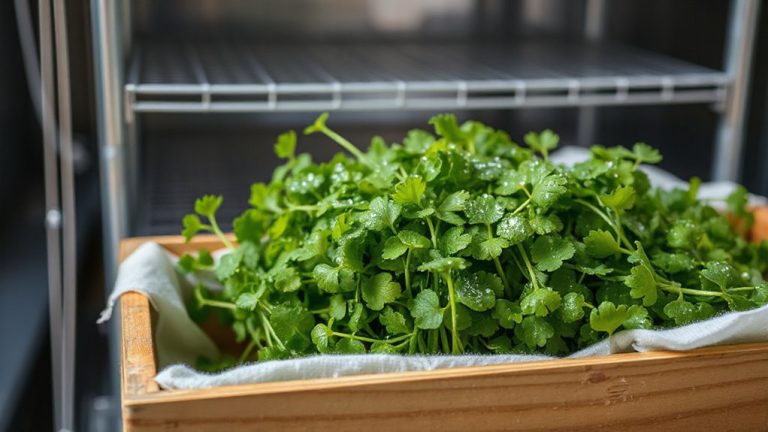
If you’re dealing with an infected piercing or wound in a remote setting, preventing further contamination becomes critical since medical help isn’t within reach. Wash your hands and the area with clean water and soap if available-otherwise, use boiled and cooled water. Apply natural remedies like honey or crushed garlic, which have documented antimicrobial properties. Herbal poultices made from plantain or yarrow can reduce inflammation and draw out infection when changed every 4–6 hours. Use sterile gauze if accessible, or boil cloth for 10 minutes to improvise. Keep the wound covered but allow brief air exposure daily to promote healing. Avoid touching it unnecessarily. Natural remedies aren’t foolproof but offer measurable benefits when pharmaceuticals aren’t an option. Herbal poultices work best when fresh and applied consistently. Monitor for increased redness or swelling, though action remains limited off-grid. Prevention of cross-contamination is your most effective tool.
Know When to Seek Help
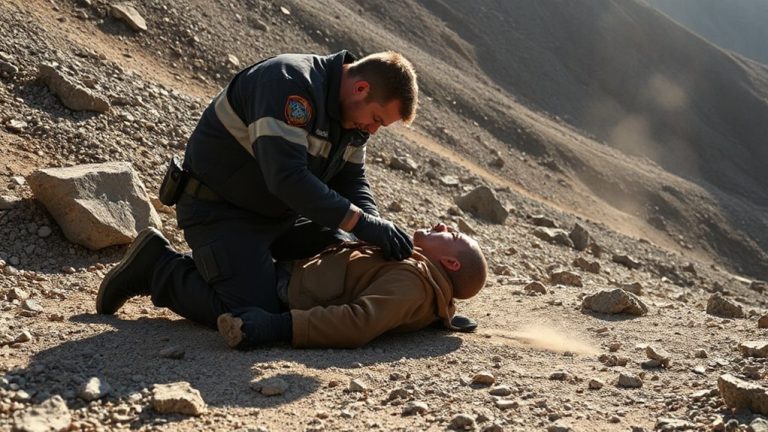
Signs of worsening infection mean it’s time to get help, even in remote settings. You’ll notice increasing redness, swelling, pus, or spreading warmth-don’t ignore them. If fever sets in or pain worsens after 48 hours, the infection may be overpowering your body’s defenses. An allergic reaction to jewelry or topical treatments can mimic or worsen infection; look for intense itching, rash, or swelling beyond the piercing site. Remove suspected allergens, but know when evacuation is necessary. You also face tetanus risk if the wound was caused by a dirty object or if your last tetanus shot was over 10 years ago. Tetanus isn’t treatable in the field-get to medical care immediately. Remote treatment has limits. Delaying care increases complications. Use satellite devices to call for help if available. Prioritize evacuation when systemic symptoms appear. Your safety depends on timely, rational decisions. Consider carrying an emergency signaling device like a best emergency signaling device to ensure help can be summoned quickly in isolated areas.
On a final note
You won’t always have medical help out there, so act fast when you see redness, swelling, or pus. Clean with clean water or saline-no antiseptics needed. If pus builds, drain it gently with sterilized tools. Keep the area dry and monitor closely. Infection can spread quickly off-grid. If fever starts or swelling worsens, you need evacuation-delaying risks severe complications.