Best Backpacking Bars for Lightweight, High-Energy Fuel
You need bars that pack at least 120 calories per ounce, require no prep, and survive harsh conditions. Range Meal Bars deliver 700 calories and 123 cal/oz in a durable, lightweight format. For protein, EPIC Venison bars offer 12g per ounce with minimal carbs. Greenbelly meals provide balanced, no-cook fuel at 650 calories per serving. Choose vacuum-sealed, Mylar-packed options for longer shelf life. Real-food ingredients reduce digestion issues. The best picks combine caloric density, stability, and simplicity-factors that matter when miles from help. Smart choices reveal what actually works when it counts.
We are supported by our audience. When you purchase through links on our site, we may earn an affiliate commission, at no extra cost for you. Learn more. Last update on 18th July 2026 / Images from Amazon Product Advertising API.
Notable Insights
- Choose bars with over 120 calories per ounce for maximum caloric density and lightweight efficiency.
- Opt for no-cook, ready-to-eat bars that require no stove, water, or prep for convenience on the trail.
- Prioritize gluten-free, allergen-conscious options to meet dietary restrictions and avoid cross-contamination.
- Select bars with a 4:1 carb-to-protein ratio and 5+ grams of fiber for sustained energy and recovery.
- Prefer minimal, durable packaging like Mylar or zip-seal pouches that are moisture-resistant and ultralight.
PROBAR Superfood Slam Meal Bar (12 Count)

If you’re looking for one reliable meal bar that delivers balanced nutrition without the weight, the PROBAR Superfood Slam is a solid choice for backpackers who prioritize real ingredients and sustained energy. Each 360-calorie bar gives me lasting fuel with 9g of plant-based protein and 6g of fiber from nuts and flax seeds. I appreciate that it’s made with oats, acai, dark chocolate, and greens-ingredients I can actually recognize. It’s gluten-free, soy-free, and Non-GMO Verified, which matters when I’m out for days. Yes, it’s a bit bulkier than some bars, but the taste and clean energy make it worth the pack space.
Best For: Backpackers and outdoor adventurers seeking a nutritious, plant-based meal bar made with real, recognizable ingredients for sustained energy on the go.
Pros:
- Delivers balanced nutrition with 360 calories, 9g plant-based protein, and 6g fiber per bar for lasting energy and satiety
- Made with whole, natural ingredients like oats, nuts, seeds, acai, dark chocolate, and greens-gluten-free, soy-free, and Non-GMO Verified
- Supports clean-label and sustainable eating with a focus on quality, taste, and environmental responsibility
Cons:
- Slightly bulkier than other meal bars, taking up more space in a pack
- Plant-based protein content is moderate compared to some competing bars
- Premium ingredients may result in a higher price point than conventional meal bars
RXBAR Protein Bars Variety Pack (10 Count)
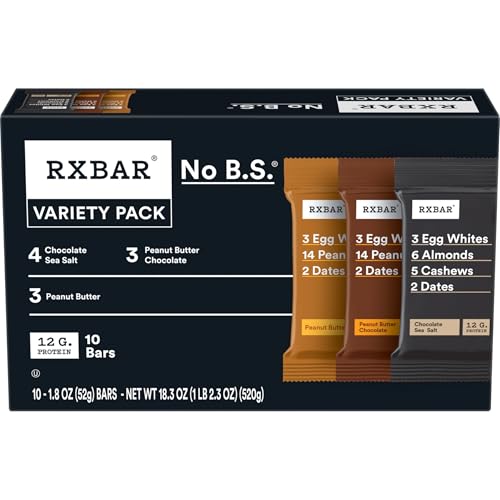
I grab RXBAR Protein Bars when I need reliable, lightweight fuel that won’t weigh down my pack-this 10-count variety pack delivers 12g of protein per bar, making it a solid choice for hikers or campers needing quick sustenance without the bulk. The bars use simple ingredients like egg whites, dates, and nuts; they’re gluten-free and kosher. I find the texture dense but satisfying, with crunch from nuts and creaminess from peanut butter or chocolate. Flavors like Peanut Butter Chocolate and Chocolate Sea Salt hold up well in heat. They’re shelf-stable, require no prep, and fit easily in a side pocket.
Best For: Outdoor enthusiasts and busy individuals seeking a convenient, high-protein snack with clean ingredients for on-the-go fuel.
Pros:
- Delivers 12g of protein per bar using simple, recognizable ingredients like egg whites, dates, and nuts
- Gluten-free and kosher pareve, suitable for various dietary needs
- Shelf-stable and portable, ideal for hiking, camping, or quick snacking without refrigeration
Cons:
- Contains multiple allergens including peanuts, tree nuts, and egg, limiting accessibility
- Dense texture may not appeal to those preferring lighter or chewier bars
- Limited flavor variety in the pack, with only three distinct options
Range Meal Bar 6-Pack (Gluten Free)

I rely on the Range Meal Bar 6-Pack (Gluten Free) when I need dependable, high-calorie fuel that won’t weigh me down, especially on long thru-hikes or remote backcountry hunts where every ounce counts. Each bar packs 700 calories at 123 per ounce, making it one of the most energy-dense options I’ve used. It’s certified gluten free and requires no prep, water, or stove. I keep them in my emergency kit, too. The chocolate, peanut butter & coffee flavor has 43mg of caffeine-just enough for a mild boost. While chocolate bars may have trace dairy, they’re safe for my gluten-sensitive diet. I appreciate the simple, natural ingredients and minimal packaging.
Best For: Thru-hikers, hunters, mountaineers, and athletes seeking a high-calorie, ultraportable, gluten-free meal that requires no preparation.
Pros:
- Delivers 700 calories per bar with high energy density (123 cal/oz), ideal for sustained fuel in demanding conditions
- Certified gluten free, vegetarian, and made with natural ingredients; molasses, ginger, sea salt flavor is vegan
- Requires no water, stove, or prep, and features minimal packaging for easy transport and leave-no-trace compliance
Cons:
- Chocolate flavors may contain trace dairy due to shared facility processing, not suitable for strict dairy-free diets
- Limited flavor variety compared to other meal bar brands
- Contains 43mg of caffeine in the chocolate, peanut butter & coffee flavor-may not be suitable for caffeine-sensitive individuals
LARABAR Fruit & Nut Bars Variety Pack
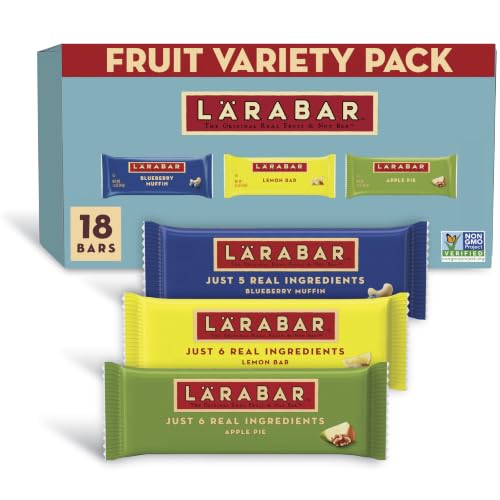
LARABAR Fruit & Nut Bars Variety Pack delivers lightweight, no-fuss fuel for hikers and travelers who prioritize simple, real-food ingredients. I rely on these bars because they’re made with just fruit, nuts, and spices-no artificial junk. The 18-count pack includes six each of Blueberry Muffin, Lemon Bar, and Apple Pie, all vegan, gluten free, and dairy free. Each 1.6 oz bar is individually wrapped, making them easy to stash in a pack. They’re not the most calorie-dense, but their clean ingredient list suits my needs when I want real food, not lab-made fillers.
Best For: Health-conscious hikers, travelers, and busy individuals seeking clean, plant-based snacks with simple, recognizable ingredients.
Pros:
- Made with 100% real fruits, nuts, and spices-no artificial sweeteners or preservatives
- Vegan, gluten free, dairy free, and suitable for multiple dietary needs
- Individually wrapped for convenience and portability in packs, lunchboxes, or pantries
Cons:
- Lower calorie density may not meet high-energy demands for intense activities
- Limited flavor variety in the pack despite multiple options
- Some may find the texture too chewy or dense due to minimal processing
Range Meal Bar – 6 Pack (Mint Chocolate Chip)

A 700-calorie bar with a caloric density of 123 calories per ounce makes the Range Meal Bar – 6 Pack (Mint Chocolate Chip) a solid choice for backpackers, climbers, and endurance athletes who need sustained energy without carrying extra weight. I rely on these when I need a full meal in bar form that won’t slow me down. They’re gluten-free and use whole grains and nut butters for protein, not fillers. The mint chocolate chip version tastes decent, though there’s a slight risk of trace dairy from shared facilities. Each bar lasts 15 months, fits in my pocket, and requires no prep-just unwrap and eat.
Best For: Backpackers, climbers, and endurance athletes needing a high-calorie, portable meal replacement with minimal prep and no water required.
Pros:
- Each bar provides 700 calories with a high caloric density of 123 calories per ounce, ideal for sustaining energy in demanding outdoor activities
- Made with whole grains and nut butters for protein, free from soy protein isolate and sweetened with honey or molasses
- Gluten-free certified, requires no preparation, and features minimal packaging perfect for ultralight backpacking and trail resupply challenges
Cons:
- Contains trace dairy risk in mint chocolate chip flavor due to shared facility processing, not suitable for those with severe dairy allergies
- Limited shelf life of 15 months, making it less ideal for long-term emergency food storage
- Mint chocolate chip flavor is decent but not exceptional, and caffeine content (from chocolate) may be a concern for sensitive individuals
Millennium Energy Bars Assorted Flavors Including Emergency Guide

When you need reliable, long-lasting fuel for extended trips or emergency preparedness, these Millennium Energy Bars stand out for anyone prioritizing shelf stability and caloric density. Each of the six vacuum-sealed bars packs over 400 calories and stays fresh for up to 5 years thanks to Mylar, BPA-free packaging that blocks moisture and air. I’ve used them on backpacking trips and kept them in my emergency kit, and they hold up well in heat, cold, and rough conditions. The fruity flavors-like Lemon, Cherry, and Tropical Fruit-are filling without making me thirsty. They’re non-perishable, ready to eat, and the included survival guide adds practical value without clutter.
Best For: Outdoor enthusiasts, emergency preppers, and families seeking long-lasting, high-calorie nutrition for survival kits or rugged adventures.
Pros:
- Each bar delivers over 400 calories and remains fresh for up to 5 years, ideal for long-term emergency storage
- Mylar vacuum-sealed, BPA-free packaging ensures durability against moisture, air, and physical damage
- Assorted fruity flavors are palatable, filling, and non-thirst inducing, suitable for adults and children
Cons:
- Limited flavor options beyond fruity varieties, which may not appeal to all taste preferences
- Texture may become dry or crumbly for some users after prolonged storage
- Higher price point compared to standard energy bars with shorter shelf life
Wild Zora Meat & Veggie Bars 5-Pack

I rely on Wild Zora Meat & Veggie Bars when I need lightweight, durable fuel that won’t quit on me in the backcountry, especially if I’m following a strict paleo or AIP diet. They’re made with real meat-pork, beef, turkey, or lamb-and contain no gluten, soy, or added sugars. Each bar packs high-quality protein from pasture-raised animals in the USA, with vegetables blended in for balanced nutrition. They stay good for 12 months unopened, need no refrigeration, and fit easily in my pack. I’ve eaten them on long hikes, cold mornings, and busy trail days. They’re not flashy, but they deliver what matters: real food that keeps me going.
Best For: Outdoor enthusiasts and individuals following paleo, AIP, or restricted diets who need a convenient, shelf-stable source of high-quality protein and whole-food nutrition.
Pros:
- Made with ethically sourced, pasture-raised meat from the USA with no added sugars, gluten, or soy
- Combines real meat and vegetables for balanced, nutrient-dense fuel that supports active lifestyles
- Shelf-stable for 12 months, requires no refrigeration, and is easy to pack for on-the-go consumption
Cons:
- Limited flavor variety compared to conventional snack bars
- Higher price point than many mass-market protein bars
- May not appeal to those who dislike the texture of dried meat and vegetable blends
LUNA Bar Variety Pack (12-Pack)

You’ll want the LUNA Bar Variety Pack if you need lightweight, nutritionally balanced snacks that won’t weigh you down on the trail. I carry these because they’re gluten-free, non-GMO, and kosher, with 7–9 grams of plant-based protein per bar. The 12-pack includes six flavors like Nutz Over Chocolate and LemonZest, all in individual wrappers that fit easily in my backpack. They don’t have high-fructose corn syrup, and the organic oats and soy protein keep me full without stomach trouble. For office hikes or real ones, they work-no fuss, no mess, just reliable fuel when I need it.
Best For: Active individuals seeking convenient, gluten-free, and non-GMO snack bars with plant-based protein for on-the-go nutrition.
Pros:
- Provides 7–9 grams of plant-based protein per bar to help manage hunger
- Gluten-free, non-GMO, and kosher-certified with no high-fructose corn syrup
- Individually wrapped and portable, ideal for outdoor adventures, travel, or office snacking
Cons:
- Contains soy protein, which may not suit those with soy allergies
- Limited flavor variety with only six options across 12 bars
- Some flavors include a creamy coating that may melt in high temperatures
Greenbelly Backpacking Meals (5-Pack, High Protein)

Greenbelly Backpacking Meals are ideal for hikers who want real food without the weight or hassle of cooking. I’ve used them on multi-day trails, and they save time-no stove, no cleanup. Each pouch has two bars, 650 calories, and over 5 oz of food, which beats three standard bars. They’re gluten-free, mostly vegan, and easy to digest, which helps on long hikes. The ingredients are all-natural, and the taste isn’t bland or dense like some survival bars. They’re handmade, ship fresh, and stay crisp in zip-seal packaging. The 5-pack offers variety, and the satisfaction guarantee gives peace of mind.
Best For: Hikers and outdoor enthusiasts seeking convenient, high-calorie, ready-to-eat meals with real food ingredients and no cooking or cleanup.
Pros:
- No cooking, no dishes, no cleanup-ideal for lightweight backpacking
- High in calories (650 per meal) and nutrition compared to standard energy bars
- Made with all-natural, gluten-free, mostly vegan ingredients and easy to digest
Cons:
- Higher price point compared to traditional dehydrated meals
- Limited variety in each 5-pack, which may not suit all taste preferences
- Not a full hot meal option, which some hikers may desire for comfort
EPIC Venison Sea Salt Pepper Bars (12 Count)

One of the best choices for backpackers needing lightweight, high-protein fuel is the EPIC Venison Sea Salt Pepper Bar, especially when sticking to low-carb or paleo diets. I rely on these bars because each 1.3 oz serving delivers 12g protein and just 1g of carbs, making them ideal for maintaining energy without spiking blood sugar. They’re gluten-free, Whole30 Approved, and made with 100% grass-fed venison-no fillers, just meat, sea salt, pepper, and natural spices. The 12-count pack weighs only 15.6 oz total, so they’re easy to carry. I’ve eaten them mid-hike and post-summit, and they taste clean, savory, and satisfying-no heavy digestion or crash.
Best For: Backpackers and outdoor adventurers seeking a lightweight, high-protein, low-carb snack that aligns with paleo, keto, and Whole30 dietary preferences.
Pros:
- High in protein (12g per bar) with only 1g of carbs, ideal for low-carb and keto diets
- Made with 100% grass-fed venison, gluten-free, and free of fillers or artificial ingredients
- Lightweight and portable (12 bars = 15.6 oz), perfect for on-the-go fuel during hikes or travel
Cons:
- Higher price point compared to conventional protein or energy bars
- Flavor and texture may be too gamey or dense for those unaccustomed to venison
- Limited macronutrient balance with minimal carbs, which may not suit endurance athletes needing quick energy
Factors to Consider When Choosing Backpacking Bars
You need bars with high calorie density to keep your pack light and your energy up. Consider nutritional balance, weight, shelf life, and any dietary restrictions to match your needs on the trail. These factors directly affect how well the bar performs when you’re counting every ounce and every calorie.
Calorie Density Matters
Most backpacking bars deliver at least 100 calories per ounce, but only the top performers exceed 120 calories per ounce, making them ideal for reducing pack weight without sacrificing energy intake. You’ll want that efficiency when every ounce counts on long trails. A single high-density bar can pack over 600 calories, giving you a compact way to meet the high energy demands of extended hikes. Since space and weight are limited, especially in ultralight setups, choosing bars above 100 calories per ounce helps you carry less while staying fueled. These bars let you maintain a caloric surplus even in rugged, energy-draining environments. You’re not just saving weight-you’re maximizing usable energy in minimal volume. It’s a practical trade-off: fewer bars, more fuel. When you’re counting every bite, that density adds up fast.
Nutritional Balance
While calorie count is essential, a backpacking bar’s real value lies in its overall nutritional balance, not just raw energy. You need 300–700 calories per bar to sustain prolonged activity, but those calories should work efficiently. Aim for at least 10–12 grams of protein to maintain muscle during long exertion. A 4:1 carb-to-protein ratio supports quick energy use and faster recovery. Don’t skip fiber-5–6 grams per bar keeps digestion steady, especially when trail meals lack whole foods. Include 5–10 grams of healthy fats for sustained fuel, which matters more in cold or high-altitude settings where energy demands rise. A balanced macronutrient profile prevents energy crashes and keeps you full longer. You’re not just eating to survive; you’re fueling performance. Pick bars that deliver real nutritional support, not just sugar and calories.
Weight And Portability
Balancing nutrition matters, but saving weight without sacrificing energy is where backpacking bars really prove their worth. You need bars that deliver over 120 calories per ounce-this high caloric density means fewer ounces for more fuel. Lightweight and compact, they slip into jacket or hipbelt pockets without adding bulk. No prep means no water, stove, or extra gear, which cuts total pack weight. Look for tear-resistant, moisture-proof wrappers-they survive heavy loads and wet trails without failing. Individually wrapped bars don’t stick together and let you eat one while saving the rest, no extra containers needed. Minimal packaging cuts waste and weight but still protects the bar. Every gram counts when you’re deep in the backcountry, so choose bars that balance protection, portability, and power without extra fuss.
Shelf Life Duration
A backpacking bar’s shelf life matters when you’re counting on reliable fuel months-or years-down the trail. You’ll find many bars last at least 12 months, which is standard for ready-to-eat meal replacements. Some stay fresh up to 5 years if vacuum-sealed and moisture-resistant-ideal for long-term storage. But high-calorie, whole-food bars with no artificial preservatives usually last only 9 to 15 months. They degrade faster because natural ingredients and lack of chemical additives reduce stability. Storage conditions also affect longevity: cool, dry places keep bars fresh longer, while heat and humidity speed spoilage. If you’re stocking up or leaving bars in a pack for months, pick those with longer expiry dates and sturdy packaging. You need dependable energy, so check labels, plan usage, and rotate stock to avoid degraded texture, off-flavors, or compromised nutrition when you need it most.
Dietary Restrictions
You need to check the label carefully if you have dietary restrictions, because many backpacking bars contain ingredients that can cause health issues or break your dietary protocol. If you’re gluten-sensitive, go for bars certified gluten-free-shared equipment can leave harmful traces. Vegans should confirm the bar skips honey, dairy, and egg whites, which often hide in protein blends. Staying in ketosis? Look for 1–5g of net carbs per bar; anything higher risks kicking you out of fat-burning mode. Nut allergies mean avoiding not just nuts but facilities that process them-“may contain” warnings are serious. Soy-free? Check that protein comes from nuts, seeds, or meat, since soy isolate is common in plant-based options. Each restriction cuts your choices, but strict label reading keeps you safe. Don’t assume-verify every ingredient.
Taste And Palatability
Flavor matters when you’re miles from the trailhead and facing another bar from your pack. You need taste and palatability to stay motivated to eat, especially when calorie intake directly impacts energy and morale. Bars that balance sweetness, acidity, and subtle savory notes hold up over days of repeated eating. You’ll avoid flavor fatigue more effectively than with overly sweet or one-dimensional options. Texture matters just as much-choose chewy bars that aren’t gummy or hard to bite, particularly in cold weather when some bars turn brittle or waxy. Some include caffeine to sharpen alertness during long stretches, adding functional variety. Check how ingredients react to temperature: chocolate can turn gritty, nut butters may separate. A bar that tastes good at home might disappoint on the trail. Pick one that performs in real conditions, not just on the shelf.
Frequently Asked Questions
Can These Bars Be Eaten During High-Altitude Hikes?
Yes, you can eat these bars during high-altitude hikes. They digest easily and deliver quick calories, which helps maintain energy in thin air. Their compact size saves pack space, and most tolerate cold temps without cracking. Some contain caffeine or fiber, which might upset sensitive stomachs at elevation. You’ll want to test them on shorter climbs first. Stick to bars with simple sugars and minimal additives-they perform best when oxygen’s low and your body’s under stress.
Are Any of These Bars Suitable for Kids?
Yes, some of these bars are suitable for kids. You’ll want to check sugar content and ingredient simplicity-many brands offer lower-sugar, nut-free, or allergen-safe versions that work well for children. Bars with straightforward nutrition labels and recognizable ingredients perform better for young eaters. Avoid those with excessive caffeine or artificial additives. Test a bar at home first to guarantee tolerance and preference before bringing it on hikes.
Do These Bars Require Refrigeration Before Opening?
You don’t need to refrigerate these bars before opening-they’re designed to stay stable at room temperature. Their shelf life ranges from 6 to 12 months depending on ingredients, with no cold chain required. Most use low-moisture formulations and preservatives like tocopherols to prevent spoilage. Heat exposure may soften or melt chocolate coatings, but won’t make them unsafe. Store them in a cool, dry place to maintain texture and avoid sticking.
How Long Do These Bars Last After Opening?
You can keep the bar out for up to two days after opening without spoilage, assuming it’s in a cool, dry pack. Exposing it to heat or moisture cuts that time down fast. You’ll notice texture changes-stickiness or hardening-before actual spoilage. These aren’t sealed like medical gear, so your handling affects shelf life. No need to rush, but don’t leave it unpacked overnight.
Are These Bars Safe for Nut Allergies?
No, these bars aren’t safe for nut allergies. They’re made in facilities that handle tree nuts and peanuts, so cross-contamination is possible. You should avoid them if you have a severe allergy. Always check the label-even if a bar doesn’t list nuts, shared equipment means traces could be present. Read ingredient and allergen statements on every batch, since formulations can change. Your safety depends on current info, not past experience.