Best Backpacking Sleeping Pads for Side Sleepers Who Need Comfort
You need at least 3 inches of thickness for hip and shoulder support, and models like the Gear Doctors Ether Ultralight deliver 3.35-inch edges with a stable U-shaped design that prevents rolling. It inflates in under 90 seconds and weighs just 17.5 oz. For colder trips, the TREKOLOGY UL R7 offers R-value 7.2 and 4-inch thickness. Lighter options like the ApolloAir 5.2 save weight but support only up to 250 lbs. Trade-offs in durability, warmth, and packed size become clear when comparing materials, R-values, and real-world load limits. More details on how each model handles long-term use and extreme conditions follow.
We are supported by our audience. When you purchase through links on our site, we may earn an affiliate commission, at no extra cost for you. Learn more. Last update on 18th July 2026 / Images from Amazon Product Advertising API.
Notable Insights
- Side sleepers need at least 3–4 inches of thickness for proper hip and shoulder cushioning to prevent pressure points.
- Look for pads with R-values of 4.3 or higher to ensure warmth when insulation is compressed at key contact points.
- A width of 24 inches or more allows comfortable movement and position shifts during sleep.
- U- or V-shaped designs and contoured edges enhance spinal alignment and reduce rolling off the pad.
- Medium firmness with dual chambers or foam-air hybrids offers support without bottoming out on rough terrain.
Gear Doctors Ether Ultralight Camping Sleeping Pad

If you’re a side sleeper who values space and stability without the bulk, the Gear Doctors Ether Ultralight Camping Sleeping Pad delivers with its U-shaped ErgoCushion design-it keeps me cradled through the night, preventing rolls that disrupt sleep. At 17.5 oz and packing to the size of a water bottle, it’s light and compact enough to stash in any backpack. I inflate it in under 90 seconds using the included foot pump; no batteries needed. The 20D nylon with TPU coating resists abrasion and moisture, and the repair kit handles field fixes. It supports up to 440 lb, though the listed capacity is 350 lb. At 3.35” thick on the edges, it offers medium firmness and decent insulation with an R-value of 2-fine for spring and summer, but not for cold weather. The lifetime warranty means I won’t need to replace it unless I wreck it beyond repair.
Best For: Side and back sleepers seeking a lightweight, stable, and compact sleeping pad for warm-weather backpacking and camping.
Pros:
- Ultralight at 17.5 oz and packs down to the size of a water bottle for easy transport
- ErgoCushion U-shape design provides excellent stability and support, reducing nighttime rolls
- Inflates in under 90 seconds with included foot pump and features a reliable anti-leak valve system
Cons:
- R-value of 2 limits use to spring and summer; not suitable for cold or winter conditions
- 20D nylon, while durable, may be prone to punctures on very rough terrain
- Discrepancy between tested support (440 lb) and listed capacity (350 lb) may cause confusion
Camping Sleeping Pad with Built-in Pump

I rely on a camping sleeping pad with a built-in pump when I need fast, consistent inflation without the hassle of external gear-especially on multi-day hikes where every second and ounce counts. The 4-inch V-Shape support cushions my hips and shoulders evenly, critical for side sleepers on hard ground. A foot-activated pump inflates it in 30 seconds; the no-leak valve holds air for 24+ hours. At 1.9 lbs and 9.4 x 4.3 inches, it packs small and weighs less than most water bottles. Durable 40D nylon shrugs off rocks and gravel. The contoured pillow aligns my neck without bulk.
Best For: Backpackers, side sleepers, and outdoor enthusiasts who need a lightweight, fast-inflating sleeping pad with excellent support and durability for multi-day trips or rugged terrain.
Pros:
- Built-in foot pump inflates the pad in 30 seconds, eliminating the need for bulky external pumps
- 4-inch V-Shape support system and contoured pillow provide superior comfort and spinal alignment, especially for side sleepers
- Ultra-lightweight at 1.9 lbs and packs down to 9.4 x 4.3 inches, making it ideal for weight-conscious backpackers
Cons:
- Higher price point compared to basic sleeping pads without built-in pumps
- Limited color or size options may restrict personal preference choices
- While durable, 40D nylon may still be vulnerable to sharp objects if used without a groundsheet on extremely abrasive terrain
ZOOOBELIVES Inflatable Camping Sleeping Pad (Airlive2000)

The ZOOOBELIVES Airlive2000 stands out for side sleepers who need consistent support and pressure relief without the bulk. I’ve used it on rocky terrain, and the 4-inch thickness keeps my hips and shoulders elevated, preventing bottoming out. The full-air chamber design offers edge-to-edge stability, while the built-in foot pump inflates it fast-no batteries or breath needed. Dual valves let me adjust firmness and deflate quickly, and I’ve noticed almost no air loss overnight. It’s made from durable polyester pongee, supports up to 800 pounds, and stays quiet. At 3.08 pounds and packable into a small sack, it’s easy to carry. I can link multiple pads if needed, and cleanup is just a wipe with a damp cloth.
Best For: Side sleepers seeking a lightweight, durable, and supportive inflatable camping pad that performs well on uneven terrain.
Pros:
- 4-inch thick full-air chamber design provides excellent support and prevents bottoming out, especially for side sleepers
- Built-in foot pump allows for quick, effortless inflation without batteries or breath
- Durable 800-pound weight capacity, quiet material, and dual valves for firmness control and fast deflation
Cons:
- Slightly heavier than ultralight backpacking pads, which may matter for long-distance hikers
- Requires careful handling to avoid punctures despite durable construction
- No built-in pillow or textured surface for added comfort or grip
Gear Doctors Oxylus 4.3R Self-Inflating Sleeping Pad
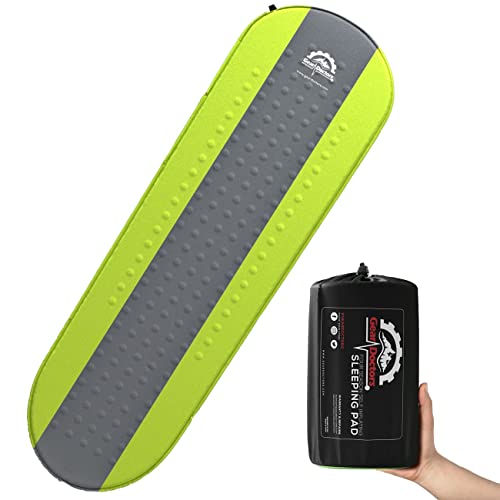
You want a sleeping pad that keeps its warmth and comfort when you’re side sleeping on uneven ground, and the Gear Doctors Oxylus 4.3R delivers with a 4.3 R-value and a 1.5-inch air-foam hybrid core. It insulates well in cold conditions and supports up to 250 pounds. At 35.2 oz, it’s heavier than some inflatables but packs down to 8×12 inches and fits in most backpacks. It self-inflates in under five minutes, and I can adjust firmness with a few breaths. The 75D polyester shell resists abrasion and weather, and it works on snow, rock, or sand. A repair patch and lifetime guarantee back it. It’s simple, reliable, and ready for real use.
Best For: Backpackers and campers seeking a durable, warm, and reliable self-inflating pad for use in cold conditions and on diverse terrain.
Pros:
- High 4.3 R-value provides excellent insulation for cold-weather camping on snow or frozen ground
- Air-foam hybrid core offers stable, comfortable support ideal for side sleepers and uneven surfaces
- Durable 75D polyester shell resists abrasion, UV, and moisture, backed by a lifetime replacement guarantee
Cons:
- At 35.2 oz, it’s heavier than some ultralight inflatable alternatives
- 1.5-inch thickness provides less cushioning compared to thicker air pads
- Self-inflation may take longer or be less effective in very cold temperatures
Ultralight Inflatable Sleeping Pad with Pillow
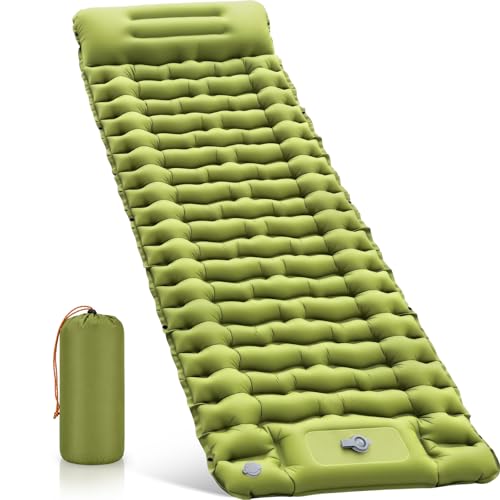
Relying on a wave-shaped air chamber and memory foam layering, this pad consistently delivers targeted support ideal for side sleepers facing uneven ground. I’ve used it on rocky slopes and forest floors, and the 40D nylon with TPU coating held up without punctures. At 1.5 lbs and packable to 10 x 6 inches, it’s light and compact enough for serious backpacking. The built-in foot pump inflates it in 50 seconds-no breath needed-and deflation takes just a second. The integrated pillow reduces neck strain, and the firm, 2.5-inch thickness prevents bottoming out. Two pads snap together seamlessly for couples.
Best For: Backpackers, hikers, and outdoor adventurers seeking a lightweight, durable sleeping pad with built-in pillow support for rugged terrain.
Pros:
- Ultralight at 1.5 lbs and packs down to 10 x 6 inches, ideal for backcountry trips
- Built-in foot pump allows inflation in 50 seconds without manual blowing
- Wave-shaped air chambers and memory foam provide firm, adaptive support on uneven ground
Cons:
- Limited color options available (only green)
- At 2.5 inches thick, may be too firm for side sleepers preferring plush cushioning
- No built-in insulation rating specified, limiting cold-weather use clarity
Therm-a-Rest Z Lite Original Camping and Backpacking Sleeping Pad
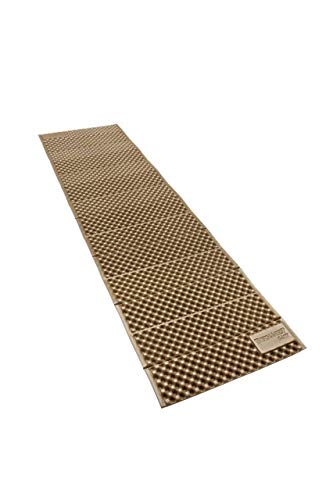
If you’re a side sleeper who values minimal weight and maximum reliability on long hikes, the Therm-a-Rest Z Lite Original delivers where it counts. At 14 ounces, it’s light but tough, thanks to its closed-cell foam construction. The 0.75-inch thickness offers modest cushioning, and the dimpled surface boosts insulation with an R-value of 1.7-enough for three-season use. It packs small, won’t puncture, and I’ve used it for years without failure. Yes, it’s less plush than inflatables, but it’s nearly indestructible. There’s no air to lose, no leaks to patch. It’s simple, effective, and made in the USA. For long trips where gear must earn its weight, this pad does.
Best For: Side sleepers and backpackers who prioritize lightweight, durable, and reliable sleep solutions for multi-day hikes and three-season adventures.
Pros:
- Extremely lightweight at just 14 ounces and highly packable
- Durable closed-cell foam construction with no risk of punctures or air loss
- Good thermal efficiency with an R-value of 1.7 for its weight and size
Cons:
- Less cushioning compared to inflatable sleeping pads
- Can feel firm, especially on rocky or uneven terrain
- Bulkier to carry than compressed inflatable pads when folded
TREKOLOGY Ultra-Lightweight Camping Sleeping Pad (UL R7)

The TREKOLOGY UL R7 stands out for side sleepers who prioritize insulation and packability without sacrificing comfort. I’ve used it in temperatures ranging from 20°F to 70°F, and its SGS-certified R-value of 7.2 kept me warm without overheating. At 1.98 pounds and packing to water-bottle size, it’s light and compact enough for long hikes. The 4-inch thickness prevents bottoming out on rocky ground, and the 24-inch width gives me room to shift positions. The 40D ripstop nylon handles abrasion well, and the anti-leak valve works reliably. It supports up to 330 lbs and inflates quickly-no fuss, no failures.
Best For: Adventurers and side sleepers seeking a lightweight, highly insulating sleeping pad for year-round backpacking and camping.
Pros:
- SGS-certified R-value of 7.2 ensures excellent thermal insulation for cold-weather use
- Ultra-lightweight at 1.98 lbs and packs down to water-bottle size for easy portability
- 4-inch thickness and 24-inch width provide superior comfort and support on rugged terrain
Cons:
- Limited color options may not appeal to all users
- Higher price point compared to lower R-value pads
- Hand wash only, requiring careful maintenance after extended use
Sleeping Pad for Camping with Pillow

What makes a sleeping pad truly work for side sleepers who also want pillow support? I need something that aligns my spine without sacrificing packability. This 4-inch inflatable pad has a built-in ergonomic pillow, which keeps my head and neck level when I’m on my side. The medium firmness supports my hips without bottoming out. I inflate it in 60 seconds using the foot pump-no lung power needed-and it deflates fast with a single flip of the valve. At 1.8 pounds and packing down to 11 x 4.7 inches, it’s light and compact. The 70D TPU-coated fabric resists tears and moisture, and the snap connectors let me link two together. It’s practical, durable, and versatile for backpacking, car camping, or emergencies.
Best For: Side sleepers seeking a lightweight, packable camping pad with built-in pillow support and spine alignment for backpacking, car camping, or emergency use.
Pros:
- 4-inch thickness and medium firmness provide excellent support for side sleepers without bottoming out
- Built-in ergonomic pillow and dual-sided design promote proper head, neck, and spine alignment
- Ultra-portable at 1.8 lbs and packs down to 11 x 4.7 inches with a foot pump for quick 60-second inflation
Cons:
- Inflatable design may not suit those who prefer self-inflating or foam pads
- Single pad may feel narrow for some side sleepers despite modular snap connectors
- TPU coating, while durable, may retain some warmth in hot weather
Gear Doctors ApolloAir 5.2 Inflatable Sleeping Pad

Though I prioritize comfort as a side sleeper, I won’t sacrifice pack size or weight, which is why the Gear Doctors ApolloAir 5.2 stands out-it packs down to just 8.5 in × 3 in and weighs only 1.06 pounds, making it one of the lightest full-size inflatable pads that still delivers 3.2 inches of thickness for hip and shoulder support. It inflates in under 90 seconds using the included Pump Sack, which doubles as a dry bag. With an R-value of 5.2, it’s reliable in all seasons. The 40D nylon is durable, and the pad supports up to 250 pounds. Repairs are manageable in the field, and it’s backed by a warranty.
Best For: Backpackers and lightweight campers who need a compact, high-R-value sleeping pad that balances comfort, durability, and portability for all-season use.
Pros:
- Exceptionally lightweight (1.06 lbs) and packable (8.5 in × 3 in), ideal for ultralight backpacking
- High R-value of 5.2 ensures reliable thermal insulation in cold, four-season conditions
- Durable 40D Hexagon Shield nylon and field-repairable design enhance longevity and peace of mind
Cons:
- Requires manual inflation with included Pump Sack; not self-inflating, which can be inconvenient
- No built-in pillow or pad attachment system for sleeping bag integration
- Hand wash only, limiting ease of cleaning after extended use
Ultralight Inflatable Sleeping Pad for Camping

When side sleepers need serious cushioning without the weight, this ultralight inflatable sleeping pad delivers-measuring 70.9 × 23.6 inches and 3.9 inches thick, it gives enough loft to keep hips supported and pressure points relieved. At 1.98 pounds, it’s packable but tough, made from double ripstop nylon with TPU lamination. The R-value of 7.2 means it handles winter conditions well, down to -22°F. I find the included pump sack makes inflation fast, and the high-volume valve lets me fine-tune firmness. It works on snow, rocky ground, or sleep cots. The repair kit and durable build mean it holds up over time.
Best For: Side sleepers and backpackers seeking a lightweight, highly insulated sleeping pad for cold-weather adventures and rugged terrain.
Pros:
- Exceptional R-value of 7.2 for reliable warmth in temperatures as low as -22°F (-30°C)
- Ultralight at 1.98 lbs yet durable, with double ripstop nylon and TPU lamination for puncture resistance
- Quick inflation and fine-tuned firmness control with high-volume valve and included pump sack
Cons:
- Pricier than many competitive sleeping pads due to high-performance materials and insulation
- Slightly bulkier packed size compared to other ultralight options, at 74.8L x 25.59W x 4.33Th
- Hand-washing only, which may be inconvenient for frequent users or extended trips
Factors to Consider When Choosing a Backpacking Sleeping Pad for Side Sleepers
You need a sleeping pad that handles your side-sleeping pressure points without adding bulk to your pack. Look for at least a 3.5 R-value to stay warm on cold ground, and choose thicker pads-around 3 inches-since they cushion your hips and shoulders better. Inflatable pads are lighter and more compact than foam, but consider how easy it is to blow them up and whether the weight savings are worth the setup time.
R Value Importance
Thermal efficiency starts with R-value, the definitive measure of a sleeping pad’s ability to resist heat loss to the ground. You need at least an R-value of 5.2 for winter or snow camping, as it blocks cold effectively and maintains warmth when lying directly on frozen surfaces. Pads below R-3 lose too much heat for side sleepers, especially since your body weight compresses insulation at key contact points, reducing performance. For three-season use in warm conditions, R-1.7 to 2 is enough, but don’t expect it to keep you warm if temperatures drop. Four-season adventurers should stick with R-5 or higher-it’s critical for staying warm on snow. The ASTM F3340 standard guarantees R-values are measured consistently, so you can compare brands reliably. Choosing the right R-value isn’t about preference-it’s about matching insulation to conditions so you stay warm, dry, and safe.
Pad Thickness Benefits
Aim for at least 3 inches of thickness when choosing a sleeping pad as a side sleeper-less than that and you’ll feel every rock and root beneath you, especially on hard or uneven terrain. This minimum thickness cushions your hips and shoulders, reducing pressure points that disrupt sleep. If you’re camping in cold conditions, go for 4 inches or more; the extra layer boosts insulation by trapping more heat, especially when paired with high-R-value materials. Thicker pads also resist bottoming out, even after days on rugged ground. Models with contoured or tapered edges keep weight down while maintaining full thickness where you need it most-under your core and sides. Yes, increased thickness usually means a bulkier pack size, but the trade-off in comfort and warmth is worth it if you sleep on your side. Choose thickness based on where and how you camp, not just weight savings.
Inflation Ease Matters
Though manual inflation might seem simple, it’s a hassle after a long day on the trail-especially when you’re tired and camp setup feels like the last mile. You want a pad that inflates in under 90 seconds, and models with a built-in foot pump or pump sack make that possible without breath or batteries. Look for a high-volume valve-it speeds up air intake and often includes micro-adjustment so you can fine-tune firmness. A reliable anti-leak valve keeps pressure steady all night, meaning less top-off in the morning. Some pads self-inflate in a few minutes, saving effort, though they’ll likely need a few breaths to firm up. Integrated pumps or detachable foot pumps outperform mouth inflation every time-no moisture, no strain. These designs work consistently, even in cold or remote spots. Choose one that balances speed, control, and reliability so you spend less time pumping and more time resting.
Weight And Pack Size
You want a sleeping pad that won’t weigh you down or take up half your pack, especially after you’ve already dealt with the hassle of inflation at the end of a long day. Lightweight pads typically weigh 14 to 20 ounces, which helps keep your load manageable on long trips. When packed, most compress to 8 to 10 inches long and 3 to 5 inches wide, fitting easily in a side pocket or the bottom of your main compartment. Ultralight inflatables use thin 20D to 40D nylon to cut weight without sacrificing durability. Self-inflating models tend to be bulkier-around 12 x 5 inches or more-because of their foam cores. Rolling tightly from the foot end reduces packed size and makes storage easier. You’ll trade some compactness with self-inflating designs, but inflatables give you smaller packed volume and lighter weight, which matters when every ounce counts.
Support For Pressure Points
Since side sleepers carry most of their body weight on the hips and shoulders, a sleeping pad that’s too thin or soft will bottom out on uneven terrain, leaving you with sore pressure points by morning. You need at least 3 inches of thickness, but 3.5 inches or more is better for consistent support. Pads with an R-value of 4 or higher add cushioning and insulation, which helps reduce pressure on bony areas when the ground is cold and uneven. Firm air pads with horizontal or wave-shaped chambers distribute your weight evenly, so you won’t sink too deeply or feel every rock. The pad should resist compression under your body weight while allowing slight contouring to keep your spine aligned. Minimal sagging is key-too soft and you’ll lose support; too firm and pressure builds. A well-balanced design keeps hips and shoulders cradled all night.
Material Durability Factors
A good night’s sleep starts with support, but even the most supportive pad won’t last if it can’t handle the grind of rocky ground and packed trails. You need materials that resist punctures and abrasions, so look for 40D nylon or higher-70D or above if you’re tackling sharp or uneven terrain. Ripstop nylon helps by stopping small tears from spreading, which keeps your pad intact over time. TPU coatings aren’t just waterproof; they boost tear resistance, especially in wet or rugged conditions. Seams matter just as much: reinforced stitching and high-frequency welded joints hold up better under pressure and reduce air leaks. These features work together to extend your pad’s life, especially when you’re side sleeping and putting consistent stress on the same areas night after night. Skip the flimsy builds-if durability’s a goal, specs like denier count and seam construction make or break performance.
Sleep Surface Shape
The best sleeping pads for side sleepers feature a contoured U-shape that adds cushioning at the hips and shoulders, keeping the spine aligned and reducing pressure on bony prominences. You’ll want tapered thickness-thicker edges with a slightly thinner center-to support your hips and shoulders while preventing bottoming out on uneven ground. V-shaped or ergonomic designs distribute your weight more evenly, cutting down on pressure points during long nights on hard terrain. Full-height air chambers or continuous sidewalls keep you stable, so you won’t roll off the pad as you shift in your sleep. Some models include dedicated hip and shoulder zones with denser air or refined chamber layouts that match your body’s pressure points. These features work together to deliver consistent support without adding bulk. While they may weigh a bit more, the trade-off is better comfort and alignment, which matters most when you’re sleeping on your side for hours in the backcountry.
Thermal Insulation Performance
You need more than just cushioning to stay comfortable on cold nights-the right thermal insulation makes or breaks your sleep. R-value measures how well your pad resists heat loss, and you’ll want at least 5.0 for cold weather or four-season use. Pads below 2.0 are fine only for summer. Higher R-values mean less heat escapes to the ground, which matters most when you’re lying still for hours. Side sleepers often feel colder because of increased surface contact, so insulation performance is critical. Look for models with insulated air chambers or heat-reflective layers-they boost effective R-value without added bulk. All reputable brands now use ASTM F3340 to rate R-values, so comparisons are accurate across brands. Don’t guess-check the number. A warm pad won’t help if its R-value doesn’t match your conditions. Match the rating to your trip’s lowest expected temperature.
Frequently Asked Questions
How Do I Repair a Punctured Sleeping Pad?
You patch a punctured sleeping pad by first finding the leak-submerge it in water and look for bubbles. Dry the area, then clean it with alcohol. Use a repair kit with glue and patches designed for your pad’s material. Apply adhesive, let it get tacky, then press the patch firmly. Avoid over-inflating until it cures. Most fixes hold well, but heavy use might require a second patch or replacement.
Can I Use a Sleeping Pad in Winter?
Yes, you can use a sleeping pad in winter, but only if it’s rated for cold conditions. You need an R-value of at least 4.0 to prevent heat loss to the ground. Inconsistent insulation leads to overnight discomfort and energy drain. Pair a high-R-value pad with a quality sleeping bag for best results. Inflatable and closed-cell foam pads work, but inflatables offer better insulation and comfort if you’re willing to manage puncture risks.
Are Inflatable Pads Noisy When Moving?
Yes, inflatable pads can be noisy when you move. The materials often crinkle or squeak under pressure, especially lightweight models with thin films. You’ll notice it more in quiet conditions or tight tents. Some brands use quieter fabrics, but they usually trade off weight or durability. If noise bothers you, test the pad before committing. Rolling or shifting slowly reduces sound. It’s not dangerous-just distracting. Choose quieter models if stealth or comfort matters on your trips.
Do Self-Inflating Pads Work at High Altitudes?
Yes, self-inflating pads work at high altitudes, but they won’t fully inflate on their own. The lower air pressure means the pad draws in less air, so you’ll need to top it off by mouth or with a pump. Once inflated, it holds pressure fine. Don’t rely on passive inflation alone above 8,000 feet. Expect to do extra work to reach ideal firmness. It’s a trade-off: convenience at lower elevations, manual effort up high.
How Should I Clean My Sleeping Pad?
You clean your sleeping pad with mild soap and lukewarm water, scrubbing gently with a sponge. Rinse thoroughly, then dry it completely before storing-trapped moisture leads to mold. Never use harsh chemicals or machine wash it; they damage the fabric and insulation. For stubborn spots, spot-clean with diluted vinegar. Regular cleaning preserves the pad’s R-value and extends lifespan. Always check the manufacturer’s instructions-some materials, like down or TPU films, need special care.