Best Bow Saws: Bahco, Truper 30255 & More Compared
You’ll get clean, low-effort cuts with the Bahco 30″ Ergo Handle Bow Saw for green wood or the Truper 30255 with its 21″ high-carbon blade and cam-lever tension. These models combine sharp, optimized tooth patterns with rigid frames that reduce wobble. For dry wood, the Bahco 10-30-51’s 54-teeth blade delivers smooth results. Lighter options like the Hultafors 12″ work for small jobs but lack power. Each balances blade design, frame stability, and grip comfort to match the task. More details on performance in real field use follow.
We are supported by our audience. When you purchase through links on our site, we may earn an affiliate commission, at no extra cost for you. Learn more. Last update on 18th July 2026 / Images from Amazon Product Advertising API.
Notable Insights
- High-tension steel frames ensure blade stability for straight, clean cuts with minimal effort.
- Low-TPI blades (14–18 teeth per inch) excel in green wood by reducing clogging and improving debris ejection.
- Cam-lever tension systems maintain optimal blade tightness for consistent, effortless cutting performance.
- Ergonomic handles with non-slip grips reduce fatigue and enhance control during extended use.
- Rust-resistant enamel coatings and alloy steel blades increase durability and maintain cutting efficiency over time.
Woodland Tools 24″ Bow Saw

If you’re tackling thick limbs or felling small trees in the backcountry, the Woodland Tools 24″ Bow Saw stands out as a reliable choice for clean, efficient cuts. I’ve used it to cut firewood and clear brush, and the hardened steel blade handles green and dry wood without bending. The heavy-duty frame stays stable under pressure, reducing wobble. I appreciate the tension lever-it keeps the blade tight with minimal effort. The non-slip grip cuts hand fatigue, even after repeated use. It’s not the lightest saw, but the durability and control make it a solid trade-off for serious outdoor work.
Best For: Outdoor enthusiasts and property owners who need a durable, high-performance bow saw for heavy-duty pruning, firewood cutting, and brush clearing.
Pros:
- Heavy-duty frame and hardened steel blade ensure long-lasting performance and clean cuts in both green and dry wood
- Integrated tension lever allows for quick and easy blade adjustment, maintaining optimal cutting efficiency
- Non-slip comfort grip reduces hand fatigue and enhances control during extended use
Cons:
- Heavier than some comparable bow saws, which may reduce convenience for lightweight backpacking
- Blade replacement may require specific tools or parts not always readily available
- 24-inch size may be less maneuverable in tight or confined spaces
Truper 30255 / AJT-21 – 21″ Bow Saw Tubular Steel Frame
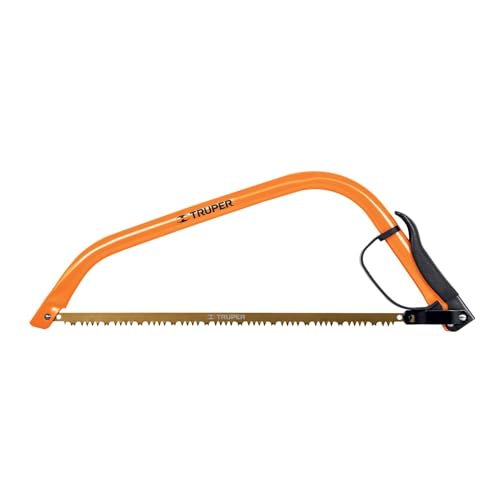
I rely on the Truper 30255 / AJT-21 when I need a dependable 21-inch bow saw for clean, efficient cuts through thick branches, and its 294 teeth deliver fine results across wood surfaces. The high carbon steel blade holds an edge well and resists bending, even under pressure. I appreciate the cam-lever tension system-it keeps the blade tight without tools. The tubular steel frame is lightweight at just over 1.3 pounds, yet sturdy enough for repeated use. Thermoplastic elastomer handles give a secure grip, even with wet hands. I use it regularly in my garden, and after each job, I clean and oil it-it stays reliable season after season.
Best For: Gardeners and outdoor enthusiasts who need a reliable, easy-to-use bow saw for cutting thick branches with precision and durability.
Pros:
- Cam-lever tension system ensures consistent blade tightness without requiring tools
- High carbon steel blade with 294 teeth provides clean, efficient cuts and resists bending
- Lightweight tubular steel frame and ergonomic thermoplastic elastomer handles offer comfort and secure grip, even when wet
Cons:
- Blade may require frequent cleaning and oiling to maintain peak performance
- No protective sheath included for blade storage or transport
- Limited versatility for materials other than wood due to specialized tooth design
30″ Ergo? Handle Bow Saw Frame and Blade For Green Wood

The BAHCO 30-inch Ergo handle bow saw is best suited for homeowners, campers, and outdoor workers who need a lightweight, durable tool for cutting green wood with consistent performance. I’ve used it on fresh-cut branches and sap-heavy logs, and the 18-teeth blade stays sharp and resists clogging. The high-tension frame keeps the 30-inch blade straight, delivering clean cuts with minimal effort. Its orange steel frame is light but tough, and the beechwood handle fits securely in gloved hands. The knuckle guard adds safety without bulk. It weighs under 2 pounds, so I carry it on hikes without strain. No batteries, no hassle-just reliable, manual cutting in real-world conditions.
Best For: Homeowners, campers, and outdoor workers needing a lightweight, durable bow saw for cutting green wood with reliable manual performance.
Pros:
- High-tension 30-inch blade with 18 teeth delivers clean, straight cuts in green and dry wood without clogging
- Lightweight design (under 2 lbs) with ergonomic beechwood handle and knuckle guard ensures comfort and safety during extended use
- Durable orange steel frame with rust-resistant enamel coating built to withstand tough environments like farms and construction sites
Cons:
- Limited to manual operation, which may require more effort for thick or dense wood compared to powered tools
- Single blade configuration means no immediate option for different cutting profiles without replacement
- Not ideal for precision cutting tasks due to the aggressive tooth pattern optimized for green wood
Bahco 10-30-51 30-Inch Ergo Bow Saw for Dry Wood and Lumber, Gray

A 30-inch blade with 54 teeth gives this Bahco saw the aggressive bite I need for clean, fast cuts in dry wood and lumber, making it my go-to for jobs where precision and durability matter on the jobsite. The steel frame holds high tension, so the blade stays straight under pressure. I appreciate the ergonomic handle-it fits well in my grip and has a knuckle guard that keeps my hands safer. It’s lightweight at under 2 pounds, but the build feels tough. The enamel coating resists rust, and the double-cut teeth handle dry wood efficiently. It’s manual, simple, and reliable-no batteries, no fuss.
Best For: Professionals and DIYers who need a durable, high-performance bow saw for clean, efficient cuts in dry wood and lumber on the jobsite.
Pros:
- Aggressive 54-tooth blade with double-cut design ensures fast, precise cuts in dry wood
- Ergonomic handle with knuckle guard enhances comfort and safety during extended use
- High-tension steel frame and rust-resistant enamel coating provide long-lasting durability
Cons:
- Manual operation limits cutting speed compared to power tools
- Limited to dry wood applications, not ideal for green or wet lumber
- Replacement blades may be less readily available than for more common saws
Truper 30261 Steel Handle Bow Saw, 30-Inch Blade

Need a bow saw that handles thick branches without bogging down? I’ve used the Truper 30261, and its 30-inch blade cuts through dense limbs cleanly. The steel frame stays rigid, and the cam-lever tension system keeps the blade tight, which improves accuracy and reduces flex. It’s built for heavy-duty outdoor work, so it’s a solid pick if you’re clearing overgrown areas or maintaining trees. I clean it after each use and apply light oil-it keeps the saw running well. It’s not flashy, but it’s dependable. Store it in your garage or shed; it holds up season after season.
Best For: Gardeners and outdoor workers who need a durable, heavy-duty bow saw for cutting thick branches and managing overgrown vegetation.
Pros:
- 30-inch blade with cam-lever tension system ensures clean, accurate cuts through dense limbs
- Steel handle and rigid frame provide durability and reduce blade flex during heavy use
- Easy maintenance routine-cleaning and oiling after use extend the tool’s lifespan
Cons:
- Heavier than smaller handsaws, which may cause fatigue during extended use
- Large 30-inch size may be cumbersome in tight or confined cutting spaces
- Blade may require frequent sharpening when used on very tough or dirty wood
Tool Essentials 12″ Bow Saw
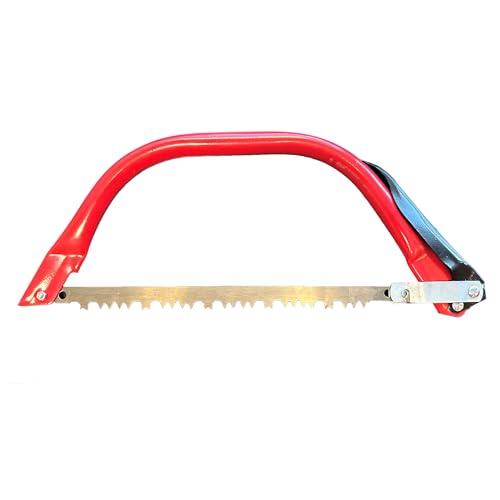
You’ll find the Tool Essentials 12″ Bow Saw fits best if you’re tackling small-scale yard work or light woodcutting without reliance on power tools. I use it for pruning branches and cutting small logs, and it holds up well. The 12-inch steel blade delivers clean cuts, and the tubular frame adds durability without weight-this one’s just 8.5 ounces. Its quick-release mechanism lets me swap blades fast, and the ergonomic handle reduces hand fatigue. It’s not for heavy timber, but that’s not its job. At 4.4 stars from users and ranking #451 in Handsaws, it proves reliable for basic tasks. I’d buy it again for portability and simplicity.
Best For: Homeowners and DIY enthusiasts needing a lightweight, manual saw for small yard projects and light woodcutting tasks.
Pros:
- Durable tubular steel frame with a 12-inch blade delivers reliable, clean cuts
- Quick-release blade mechanism and ergonomic handle enhance usability and comfort
- Lightweight (8.5 oz) and portable, ideal for easy storage and transport
Cons:
- Not suitable for heavy-duty or large timber cutting
- Plastic handle may feel less robust compared to full metal or rubberized grips
- Limited availability of blade replacements outside the manufacturer ecosystem
24″ Ergo? Handle Bow Saw Frame and Blade For Green Wood
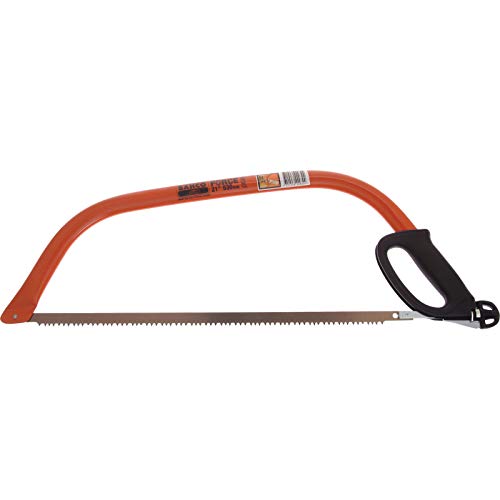
Who needs a reliable bow saw for cutting green wood without fuss? I do, and that’s why I use the 24″ Ergo? Handle Bow Saw. It’s built for green wood, with a raker tooth blade that cuts efficiently through wet, fibrous branches. The lightweight steel frame resists rust thanks to its orange enamel coating, and the tensioning mechanism keeps the blade taut for straight cuts. I appreciate the ergonomic handle-it shields my knuckles and reduces fatigue. The blade installs securely and stays put, even during heavy use. It’s not flashy, but it’s solid, practical, and gets the job done without drama.
Best For: Individuals who need a durable, efficient bow saw for cutting green wood with minimal effort and maximum reliability.
Pros:
- Efficient raker tooth blade designed specifically for smooth cutting through wet, fibrous green wood
- Lightweight steel frame with rust-resistant orange enamel coating ensures long-term durability
- Ergonomic handle with knuckle protector enhances comfort and safety during extended use
Cons:
- Blade may require frequent sharpening when used on thick or dirty branches
- 24-inch size may limit use on larger logs compared to bigger saws
- Tensioning mechanism, while effective, can be tricky to adjust for beginners
Truper 30257 Steel Handle Bow Saw, 24-Inch Blade

The Truper 30257 Steel Handle Bow Saw suits gardeners and DIYers tackling thick branches in routine yard work, offering a 24-inch steel blade that cuts through hardwood with consistent performance. I find its steel handle durable and the cam-lever tension system effective at keeping the blade tight during use. It weighs just 1.5 pounds, so it’s easy to handle for extended periods. While it lacks fancy coatings or ergonomic grips, it’s built for function. I recommend cleaning and oiling it after each use to prevent rust. With a 4.3-star average from 285 reviews, it delivers reliability without gimmicks.
Best For: Gardeners and DIYers who need a reliable, no-frills bow saw for cutting thick branches during routine yard work.
Pros:
- Durable steel handle and 24-inch blade deliver sturdy performance for heavy-duty cutting tasks
- Cam-lever tension system keeps the blade securely tight during use
- Lightweight at 1.5 pounds, making it easy to handle for extended periods
Cons:
- Lacks ergonomic grip, which may reduce comfort during prolonged use
- No protective coating on the blade, making it prone to rust without proper maintenance
- Basic design offers functionality but no advanced features or comfort enhancements
Corona Bow Saw MAX 24 inch (24-inch Blade Length)

A 24-inch blade with 14 teeth per inch gives the Corona Bow Saw MAX the reach and cutting speed I need for heavy brush and logs up to 8 inches in diameter, making it the go-to choice for anyone tackling dense overgrowth or processing firewood regularly. The high-speed steel blade holds an edge well and resists bending, while the tensioning system keeps it stable during aggressive cuts. I appreciate the ergonomic handle-it’s lightweight at 2 pounds and comfortable even after prolonged use. It’s built tough, with a lifetime warranty backing its durability. This saw handles pruning, trail work, and firewood reliably, with no frills but consistent performance where it counts.
Best For: Serious outdoor users who regularly cut through thick branches, dense brush, or firewood up to 8 inches in diameter.
Pros:
- 24-inch high-speed steel blade with 14 teeth per inch delivers fast, clean cuts and excellent durability
- Tensioning system ensures blade stability and precision during aggressive, heavy-duty use
- Ergonomic handle offers a comfortable, secure grip and lightweight 2-pound design for extended use
Cons:
- Large 24-inch blade may be cumbersome for small or delicate pruning tasks
- Not designed for use with corded electric power sources despite mention in specs
- Higher tooth count may clog in wet or resinous wood without frequent cleaning
Fiskars 24” Bow Saw (SW31)

You’ll want the Fiskars 24” Bow Saw (SW31) if you need a reliable, no-frills saw that delivers clean cuts through softwood, logs, and thick branches without bogging down. I use it for routine yard work and find the 24-inch alloy steel blade with 168 teeth efficient on both push and pull strokes. The ergonomic plastic handle fits comfortably in either hand and includes a finger guard for safety. It weighs just 1.31 pounds, so it’s light enough for extended use but still durable. A plastic blade guard comes included for safe storage, and the blade is replaceable. I’ve had mine since 2012, and it still cuts cleanly.
Best For: Homeowners and outdoor enthusiasts who need a durable, lightweight bow saw for efficiently cutting softwood, logs, and thick branches during routine yard work or gardening tasks.
Pros:
- 24-inch alloy steel blade with 168 teeth delivers clean, efficient cuts on both push and pull strokes
- Ergonomic handle with finger guard ensures a comfortable, secure grip for both right- and left-handed users
- Lightweight design (1.31 lbs) and included blade guard make it easy to handle and store safely
Cons:
- Optimized for softwood; may struggle with very hard or dense wood types
- Plastic handle, while durable, may feel less robust compared to saws with metal or rubberized grips
- Replacement blade (model 1001707) must be purchased separately if needed
Factors to Consider When Choosing a Bow Saw
You’ll want to pick a blade length that matches the jobs you tackle-shorter blades offer control for light cuts, while longer ones power through thick limbs. Tooth count affects your cut speed and finish: fewer teeth remove material fast, but more teeth give a cleaner result. Don’t overlook frame strength, handle comfort, or tension type-they all shape how well the saw performs over time and how much effort you have to put in.
Blade Length Selection
Choosing the right blade length starts with matching your saw to the job at hand. You’ll cut through thick branches and logs more effectively with a 24–30 inch blade, giving you the depth needed for firewood or small trees. If you’re working in tight spaces or doing precision trimming, a shorter 12–21 inch blade offers better control and easier maneuvering through dense brush. A 24-inch blade is a solid middle ground, balancing reach and handling for general outdoor tasks. Just keep in mind, longer blades demand more strength and stability-especially in green or tough wood-making them harder to keep straight if you’re not experienced. Shorter models reduce fatigue and improve accuracy for lighter jobs. Pick based on what you’ll cut most: long blades for felling and heavy-duty work, short ones for yard cleanup and fine pruning.
Tooth Count Impact
While finer cuts matter for precision work, a higher tooth count of 14–16 teeth per inch delivers cleaner results in dry wood and thin branches, leaving a smoother finish with less tearing. You’ll want that when trimming delicate limbs or shaping small logs. But if you’re tackling green wood or thick trunks, drop down to 3–6 teeth per inch-they rip faster and handle wet, fibrous material better. Fewer teeth mean wider gullets that clear sawdust and sap efficiently, reducing clogs. Raker patterns in low-TPI blades improve debris ejection, especially in damp or resinous wood. Just know: more teeth cut slower but finish smoother; fewer teeth remove material fast but leave a rough edge. Match the tooth count to your job-dry and thin means high TPI, green and thick means low TPI. There’s no one-size-fits-all, but choosing right keeps your cuts clean and effort low.
Frame Material Strength
The frame’s backbone matters most when power meets resistance. You need high-quality steel tubing-it’s strong, durable, and light enough to handle all day. Tubular steel resists bending and twisting, even when you’re cutting thick limbs or applying heavy pressure. That rigidity keeps the blade aligned, so your cuts stay straight and accurate. If the frame flexes, your control slips and precision drops. Look for lightweight steel alloys; they cut down on fatigue without sacrificing strength. A high-impact enamel coating helps too-it fights rust and corrosion, so the frame holds up season after season, even in wet or humid conditions. You’re not just buying a tool-you’re investing in longevity. Strong materials mean less wobble, better performance, and consistent results. Don’t overlook this. The frame’s strength directly shapes how well the saw works when you need it most.
Handle Comfort Design
A comfortable handle makes all the difference when you’re working through multiple cuts. You need a grip that stays secure and reduces fatigue, especially during long sessions. Handles made from thermoplastic elastomers or rubber offer non-slip control and absorb vibration, so your hand won’t blister or tire as quickly. Look for ergonomic designs-they contour to your palm and often include knuckle protection to keep you safe during aggressive strokes. Overmolded grips are common on durable models, combining soft outer layers with rigid internal frames for stability and shock absorption. A full hand grip is essential; it boosts leverage and cutting power without straining your wrist. Handle shape and length should let you maintain a firm, natural hold. Pair a well-balanced handle with a lightweight frame, and you’ll notice less fatigue and better control over every cut.
Tension Mechanism Type
You’ve got a solid grip on the handle, but blade performance hinges just as much on how well it’s held under tension. A cam-lever system gives you quick, secure tightening and holds tension steady for controlled cuts. If you value speed, it keeps the blade taut without extra tools. Manual tensioning, using a knob or lever, offers precise adjustment but takes more time and effort. It works well but demands attention to detail. High-tension designs reduce blade flex and vibration, delivering smoother, more accurate cuts-especially under heavy use. Quick-release mechanisms let you swap blades fast, ideal when changing tooth types or replacing worn ones. Either way, proper tension matters: too loose and your cuts drift, efficiency drops, and the blade wears faster. Choose a system that balances speed, control, and reliability based on how often and how hard you plan to cut.
Weight And Balance
Finding the right balance between weight and control makes a noticeable difference when cutting for hours in the field. A bow saw weighing between 1.3 and 2 pounds gives you the best mix of maneuverability and cutting power, reducing fatigue over time. Heavier models with steel frames and longer blades add momentum, making them more effective on thick branches but harder to handle over long stretches. Lightweight designs using strong steel tubing keep the tool easy to carry without sacrificing strength-ideal when every ounce counts on a long hike. Proper weight distribution between the frame and handle guarantees straighter cuts and less strain on your hands and arms. Look for ergonomic handles with knuckle protection, as they improve grip stability and help maintain control, directly contributing to better balance and safer, more accurate use in real cutting conditions.
Durability In Elements
When facing wet, humid, or dusty conditions, a bow saw must hold up without compromising function. You need a steel frame with high-impact enamel coating-it resists rust and keeps the structure sound in damp environments. Handles made from thermoplastic elastomers or treated wood won’t crack or swell when exposed to moisture, giving you a reliable grip over time. Your blade should be high-carbon or alloy steel; it withstands repeated use and wet wood without dulling fast or bending. Cam-lever or manual tensioning systems stay firm despite temperature swings, so your blade stays tight during extended outdoor work. You can’t skip maintenance, though-cleaning and oiling metal parts prevent oxidation and preserve performance. These features don’t make your saw invincible, but they extend life and function where lesser tools would fail.
Intended Cutting Use
A reliable bow saw won’t just endure tough conditions-it’ll perform as needed for the specific material you’re cutting. If you’re working green wood, choose a blade with raker teeth and 14 to 18 teeth per inch; it clears sap and debris efficiently, minimizing clogging during aggressive cuts. For dry, seasoned lumber, go with 50 or more teeth per inch-higher tooth counts deliver cleaner, smoother results on harder fibers. Need to prune thick branches or fell small trees? Opt for widely spaced, aggressive teeth that excel at chip removal and fast cutting. Double-cut or impulse-hardened teeth hold up better in dry or resinous wood, boosting blade life. Match your saw’s tooth design to your primary task: peg or raker teeth for soft, fibrous material, fine-toothed variants for precision in dry stock. Get the job done right by choosing function over looks.
Frequently Asked Questions
Can I Use a Bow Saw on Wet Wood?
Yes, you can use a bow saw on wet wood, but it’ll take more effort. Wet fibers are tougher to slice, so you’ll feel more resistance with each pull. Your saw will slow down and might clog with gummy residue over time. High-carbon steel blades handle moisture better and resist rust if dried after. Always clean and oil the blade post-use. You’ll get cleaner cuts on dry wood, but in survival situations, a sturdy bow saw still works when you’ve got no better option.
Are Bow Saw Blades Easy to Replace?
Yes, you can replace bow saw blades easily on most models. You’ll usually just loosen the tension, remove the pins or screws, and swap the blade-no tools needed on many types. Some frames use tool-free mechanisms; others need a hex key. Blade length and tooth count matter for compatibility, so check specs. Metal fatigue over time means you’ll replace them eventually, and doing it yourself saves money and downtime in the field.
How Often Should I Sharpen the Blade?
You should sharpen the blade every 6 to 10 uses, depending on the wood type and how clean the cuts become. Softwood dulls blades slower, but frequent use on hardwood requires more regular sharpening. You’ll notice rough cuts or increased effort-clear signs it’s time. A file touch-up takes minutes and keeps performance consistent. Skipping maintenance leads to bind risks and poor efficiency. Sharpening preserves blade life and guarantees reliable, predictable results in real-world conditions.
Is a Bow Saw Safe for Beginners?
Yes, you can use a bow saw safely as a beginner if you follow basic precautions. You must keep both hands on the handle, apply steady pressure, and let the blade do the work. The frame design limits depth, reducing kickback risk. Choose models with tool-free blade changes and ergonomic grips-they’re easier to control. Wear gloves and eye protection. With proper stance and practice, you’ll make clean cuts without injury. It’s simpler than power tools and far more reliable in remote conditions.
Can I Use a Bow Saw for Cutting Branches?
You can use a bow saw for cutting branches, and it handles limbs up to 6 inches thick effectively. The tensioned blade gives straight, controlled cuts with minimal effort. You’ll get cleaner results on dry wood, though green branches require more strokes. Choose a model with replaceable teeth and a comfortable grip. It’s lighter than power tools, making it ideal for backpacking or quick trail work. Just maintain the blade to avoid binding.