Best Canned Meats for Long-Term Storage That Last and Taste Great
You want canned meats that last years and still taste good. SPAM Classic lasts for years and works in sandwiches or casseroles, but it’s high in sodium. For longer shelf life, Mountain House Ground Beef lasts up to 25 years and rehydrates fast, though it’s pricier. Keystone’s all-natural cans use just beef and salt, last 5 years, and suit keto diets. They’re compact and need no prep, but some may prefer reheating. You’ll get fewer options if you skip variety packs.
We are supported by our audience. When you purchase through links on our site, we may earn an affiliate commission, at no extra cost for you. Learn more. Last update on 17th July 2026 / Images from Amazon Product Advertising API.
Notable Insights
- Keystone Meats canned meats use only meat and sea salt, offering clean, flavorful protein with a 5-year shelf life.
- Mountain House Ground Beef provides 22 servings per can and lasts up to 25 years when stored in cool, dry conditions.
- SPAM Classic and lower-sodium variants are shelf-stable for years and versatile in meals, though higher in sodium and preservatives.
- Mountain Essentials Canned Beef contains only beef and sea salt, is fully cooked, and remains fresh for up to 5 years.
- ReadyWise Seasoned Ground Beef Crumbles rehydrate quickly and offer convenience, though texture differs from fresh meat.
SPAM Classic, SPAM Canned Meat, 12 oz Can (12 Pack)

If you need a reliable source of protein that won’t spoil and requires no refrigeration, SPAM Classic is one of the best options for long-term storage, especially when you’re prepping for emergencies or living off-grid. I keep a 12-pack of 12 oz cans because it’s shelf-stable for years and needs no cooking. I’ve used it in omelets, sandwiches, and casseroles-it’s versatile and holds up well. The pork and meat blend gives consistent texture and flavor, even after months stored. It’s not low sodium, but that trade-off guarantees longevity. For real-world prep, it’s one of the few proteins that just works.
Best For: Those seeking a long-lasting, shelf-stable source of protein for emergency preparedness, off-grid living, or convenient meal assembly without refrigeration.
Pros:
- Fully cooked and ready to eat with no preparation or refrigeration needed
- Highly versatile in recipes including breakfast dishes, sandwiches, casseroles, and more
- Shelf-stable for years, making it ideal for pantry stocking and emergency supplies
Cons:
- High sodium content, which may not suit low-sodium diets
- Contains processed ingredients and preservatives
- Not suitable for individuals avoiding pork or canned meat products
Mountain House Ground Beef #10 Can

I choose the Mountain House Ground Beef #10 Can when I need a long-term food supply that delivers consistent nutrition and minimal prep effort in emergency situations. It holds 22 servings, each made with gluten-free, premium ingredients and no artificial flavors. I add hot water, and it’s ready in under 10 minutes-no cooking required. I’ve used it while camping and during power outages, and it performs reliably. It stores for up to 25 years in a cool, dry place. The 30-year taste guarantee gives me confidence. The can is recyclable through TerraCycle, which matters to me.
Best For: Outdoor enthusiasts, emergency preppers, and anyone seeking a long-lasting, easy-to-prepare, gluten-free meal option with minimal cleanup.
Pros:
- Ready in under 10 minutes with just hot water-no cooking required
- Up to 25 years shelf life with a 30-year taste guarantee for long-term reliability
- Made with premium, gluten-free ingredients and no artificial flavors or colors
Cons:
- Requires hot water, which may be a limitation in extreme survival situations
- #10 can is large and heavy, less ideal for solo backpackers or portability
- Higher price point compared to some other freeze-dried or dehydrated meal options
Keystone All Natural Ground Beef (14 oz, 1-Pack)

When I need reliable protein that lasts, canned ground beef from Keystone All Natural stands out as a clear choice for survivalists, backpackers, and emergency preppers who demand real food with minimal processing. I like that it’s just beef and sea salt-no carbs, no preservatives, no fillers. It’s low in sodium and fat, which matters when balancing nutrition under tough conditions. I’ve used it straight from the can and in chili or tacos, and it rehydrates quickly without soaking. Made in Ohio and USDA inspected, it stores easily for five years without refrigeration. For real meat that performs when it counts, I keep a few cans on hand.
Best For: Survivalists, backpackers, and emergency preppers seeking a shelf-stable, minimally processed protein source with no artificial ingredients.
Pros:
- Ready-to-eat, shelf-stable canned beef with a 5-year shelf life, ideal for long-term storage and outdoor adventures
- Contains only beef and sea salt with no carbs, preservatives, MSG, or fillers, making it keto-friendly and low in sodium and fat
- Versatile for eating straight from the can or adding to meals like chili, tacos, and casseroles without lengthy rehydration
Cons:
- Higher price point compared to fresh or frozen ground beef, which may not suit budget-focused shoppers
- Canned texture differs from fresh ground beef, which may not appeal to all palates
- Limited availability outside of specialty or online retailers
Mountain Essentials Canned Beef 14.5 oz

Mountain Essentials Canned Beef 14.5 oz is built for people who prioritize reliability and simplicity in their food supply, especially when refrigeration isn’t an option. I rely on it because it contains only beef and sea salt-no preservatives, water, or artificial additives. It’s fully cooked, so I eat it straight from the can or add it to meals like chili, tacos, or rice bowls. The 14.5 oz size is compact and stackable, fitting easily in my pantry or bug-out bag. It stores up to 5 years unopened and doesn’t need refrigeration until after I open it. I use it for camping, emergencies, or quick meals when I’m off the grid.
Best For: People who need a reliable, shelf-stable source of high-quality protein for emergency preparedness, outdoor adventures, or quick meals without refrigeration.
Pros:
- Fully cooked, ready-to-eat beef with simple, all-natural ingredients (beef and sea salt only)
- No preservatives, added water, MSG, or artificial additives; made in the USA with strong quality standards
- Compact, 5-year shelf life, and requires no refrigeration until opened, ideal for storage in bug-out bags, pantries, or camping gear
Cons:
- Single 14.5 oz can may not provide enough volume for large families or extended use without multiple purchases
- Limited flavor variety due to minimal seasoning, which may not appeal to those who prefer bold or complex tastes
- Higher price point compared to fresh or processed canned meats with fillers and preservatives
Keystone Meats All Natural Ground Beef (Pack of 6)
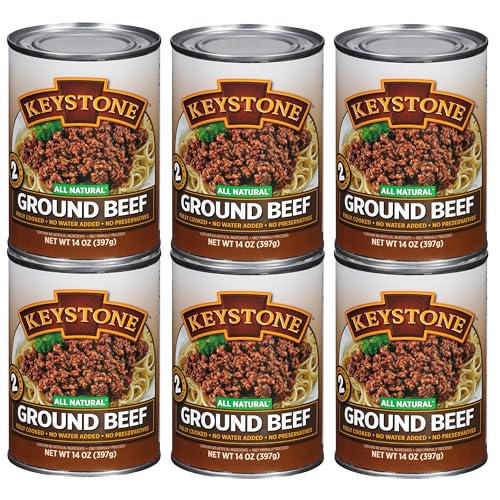
A 5-year shelf life and clean ingredient profile make Keystone Meats All Natural Ground Beef a solid pick for anyone stacking emergency food without compromising on quality. I’ve found it reliable for long-term storage, with just beef and sea salt-no fillers, preservatives, or added water. It’s gluten-free, carb-free, and keto-friendly, which suits my dietary needs. Each 14 oz can heats fast and works in tacos, chili, or casseroles. I use it on camping trips and keep it for emergencies. Made in Ohio, it’s USDA-inspected and ready to eat, though I usually brown it first for better texture. Six cans cover a lot of meals.
Best For: People seeking a long-lasting, high-quality, all-natural ground beef for emergency preparedness, outdoor adventures, or low-carb diets.
Pros:
- 5-year shelf life makes it ideal for emergency food stockpiling and long-term storage
- Contains only beef and sea salt with no fillers, preservatives, or artificial ingredients
- Gluten-free, carb-free, and keto-friendly, suitable for various dietary needs
Cons:
- Requires browning or reheating for optimal texture, which may be inconvenient in some situations
- Shelf-stable but heavy and bulky compared to freeze-dried alternatives
- Limited seasoning options since it contains only sea salt, requiring added flavor for complex dishes
Keystone Meats Canned Pork (14.5 oz, Pack of 6)

If you’re stocking up for emergencies or planning long outdoor trips, Keystone Meats Canned Pork is one of the more dependable options for long-term storage. I keep it because it’s simple-just pork and sea salt, no additives, carbs, or preservatives. Each 14.5 oz can is fully cooked and ready to eat, whether I heat it straight or use it in tacos, stir-fries, or beans. It’s shelf-stable for 5 years, maintains texture well over time, and doesn’t need refrigeration until opened. Made in Ohio and USDA inspected, it’s practical survival food that works when I need it.
Best For: Individuals preparing for emergencies, outdoor adventurers, or those seeking simple, long-lasting, all-natural protein sources with minimal ingredients.
Pros:
- Fully cooked, shelf-stable canned pork with a 5-year storage life, ideal for emergency preparedness and outdoor use
- Contains only two ingredients-pork and sea salt-free from carbs, gluten, preservatives, and artificial additives
- Versatile for cooking; easily incorporated into a variety of meals including tacos, stir-fries, BBQ sandwiches, and beans
Cons:
- Limited flavor variety due to minimal seasoning, which may not appeal to those preferring more robustly seasoned meats
- Heavier and less compact compared to freeze-dried or dehydrated meal alternatives, making it less ideal for lightweight backpacking
- Single-use packaging requires proper disposal, which may be less convenient in off-grid or survival scenarios
Keystone Meats 24-Can Variety Pack

Keystone Meats delivers a solid option for anyone prioritizing long-term food security without sacrificing ingredient simplicity. I’ve used their 24-can variety pack, and it’s practical for real-world needs-6 beef, 4 chicken, 4 turkey, 4 pork, and 6 ground beef cans, all cooked and packed with just meat and sea salt. Each is shelf-stable for five years, made in Lima, Ohio, and USDA inspected. I appreciate the zero carbs in chicken, turkey, and ground beef-they fit keto diets. It’s ideal for emergencies, camping, or backup storage. The minimal ingredients mean fewer additives to worry about, and the variety keeps meals flexible without relying on refrigeration.
Best For: Individuals seeking a long-lasting, minimally processed, and versatile food supply for emergency preparedness, outdoor adventures, or low-carb lifestyles.
Pros:
- Made with only meat and sea salt-no preservatives, carbs, or artificial ingredients
- 5-year shelf life and USDA-inspected for safety and quality
- Diverse protein variety (beef, chicken, turkey, pork, ground beef) ideal for meal planning
Cons:
- Some cans are 14 oz instead of 14.5 oz, slightly less volume for ground beef
- Limited flavor variety due to minimal seasoning-may require additional spices
- Not suitable for vegetarians or those avoiding canned food storage
SPAM 25% Less Sodium Canned Meats, 12 oz Cans, 12 Pack

When you’re stocking your pantry for reliability and versatility, SPAM 25% Less Sodium Canned Meats stand out as a solid choice-especially if you’re a parent, student, or anyone balancing tight schedules with the need for quick, filling meals. I keep a 12-pack on hand because it’s fully cooked and doesn’t need refrigeration before opening, making it ideal for long-term storage. Each 12 oz can has 25% less sodium than regular SPAM, which helps manage daily intake without sacrificing shelf life. I’ve used it in omelets, sandwiches, and casseroles, and it performs consistently. It’s not gourmet, but it’s dependable, affordable, and requires zero prep.
Best For: Parents, students, and busy families seeking convenient, shelf-stable protein for quick meals.
Pros:
- Contains 25% less sodium than regular SPAM, supporting lower sodium dietary needs
- Fully cooked and shelf-stable, requiring no refrigeration before opening for easy pantry storage
- Versatile ingredient that works in a variety of dishes including omelets, sandwiches, casseroles, and tacos
Cons:
- Still contains added sodium and preservatives, making it less ideal for strictly whole-food diets
- Limited flavor variety compared to fresh or minimally processed meats
- Texture and taste may not appeal to those unaccustomed to canned meat products
SPAM Oven Roasted Turkey, Canned Meat, 12 oz Can, (12 Pack)

I’d choose SPAM Oven Roasted Turkey over other canned meats for long-term storage if I needed a dependable, ready-to-eat protein that fits into a range of meals without spoiling. It’s fully cooked, so I can eat it straight from the can or add it to quesadillas, pasta, or egg rolls with no prep. Made with lean white turkey, it’s a lighter option compared to regular SPAM. The 12-pack gives me enough to last weeks, whether I’m camping, prepping meals, or stocking emergency supplies. Each 12 oz can is shelf-stable and requires no refrigeration.
Best For: Campers, busy parents, college students, and meal preppers seeking a convenient, shelf-stable protein for quick meals or emergency food storage.
Pros:
- Fully cooked and ready to eat straight from the can or easily incorporated into meals like quesadillas, pasta, and egg rolls
- Made with lean white turkey, offering a lighter alternative to traditional SPAM varieties
- Shelf-stable 12-pack provides long-term storage and reliable nutrition without refrigeration
Cons:
- High sodium content typical of processed canned meats, which may not suit low-sodium diets
- Limited flavor variety compared to fresh or minimally processed proteins
- Not suitable for those avoiding processed foods or seeking gluten-free or allergen-free options
ReadyWise Seasoned Ground Beef Crumbles (22 Servings)

If you’re stocking up for long-term emergencies or building a durable food supply, ReadyWise Seasoned Ground Beef Crumbles offer a dependable protein source that lasts. Each #10 can gives you 22 servings, stays shelf-stable for years, and rehydrates fast with water. I use it for tacos, casseroles, or burger-style meals when cooking isn’t ideal. It’s not fresh meat, but the texture holds up in stews and soups, and the seasoning adds consistent flavor. While it needs water to prepare, that’s a fair trade-off for its storage life and versatility. I rely on it for prep scenarios where space, weight, and spoilage matter. It’s practical, no-frills food for real situations.
Best For: Individuals preparing for emergencies, long-term storage, or outdoor adventures who need a lightweight, shelf-stable, and versatile protein source.
Pros:
- Provides 22 servings per #10 can with long shelf life for reliable emergency preparedness
- Quickly rehydrates with water, making it convenient for cooking in resource-limited situations
- Pre-seasoned and adaptable to a variety of meals like tacos, stews, casseroles, and soups
Cons:
- Requires water for rehydration, which may be a limitation in scarce supply scenarios
- Texture is not identical to fresh ground beef, which may affect palatability for some
- Limited flavor customization due to pre-seasoned formulation
Factors to Consider When Choosing Canned Meats for Long Term Storage
You’ll want to check the shelf life first-some canned meats last 3–5 years, while others go longer if stored properly. Keep an eye on storage conditions too, since heat and humidity can shorten longevity no matter what the label claims. Always compare ingredient quality, nutrition, ease of prep, and serving size to get the most reliable option for long-term needs.
Shelf Life Duration
While most canned meats last 2 to 5 years, selecting the right ones for long-term storage means paying close attention to shelf life duration and product composition. You’ll find some specialty canned meats rated for 25 years or more, thanks to oxygen-free sealing and low-moisture formulations. High-acid foods degrade faster, but low-acid, fully cooked meats-like beef, chicken, or pork-are more stable over time. You can trust longer shelf lives when cans remain sealed, undented, and free of bulges or rust. Temperature matters just as much as time-meats stored above 75°F degrade faster, losing quality even if safe to eat. Though the can may stay intact, exposure to light and temperature swings can shorten effective usability. You’re better off choosing trusted brands with clear expiration dates and proven storage ratings. Not all labels are equal, so check for detailed packaging specs. Your long-term supply depends on smart selection today.
Storage Conditions Required
Since temperature and environment directly impact shelf life, store canned meats in a cool, dry place where temperatures stay consistently below 75°F. You’ll prevent accelerated degradation and preserve both nutrition and flavor over time. Keep cans out of direct sunlight and away from damp areas-UV exposure and high humidity can corrode metal, weakening the seal and risking spoilage. Always store cans upright in a stable environment, like a pantry or closet, to avoid leaks or pressure damage. Don’t let them freeze; frozen liquids expand, and that can rupture the can, ruining the contents. Stay clear of strong odors or chemicals nearby, since fumes can seep through microscopic seal flaws. Avoid garages or attics with wide temperature swings. A controlled, dark space gives you reliable long-term storage. Your cans will stay intact, safe, and ready when you need them most.
Ingredient Quality Standards
When choosing canned meats for long-term storage, start by checking the ingredient list-products with just meat and salt offer the highest quality, with no unnecessary additives diluting their value. You’ll want to avoid preservatives, artificial flavors, colors, and added water, since they compromise natural taste and purity. Pick USDA-inspected cans to guarantee the product meets strict safety and quality benchmarks. If you’re aiming for clean protein, go for zero carbs and skip any with MSG. All-natural, gluten-free options without fillers or binders are your best bet for maintaining integrity over time. These standards help you avoid waste and guarantee reliability when you need it most. Simpler ingredients mean fewer surprises and better performance in storage. You’re not just stocking food-you’re building trust in what you’ll eat later.
Nutritional Content Value
A solid canned meat choice delivers reliable nutrition when you need it most. You get 15 to 25 grams of high-quality protein per 4-ounce serving, which supports muscle maintenance and energy. Most options are low in carbs, especially when they contain no added sugars or fillers, making them practical for low-carb or ketogenic diets. Watch the sodium-levels can hit over 1,000 mg per serving-so checking labels for low-sodium versions matters if you’re managing salt intake. Fat content varies: lean cuts offer 5–7 grams per serving, balancing satiety with calorie control. Some brands fortify their meats with iron, zinc, and B vitamins, helping you meet daily nutrient needs over time. You won’t rely on fresh food, so choosing nutritionally sound options guarantees you stay fueled and sustained through extended storage and use.
Preparation Ease And Speed
Even if you’re short on time or cooking gear, you’ll find most canned meats require little to no prep. Fully cooked options can be eaten straight from the can, making them ideal during emergencies. If you prefer warmth or softer texture, adding hot water takes under 10 minutes for rehydration, especially with freeze-dried or dehydrated varieties. “Heat and serve” labels mean you skip browning or precooking, cutting meal prep time markedly. Many contain just meat and salt, so you won’t need extra seasonings or processing before eating. These traits make canned meats reliable when speed and simplicity matter. You’re not trading convenience for shelf stability-most hold up for years. In real-world use, minimal prep beats complex instructions, especially in power outages or remote locations. Choose options requiring no tools or cooking to maximize ease when conditions aren’t ideal. Efficiency matters, and these products deliver when it counts.
Versatility In Recipes
You already know canned meats save time and require minimal prep, but their real value emerges in how easily they adapt to different meals. You can drop them into tacos, casseroles, soups, or pasta without hassle, covering breakfast, lunch, and dinner with one ingredient. Since they’re fully cooked, you add them straight to recipes or heat them fast-ideal for emergencies or camping. They hold up well in storage, keeping texture and flavor in both hot stews and cold sandwiches. If you’re on keto, paleo, or avoiding gluten or preservatives, you’ll find suitable options. Rehydratable or ready-to-eat types work in stir-fries, grain bowls, or stews, letting you rotate meals without boredom. This flexibility means fewer ingredients to stock and more ways to serve balanced meals over time, even under tough conditions.
Packaging And Portion Size
When selecting canned meats for long-term storage, packaging and portion size directly affect usability and efficiency. You’ll find #10 cans deliver about 22 servings, making them cost-effective and practical for large groups or frequent use, though once opened, you must refrigerate and use contents quickly. Smaller 12- to 14.5-ounce cans suit single or family meals, giving you better portion control and less waste. Their compact, stackable design maximizes storage in tight pantries or emergency kits. Multi-packs extend shelf life across uses and reduce how often you need to restock, supporting consistent meal planning. While larger cans save space pre-opening, they’re less practical if you live alone or cook for two. Choose packaging that matches your household size and usage patterns. Efficient storage isn’t just about shelf life-it’s about using what you have without spoilage.
Frequently Asked Questions
Can Canned Meat Be Frozen After Opening?
You can freeze opened canned meat, but it’s not ideal. Texture degrades due to moisture loss and ice crystal formation. Seal it in an airtight container or heavy-duty freezer bag to limit freezer burn. Use within 2–3 months for best quality. Thaw in the fridge, not at room temperature, to prevent bacterial growth. Reheat thoroughly. Freezing extends usability, but taste and consistency take a hit compared to fresh use.
Is It Safe to Eat Canned Meat Past the Expiration Date?
You can eat canned meat past the expiration date if the can’s intact and stored properly. The date marks peak quality, not safety. You’ll notice spoilage through bulges, leaks, or odd smells once opened. Texture and flavor may decline over time, but it’s generally safe for years. Don’t risk it if the seal’s compromised or rust’s present. Always inspect before eating-your safety depends on condition, not just the date.
How Do I Dispose of Empty Canned Meat Containers Responsibly?
You rinse the cans, remove labels, and check local recycling guidelines since most curbside programs accept clean steel or aluminum. You flatten them if required to save space. If recycling isn’t available, you take them to a certified metal recycler. You don’t burn or landfill them-metal leaches and contributes to waste. Proper disposal reduces environmental impact and supports resource recovery without hassle.
Can I Recycle Cans From SPAM or Mountain House Products?
Yes, you can recycle cans from SPAM or Mountain House products. They’re made of steel or aluminum, both widely accepted in curbside recycling. Just rinse them out to remove food residue-leftover grease or bits can contaminate batches. Remove paper labels if possible, though they’re usually not a dealbreaker. Check your local program’s rules; some require cans to be crushed or sorted. If unsure, call your facility. Recycling keeps usable materials in the loop and cuts landfill waste.
Are There Vegan Alternatives to Canned Meat for Long-Term Storage?
Yes, you can rely on canned legumes, textured vegetable protein (TVP), and shelf-stable tofu for long-term storage. These hold up for 5–10 years if stored properly. Canned beans and lentils offer protein and fiber without refrigeration. TVP weighs less and rehydrates fast, making it efficient for bulk storage. Tofu in sealed shelf-stable packs lasts years. They’re not meat, but they deliver protein and practicality when canned meat isn’t an option.