Best EDC Knives That Handle Everyday Tasks With Ease
You want a reliable EDC knife that won’t fail during daily tasks. Models like the CIVIVI Mini Praxis and Spyderco Tenacious offer smooth one-handed deployment with liner locks and G10 handles for grip and durability. Blades between 2.75” and 3.3”, made from 8Cr13MoV or similar steels, balance edge retention and ease of sharpening. Lightweight builds under 3.5 oz carry comfortably without pocket sag. Ambidextrous clips and deep-carry designs keep them secure. Choose based on your preferred steel, lock type, and grip texture to match your routine-your ideal balance of function and carry awaits.
We are supported by our audience. When you purchase through links on our site, we may earn an affiliate commission, at no extra cost for you. Learn more. Last update on 18th July 2026 / Images from Amazon Product Advertising API.
Notable Insights
- Opt for blades between 1.75 and 3.3 inches with drop-point or reverse tanto shapes for versatile daily use.
- Choose G10 or textured handles for a secure, comfortable grip in all conditions without pocket wear.
- Select knives with one-handed opening via flipper tabs or thumb studs for convenient, fast deployment.
- Prioritize models with liner or frame locks to ensure secure blade lockup during everyday tasks.
- Favor lightweight designs under 3.5 ounces with deep-carry clips for comfortable, discreet pocket carry.
CIVIVI Mini Praxis Folding Pocket Knife
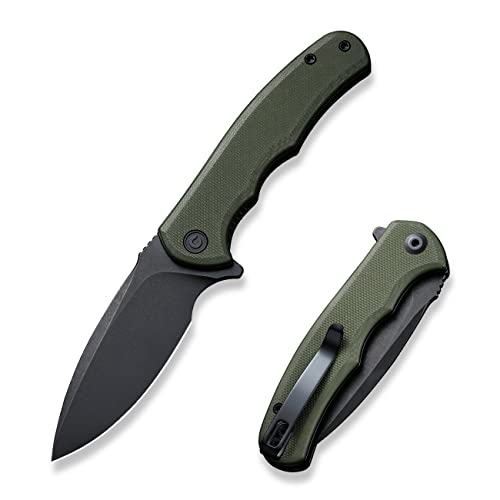
If you need a dependable EDC knife that won’t weigh you down, the CIVIVI Mini Praxis fits the bill-especially if you’re someone who values a balance of size, strength, and smooth operation. I carry it daily, and the 2.98-inch D2 blade handles letters, boxes, and camp tasks without issue. It’s light at 4.1 ounces, and the G10 handle stays secure in wet or cold conditions. The ceramic pivot guarantees fast, reliable opening with the flipper, and the detent keeps it from deploying accidentally. While D2 can stain if neglected, it holds an edge longer than most budget steels. The pocket clip is tight, carry is discreet, and the build feels solid without being bulky.
Best For: Everyday carry (EDC) users seeking a lightweight, durable folding knife with smooth operation and reliable performance in urban, work, or outdoor settings.
Pros:
- Compact and lightweight at 4.1 ounces with a 2.98-inch D2 steel blade offering excellent edge retention
- G10 handle provides a secure, durable grip even in wet or cold conditions
- Smooth one-handed flipper deployment with ceramic ball-bearing pivot and strong detent for reliability
Cons:
- D2 steel has only moderate corrosion resistance and may stain if not properly maintained
- Limited to right-hand carry due to pocket clip orientation
- Blade finish is prone to showing scratches over time despite stonewashed appearance
Kershaw Misdirect Pocket Knife

I keep the Kershaw Misdirect on me because it’s built for real use, not display-its assisted opening delivers fast, one-handed deployment, and the frame lock holds the 2.9-inch 4Cr14 stainless steel blade solid during cuts. The BlackWash finish hides scratches and gives it a low-profile look. At 3.2 ounces, it’s light but sturdy, with a bead-blasted steel handle that resists slips. I carry it tip-up right-handed, but the clip works left-side or tip-down too. It’s not the sharpest out of the box, but it holds an edge well for daily tasks. Made in China under Kershaw’s warranty, it’s a reliable, no-frills tool.
Best For: Everyday carry users seeking a durable, lightweight, and reliable folding knife with quick deployment and a secure lockup for routine tasks.
Pros:
- Assisted opening enables fast, one-handed blade deployment
- Frame lock provides solid blade stability during use
- BlackWash finish and bead-blasted handle offer scratch resistance and secure grip
Cons:
- Blade is not factory-sharp, requiring initial honing for optimal performance
- Heavier steel construction may feel bulky compared to lightweight models
- Limited country of origin appeal due to manufacture in China, despite Kershaw’s quality control
BESTECHMAN Pink Folding Knife (G10 Handle)

The BESTECHMAN Pink Folding Knife (G10 Handle) stands out for EDC users who prioritize a secure grip and reliable one-handed operation in a lightweight, compact tool. I carry it daily because the G10 handle offers an aggressive, non-slip texture that performs in wet or gloved conditions. The 3.15-inch drop-point blade, made from 10Cr15CoMoV steel, holds an edge well and resists corrosion. At 2.4 ounces, it’s light but doesn’t feel flimsy. The ambidextrous B-Lock delivers consistent lockup, and the pocket clip carries it securely. Pink makes it easy to spot in a pack. I use it for chores, camping, and cutting cordage-nothing fancy, just dependable performance.
Best For: EDC enthusiasts seeking a lightweight, durable, and visually distinctive folding knife with reliable one-handed operation and a secure grip in all conditions.
Pros:
- G10 handle provides an aggressive, non-slip grip even when wet or used with gloves
- 10Cr15CoMoV stainless steel blade offers excellent edge retention and corrosion resistance
- Ambidextrous B-Lock enables smooth, secure one-handed opening and consistent lockup
Cons:
- Pink color may not appeal to users preferring more traditional or tactical aesthetics
- Limited availability of warranty and service information directly in product listing
- Handle texture, while secure, may feel too aggressive for users with sensitive hands
GOOD WORKER 2.95” Serrated Pocket Knife

One of the few EDC knives under 3 inches with a full tactical edge, the GOOD WORKER 2.95” Serrated Pocket Knife suits anyone who needs reliable, one-handed performance without sacrificing portability. I carry it daily because the liner lock feels secure, and the serrated blade cuts through seat belts or rope when needed. At 4.12 oz, it’s light but solid, with a glass breaker that actually works. The aluminum handle fits my hand well, and the pocket clip holds tight. It’s not for slicing tomatoes, but that’s not its job. For emergencies, camping, or work, it’s ready.
Best For: Outdoor enthusiasts, tactical users, and everyday carry advocates who need a compact, reliable knife with emergency rescue features.
Pros:
- Compact 2.95” serrated blade with liner lock offers secure, one-handed operation and portability
- Multifunctional design includes working glass breaker and seat belt cutter for emergency readiness
- Lightweight yet durable aluminum handle with pocket clip ensures comfortable carry and secure grip
Cons:
- Serrated edge not ideal for fine cutting tasks like food preparation
- Limited blade smoothness for slicing compared to non-serrated knives
- Not recommended for left-handed users if ambidextrous design is not fully optimized
Smith & Wesson Extreme Ops Folding Knife

Smith & Wesson’s Extreme Ops Folding Knife suits those who need a dependable, no-frills tool for daily tasks, outdoor use, or tactical situations. I rely on its 3.1-inch black oxide 7Cr17Mov stainless steel blade because it holds an edge and resists corrosion. The flipper and ambidextrous thumb knobs let me open it fast with either hand, and the liner lock keeps it secure. At 3.5 ounces, it’s light but solid, thanks to the aluminum handle. I carry it clipped in my pocket, and the jimping gives grip when I need precision. Serrations help with tough materials, though they make fine cuts harder. I’ve used it daily over years, and the limited lifetime warranty backs its durability.
Best For: Individuals seeking a durable, lightweight folding knife for everyday carry, outdoor adventures, or tactical use.
Pros:
- Reliable 3.1-inch black oxide stainless steel blade resists corrosion and holds a sharp edge
- Ambidextrous opening with flipper and thumb knobs plus secure liner lock
- Lightweight aluminum handle with pocket clip and jimping for comfortable, versatile carry and grip
Cons:
- Serrations can hinder precision during fine cutting tasks
- 7Cr17Mov steel, while durable, is mid-tier and may require more frequent sharpening compared to higher-end steels
- Limited blade shape options due to fixed clip point design
Smith & Wesson Benji Folding Knife

Looking for a compact knife that won’t weigh you down but still delivers reliable performance? I carry the Smith & Wesson Benji daily, and it holds up. At just 2.5 inches overall and 2.72 ounces, it’s small but sturdy. The 1.75-inch tanto blade is 8Cr13MoV steel-sharp, rust-resistant, and easy to resharpen. G-10 handles offer grip without adding bulk. It uses a frame lock and opens fast with the flipper or glide. The dual pocket clip works left or right hand. It’s got a bottle opener, which helps. Built for everyday tasks, not combat. Limited lifetime warranty means Smith & Wesson stands by it.
Best For: Everyday carry users seeking a compact, lightweight folding knife with reliable performance and practical features for daily tasks.
Pros:
- Compact and lightweight design (2.5 inches, 2.72 oz) ideal for easy pocket carry
- Durable 8Cr13MoV stainless steel blade with a sharp tanto edge and rust resistance
- Dual-function pocket clip supports ambidextrous carry and includes a built-in bottle opener
Cons:
- Blade steel, while functional, is mid-tier and may not hold an edge as long as premium steels
- Limited blade length (1.75 inches) reduces utility for larger cutting tasks
- Flipper mechanism may require adjustment over time to maintain smooth operation
Pocket Folding Knife with 8Cr14MoV Blade (Green)

If you need a dependable, no-frills EDC knife that handles daily tasks and outdoor duties without fuss, this ZANGING Z00Knife is built for you. I carry it daily because the 2.99-inch 8Cr14MoV blade cuts reliably and holds its edge longer than cheaper steels. The G10 handle grips well, even when wet, and the pocket clip keeps it secure. It opens easily with the thumb hole or flip tab, and the button lock stays firm in use. At 4.8 ounces, it’s light but solid. I’ve used it for opening boxes, cutting cord, and camping tasks-it performs without fail. It’s not flashy, but it’s durable, practical, and backed by a lifetime warranty.
Best For: Outdoor enthusiasts, everyday carry (EDC) users, and practical gift-givers seeking a durable, reliable folding knife for daily tasks and adventures.
Pros:
- Durable 8Cr14MoV stainless steel blade with excellent edge retention and corrosion resistance
- Lightweight G10 handle provides secure, slip-resistant grip in wet or rugged conditions
- Smooth one-handed operation with multiple opening methods and secure button lock
Cons:
- Blade steel, while solid, is not top-tier compared to premium alternatives like S30V or N690
- Limited to right-hand carry due to fixed pocket clip orientation
- Black oxide finish may wear over time with heavy use, affecting appearance
Spyderco Tenacious Folding Pocket Knife (C122GBBKP)
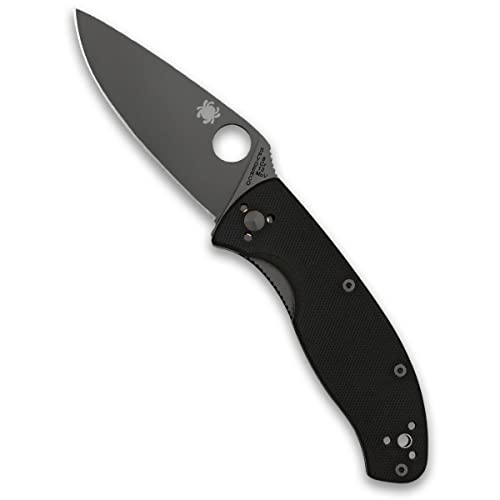
You get a dependable, no-frills EDC knife in the Spyderco Tenacious C122GBBKP-ideal for outdoor enthusiasts and daily users who need a tough, easy-to-carry tool without overspending. I rely on its 3.3-inch 8Cr13MoV blade for solid edge retention and corrosion resistance, even after heavy use. The full-flat grind cuts smoothly, and the black-oxide coating adds durability. G-10 handles with peel-ply texture give me a secure grip, while the skeletonized liners keep it light at 4.8 ounces. The linerlock locks firmly, and the four-position clip lets me carry it any way I prefer. It’s not fancy, but it works.
Best For: Outdoor enthusiasts and budget-conscious everyday carry users seeking a durable, lightweight, and reliable folding knife.
Pros:
- Durable 8Cr13MoV stainless steel blade with good edge retention and corrosion resistance
- Lightweight yet sturdy G-10 handle with peel-ply texture for secure, non-slip grip
- Versatile four-position pocket clip and ambidextrous linerlock for convenient carry and use
Cons:
- 8Cr13MoV steel, while functional, is mid-tier and may require more frequent sharpening than premium steels
- Black-oxide coating can wear over time with heavy use, reducing aesthetic appeal
- Handle texture may feel aggressive or uncomfortable for some users during prolonged handling
Kershaw Appa Folding Knife 2.75″ Black
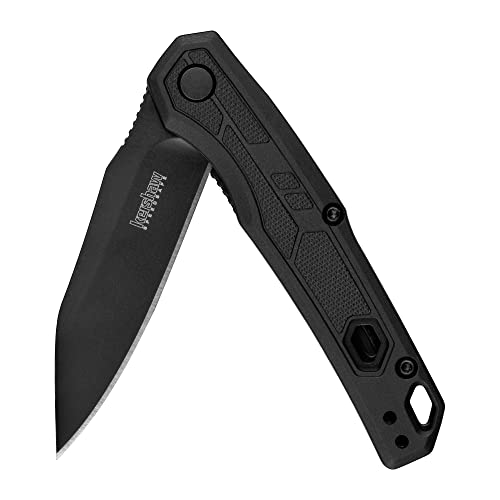
The Kershaw Appa Folding Knife 2.75″ Black works best for users who prioritize lightweight carry and fast deployment in tactical or outdoor settings. I carry it daily because it weighs only 2 ounces and slips easily into my pocket. The SpeedSafe assisted opening with a flipper lets me deploy the 2.75-inch reverse tanto blade quickly, and the liner lock keeps it secure. Its black stainless steel blade holds an edge well for cutting tape, rope, or boxes. The plastic handle has cutouts that reduce weight without sacrificing strength. It’s not for heavy chopping, but it handles routine tasks reliably. I use the reversible clip for right or left carry, and the lanyard hole adds options.
Best For: Outdoor enthusiasts, military personnel, and everyday carry users who need a lightweight, quickly deployable tactical folding knife for routine cutting tasks.
Pros:
- Lightweight at only 2 ounces with a compact design ideal for comfortable pocket carry
- SpeedSafe assisted opening with flipper allows for fast, one-handed blade deployment
- Reversible pocketclip and lanyard hole provide flexible carry options for both right- and left-handed users
Cons:
- Not suited for heavy-duty tasks or chopping due to its small size and lightweight construction
- Plastic handle, while durable, may feel less premium compared to metal or G10 handles
- Requires a T6 bit to adjust the pocketclip, which may not be readily available to all users
EDC Pocket Knife with Tanto Blade

A tanto blade on an EDC pocket knife suits those who prioritize strength and precision in utility and emergency tasks. I carry the FUNBRO model daily-it’s light at 3.2 ounces and opens smoothly thanks to its ball bearing pivot and ambidextrous flipper. The 3-inch 7CR13Mov blade holds an edge well and resists corrosion. Its black stainless steel handle offers a secure grip, and the liner lock keeps the blade stable during use. I appreciate the built-in glass breaker, which adds real value in emergencies. At 7.7 inches fully open, it’s compact enough for pockets but tough enough for camping, cutting rope, or food prep.
Best For: Outdoor enthusiasts, everyday carry users, and emergency preparedness-minded individuals seeking a durable, compact, and multifunctional pocket knife with a reliable tanto blade.
Pros:
- Lightweight at 3.2 ounces with a smooth ambidextrous flipper opening mechanism and ball bearing pivot for quick, reliable deployment
- Durable 3-inch 7CR13Mov stainless steel tanto blade offers excellent edge retention and corrosion resistance
- Features a built-in glass breaker and liner lock for added safety and emergency utility
Cons:
- Black coating on the blade may wear over time with heavy use, potentially revealing underlying metal
- Stainless steel handle, while sturdy, may feel slippery when wet despite textured grip
- Limited blade steel upgrade compared to premium models in the same price range
Factors to Consider When Choosing an EDC Knife
You want a blade made from high-quality steel that holds an edge but won’t shatter under stress. Make sure the handle fits securely in your hand and the knife opens with one hand, because fumbling costs time. A solid locking mechanism and slim pocket carry mean it’s safe and always within reach when needed.
Blade Material Quality
Performance starts with steel. You want high-carbon stainless steel with 59–61 HRC hardness-it holds an edge well, resists corrosion, and stays easy to sharpen. Steels like 8Cr13MoV give you better edge retention and wear resistance than basic stainless, making them solid budget picks without sacrificing toughness. If you need longer edge life, D2 tool steel delivers thanks to high carbon and chromium, but watch for rust-its corrosion resistance is only moderate. For varied environments, steels with molybdenum, like 7Cr17Mov, boost toughness and corrosion resistance. Hardness between 58 and 61 HRC balances durability and sharpness retention, while still allowing field sharpening when needed. No steel does everything perfectly-each choice trades off some trait for strength in another. Pick based on your use: daily carry demands, exposure to moisture, and how often you’re willing to maintain the edge.
Handle Comfort Grip
Look for a handle that locks into your hand without slipping, since grip security directly impacts control and safety during use. Choose a textured surface like peel-ply or diamond pattern, which maintains traction even when wet. An ergonomic shape that follows your hand’s natural curve reduces fatigue during extended tasks. Materials such as G10 or fiberglass-reinforced nylon give a lightweight yet grippy hold without adding bulk. Opt for full-length handles with rounded edges-they prevent hotspots and let you shift grips smoothly. Jimping on the spine or handle heel boosts thumb control for precise cuts. You’ll want these features if you’re using the knife daily or under stress. They balance comfort with function, so your hand stays secure and stable without pressure points. A good grip means less effort and fewer slips when it counts.
Locking Mechanism Safety
A secure locking mechanism is essential for keeping the blade fully deployed during use, preventing accidental closure that could lead to serious injury-especially when force is applied. You need a lock that holds firm under pressure, and liner or frame locks deliver that through solid side or frame-based engagement. These designs resist movement and maintain strength over time, minimizing wobble even after heavy use. A smooth, consistent lockup lets you deploy and close the blade confidently with one hand, which matters in urgent situations. Avoid knives with sloppy locks-they’ll only get looser. Assisted openers help speed things up, but only if the blade fully locks upon deployment. If it doesn’t, you risk partial closure during use. Look for a mechanism that feels tight and stays that way. It’s not about flashy features-it’s about control, stability, and safety when the blade’s under load.
Pocket Carry Convenience
You’ve got a lock that won’t budge under pressure-now make sure the knife stays put in your pocket, too. Choose a compact folder with an overall length between 6.5 and 7.5 inches; it’ll sit securely without sagging or catching on fabric. Keep weight under 4 ounces to reduce strain and boost comfort during all-day carry. A deep-carry pocket clip helps the knife ride low, cutting down on print and improving stealth. Pick a right- or ambidextrous tip-up configuration for a smoother, more natural draw. Smooth handle materials and rounded edges prevent tears in your pocket lining and minimize wear over time. Avoid aggressive textures or sharp protrusions-they might look tactical but damage fabric fast. These details won’t make headlines, but they add up in daily use. Prioritize function, not flair, and your pocket will thank you.
One Handed Operation
Why fumble with two hands when one will do? One-handed operation lets you open and close your EDC knife quickly, even when your other hand is full or injured. Flipper tabs, thumb studs, and assisted-opening mechanisms let you deploy the blade with a single flick-no extra effort needed. Once open, the lock, like a liner or frame lock, must engage automatically to keep the blade stable during use. Ball-bearing pivots or smooth washers reduce friction, making opening faster and more reliable. A deep-carry pocket clip in the right position means you can draw and open the knife cleanly from your pocket using only one hand. These features aren’t just convenient-they’re practical safeguards when speed and control matter. Choose a knife that supports one-handed use well, and you’ll save time and stay safer in real-world situations.
Weight And Balance
Balance matters-when the center of gravity sits near the pivot, the knife handles smoothly and feels stable during extended cutting tasks. You want even weight distribution; a front-heavy blade pulls forward and feels unstable, while too much weight in the handle slows your cuts. Aim for a knife under 3.5 ounces-it rides light in your pocket and won’t drag down your pants after hours of carry. Models over 4 ounces can feel bulky, even if the extra mass adds durability. Lightweight doesn’t mean flimsy-materials like G10, titanium, and aluminum trim weight without sacrificing strength. You’ll notice the difference when slicing cardboard or rope: balanced knives stay controlled, reduce hand fatigue, and respond quicker to small adjustments. Heavier builds add momentum, but only if you’re willing to carry the load. Pick a build that matches your daily routine, not just your ideal use.
Edge Retention Performance
A good EDC knife holds its edge through weeks of routine use, and edge retention depends largely on the steel’s hardness and composition. You’ll want a blade hardened between 59–61 HRC-this range balances wear resistance and toughness. High-carbon stainless steels with molybdenum or vanadium perform better because those elements form hard carbides that resist abrasion. A plain edge typically stays sharper longer than a serrated one when slicing soft or fibrous materials like cardboard or rope. Serrations wear unevenly and complicate sharpening. You can extend edge life by avoiding sideways pressure and using proper technique. Sharpen regularly with angle-consistent tools. Don’t expect miracles-steel quality sets the limit, but how you use and maintain the blade makes the real difference. Choose wisely, care consistently.
Durability In Elements
You need a knife that won’t fail when wet, dirt, or temperature swings hit, and material choices make all the difference. Pick a blade in high-quality stainless steel with 58–61 HRC hardness-it resists corrosion and holds its edge, even in damp conditions. A black oxide or stonewashed finish cuts down on rust and hides scratches from real-world use. G10 fiberglass handles won’t swell, crack, or get slippery when wet, and they stand up to chemicals and UV exposure. Look for full skeletonized liners and sealed pivot points-they block water and grit from messing up the mechanism. If you’re out in driving rain or dust storms, go for a model with O-rings or IP-rated seals to keep dirt out and guarantee smooth operation. These features don’t make the knife invincible, but they do mean it’s less likely to let you down when conditions turn.
Frequently Asked Questions
Can I Bring an EDC Knife on a Plane?
no, you can’t bring an edc knife on a plane in your carry-on. tsa rules flatly prohibit blades of any kind in cabin baggage, including pocket knives, multi-tools with cutting edges, and box cuters. you can pack it in checked luggage if it’s sheathed and secured. folding knives under 2.36 inches used to be allowed but aren’t anymore. always check current tsa guidelines before flying-rules change.
Are Automatic Knives Legal for Everyday Carry?
You can’t assume automatic knives are legal to carry everywhere-laws vary by state and country. Some places ban them outright; others allow them with restrictions. You risk fines or arrest if you carry one where prohibited. Check local statutes before putting one in your pocket. Even where legal, they attract more scrutiny than manual knives. For broad usability and fewer legal headaches, you’re better off choosing a reliable manual opener.
How Often Should I Sharpen My EDC Knife?
You should sharpen your EDC knife every 2–3 months with regular use, but it depends on what you cut. Paper, cardboard, and plastic dull blades faster than you think. If you notice slipping or need extra pressure, it’s time to sharpen. Use a 20-degree angle with a whetstone or guided system for consistency. Over-sharpening wears down the edge, so only do it when necessary. Test sharpness with a paper slice-clean cuts mean you’re good.
Is a Tanto Blade Good for Cutting Rope?
Yes, a tanto blade cuts rope effectively, but it’s not ideal for long or fine cuts. Its straight edge and reinforced tip excel at piercing and heavy-duty tasks, but the lack of a curved belly limits slicing efficiency. You’ll need more strokes to saw through thick rope compared to a drop-point or clip-point blade. For quick, occasional cuts, it works fine. For frequent rope work, a more versatile blade shape delivers better performance and control.
Do Folding Knives Break Easily Under Heavy Use?
Folding knives don’t break easily under heavy use if they’re built with quality materials and proper engineering. You’ll find that models with stainless steel liners, strong pivot hardware, and reinforced lock mechanisms handle stress well. However, constant prying or batoning can wear them down faster than fixed blades. You risk misalignment or lock failure over time with abuse. Stick to tasks they’re designed for, and they’ll last-just don’t treat them like tools they’re not.