Top-Rated Emergency Kits That Prepare You for Anything
You’ll want a 260-piece OSHA-compliant first aid kit for essential wound care and regulatory reliability, or a 250-piece MOLLE survival kit if you need shelter, tools, and portability. LifeStraw’s 4,000-liter filtration and Mylar blankets that retain 90% of body heat deliver proven field performance. For vehicles, Everlit’s kit includes jumper cables, a compressor, and rescue tools. Compact doesn’t mean complete-check contents for scissors, gloves, and water purification. Real readiness means verifying what’s inside works when you can’t afford failure.
We are supported by our audience. When you purchase through links on our site, we may earn an affiliate commission, at no extra cost for you. Learn more. Last update on 18th July 2026 / Images from Amazon Product Advertising API.
Notable Insights
- Choose kits with 200+ pieces including scissors, tweezers, and tourniquets for comprehensive first aid readiness.
- Prioritize OSHA-compliant, well-organized kits with labeled compartments for quick access during emergencies.
- Opt for MOLLE-compatible, durable bags with tactical tools like axes and shovels for outdoor survival needs.
- Include a LifeStraw or similar water purifier to safely access clean drinking water in the wild.
- Pack Mylar thermal blankets and multi-powered emergency radios with NOAA alerts for warmth and communication.
First Aid Only 260-Piece OSHA-Compliant Kit

If you need a reliable, no-frills first aid kit for a small workplace or home setup, I’ve found the First Aid Only 260-Piece OSHA-Compliant Kit works well for up to 50 people. It’s compact-just 9.75 x 7.75 x 2.88 inches-and weighs only 1.5 pounds, so it’s easy to store in a drawer or carry in a backpack. The durable plastic case has a clear cover and slide latches, letting me find supplies fast. I’ve used the bandages, antiseptic wipes, gloves, and scissors on minor cuts with no issues. It’s OSHA-compliant and includes burn cream and antibiotic ointment, which many basic kits skip. While it’s not for major trauma, it covers everyday injuries reliably.
Best For: Small workplaces, homes, or vehicles needing a compact, OSHA-compliant first aid solution for up to 50 people.
Pros:
- OSHA-compliant with essential supplies like burn cream and antibiotic ointment often missing in basic kits
- Compact, lightweight design with a clear cover and organized compartments for quick access
- Durable plastic case with slide latches makes it portable and suitable for desk, drawer, or backpack storage
Cons:
- Not suited for major trauma or serious medical emergencies
- Limited quantity of certain items may require restocking after frequent use
- Plastic case, while durable, may not be impact-resistant in rugged environments
250Pcs Survival Kit with Molle Bag

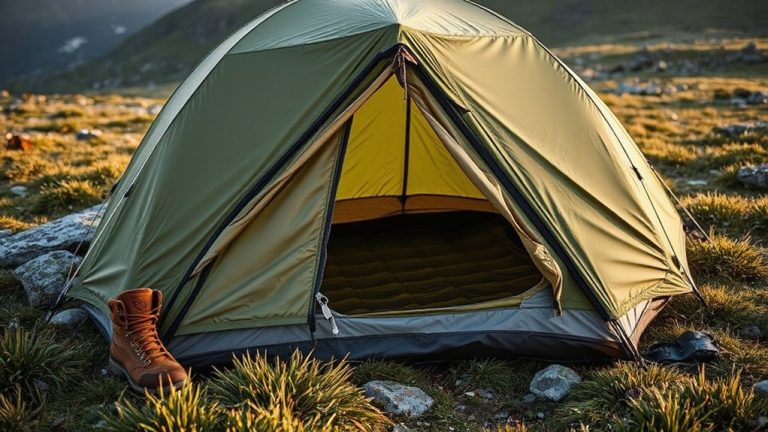
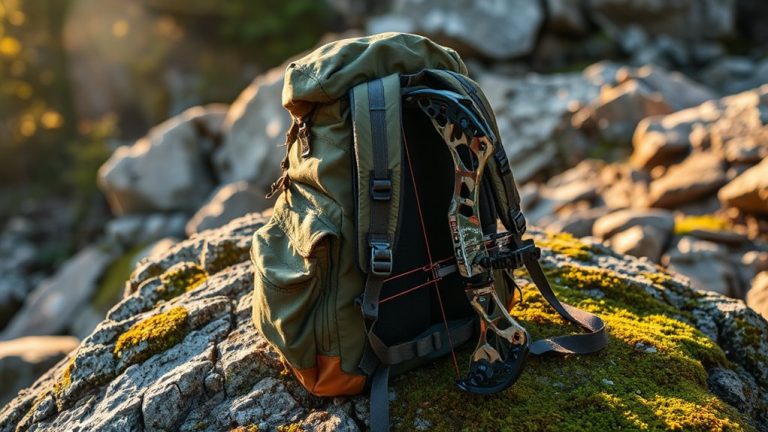
I rely on the 250Pcs Survival Kit with Molle Bag when I need a thorough, field-ready solution for emergency preparedness or extended outdoor trips. It holds 250 components, including first aid supplies in a red bag for quick visibility, tools like a multifunctional axe and folding shovel, and shelter essentials such as an emergency tent and blanket. The military-grade 1000D nylon bag is compact, water-resistant, and attaches via Molle straps. Weighing 4.5 pounds, it’s portable but bulky for small packs. I’ve used it in rain and rough terrain-it holds up. Some tools are basic, but having them together saves space and time when I need them most.
Best For: Outdoor enthusiasts, preppers, and emergency responders seeking a comprehensive, portable survival kit for adventures or disaster preparedness.
Pros:
- Contains 250 essential tools and supplies, including first aid, shelter, and fire-starting gear, curated by survival experts
- Durable, water-resistant 1000D nylon bag with Molle compatibility for easy attachment to backpacks or tactical gear
- Bright red first aid bag and reliable emergency tools enhance visibility and functionality in critical situations
Cons:
- Weighs 4.5 pounds, which may be heavy for ultralight backpackers or small pack setups
- Some tools are basic in quality and may not withstand prolonged or heavy-duty use
- Bulky dimensions may not fit comfortably in compact packs or emergency pouches
BAND-AID Travel First Aid Kit 80 Pcs

The BAND-AID Travel First Aid Kit 80 Pcs is a solid choice for travelers, campers, or anyone who keeps a car for long commutes-80 essential items fit in a compact case that won’t take up much space in a glove compartment or backpack. I keep mine in the console and appreciate the thirty flexible fabric bandages and twenty-one Tru-Stay wraps that stay put during movement. The Neosporin + Pain Relief cream helps reduce infection risk and discomfort. Ten sterile gauze pads and nine large hand wipes add real utility. Trusted brands and organized layout make this kit reliable for minor injuries on the go.
Best For: Travelers, campers, and commuters who need a reliable, compact first aid solution for minor injuries on the go.
Pros:
- Contains 80 essential items including trusted BAND-AID and Neosporin products for comprehensive wound care
- Compact, organized case fits easily in a glove compartment, backpack, or luggage
- Includes secure adhesive bandages and pain-relief antibiotic cream for effective on-the-go treatment
Cons:
- Limited supply of antibiotic cream and gauze for extended trips or multiple users
- No tweezers, scissors, or other tools for more complex first aid needs
- Bandage sizes may not accommodate larger wounds or varied body areas
Emergency Mylar Blanket 4-Pack Survival Gear

Since I prioritize compact, reliable gear that performs in harsh conditions, the Emergency Mylar Blanket 4-Pack from Mart Cobra stands out for preppers and outdoor enthusiasts who demand lightweight, high-efficiency thermal protection. Each 82 x 52-inch blanket weighs almost nothing-just 7 ounces for the pack-and reflects up to 90% of body heat, helping prevent hypothermia. Made from tear-resistant, aluminized Mylar, they’re reusable, windproof, and water-resistant. I can stash them anywhere-a backpack, car, or emergency kit-without adding bulk. They’re simple, practical, and effective for cold weather, hiking, or disaster prep, and they work reliably when I need thermal support fast.
Best For: Preppers, outdoor enthusiasts, and emergency responders who need lightweight, compact, and reliable thermal protection in harsh conditions.
Pros:
- Reflects up to 90% of body heat to prevent hypothermia in cold or emergency situations
- Ultra-lightweight and compact, fitting easily into backpacks, cars, or emergency kits
- Reusable, tear-resistant, and weather-resistant aluminized Mylar construction
Cons:
- Can be noisy when moved due to crinkly Mylar material
- Limited insulation when in direct contact with wet surfaces or high winds
- Not intended for long-term use or as a standalone shelter without additional gear
RunningSnail Hand Crank Emergency Radio with LED Flashlight
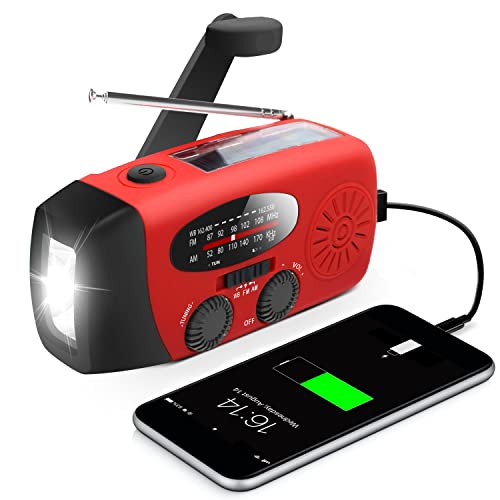
You’ll want this radio if staying informed during a power outage or natural disaster matters-especially when cell service fails and electricity isn’t coming back soon. I rely on its NOAA weather alerts to get real-time updates, even when off-grid. The 2000mAh battery powers my phone in a pinch, though it won’t fully charge it multiple times. Three power options-hand crank, solar, and USB-keep it running, but the solar panel charges slowly and works best as backup. My flashlight comes in handy at night, and the rugged design fits in my pocket. It’s not flashy, but it works when I need it most.
Best For: Individuals seeking a reliable, portable emergency radio for staying informed and powered during power outages, natural disasters, or off-grid outdoor adventures.
Pros:
- Provides NOAA weather alerts and real-time emergency updates without relying on cell service
- Offers multiple power options including hand crank, solar, and built-in 2000mAh battery for charging USB devices
- Compact, rugged design with integrated LED flashlight ideal for portability and emergency visibility
Cons:
- Solar panel has low energy conversion and charges slowly, making it impractical for primary charging
- Built-in battery can only partially charge most smartphones once
- Flashlight is functional but not exceptionally bright for extended use
Survival Kit 262Pcs w/First Aid & Tools

This kit suits serious preppers and outdoor enthusiasts who demand a complete, field-tested solution for disaster readiness. I rely on its 262 pieces, including a red first aid pouch with trauma supplies and an emergency medical card. It has an emergency tent, fire starter, and water container, covering shelter, fire, water, and food. I use the carbon steel axe and 2-in-1 shovel for digging or chopping-they’re heavy but effective. The flashlight and glow sticks give 72 hours of light. I carry it in the MOLLE-compatible nylon bag, which holds everything securely. It weighs 2.55 kg, which is manageable. ASIN B0D4765KKT. First available May 15, 2024.
Best For: Serious preppers and outdoor enthusiasts seeking a comprehensive, field-tested survival kit for disaster readiness and extended wilderness trips.
Pros:
- Includes 262 pieces with essential tools, first aid supplies, and emergency gear covering shelter, fire, water, and food needs
- Durable carbon steel tools (axe and shovel) and MOLLE-compatible bag allow for heavy-duty use and customizable storage
- Reliable 72-hour lighting with flashlight, camping lamp, and glow sticks, plus emergency medical card for critical information during crises
Cons:
- Weighs 2.55 kg, which may be heavy for lightweight backpackers or children
- First aid supplies, while comprehensive, may require replenishing after use or over time
- High part count could overwhelm beginners unfamiliar with survival gear
LifeStraw Personal Water Filter for
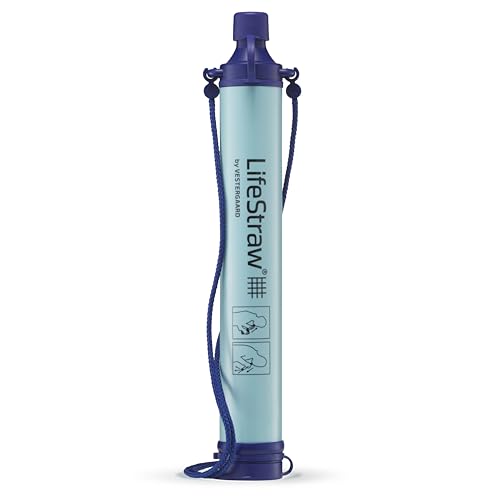
When I need guaranteed access to safe drinking water in the backcountry or during emergencies, the LifeStraw Personal Water Filter stands out for anyone prioritizing reliability and simplicity. It removes 99.999999% of bacteria and 99.999% of parasites, filtering down to 0.2 microns without chemicals or batteries. I can drink directly from streams or lakes, and it handles up to 4,000 liters-enough for years of use. Weighing just 0.1 pounds and fitting in my pocket, it’s ideal for hiking, survival kits, or disaster prep. It’s independently tested to meet EPA standards, and each purchase helps provide clean water to a child in need.
Best For: Outdoor enthusiasts, emergency preppers, and travelers who need a lightweight, reliable way to purify water from natural sources without chemicals or batteries.
Pros:
- Removes 99.999999% of bacteria and 99.999% of parasites, filtering down to 0.2 microns
- Lightweight (0.1 lbs) and compact, fitting easily in a pocket or survival kit
- Long lifespan of 4,000 liters with no moving parts, batteries, or maintenance required
Cons:
- Does not filter viruses or chemical contaminants like heavy metals or pesticides
- Requires manual suction, which may be tiring during prolonged use
- Limited to individual use and not suitable for purifying large volumes of water at once
Mylar Thermal Emergency Blankets (4-Pack)
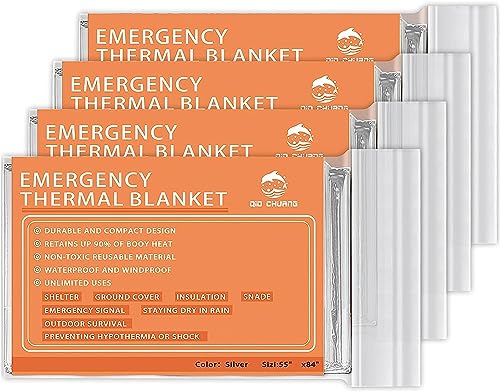
A 4-pack of Mylar Thermal Emergency Blankets from QIO CHUANG suits anyone needing reliable, lightweight warmth in emergency situations, especially if space and weight are critical. I keep these in my pack because they weigh just 8.3 ounces and fold small. Each blanket measures 84 x 55 inches and reflects up to 90% of body heat, which I’ve found useful during unexpected cold snaps while hiking. Made of metalized polyethylene, they’re waterproof and durable enough to survive rough handling. They’re not soft, but they work. With a 4.7-star rating from over 7,700 reviews, they perform consistently in real conditions. I don’t expect comfort, but I do expect survival-and these deliver.
Best For: Outdoor enthusiasts, emergency preppers, and travelers who need lightweight, compact, and reliable warmth in critical situations.
Pros:
- Ultra-lightweight and highly portable at just 8.3 ounces for four blankets
- Reflects up to 90% of body heat and is waterproof for effective all-weather protection
- Durable metalized polyethylene construction with a compact design ideal for survival kits
Cons:
- Not designed for comfort; material is crinkly and can be noisy
- Single-use or limited reuse may lead to tearing under stress
- Basic insulation only-no significant warmth without body heat to reflect
Everlit Survival Car Emergency Kit
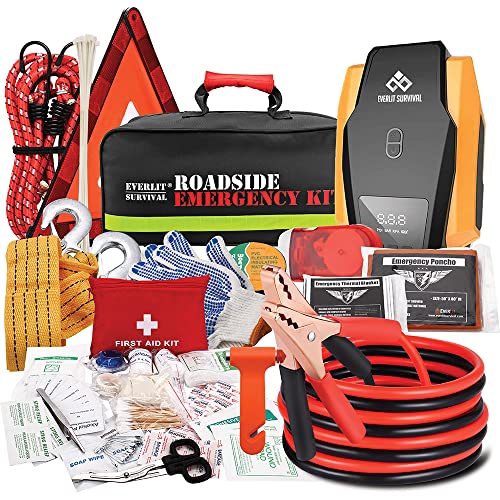
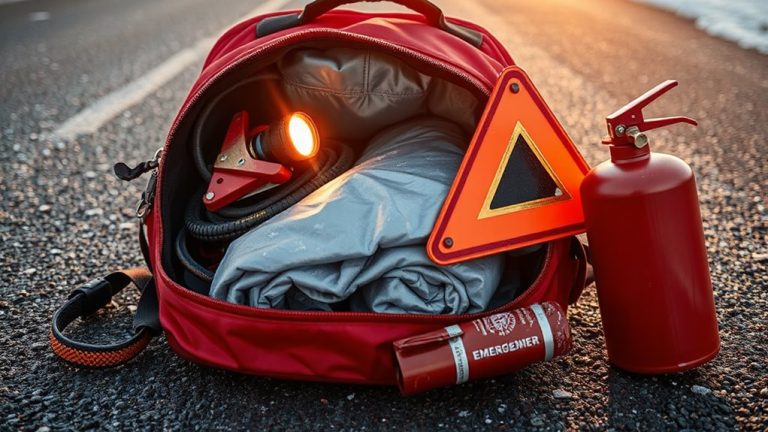
If you’re someone who regularly drives in remote areas or harsh weather, the Everlit Survival Car Emergency Kit stands out as a reliable choice because it combines essential recovery tools with extensive medical supplies. I’ve found the 12-foot UL-listed jumper cables and 300-amp output deliver solid performance, while the digital air compressor inflates tires quickly and shuts off automatically. The 108-piece first aid kit covers most minor injuries, and tools like the seatbelt cutter and glass breaker work as intended. Weighing 8 pounds, it’s compact enough to store in most vehicles. It’s backed by a 1-year warranty and 60-day return policy, which adds peace of mind.
Best For: Drivers who frequently travel in remote areas or harsh weather conditions and need a comprehensive, reliable roadside emergency solution.
Pros:
- Includes essential tools like UL-listed jumper cables, a digital air compressor with auto shutoff, and a 108-piece first aid kit for complete emergency preparedness
- Compact, 8-pound design with a carry bag makes it easy to store in vehicles without sacrificing space
- Backed by a 1-year satisfaction warranty and 60-day hassle-free return policy for added customer confidence
Cons:
- Jumper cables use copper-clad aluminum instead of pure copper, which may limit performance in extreme cold or with larger engines
- Air compressor’s 300-amp output is not sufficient to jump-start a dead battery, only for tire inflation
- Some users may find the multicolor kit less organized due to mixed tool and supply placement in the carry bag
Mini First Aid Kit 150-Piece (Red)

You’ll want this 150-piece Mini First Aid Kit if space is limited but reliability matters-because it packs essential, latex-free medical supplies into a compact 6.4 x 4.9 x 2.7-inch shell without sacrificing access or protection. I use it on hikes and keep one in my car because the durable, waterproof EVA case survives rough handling and weather. Labeled compartments let me grab tweezers or a tourniquet fast-no digging. The included carabiner clips securely to my pack. Though small, it holds gloves, bandages, and antiseptic pads I’ve actually used. It won’t replace a full kit for extended trips, but for quick response, it delivers.
Best For: Outdoor enthusiasts, travelers, and commuters needing a compact, reliable first aid solution for quick emergency response in limited spaces.
Pros:
- Compact, durable, and waterproof EVA case protects contents and withstands rough outdoor use
- Organized, labeled compartments allow fast access to 150+ latex-free medical supplies
- Includes essential tools like tweezers, tourniquet, and gloves, plus a carabiner for easy attachment to gear
Cons:
- Limited capacity compared to full-sized kits, not ideal for extended trips or large groups
- Some users may find the small size challenging for handling bulkier items
- Waterproof laminate bags protect supplies but are not meant to be soaked, limiting submersion use
Factors to Consider When Choosing Emergency Kits
You need to match the kit to your specific purpose and use case, whether it’s for your car, home, or outdoor adventures. Consider the size, weight, and portability-bulkier kits hold more, but they’re harder to carry when every ounce counts. Check the durability of the materials and guarantee the contents cover the basics without unnecessary extras that add weight but little value.
Purpose And Use Case
When selecting an emergency kit, the specific purpose-whether for natural disasters, outdoor adventures, or workplace readiness-directly shapes what it must contain and how durable it needs to be. You’ll want thermal blankets and waterproof packaging if you’re facing extreme cold or wet environments. For natural disasters, prioritize long shelf-life food and water purifiers; for hiking trips, compact first aid and signaling tools matter more. Think about how many people the kit must support-larger groups need more supplies and organized compartments. Consider how long you might rely on it; 72-hour survival demands more than a short-term outage. You also need to match the kit’s resilience to its setting, like choosing rot-resistant materials for damp climates. Your kit should suit real conditions, not just hypothetical ones. Choose based on what you’ll actually face.
Size And Capacity
A compact emergency kit under 10 inches might fit in a glove compartment, but it likely won’t sustain a family for more than a day. You’ll find most kits range from 80 to over 260 pieces, and the size directly impacts what scenarios you can handle. If you’re equipping a group, choose a kit sized for at least the number of people it’ll serve-those made for 1–2 people lack the wound care supplies and extras you’d need for larger teams. Larger kits take up more space, but they also offer more tools, food, and medical gear for extended situations. Internal organization matters just as much as raw size; labeled compartments and zippered pouches help you find supplies fast when time counts. Don’t assume bigger is better-match the capacity to your actual needs. A well-organized 200-piece kit works better than a cluttered 250-piece one.
Portability And Weight
Compact size and adequate capacity set the foundation for a reliable emergency kit, but how easily you can move it during a crisis matters just as much. You’ll want a kit under 10 inches long and weighing less than 2 pounds so it fits in your backpack or car without strain. Lightweight materials like water-resistant nylon or durable plastic keep the load down while protecting essentials. Look for MOLLE-compatible straps or attachment points if you carry tactical gear-they secure the kit firmly during movement. For warmth without bulk, Mylar blankets weigh under 3 ounces and deliver effective thermal protection. Balanced weight distribution prevents awkward handling, especially when using ergonomic handles or shoulder straps. You’re not just packing gear-you’re planning how fast and far you can go with it. Portability saves time and energy when every second counts.
Durability Of Materials
You need materials that hold up when it matters most, not just when they’re sitting on a shelf. Look for kits made with 1000D nylon or Mylar-they’re water-resistant and protect against moisture and environmental damage. Reinforced stitching and heavy-duty zippers prevent rips when stress happens. Tear-resistant fabrics handle rough handling during evacuation or rescue. Rigid plastic cases with sealed edges offer impact resistance and stay intact in extreme conditions. Locking mechanisms keep contents secure during transport. Choose BPA-free plastics and latex-free components to avoid degradation and health risks over time. Thick, puncture-resistant coatings on storage bags resist friction, compression, and temperature swings. These features guarantee critical supplies remain functional when you need them. Durable materials aren’t just about toughness-they’re about reliability under pressure. Skimp here, and your kit might fail when it counts.
Comprehensive Contents
Don’t overlook what’s inside-contents matter just as much as construction. A reliable emergency kit should include at least 1游戏副本00 items, covering essential wound care like bandages, gauze, and antiseptic wipes for minor injuries. You’ll need tools such as scissors, tweezers, and a tourniquet to handle bleeding and perform basic medical tasks effectively. Always check for personal protective gear-disposable gloves, CPR masks, and face shields protect you and the injured during treatment. If you’re prepping for outdoor scenarios, look for kits with fire starters, emergency blankets, and water purifiers to extend survival capability. Well-organized compartments with clear labels let you locate supplies fast without fumbling under pressure. A thorough kit balances medical and survival components, ensuring you’re ready for more than just first aid. It’s not about bulk-it’s about practical, measurable readiness.
Ease Of Access
How quickly can you reach a tourniquet when seconds count? You need immediate access, and that starts with clear, labeled compartments and transparent covers so you can see contents at a glance-no fumbling under pressure. Slide latches and durable zippers open fast but still keep everything secure during transport. An organized layout with categorized sections means you grab what you need without searching, cutting response time. Compact size and lightweight design make the kit easy to move, even in tight or awkward spaces. You’ll also want external attachment points-like MOLLE-compatible straps or carabiner clips-so you can fix the kit to your backpack or belt for instant reach. These features aren’t luxuries; they’re practical upgrades that turn a stocked container into a tool you can actually use when it matters.
Weather Resistance
A well-organized kit won’t help if its contents are soaked or compromised by the elements. You need weather-resistant materials that stand up to real conditions. Look for kits housed in waterproof EVA cases-they seal out rain and snow, keeping tools and supplies functional. If the bag uses water-resistant nylon, make sure it’s at least 0.01 millimeters thick; that’s the minimum to block dampness and light precipitation. Inside, sealed laminate bags protect medical items and electronics from humidity, preventing degradation over time. Don’t overlook emergency blankets-Mylar ones reflect 90% of body heat and resist wind, water, and tearing. They’re lightweight but tough, surviving snow and high winds without failing. These materials aren’t just convenient-they’re essential for reliability. When choosing, prioritize verified protection over claims. Real weather resistance means your gear works when it’s cold, wet, and windy-not just in perfect conditions.
Specialized Features
While basic emergency kits cover essentials, specialized features can make a critical difference in extended or remote situations. You’ll want a kit with a NOAA weather alert radio to receive real-time updates during storms, especially in cut-off areas. Look for models with hand-crank or solar charging-these can power your phone or radio for hours without grid access. MOLLE-compatible webbing lets you attach the kit securely to backpacks or tactical vests, improving mobility during evacuations. If cold is a concern, choose one with an aluminized Mylar blanket; it reflects up to 90% of body heat and weighs next to nothing. For backcountry use, kits with water filters that remove 99.999999% of bacteria and 99.999% of protozoa let you safely drink from streams. These features cost more, but they add measurable resilience when help isn’t close.
Frequently Asked Questions
How Often Should I Replace Expired Items in My Emergency Kit?
You should check and replace expired items in your emergency kit every six months. Food, medications, and batteries degrade over time, so regular inspections guarantee reliability. Use a calendar reminder to stay consistent. Water supplies last about one year before needing replacement. Label everything with expiration dates. Test flashlights, radios, and tools during each check. Rotating supplies every six months keeps your kit functional and avoids last-minute surprises when real emergencies hit.
Can I Customize the Contents of a Pre-Assembled Emergency Kit?
Yes, you can customize the contents of a pre-assembled emergency kit. Most kits use modular storage, so you can swap in items that better fit your needs. Replace standard rations with high-calorie bars if you prefer longer shelf life. Add a GPS device or extra water purifiers if you’re in a remote area. Just guarantee replacements meet durability and size requirements-don’t overcrowd compartments. Customization improves relevance but only if you maintain core functionality.
Are Emergency Kits Safe to Store in a Hot Car?
No, you shouldn’t store emergency kits in a hot car. High temperatures degrade batteries, melt adhesives, and ruin medications or food supplies. Electronics lose charge faster, and sealed items may rupture from pressure changes. Direct sunlight weakens plastics and fabrics over time. For reliable performance, keep your kit in a cool, dry place like a basement or interior closet. If you must keep it in a vehicle, choose a shaded, insulated container and check contents every few months for damage.
Do These Kits Meet Airplane Carry-On Regulations?
You can carry most emergency kits on planes, but you’ll need to check contents carefully. Items like lithium batteries, cutting tools, or pressurized cans often violate TSA rules. You’ll save hassle by removing restricted components before travel. Some kits include dual-use items that may raise questions at security. Pack only TSA-compliant pieces in your carry-on. If you’re unsure,拆 the kit down and bring essentials that meet size and safety limits.
What’s the Shelf Life of Food and Water in Emergency Kits?
You’ll find most emergency food lasts 5–7 years, while water typically has a 3–5 year shelf life. Manufacturers seal them with oxygen absorbers and nitrogen flushing to slow spoilage. You must check expiration dates and rotate supplies every few years. High temperatures shorten shelf life, so store them in cool, dry places. Some kits include water purification tablets, which last longer-up to 6 years-giving you a reliable backup when stored properly.