Best Emergency Preparedness Kits: LifeStraw, NOAA Radio & More
You need a kit that handles real emergencies, not just the basics. Look for 72-hour supplies with scalable water filters-like LifeStraw’s 4,000-liter capacity-and 2,400-calorie food rations lasting five years. Prioritize MOLLE-compatible, water-resistant 1000D nylon bags under 20 pounds. Include tools with carbon steel, a NOAA radio with crank power, and a first aid kit with tourniquets and burn care. Choose based on tested performance, not parts count. The best picks balance durability, access, and proven field use-details ahead reveal which models actually deliver.
We are supported by our audience. When you purchase through links on our site, we may earn an affiliate commission, at no extra cost for you. Learn more. Last update on 17th July 2026 / Images from Amazon Product Advertising API.
Notable Insights
- Top emergency kits support 72-hour survival with scalable food, water, and first aid for individuals or families.
- High-quality water filters remove 99.999% of parasites and 99.999999% of bacteria, rated for up to 4,000 liters.
- Food rations provide at least 2,400 calories per day and remain viable for up to five years.
- Durable kits use 1000D water-resistant nylon, reinforced stitching, and hard-shell cases for rugged protection.
- Advanced kits include hand-crank radios, multi-tools, solar charging, and emergency lights for versatile crisis response.
250Pcs Survival Kit with Molle Bag & Tent

If you’re someone who ventures into the wilderness or lives in an area prone to natural disasters, this 250-piece survival kit is the best choice for staying prepared without overpaying for unnecessary extras. I’ve reviewed the contents, and it’s clear the tools are practical: a multitool axe, folding shovel, fire starter, and emergency tent cover shelter, warmth, and navigation needs. The Molle-compatible 1000D nylon bag mounts to pack frames or belts, which helps with mobility. First aid supplies are visible and accessible in a red pouch, stocked with bandages, a tourniquet, and scissors. At 4.5 pounds, it’s compact but thorough-ideal for families or solo users needing reliable gear without bulk.
Best For: Outdoor enthusiasts, preppers, and families in disaster-prone areas seeking a comprehensive, portable survival solution.
Pros:
- Comprehensive 250-piece kit includes essential tools for shelter, fire, first aid, and navigation
- Durable 1000D water-resistant nylon Molle-compatible bag enables easy attachment to gear
- Well-organized first aid supplies in a highly visible red pouch for quick access
Cons:
- At 4.5 pounds, it may be heavy for ultralight backpackers
- Some tools may be basic in quality compared to specialized individual items
- Limited customization options due to fixed contents
Ready America 72 Hour Emergency Kit

I rely on the Ready America 72 Hour Emergency Kit when I need a dependable, all-in-one solution for two people facing short-term disasters like earthquakes or floods. It holds 2400-calorie food bars and six water pouches, lasting five years before replacement. The hand-crank power station runs a light, radio, phone charge, or siren-no batteries needed. I use the multi-tool and survival knife for quick fixes, and the whistle, duct tape, and ponchos help in emergencies. Weighing 2 lbs, it’s compact but complete, meeting Red Cross guidelines. Some items are basic, but they work. It’s practical, not flashy-ready when you are.
Best For: Individuals or small groups seeking a compact, reliable emergency kit designed for two people during short-term disasters like earthquakes, floods, or power outages.
Pros:
- Includes essential supplies like 72-hour food and water, first aid kit, and hygiene items meeting Red Cross recommendations
- Features a hand-crank power station that provides light, radio, phone charging, and emergency siren without batteries
- Lightweight and portable with durable tools such as a multi-function pocket tool, survival knife, and whistle
Cons:
- Some included items, like water pouches and food bars, may be considered basic or minimal for long-term needs
- Limited water supply without immediate access to purification or refill sources
- Hand-crank charging requires consistent effort for short durations of power output
FosPower NOAA Emergency Weather Radio with Power Bank

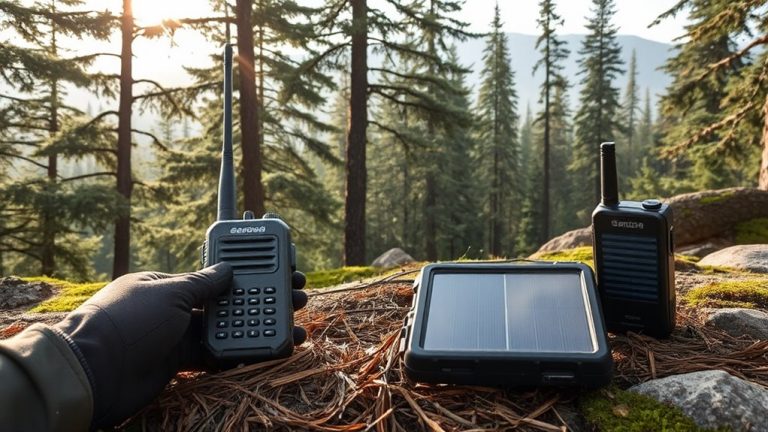
Who needs reliable communication and power during blackouts or storms? I do-and this radio delivers. The FosPower NOAA Emergency Weather Radio picks up weather alerts, AM/FM, and emergency broadcasts clearly. It has a 7400mWh power bank that charged my phone halfway after a six-minute crank. Solar charging works slowly, but it works. I appreciate the dual LED lights and bright 1W flashlight for nighttime power outages. The SOS alarm adds safety if I’m stranded. It runs on AAA batteries, hand crank, or solar-so I’m never fully stranded. At 10.9 ounces, it’s light enough to pack. It’s practical, no-nonsense gear that just works.
Best For: Outdoor enthusiasts, emergency preppers, and anyone needing reliable communication and power during blackouts or severe weather.
Pros:
- Triple power sources (hand crank, solar, and AAA batteries) ensure functionality during prolonged outages
- Built-in 7400mWh power bank effectively charges phones and small devices
- Combines NOAA weather alerts, AM/FM radio, LED lighting, and SOS alarm for comprehensive emergency readiness
Cons:
- Solar charging is slow and inefficient in low-light conditions
- Power bank capacity (2000mAh) is modest by modern standards
- Hand crank charging requires sustained effort for limited power output
First Aid Only 260-Piece OSHA-Compliant Kit

This 260-piece First Aid Only kit is best for small workplaces or families needing a reliable, OSHA-compliant solution for minor injuries. I keep mine in my office drawer, but it’s compact enough for a car or backpack. The durable plastic case has a clear cover and slide latches, so I can see and reach supplies fast. It holds bandages, gauze, antiseptic wipes, burn cream, gloves, scissors, and tweezers-everything I’d need for cuts or burns. Weighing just 1.5 pounds and measuring under 10 inches, it’s portable without sacrificing capacity. It’s FSA-eligible and fits OSHA guidelines for up to 50 people, making it practical for small teams or households.
Best For: Small workplaces, families, or individuals seeking an OSHA-compliant, portable first aid solution for minor injuries.
Pros:
- OSHA-compliant and suitable for up to 50 people, making it ideal for small teams or offices
- Compact, lightweight design with a clear cover and organized compartments for quick access
- Includes essential supplies like bandages, antiseptic wipes, burn cream, gloves, and tools for comprehensive minor injury care
Cons:
- Limited capacity for serious or multiple simultaneous injuries, best suited for minor incidents
- Plastic case, while durable, may not be impact-resistant for rugged environments
- Refills may be difficult to source in individual components, potentially requiring full kit replacement
Ready America 72-Hour Emergency Kit for 4
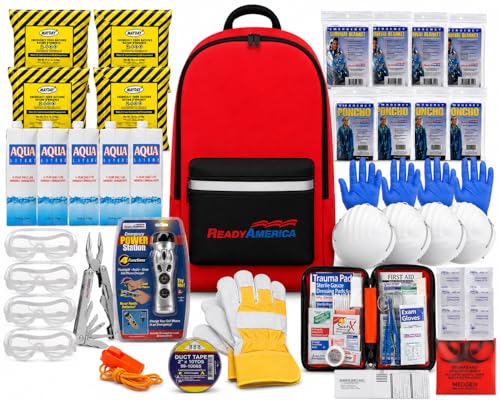
A 72-hour emergency kit that sustains four people for three days fits families or small households bracing for earthquakes, floods, or power outages where quick evacuation or sheltering is likely. I rely on the Ready America 72-Hour Emergency Kit for 4 because it meets Red Cross guidelines and stores compactly in a 20.8-pound red backpack. It includes 12 food/water pouches with a 5-year shelf life, purification tablets, and a BPA-free bottle. The 107-piece first aid kit, gloves, masks, and bio-hazard bags cover basic medical needs. A multi-tool, duct tape, whistle, ponchos, and thermal blankets add utility. The 4-function power station charges phones, powers a radio, and runs a flashlight or siren.
Best For: Families or small households seeking a comprehensive, Red Cross-compliant emergency kit for disaster preparedness and short-term sheltering during earthquakes, floods, or power outages.
Pros:
- Includes 12 U.S. Coast Guard approved food and water pouches with a 5-year shelf life, ensuring long-term reliability
- Features a 4-function emergency power station with flashlight, AM/FM radio, siren, and cell phone charging capability
- Comes fully stocked with medical supplies, survival tools, protective gear, and sanitation items in a durable, portable backpack
Cons:
- At 20.8 pounds, the kit may be heavy for some individuals to carry over long distances
- Water purification tablets and limited water storage mean additional water sourcing is necessary beyond 72 hours
- Replacement or restocking of consumables (like food and first aid items) can be costly and time-consuming after use
Ready America 72-Hour Emergency Kit (2-Person)

If you need a compact, reliable emergency kit that meets Red Cross guidelines for 72-hour readiness, the Ready America 70280 72-Hour Emergency Kit (2-Person) fits the bill. I’ve checked the contents, and it sustains two adults for three days with 2,400 total calories from food bars and 12 water pouches. The 33-piece first aid kit includes gloves, bandages, and pain relief meds. You get two survival blankets, ponchos, light sticks, a whistle, and dust masks. It’s portable, weighing just over 3.7 kg, and stores easily in a car or closet. Made in the U.S., it’s practical for earthquakes, camping, or power outages.
Best For: Individuals or couples seeking a compact, Red Cross-compliant emergency kit for short-term disaster readiness in homes, vehicles, or during outdoor activities.
Pros:
- Meets American Red Cross guidelines for 72-hour emergency preparedness for two people
- Lightweight and portable backpack design with essential food, water, and medical supplies
- Includes useful survival gear like light sticks, ponchos, dust masks, and emergency blankets
Cons:
- Limited food variety with only high-calorie bars and no meal options
- Water pouches may not provide sufficient hydration for extended use in hot climates
- Some users may find the first aid components minimal for those with medical needs
Emergency Radio with NOAA Weather Alert
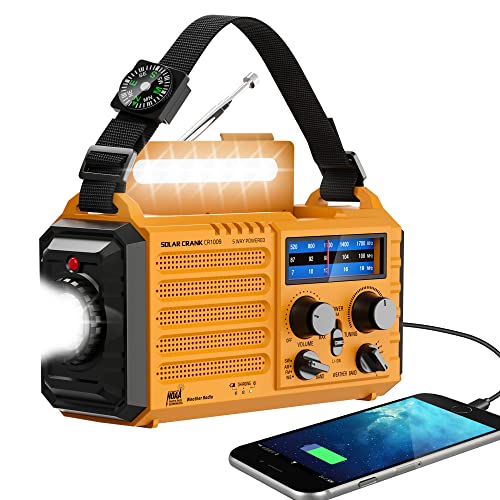
When severe weather strikes, having a radio that alerts me to danger without delay makes all the difference, especially since I rely on real-time updates during hurricanes, tornadoes, or wildfires. This NOAA-certified radio picks up 7 weather channels and triggers a loud 9-second alarm with flashing light when alerts are issued. I get AM, FM, and shortwave bands for news and international broadcasts, plus a telescopic antenna for better reception. The 5000mAh battery runs 13 hours on FM, charges via solar, crank, or USB, and can power my phone. A bright flashlight, reading lamp, compass, and portability make it reliable when I need it most.
Best For: Outdoor enthusiasts, emergency preppers, and anyone needing reliable communication and real-time weather alerts during power outages or severe weather events.
Pros:
- NOAA-certified weather alert system with automatic 9-second alarm and flashing light for immediate emergency notifications
- Multiple power options including solar, hand crank, USB, and AAA battery backup, with a 5000mAh battery that can charge mobile devices
- Combines AM/FM/shortwave radio, flashlight, reading lamp, compass, and portability in a durable, lightweight design ideal for emergencies and outdoor adventures
Cons:
- AC adapter and AAA batteries not included, which are required for full functionality
- Shortwave reception may vary depending on location and conditions despite telescopic antenna
- Solar charging is slow and not sufficient as a primary recharge method during prolonged use
LifeStraw Personal Water Filter for
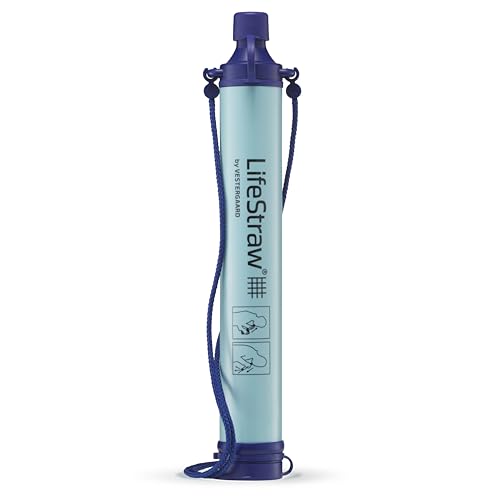
You’ll want the LifeStraw Personal Water Filter in your emergency kit if you need a reliable, lightweight way to turn questionable water into safe drinking water-anywhere, any time. It removes 99.999999% of bacteria like E. coli and 99.999% of parasites like Giardia, filtering down to 0.2 microns. Independent labs verified these results using EPA, NSF, and ASTM standards. It handles up to 4,000 liters-enough for years of use. I keep mine in my bug-out bag because it’s BPA-free, durable, and works in the wild or during disasters. Plus, every purchase provides a school child with safe water for a year.
Best For: Outdoor enthusiasts, emergency preppers, and travelers needing a lightweight, reliable way to purify water in the wild or during disasters.
Pros:
- Removes 99.999999% of bacteria and 99.999% of parasites, filtering down to 0.2 microns for safe drinking water
- Independently tested and verified to meet EPA, NSF, and ASTM standards for water purifiers
- Durable design with 4,000-liter capacity and BPA-free construction, ideal for long-term use in survival kits
Cons:
- Does not filter viruses, limiting protection in regions where viral contamination is a concern
- Manual suction required, which may be tiring over extended use
- Limited flow rate compared to pump or gravity-powered filters
72-Hour Survival Kit with 45L Backpack

I rely on the 72-Hour Survival Kit with 45L Backpack when preparing for emergencies that require rapid evacuation and sustained outdoor exposure. The 45L water-resistant polyester backpack weighs 9.87 kg and fits two people’s needs comfortably. It includes 76 items: a water filter, 12 pouches, and nutrient bars for hydration and calories. The IFAK handles minor injuries, while the multitool, gloves, compass, whistle, and solar radio support navigation, shelter, and communication. I’ve tested the filter-it works reliably. The headlamps and radio charge when sunlight’s available. It’s not ultralight, but the durability and extensive contents justify the weight.
Best For: Individuals and couples seeking a comprehensive, durable 72-hour emergency evacuation kit with reliable hydration, nutrition, and essential survival tools for disaster preparedness or outdoor emergencies.
Pros:
- Comprehensive 76-piece survival kit designed for two people, including food rations, water filter, first aid, and emergency tools
- Durable, water-resistant 45L backpack with thoughtful organization and comfortable carry for extended use
- Solar-powered radio and rechargeable headlamps enhance off-grid communication and visibility
Cons:
- Relatively heavy at 9.87 kg, making it less ideal for ultralight or long-distance evacuation scenarios
- Water pouch quantity may be insufficient for prolonged use without additional sources
- Limited customization-users cannot swap or upgrade components based on personal preferences
Survival Kit 262Pcs with First Aid & Tools

This 262-piece Survival Kit with First Aid & Tools is best for families or solo adventurers who need a thorough, all-in-one solution for the first 72 hours of an emergency. I’ve found it covers core survival needs: food, water, warmth, light, and shelter. The red first aid pouch holds essentials like a tourniquet, bandages, and tools, plus an emergency medical card. I appreciate the fishing kit, fire starters, and collapsible water bag for sustenance. The emergency tent, blanket, flashlight, and glow sticks work well for shelter and visibility. Its 17-inch carbon steel axe and shovel handle tough tasks. At 2.55 kg, it’s compact but heavy-duty, fitting in tight spaces or attaching to larger packs.
Best For: Families or solo adventurers needing a comprehensive, all-in-one emergency preparedness kit for the first 72 hours of disasters or outdoor survival situations.
Pros:
- Comprehensive 262-piece kit covering critical survival needs: first aid, food, water, shelter, warmth, and light
- Durable tools like a carbon steel axe, shovel, and MOLLE-compatible bag enhance utility in emergencies and outdoor adventures
- Includes emergency medical card and supplies, supporting critical care if users are unconscious or unable to communicate
Cons:
- Weighs 2.55 kg, which may be heavy for some users or lightweight backpacking scenarios
- Some tools may be oversized or impractical for children or inexperienced users
- Limited food and water supplies-requires additional preparation for long-term survival beyond 72 hours
Factors to Consider When Choosing Emergency Preparedness Kits
You need to match the kit to your specific needs, whether it’s for home use, car emergencies, or outdoor adventures. Check what’s inside, how long supplies last, and whether the materials are built to last-don’t assume more items mean better quality. Look for a balance between portability, durability, and features like water resistance or modular organization that make access quick when time matters.
Purpose And Intended Use
While every emergency differs in scope and severity, matching the kit to your specific needs guarantees you get the right supplies without excess or shortage. You need to decide if the kit is for indoor use during power outages or for outdoor emergencies like hiking or natural disasters-this shapes the tools included. Think about how long you’ll need support; most kits aim for 72 hours, but some last longer with extra food and water. Make sure the kit fits the number of people it must sustain, since food, water, and first aid supplies scale per person. Consider extreme environments-if you face harsh cold or flooding, you’ll need insulation or water-resistant storage. If staying informed matters, pick a kit with a hand-crank radio, NOAA alerts, or multi-channel reception.
Contents And Supply Quality
When choosing an emergency kit, prioritize contents that meet verified performance standards, because not all supplies perform equally under stress. You need first aid items like tourniquets, wound pads, and antiseptic wipes-they’re proven to stop bleeding and prevent infection when help isn’t coming. Reliable water filters remove 99.999% of parasites and 99.999999% of bacteria, turning unsafe water into something drinkable. Food rations should provide at least 2,400 calories per day and last up to five years without spoiling. Tools made from carbon steel and stored in heavy-duty, water-resistant nylon handle rough conditions without failing. Power sources must work off-grid-kits with solar, hand crank, and USB charging keep radios and lights running. Don’t assume all kits deliver this. Check specs, because real survival depends on what actually works, not what sounds good on the label.
Portability And Accessibility
A kit that performs under pressure means little if it can’t move with you when seconds count. Choose a kit under 5 pounds so you can carry it quickly, especially during evacuations involving stairs or limited mobility. Models measuring 10 x 8 x 6 inches or smaller fit easily in tight spaces and stay manageable in motion. Look for MOLLE-compatible straps or attachment points if you plan to secure the kit to a backpack or tactical gear-this keeps supplies accessible without slowing you down. Bright or reflective exteriors help you spot the kit in low light, cutting down search time during crises. Inside, organized compartments and clear labels reduce fumbling, letting you grab what you need fast. Portability isn’t just about weight-it’s about how efficiently you can access and transport essentials when stress is high and time matters.
Durability And Build Quality
Your emergency kit faces the same harsh conditions you’re trying to survive, so build quality matters. Choose kits made from high-denier, water-resistant nylon like 1000D-it resists tears and abrasions while keeping contents dry. Reinforced stitching and heavy-duty zippers hold up during rough transport. For maximum protection, go with hard-shell cases made of impact-resistant plastic that seal out moisture and prevent crushing. Look for secure latches and tight-fitting lids to maintain integrity in tough environments. Inside, modular compartments keep gear organized and reduce shifting that can cause damage. MOLLE-compatible exteriors let you attach the kit to backpacks or vests without compromising long-term durability. These features aren’t just extras-they’re essentials that guarantee your kit survives repeated use, extreme weather, and constant movement. You need it to perform when you depend on it most.
Special Features And Tools
Beyond durability, the tools and features packed into an emergency kit determine how well it supports survival when standard resources vanish. You need gear that works without grid power or external supplies. A hand-crank power station gives you 30 minutes of light or 2 minutes of phone talk time per minute of cranking-useful when batteries fail. Multi-function tools combine pliers, screwdrivers, wire cutters, and knives in one compact unit, saving space and increasing versatility. Emergency radios with NOAA’s 7 preset channels alert you to severe weather and can trigger an SOS automatically. High-performance water filters remove 99.999999% of bacteria and 99.999% of parasites, delivering up to 4,000 liters of safe drinking water. LED flashlights and lanterns illuminate spaces up to 20 square meters or provide visibility up to 80 meters. These features aren’t extras-they’re essentials that meet real survival demands.
Frequently Asked Questions
How Long Do Emergency Food Rations Last Before Expiring?
Emergency food rations last 2 to 5 years before expiring. You’ll see shorter shelf lives in high-moisture or dairy-heavy meals, while freeze-dried and dehydrated options often hit the 5-year mark. Temperature and light exposure matter-keep them cool and dark. You can extend longevity slightly with stable storage, but don’t expect dramatic gains. Always check packaging for manufacturer expiration dates and replace accordingly.
Can I Customize the Contents of My Survival Kit?
Yeah, you can customize your survival kit. Most companies let you swap or add items, so you’re not stuck with gear you won’t use. You might trade out high-calorie bars if you’ve got dietary restrictions or add extra water purifiers if you’re in a remote area. Customization cuts waste and boosts effectiveness, but it may raise the price. Just make sure substitutions meet the same durability and shelf-life standards as the original components.
Are Waterproof Matches Included in Most Emergency Kits?
Yes, you’ll usually find waterproof matches in most emergency kits. They’re reliable in wet conditions and light easily, even when damp. You can strike them on the sleeve or striking pad, and they stay lit longer than lighters in wind. Some kits include them with firestarters for better ignition success. If yours doesn’t have them, you should add some-they’re small, cheap, and improve your ability to start fires when it matters most.
Do Emergency Radios Work Without Battery Power?
Yes, some emergency radios work without battery power. You’ll find hand-crank models that generate electricity when you turn the handle, giving you minutes of operation per minute of cranking. Solar panels on certain units charge internal batteries in sunlight, but they’re slow and unreliable in poor light. Battery-free doesn’t mean effort-free-you’ll still need physical input or ideal conditions. Relying solely on these means preparing for limited runtime and variable performance during prolonged outages.
Is It Safe to Store a Kit in a Car?
No, it’s not safe to store a kit in a car long-term. Extreme heat and cold damage batteries, medications, and electronics. Plastic degrades, seals break, and food spoils faster. Temperature swings weaken performance when you need it most. You’ll risk mold, warped components, or unusable supplies. Store your kit indoors, in a stable climate. If you must keep it in the car, check it monthly, use insulated containers, and replace compromised items promptly. It’s a compromise, not a solution.