Best Insect Repellents You Can Buy on Amazon Right Now
You get up to 12 hours of protection with 20% picaridin in Sawyer’s spray or 25% DEET in OFF! Deep Woods, both effective against mosquitoes and ticks carrying Zika, Dengue, or Lyme. DEET-based options last longer but can damage synthetics; picaridin is safer for gear and odorless. Oil of lemon eucalyptus gives 6 hours of plant-based defense but needs more frequent application. Permethrin-treated clothing repels insects for weeks. Each choice balances duration, safety, and material compatibility-your best pick depends on environment and exposure. Options vary in format, concentration, and suitability, so weigh these factors based on your needs.
We are supported by our audience. When you purchase through links on our site, we may earn an affiliate commission, at no extra cost for you. Learn more. Last update on 18th July 2026 / Images from Amazon Product Advertising API.
Notable Insights
- Sawyer Premium with 20% picaridin offers up to 12 hours of odorless, non-greasy protection safe for skin and gear.
- OFF! Deep Woods with 25% DEET provides up to 12 hours of defense against mosquitoes and ticks in a fast-drying aerosol.
- Repel 100 Insect Repellent with 98.11% DEET delivers up to 10 hours of protection, ideal for high-exposure environments.
- Oil of lemon eucalyptus repellents are plant-based, effective up to 6 hours, and suitable for children aged 3 and up.
- Permethrin spray treats clothing and gear, repelling over 55 insects and remaining effective through six washes.
Repel 100 Insect Repellent with DEET (4 oz)

If you’re facing severe insect pressure in high-risk areas, Repel 100 Insect Repellent with 98.11% DEET is the one product I rely on when failure isn’t an option. It delivers up to 10 hours of protection against mosquitoes, ticks, biting flies, gnats, chiggers, and fleas. I’ve used it in regions with Zika, West Nile, Dengue, and Chikungunya risks-it keeps biting insects off consistently. The 4-ounce pump spray is compact, travel-friendly, and easy to attach to gear. High DEET concentration means longer coverage, though it can damage some plastics. For survival-level defense, this repellent performs without surprises.
Best For: Outdoor adventurers and travelers facing extreme insect exposure in high-risk, disease-prone areas who need maximum, long-lasting protection.
Pros:
- Provides up to 10 hours of continuous, broad-spectrum protection against mosquitoes, ticks, biting flies, gnats, chiggers, and fleas
- Effective against disease-carrying mosquitoes, including those that transmit Zika, West Nile, Dengue, and Chikungunya
- Compact 4-ounce pump spray is portable and gear-friendly for travel and outdoor expeditions
Cons:
- 98.11% DEET concentration can damage plastics, synthetic fabrics, and electronics
- Strong chemical odor and potential for skin irritation with prolonged or improper use
- Overkill for low-insect environments; not ideal for casual or daily urban use
Sawyer Premium Insect Repellent with 20% Picaridin

I rely on Sawyer Premium Insect Repellent with 20% Picaridin when I need long-lasting protection that won’t damage my gear or leave a sticky residue on my skin. It gives me up to 12 hours against mosquitoes and ticks, 8 hours against flies and gnats. It’s odorless, non-greasy, and dries fast, so it’s comfortable for long hikes or camping trips. I trust it against disease-carrying insects, including those linked to Lyme, Zika, and West Nile. It’s safe on clothing, sunglasses, and gear-won’t harm plastics or finishes. I use it alongside Permethrin spray for full coverage. Wirecutter rated it top in 2020. It works.
Best For: Outdoor enthusiasts who need long-lasting, skin- and gear-safe insect protection during extended activities like hiking, camping, and hunting.
Pros:
- Provides up to 12 hours of protection against mosquitoes and ticks, and up to 8 hours against flies, gnats, and chiggers
- Odorless, non-greasy, and dries quickly for comfortable, all-day wear
- Safe on skin, clothing, and sensitive materials like plastics, watches, and firearms without causing damage
Cons:
- Topical application only, requiring reapplication after prolonged exposure or sweating
- May be less effective if not paired with permethrin-treated clothing for full insect defense
- Limited availability compared to more mainstream insect repellents
Off! Clean Feel Insect Repellent (2-Pack)

Clean Feel Insect Repellent (2-Pack) uses 20% picaridin, which I know works well against mosquitoes, ticks, and biting flies without needing DEET. It dries fast and doesn’t leave skin greasy or clothes stained-something I’ve found matters when you’re layering gear. I get up to 8 hours of protection, which holds up on long hikes or camping trips. The aerosol sprays evenly with a simple sweep, cutting down prep time. It’s fragrance-free and feels light, which I appreciate during hot, humid outings. I’ve used it while fishing and traveling with no irritation. It’s not flashy, but it’s dependable when you need solid, no-mess repellent coverage.
Best For: Outdoor enthusiasts like hikers, campers, and travelers seeking a reliable, DEET-free insect repellent that’s lightweight, non-greasy, and safe for skin and clothing.
Pros:
- Provides up to 8 hours of protection against mosquitoes, ticks, and biting flies
- Fast-drying, fragrance-free formula that leaves no oily residue or stains
- Easy, even aerosol application with minimal prep time
Cons:
- Aerosol format may be less eco-friendly compared to pump sprays
- May require reapplication after heavy sweating or water exposure
- Slightly higher price point compared to some conventional repellents
OFF! Deep Woods Insect Repellent Aerosol (4 Oz, 2 Count)

You want serious protection when heading deep into mosquito- and tick-prone areas, and OFF! Deep Woods delivers. I rely on its 25% DEET formula because it consistently repels mosquitoes, ticks, and other biting bugs for hours. It’s aerosol spray goes on powder-dry-no grease, no residue, no stains. This repellent helps block mosquitoes carrying Zika, Dengue, and West Nile, and reduces risk of Lyme disease from ticks. Two 4 oz cans are ideal for camping, hiking, or hunting. I keep it handy but store it away from kids and pets. It’s straightforward, effective, and built for real outdoor challenges.
Best For: Outdoor enthusiasts heading into areas with high mosquito and tick populations who need long-lasting, reliable insect protection.
Pros:
- Contains 25% DEET for effective, long-lasting defense against mosquitoes, ticks, biting flies, and other insects
- Aerosol spray applies powder-dry with no grease, residue, or stains on skin or clothing
- Helps protect against insect-borne diseases like Zika, Dengue, West Nile, and Lyme disease
Cons:
- Contains DEET, which some users may prefer to avoid due to skin sensitivity or environmental concerns
- Aerosol can may be less convenient or permitted in certain environments compared to pump sprays or lotions
- Limited quantity (two 4 oz cans) may require frequent repurchasing for frequent outdoor use
OFF! Clean Feel Insect Repellent Aerosol 5 oz
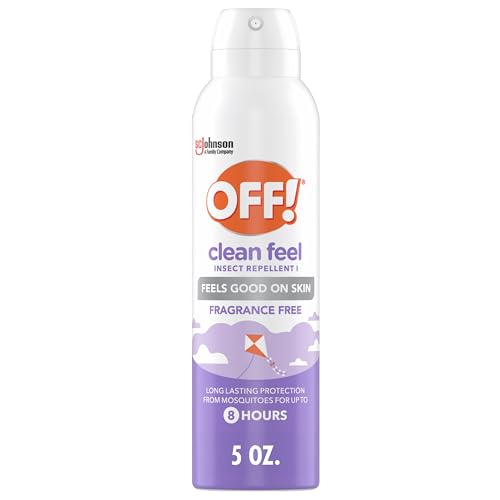
Because it uses 20% picaridin, the OFF! Clean Feel Insect Repellent Aerosol dries fast and leaves no grease or stickiness. I find it effective against mosquitoes, ticks, and biting flies for up to 8 hours, so I don’t need to reapply often. The aerosol sprays evenly with a simple sweep, cutting down prep time before hikes or campouts. It’s fragrance-free, feels light on skin, and hasn’t stained my clothes. I’ve used it on trips involving fishing and backpacking, and it holds up well. It’s not overkill-just reliable protection without the DEET. If you want something simple and clean, this one works.
Best For: Outdoor enthusiasts seeking a DEET-free, lightweight insect repellent that provides long-lasting protection without residue or odors.
Pros:
- Offers up to 8 hours of protection against mosquitoes, ticks, and biting flies
- Fast-drying, non-greasy, and fragrance-free formula that’s gentle on skin and safe for clothing
- Easy, even application with aerosol spray for quick outdoor prep
Cons:
- May be less effective in extremely high insect populations compared to higher-concentration DEET products
- Aerosol format can be sensitive to temperature and altitude changes during travel
- Not recommended for use on damaged skin or under protective gear due to potential inhalation concerns
Repel Plant-Based Insect Repellent (2-Pack)

If avoiding synthetic chemicals matters to you, Repel’s plant-based formula delivers real protection without cutting corners. I use the 2-pack of 4-ounce sprays regularly, and the oil of lemon eucalyptus repels mosquitoes for up to six hours. It works on species that carry Zika, West Nile, Dengue, and Chikungunya. I apply it topically-it’s non-greasy, dries quickly, and leaves a faint, invigorating lemon-eucalyptus scent instead of that harsh chemical smell. It’s not for kids under three, which is standard for plant-based repellents. You trade DEET’s synthetic edge for natural ingredients, and in my experience, it performs reliably in low- to moderate-bug areas.
Best For: Outdoor enthusiasts seeking a DEET-free, plant-based insect repellent with effective, long-lasting protection from disease-carrying mosquitoes.
Pros:
- Repels mosquitoes for up to 6 hours, including species that transmit Zika, West Nile, Dengue, and Chikungunya
- Made with natural oil of lemon eucalypt passion ingredients and leaves behind a refreshing, non-chemical scent
- Non-greasy, quick-drying formula suitable for adults and children 3 years and older
Cons:
- Not safe for children under 3 years old, limiting use for families with very young kids
- Slightly less effective in high-bug-pressure areas compared to DEET-based repellents
- Plant-based formula may require more frequent reapplication in humid or sweaty conditions
Sawyer Permethrin Insect Repellent for Gear

Sawyer’s Permethrin Insect Repellent for Gear is a go-to solution for outdoor enthusiasts who need long-lasting, reliable protection from disease-carrying ticks and mosquitoes. I use it on my clothes, tents, and gear because it bonds to fabric and lasts up to six weeks or six washes. One 18-ounce can treats about four outfits at the recommended 4.5 ounces per outfit. It’s odorless and won’t damage fabrics. Studies show it reduces tick bites by 73.6 times when applied to shoes and socks. It also repels over 55 insects, including those carrying Lyme, Zika, and West Nile. I rely on it during camping, hunting, and travel.
Best For: Outdoor enthusiasts who need long-lasting protection from ticks, mosquitoes, and other disease-carrying insects during activities like camping, hunting, and travel.
Pros:
- Bonds to fabric and remains effective for up to 6 weeks or 6 washes
- Reduces tick bites by 73.6 times when applied to shoes and socks
- Repels over 55 insect types, including those that carry Lyme, Zika, and West Nile viruses
Cons:
- Requires proper application timing and ventilation due to aerosol formula
- Effectiveness diminishes with UV exposure and washing, not just time or use
- Not suitable for direct application on skin, requiring additional repellent for full protection
OFF! Dry Insect Repellent Aerosol 2.5 oz

When you’re hiking in tick-heavy woods or wading through mosquito swarms near standing water, protection isn’t a luxury-it’s a necessity. I rely on OFF! Dry Insect Repellent Aerosol because it delivers 25% DEET, the concentration recommended for reliable defense against mosquitoes, ticks, and biting flies. It protects against disease-carrying pests, including those that transmit Zika, West Nile, and Lyme disease. The spray dries fast, leaves no greasy residue, and won’t cling to skin or clothes. At 2.5 oz, it’s compact enough for packs or pockets. Yes, DEET can feel harsh on sensitive skin, but for proven, long-lasting protection in high-risk areas, this one works without fail.
Best For: Outdoor enthusiasts and travelers in high-risk bug areas who need strong, long-lasting protection from disease-carrying mosquitoes, ticks, and biting insects.
Pros:
- Contains 25% DEET, providing effective, long-lasting defense against mosquitoes, ticks, and other biting pests
- Dry aerosol formula leaves a non-greasy, powder-dry finish that doesn’t cling to skin or clothing
- Compact 2.5 oz size makes it ideal for packing in backpacks or travel bags
Cons:
- DEET concentration may feel harsh or cause irritation on sensitive skin
- Strong chemical scent may be unpleasant to some users
- Not recommended for use on infants or prolonged use without reapplication guidance
OFF! Family Care Mosquito & Tick Repellent (15% DEET)

Family Care when I need dependable, long-lasting protection. Its 15% DEET formula stops mosquitoes, ticks, flies, gnats, chiggers, and fleas-critical for camping or hiking in bug-heavy areas. It works against disease-carrying mosquitoes, including those spreading Zika, Dengue, and West Nile. The aerosol spray applies smoothly, dries powder-dry, and leaves no grease. I’ve used it on skin and clothing with no issues. Two 4 oz cans fit easily in my pack or glove box. SCJohnson’s formula isn’t flashy, but it’s proven, portable, and effective. Just follow label safety steps-it’s safe for family use when handled properly.
Best For: Outdoor enthusiasts and families needing reliable, long-lasting protection from mosquitoes, ticks, and other biting insects during activities like camping, hiking, and gardening.
Pros:
- Effective 15% DEET formula repels a wide range of insects, including disease-carrying mosquitoes
- Powder-dry, non-greasy aerosol application that works on skin and clothing
- Compact, travel-friendly design with two 4 oz cans for convenient storage and portability
Cons:
- Contains DEET, which some users may prefer to avoid due to skin sensitivity or environmental concerns
- Aerosol format may be less effective in windy conditions and requires careful handling around children
- Can leave residue on fabrics if over-applied, despite claims of being non-greasy
Sawyer Picaridin Insect Repellent Spray (3 oz, 2-Pack)

If you’re looking for long-lasting protection that handles mosquitoes, ticks, and biting flies without damaging gear or leaving residue, this Sawyer Picaridin Insect Repellent Spray is the one I rely on. It contains 20% picaridin, works for up to 12 hours against mosquitoes and ticks, and lasts 8 hours against flies and gnats. I’ve used it on hikes, camping trips, and in the backyard with no bites. It’s odorless, dries fast, and won’t harm plastics or fabrics. I pair it with Sawyer Permethrin on clothes for maximum defense. Wirecutter recommends it, and I’ve found it outperforms DEET when biting flies are around.
Best For: Outdoor enthusiasts seeking long-lasting, broad-spectrum insect protection that’s safe for gear and family use.
Pros:
- Provides up to 12 hours of protection against mosquitoes and ticks, and 8 hours against flies and gnats
- Odorless, non-greasy, and safe for use on skin and synthetic materials
- More effective than DEET at repelling biting flies and doesn’t damage plastics or fabrics
Cons:
- Requires reapplication every 8–12 hours depending on pest exposure
- May be less effective if not paired with permethrin-treated clothing for full protection
- Limited availability in some retail outlets compared to mainstream DEET-based repellents
Factors to Consider When Choosing Insect Repellent Amazon
You should check the active ingredient first-it determines what bugs the repellent works against and how long it lasts. Consider how you’ll use it: sprays cover more area, but lotions stay put and won’t damage gear or skin with repeated use. Protection time and safety on fabrics matter just as much as coverage, especially if you’re in high-risk areas or wearing sensitive clothing.
Active Ingredient Choice
While active ingredient choice drives both effectiveness and usability, picking the right one means balancing protection duration, safety, and application method. You’ll find DEET 20–25% stops mosquitoes and ticks for up to 12 hours, but it can feel greasy and damage plastics. Picaridin at 20% delivers the same coverage without odor or residue, making it a cleaner alternative. If you prefer plant-based options, Oil of Lemon Eucalyptus offers solid mosquito defense for about 6 hours, though you shouldn’t use it on kids under three. Permethrin isn’t for skin, but when you spray it on clothing, it kills and repels over 55 insects for up to six weeks or washes. It’s ideal for gear or long outdoor trips. Your choice affects safety, comfort, material compatibility, and age suitability-so match the ingredient to your environment, clothing, and personal needs.
Protection Duration
Up to 12 hours of protection is possible with the right formula, but duration depends on the active ingredient and environmental conditions. If you use a product with 20% picaridin, you’ll likely get up to 12 hours against mosquitoes and ticks, though biting flies and gnats may require more frequent application. Repellents with 25% DEET offer solid coverage for 8–10 hours. Plant-based options usually last up to 6 hours, so you’ll need to reapply more often. Keep in mind that protection time drops if you’re sweating, swimming, or active-water and friction reduce effectiveness. A product might claim 12-hour coverage, but in real use, you may get less. Match the repellent’s duration to your activity length and the insects present. Longer protection saves time and improves safety, but only if conditions allow it. Choose based on your actual exposure.
Application Method
How you apply repellent matters just as much as what’s in it. Aerosol sprays give you fast, even coverage with a simple sweep, ideal for large skin or clothing areas. You’ll cover more ground quickly, and continuous spray mechanisms help eliminate missed spots. If you prefer precision, pump sprays deliver controlled bursts without propellants, reducing waste and letting you target specific areas. Lotions and non-greasy sprays absorb fast, leaving little residue so you stay comfortable during long wear. Dry or powder-finish sprays won’t stain clothes and work well on synthetics, adding versatility. Each method has trade-offs: aerosols are efficient but harder to control; pump sprays are mess-free but slower. Choose based on speed, accuracy, and comfort you need. Your application method directly affects how well and evenly protection sets in.
Fabric And Surface Safety
You need a repellent that won’t ruin your gear, and that starts with knowing how ingredients interact with materials. DEET can damage plastics, nylon, and rayon, so you’ll want to avoid it near sensitive items like watch bands or eyewear. If you’re using gear made of synthetics-backpacks, tents, fishing line-opt for picaridin instead; it’s safe on most fabrics and surfaces. Permethrin-based sprays bond to fabric and stay effective through washes without degrading material, but they’re for gear only, not skin. Oil-based formulas may stain or weaken fibers over time, leaving residues on clothing or equipment. Instead, pick non-greasy, fast-drying options that won’t transfer easily. Always check labels for warnings about material compatibility. Repellents marked safe for both skin and synthetics give you flexibility without sacrificing durability. Choose wisely to protect both you and your gear.
Disease Coverage
Protecting your gear matters, but so does shielding yourself from insects that carry serious diseases. You need a repellent that covers viruses like Zika, Dengue, Chikungunya, and West Nile, all spread by Aedes or Culex mosquitoes. Effective options also guard against tick-borne threats such as Lyme disease and tick-borne encephalitis. For real protection, choose products with DEET, picaridin, or oil of lemon eucalyptus-ingredients proven to deter disease-carrying vectors. Look for formulas offering up to 12 hours of coverage; longer protection means fewer reapplications and lower exposure during extended outdoor stays. Since mosquitoes and ticks account for most human arboviral and bacterial infections, your repellent must target both. Don’t assume all sprays deliver equal defense-check labels for specific disease coverage and active ingredient concentration. A strong repellent reduces transmission risk by stopping host-seeking behavior before it starts.
User Comfort And Feel
A well-designed insect repellent doesn’t just work-it feels right on your skin and clothing. You’ll notice the difference with picaridin formulas; they dry quickly, leave no grease, and barely register on your skin. Aerosol sprays often deliver a powder-dry finish, cutting down stickiness and residue. If you’re sensitive to smells, go fragrance-free-those versions avoid irritating odors without sacrificing performance. High-concentration DEET works well but can feel heavy or oily unless the formula’s been refined. Newer versions manage this better. You also want non-staining sprays, especially if you’re applying to clothes. No one needs ruined fabric. Comfort matters on long hikes, overnight trips, or humid days, and the best products balance effectiveness with a clean, light feel. You stay protected without constant awareness of the product. That’s what makes a repellent wearable, not just usable.
Frequently Asked Questions
How Long Does DEET Last on Clothing?
Deet lasts up to six hours on clothing, depending on concentration and conditions. You’ll get longer protection with 30% deet versus 10%, but high heat or humidity can shorten effectiveness. It binds well to fabric, especially tightly woven materials, and stays active through light sweating or brief moisture exposure. However, repeated washing removes residues, so you’ll need reapplication. It’s reliable, but you trade slight fabric stiffness and odor for proven insect defense.
Can Picaridin Be Used on Broken Skin?
You shouldn’t apply picaridin on broken skin. It’s formulated for intact skin only, and using it on cuts or abrasions can cause stinging or irritation. While picaridin is generally gentle and less likely to damage gear or fabrics, its safety profile assumes healthy skin. If your skin’s compromised, cover the area or use physical barriers like clothing or nets instead. Stick to the label-you’ll avoid discomfort and still get effective bite protection where it’s safe to apply.
Is Permethrin Safe for Pets to Touch?
You shouldn’t let pets touch permethrin-treated gear until it’s fully dry. Wet permethrin is toxic to cats and can sicken dogs if ingested through licking. Once dried, the risk drops considerably, but it’s still best to keep pets away during application. Never apply permethrin directly to pets unless it’s a veterinary-approved product. Using it improperly risks their health, even if it boosts your bug protection out in the field.
Does Plant-Based Repellent Work Against Ticks?
No, plant-based repellents don’t work as well against ticks. You’ll find they offer shorter protection-often under 2 hours-compared to chemical options like DEET or picaridin. Oils like lemon eucalyptus might repel some ticks initially, but they degrade quickly with sweat and moisture. If you’re in high-risk tick areas, you’re taking a real risk skipping proven formulas. They’re safer for sensitive skin, but you trade effectiveness and duration. Know what you’re up against.
Can I Use Aerosol Sprays Indoors Safely?
You can use aerosol sprays indoors safely if you follow label instructions and guarantee proper ventilation. Open windows or use fans to disperse vapors quickly. Avoid spraying near open flames or sparks-many aerosols are flammable. Don’t oversaturate surfaces; a light, even coat works best. Prolonged inhalation can irritate lungs, so step outside after application. Choose low-VOC or non-aerosol alternatives if you have respiratory sensitivities or poor airflow.