Best Mosquito Repellents for Backpacking That Keep Bites at Bay
You’ll stay bite-free with 98% DEET sprays like Repel 100, giving up to 10 hours of protection in extreme conditions. Sawyer’s 20% picaridin lotion offers 14 hours of non-greasy, gear-safe coverage. Pair either with permethrin-treated clothing for proven tick defense. Use Thermacell for campsite zones or head nets in buggy areas. Wipes offer convenient single-use application. Natural balms last only 2 hours. Your best defense combines long-lasting formulas, proper application, and layered protection-options depend on duration, insect pressure, and gear sensitivity.
We are supported by our audience. When you purchase through links on our site, we may earn an affiliate commission, at no extra cost for you. Learn more. Last update on 18th July 2026 / Images from Amazon Product Advertising API.
Notable Insights
- High-concentration DEET repellents like Repel 100 offer up to 10 hours of protection, ideal for extreme backcountry conditions.
- Picaridin-based repellents such as Sawyer 20% provide long-lasting, odorless protection without damaging gear or skin.
- Permethrin-treated clothing repels and kills insects on contact, lasting up to 6 weeks or 6 washes.
- Thermacell devices create a 15-foot odorless repellent zone, ideal for stationary campsite protection.
- Insect repellent wipes with 25% DEET offer portable, mess-free application for on-the-go bite prevention.
Repel 100 Insect Repellent (98% DEET)

If you’re heading into mosquito-heavy backcountry where disease-carrying insects are a real risk, Repel 100 Insect Repellent is the one product I trust for long-term protection. It delivers up to 10 hours of coverage with 98.11% DEET, repelling mosquitoes, ticks, and other biting pests. The CDC recommends DEET for high-risk areas, and I’ve used this in extreme terrain without incident. The 1 fl oz pump spray is compact, fits easily in my pack, and the flip-top cap prevents leaks. At just 1 ounce, it’s light but rugged. Yes, it’s strong-smelling and can damage plastics, but for pure effectiveness in severe conditions, nothing outperforms it.
Best For: Outdoor enthusiasts and adventurers venturing into heavily infested, disease-prone backcountry areas requiring maximum, long-lasting insect protection.
Pros:
- Provides up to 10 hours of proven protection against mosquitoes, ticks, and other disease-carrying insects
- CDC-recommended 98.11% DEET formulation for extreme insect conditions
- Compact, lightweight 1 fl oz pump spray with leak-resistant flip-top cap for easy portability
Cons:
- Strong chemical odor and potential to damage plastics or synthetic materials
- High DEET concentration may be harsh on sensitive skin with prolonged use
- Overkill for casual or low-exposure environments due to its potency
Repel 100 Insect Repellent Pump Spray 4 oz

I rely on the Repel 100 Insect Repellent Pump Spray 4 oz when heading into mosquito-heavy backcountry where long-lasting, reliable protection is non-negotiable. It delivers up to 10 hours of defense with 98.11% DEET, the CDC-recommended standard for blocking mosquitoes that carry Zika, West Nile, and other serious viruses. I’ve used it in swarms with no bites, and it also repels ticks, gnats, and biting flies. The pump spray is bulkier than aerosols but safer for backpacking-no pressurized can. At 5.3 oz, it’s light enough to carry without regret.
Best For: Outdoor enthusiasts and travelers needing maximum, long-lasting protection against mosquitoes, ticks, and other biting insects in high-risk areas.
Pros:
- Delivers up to 10 hours of effective protection with 98.11% DEET, ideal for extreme insect conditions
- CDC-recommended for defense against disease-carrying mosquitoes, including those transmitting Zika and West Nile viruses
- Pump spray design is non-pressurized and safe for backpacking and travel
Cons:
- High DEET concentration may be too strong for sensitive skin or casual use
- Bulkier than aerosol alternatives, taking up more space in packs
- Strong chemical odor and potential to damage plastics or synthetic materials
Sawyer Insect Repellent 20% Picaridin Lotion 4-Ounce

The Sawyer Insect Repellent 20% Picaridin Lotion in its 4-ounce size works best for backpackers who need long-lasting protection without sacrificing gear safety or comfort. I rely on it because it’s effective up to 14 hours against mosquitoes and ticks, and 8 hours against biting flies and gnats. It’s non-greasy, dries fast, and won’t damage my gear, which matters when I’m wearing synthetics or carrying expensive equipment. Unlike DEET, it doesn’t eat through plastics or coatings. I apply it to skin and clothing without hesitation, and it’s safe for the whole family. I use it alongside Sawyer Permethrin for maximum defense.
Best For: Backpackers and outdoor enthusiasts seeking long-lasting, gear-safe insect protection that’s effective against mosquitoes, ticks, and biting flies.
Pros:
- Provides up to 14 hours of protection against mosquitoes and ticks, and up to 8 hours against biting flies, gnats, and chiggers
- Non-greasy, odorless, and dries quickly without damaging synthetic fabrics, plastics, or outdoor gear
- Safe for use on skin, clothing, and gear, and suitable for the whole family when combined with permethrin treatment
Cons:
- Slightly shorter protection duration against biting flies compared to mosquitoes and ticks
- Lotion format may be less convenient to apply evenly than spray alternatives
- Bottle color may vary, which could cause confusion with other products in similar packaging
Thermacell Mosquito Repeller Gen 2.0 (16-Hour Protection)

For backpackers needing reliable, hands-free protection without relying on sprays, the Thermacell Mosquito Repeller Gen 2.0 delivers a 15-foot defensive zone that stays effective for up to 16 hours using replaceable mats. I’ve used it on multi-day trips, and it consistently repels mosquitoes without DEET, smoke, or skin application. It weighs just 4 ounces and runs on common EN417 fuel canisters, lasting up to 90 hours on a 4 oz. canister. The mats turn color when spent, so I know when to replace them. It works up to 7,000 feet and activates in 15 minutes. While it needs fuel, I prefer it over lotions when I want broad, low-maintenance coverage.
Best For: Backpackers and outdoor enthusiasts seeking a hands-free, DEET-free mosquito repellent that provides consistent, low-maintenance protection in remote areas.
Pros:
- Creates a 15-foot zone of effective mosquito protection with no smoke, flame, or skin application
- Lightweight (4 oz) and portable, ideal for backpacking, camping, and use up to 7,000 feet elevation
- Uses scent-free, color-changing mats and common EN417 fuel canisters for easy maintenance and up to 90 hours of runtime
Cons:
- Requires disposable fuel canisters, which add ongoing cost and environmental consideration
- Takes 15 minutes to activate and reach full effectiveness
- Limited to outdoor use and less effective in windy conditions that disrupt the repellent zone
OFF! Deep Woods Insect Repellent Wipes (12-Pack)

Need reliable, long-lasting protection without the mess? I keep a pack of OFF! Deep Woods Insect Repellent Wipes in my backpack for quick, clean application. Each towelette has 25% DEET, which I know works against mosquitoes, ticks, biting flies, gnats, chiggers, and fleas. They’ve got me through 8-hour hikes with no bites. These individually wrapped wipes stay moist and effective, fitting easily in my pack or pocket. They help protect against mosquitoes that may carry Zika, Dengue, and West Nile viruses-something I don’t take lightly in bug-prone areas. Just follow the label, keep them away from kids and pets, and you’ll be covered.
Best For: Outdoor enthusiasts and travelers needing reliable, long-lasting insect protection in high-exposure environments.
Pros:
- Provides up to 8 hours of protection against mosquitoes, ticks, biting flies, gnats, chiggers, and fleas
- Individually wrapped wipes stay moist and portable, ideal for on-the-go use
- Contains 25% DEET to help protect against disease-carrying mosquitoes, including those that may transmit Zika, Dengue, and West Nile viruses
Cons:
- Contains 25% DEET, which may be too strong for sensitive skin or young children
- Single-use wipes create more waste compared to pump or aerosol repellent options
- Must be stored carefully and kept away from children and pets due to potency and packaging
Ranger Ready Picaridin Insect Repellent Spray (3.4 oz)
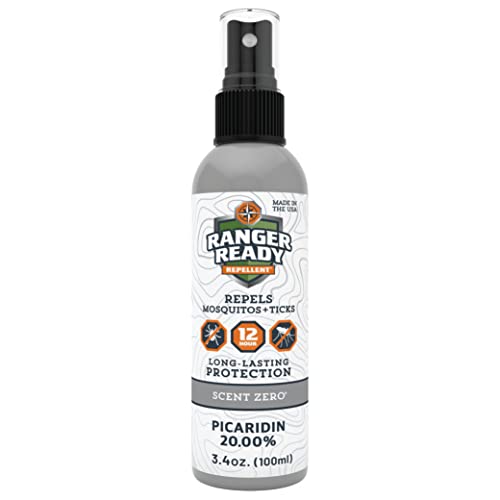
Though I prioritize lightweight gear, I won’t compromise on protection, and that’s why Ranger Ready’s 20% Picaridin spray stands out for backpackers who need long-lasting, broad-spectrum insect defense without damaging sensitive equipment. It protects against mosquitoes and ticks for up to 12 hours and repels gnats, biting flies, chiggers, no-see-ums, and fleas for up to 8 hours. The formula is DEET-free, odorless, and won’t stain clothes or harm plastics, fishing lines, or gear. I can safely use it around kids aged 1+. The non-aerosol 3.4 oz bottle meets TSA rules and delivers 30+ applications.
Best For: Backpackers and outdoor families seeking long-lasting, gear-safe insect protection without DEET or strong scents.
Pros:
- Provides up to 12 hours of protection against mosquitoes and ticks, and up to 8 hours against gnats, biting flies, chiggers, no-see-ums, and fleas
- DEET-free, odorless formula that’s safe for clothing, gear, and kids aged 1 year and older
- Non-aerosol, TSA-compliant 3.4 oz bottle offering 30+ full-body applications
Cons:
- Shorter protection duration for some insects (8 hours) compared to maximum 12-hour claim for mosquitoes and ticks
- May require more frequent reapplication in high-bug-population areas
- Picaridin may be less familiar to some users compared to DEET, requiring education on effectiveness
Ben’s 100 Alcohol-Free Tick & Insect Repellent (2 Pack)

I carry Ben’s 100 Alcohol-Free Tick & Insect Repellent when I need maximum protection in bug-heavy terrain. Its 100% DEET formula delivers up to 10 hours of defense against mosquitoes and ticks-critical in high-risk areas. The alcohol-free mix is less harsh on skin and gear, though it can feel heavier than picaridin sprays. The 3.4 fl oz pump bottle is easy to apply with one hand, and the included 1.25 fl oz travel size fits well in small packs. Made and tested in New Hampshire’s White Mountains, it holds up in wet, hot, and rough conditions. It’s not the lightest option, but it’s among the most dependable.
Best For: Outdoor adventurers, hikers, and backpackers needing maximum, long-lasting protection against ticks and biting insects in high-risk environments.
Pros:
- Delivers up to 10 hours of protection with a 100% DEET formula, ideal for extreme bug-heavy conditions
- Alcohol-free formula is gentler on skin and less damaging to gear compared to alcohol-based sprays
- Durable, travel-ready design with a convenient pump spray and included 1.25 fl oz size for on-the-go use
Cons:
- Heavier feel on the skin compared to lighter alternatives like picaridin-based repellents
- Strong odor and greasy residue common with high-concentration DEET products
- Not the most compact or lightweight option for minimalist packers
Sawyer Permethrin Insect Repellent for Gear

If you’re serious about minimizing insect threats during backpacking trips, especially in tick- and mosquito-prone areas, treating your gear with Sawyer Permethrin gives you one of the most effective, long-lasting defenses available. I apply it to my clothes, boots, and tent before trips, and it stays effective for up to six washes or six weeks. A University of Rhode Island study found permethrin-treated footwear reduced tick bites by over 70 times compared to untreated gear. It’s odorless, doesn’t damage fabrics, and works on synthetics and natural fibers. One 4.5-ounce bottle treats a full outfit, and the spray bonds tightly, surviving sweat and rain.
Best For: Outdoor enthusiasts like hikers, campers, and hunters who need long-lasting, effective insect protection from disease-carrying ticks, mosquitoes, and other pests.
Pros:
- Provides up to 6 weeks of protection or through 6 washes, bonding tightly to clothing, gear, and tents
- Proven to reduce tick bites by over 70 times when used on footwear, with effectiveness equal to 100% DEET
- Odorless, safe for fabrics and materials, and remains effective through sweat, rain, and UV exposure
Cons:
- Requires pre-treatment of gear and clothing, not suitable for direct skin application
- Protection degrades with repeated washing and prolonged UV exposure
- Each outfit requires a full 4.5-ounce bottle, which may be cumbersome for extended trips
South to East Mosquito Head Net 2-Pack

The South to East Mosquito Head Net 2-Pack is a smart choice for backpackers who need reliable, chemical-free insect protection without sacrificing breathability or field of view. I’ve used it on hikes and during camping trips, and the hexagonal polyethylene mesh-620 holes per square inch-keeps even tiny bugs out. At just 1.76 ounces, it’s light and packable. The extra-long, rectangular design fits comfortably over any hat, giving full neck coverage without restricting vision or airflow. It’s tear-resistant and handles wind well. While it doesn’t repel insects chemically, the physical barrier works consistently. I appreciate the 2-pack value and the brand’s 24-hour support.
Best For: Outdoor enthusiasts seeking lightweight, chemical-free insect protection during hiking, camping, fishing, and travel.
Pros:
- Ultra-lightweight and packable with excellent breathability and high visibility
- Extra-fine 620 holes per square inch mesh provides superior protection against small bugs
- Fits comfortably over most hats with full neck coverage and tear-resistant construction
Cons:
- No chemical repellent, relying solely on physical barrier for protection
- One-size design may not fit all headwear snugly in windy conditions
- Polyethylene material, while durable, may not withstand prolonged abrasion or sharp contact
Murphy’s Naturals Mosquito Repellent Balm 2 oz

This balm’s plant-based formula makes it the best choice for backpackers who prioritize natural products without relying on synthetic chemicals. I use it because it contains essential oils like cedarwood, lemongrass, and rosemary that effectively mask my scent from mosquitoes. It offers up to 2 hours of protection per application, which is solid for short hikes or campsite use. The 2 oz stick is compact and mess-free, fitting easily in my pack. I apply it quickly to exposed skin before dusk. It’s made in the USA with sustainably sourced ingredients, aligning with my preference for responsible gear.
Best For: Outdoor enthusiasts and eco-conscious backpackers seeking a natural, portable mosquito repellent without synthetic chemicals.
Pros:
- Plant-based formula with essential oils like cedarwood, lemongrass, and rosemary provides effective, natural mosquito protection
- Compact 2 oz balm stick allows for mess-free, targeted application ideal for on-the-go use
- Sustainably sourced ingredients and proudly made in the USA support environmental responsibility
Cons:
- Offers only up to 2 hours of repellency, requiring frequent reapplication for longer outings
- May be less effective in high mosquito populations compared to synthetic repellents
- Scent, while natural, may not be pleasant for all users
Factors to Consider When Choosing a Mosquito Repellent for Backpacking
You need a repellent that lasts long enough to cover your hikes without reapplying every hour, so check the protection duration based on active ingredients like DEET, picaridin, or oil of lemon eucalyptus. How you apply it-spray, lotion, or balm-affects convenience and control, especially when moving fast or packing light. Consider size, weight, and skin safety too, since what’s small and leakproof might irritate, while gentle formulas could take up more space.
Protection Duration
When choosing a mosquito repellent for backpacking, how long it protects you matters as much as what’s in it. You’ll want a product that lasts through long hikes or high sweat output without constant reapplication. DEET at 98% gives up to 10 hours of coverage, making it reliable for extended trips. Picaridin at 20%, especially in lotion form, can go further-up to 14 hours-giving you a lightweight, effective option. Some time-release formulas maintain protection for 12 hours even when you’re sweating hard. If you’re setting up camp, EPA-reviewed spatial repellent devices offer zone protection for 4 hours per refill, reducing the need for personal sprays. On the other hand, natural or plant-based options usually fade fast, often requiring reapplication every 1 to 2 hours. Choose longer duration to reduce hassle and maintain consistent defense.
Active Ingredients
What makes one active ingredient more effective than another for backpacking? DEET at 20% or higher gives you up to 10 hours of protection against mosquitoes and ticks, making it a proven, long-lasting choice. Picaridin at 20% lasts even longer-up to 14 hours-and outperforms DEET against biting flies. Both are EPA-registered and recommended by the CDC for high-risk areas. Permethrin isn’t applied to skin but treated on clothing and gear; it bonds to fabric and stays effective for up to six washes or 42 days in the field. It adds a strong layer of defense by killing insects on contact. Natural oils like cedarwood, lemongrass, and rosemary offer only about 2 hours of mosquito protection and don’t work well against ticks or other biting bugs. You’ll need reapplication and still face higher risk. For reliability, stick with DEET, picaridin, or permethrin.
Application Method
How you apply your repellent matters just as much as what’s in it. You’ll want a method that’s reliable and fits your routine. Pump sprays give you controlled, even coverage and work well for quickly treating large skin areas. Wipes deliver pre-measured doses, reducing mess and waste-ideal for single use on the trail. Lotions spread precisely, usually without greasiness, and won’t leak in your pack. Continuous sprays offer a steady stream without propellant gases, so they’re TSA-approved for carry-ons and useful for fast reapplication. Repellent mats used in electronic diffusers release protection through heat, giving you hands-free coverage without skin contact-great at campsites. Each option has trade-offs: sprays can be messy in wind, wipes add bulk over time, and mats need a power source. Choose based on how you move, where you stop, and how often you need to reapply.
Portability And Size
Your backpack’s real estate is limited, so choosing a compact and lightweight repellent makes sense. Models under 2 ounces and smaller than 4 x 2 x 7 inches slip easily into side pockets without adding bulk. If you’re flying to the trailhead, go for pump sprays or wipes in 3.4-ounce containers or less-they meet TSA carry-on rules. Devices weighing under 5 ounces cut pack weight, which matters over long distances. For multi-day trips, refillable bottles between 1 and 4 ounces strike a balance: they last several days without being cumbersome. Individually wrapped wipes stay effective longer, reduce waste, and let you use just what you need. Once used, you toss the wrapper. Smaller packaging doesn’t mean weaker protection-you still get full coverage if applied right. Choose size and weight that match your trip length and access to resupply.
Safety For Skin
A good mosquito repellent protects your skin without irritating it, and choosing the right formulation makes all the difference. You’ll want to avoid DEET concentrations above 50%-they don’t offer much longer protection but increase the risk of skin irritation with extended use. Instead, consider picaridin at 20%; it delivers long-lasting defense with less absorption and fewer side effects. Never apply permethrin directly to your skin-it’s meant for gear only and can cause irritation or nerve-related issues. Natural options like citronella or lemongrass might sound appealing, but they typically guard you for only about two hours and can trigger allergic reactions. Apply any repellent sparingly on clean, dry, unbroken skin, and skip eyes, lips, and cuts to minimize absorption. You’re better off with proven, skin-friendly formulas that balance safety and effectiveness over long hikes where reactions are harder to treat.
Gear Compatibility
You’ve already considered how repellents affect your skin, but what they do to your gear matters just as much when you’re miles from help. DEET can damage synthetic fabrics, rubber, and plastics in backpacks, tents, and gear-avoid applying it directly to zippers or electronic cases. Aerosol sprays often contain solvents that degrade coated materials and polymers over time, risking long-term wear. For safer use, pick picaridin-based formulas-they’re non-corrosive and won’t stain or weaken fabrics and finished surfaces. Better yet, treat your clothing and gear with permethrin before your trip; it bonds to fabric, resists washing, and won’t harm materials. Or go the no-mess route with repellent-treated clothing or wearable devices that keep chemicals off your pack and tent. These options reduce direct contact, preserving both your skin and your kit. Choose wisely-what protects you shouldn’t compromise your gear.
Frequently Asked Questions
Can I Use Multiple Repellents Together Safely?
You can use multiple repellents together, but you’ve got to be careful. Mixing DEET with sunscreen works, but reapplying means layered chemicals. Don’t combine multiple chemical repellents-overexposure risks irritation or toxicity. Natural oils with synthetics? Unpredictable. Stick to one proven active ingredient at a time. If you need broad protection, layer clothing and a single effective repellent. You’re better off relying on proven methods than guessing with combos that might not add extra safety.
How Often Should I Reapply Sunscreen With DEET?
You should reapply sunscreen every two hours when using DEET. DEET breaks down active ingredients in sunscreen, reducing UV protection. Sweat, water, and friction speed this degradation. Apply sunscreen first, let it absorb, then add DEET. Reapplying sunscreen alone won’t restore mosquito protection-reapply DEET as directed, typically every 4–8 hours. Using both products together means managing two separate schedules for full effectiveness. Plan accordingly.
Are Natural Repellents Safe for Children?
Yes, natural repellents are generally safe for children, but they’re less effective and wear off faster than chemical ones. You’ll need to reapply every hour or two, especially in heavy mosquito areas. Oil of lemon eucalyptus is one of the few natural options proven to work moderately well, but it’s not recommended for kids under 3. Always check labels and avoid products with unproven ingredients like citronella or vanilla in high-risk zones.
Does Permethrin Wash off Clothing After Rain?
No, permethrin doesn’t wash off clothing easily after rain. Once properly applied and dried, it bonds to fabric fibers and stays effective through multiple washings-typically up to 40 launderings. Light to moderate rain won’t degrade its performance. You’ll still get strong mosquito and tick protection afterward. Heavy, prolonged downpours may reduce effectiveness slightly over time, but not enough to compromise safety in most field conditions. Reapply only as recommended for your specific product.
Can Head Nets Be Worn With Glasses?
Yes, you can wear head nets with glasses-many models are designed to accommodate them. Look for head nets with rigid frames or 3D shaping that keep the mesh away from your face, so it doesn’t press against your lenses. Elastic hoods may still fit over glasses, but pressure can fog lenses or cause discomfort on long wears. Choose models with adjustable drawcords to customize fit. Nylon mesh is lightweight and effective, but check frame clearance if you rely on wide or wraparound eyewear.