Best Respirator Masks: 3M P100, 6200, 6502QL & 6900 Compared
You get maximum protection with 3M’s P100-rated respirators like the 65021H1-DC, filtering 99.97% of oily and non-oily particles while reducing organic vapors. Models with bayonet systems, adjustable straps, and silicone seals offer reliable fits and long-term comfort. For lower exposures, P95 or N95 options provide cost-effective performance. Fit, filter type, and facepiece material matter most-your choice depends on hazard level and wear time. Choosing the right model means balancing protection, durability, and real-world usability. You’ll find the best match based on your specific conditions and requirements.
We are supported by our audience. When you purchase through links on our site, we may earn an affiliate commission, at no extra cost for you. Learn more. Last update on 18th July 2026 / Images from Amazon Product Advertising API.
Notable Insights
- Choose NIOSH-approved P100 respirators like the 3M 65021H1-DC for 99.97% filtration of oil and non-oil particulates with nuisance odor reduction.
- Opt for reusable half-mask models such as the 3M 6200 with swept-back cartridges to enhance visibility and comfort during prolonged use.
- Select respirators with silicone seals and adjustable straps, like the 3M 6502QL, for a secure, comfortable fit in high-heat or extended-wear conditions.
- Use full facepiece respirators such as the 3M 6900 for maximum protection, offering eye and face coverage with a wide field of vision.
- For cost-effective, eco-friendly use, choose reusable models with replaceable P100 or P95 filters and integrated carbon layers for vapor reduction.
3M P100/OV Reusable Respirator (65021H1-DC)

If you’re working with paints, varnishes, or sealants that produce nuisance odors and fine aerosols, the 3M P100/OV Reusable Respirator (65021H1-DC) gives me reliable, long-lasting protection without sacrificing comfort. It filters 99.97% of aerosols and resists oil, thanks to its P100-rated, oil-proof filter. The NIOSH-approved cartridge cuts odors from organic vapors, and the latex-free, flexible seal fits securely. Adjustable straps and a lightweight build mean I can wear it for hours. Its bayonet system accepts 3M 60921 filters, and the swept-back design improves visibility. It weighs just 11.2 ounces, stores easily, and withstands repeated use.
Best For: DIY enthusiasts and professionals working with paints, varnishes, and sealants who need reliable odor and particulate protection with long-term comfort.
Pros:
- NIOSH-approved P100 and organic vapor filtration effectively blocks 99.97% of oil-based and non-oil-based aerosols and reduces nuisance odors
- Lightweight, latex-free design with adjustable straps and a wide field of view ensures comfort during extended use
- Reusable with a durable bayonet system compatible with 3M 60921 filters, making it cost-effective and convenient for repeated projects
Cons:
- Only rated for nuisance-level organic vapors, not for high-concentration or hazardous chemical environments
- Replacement filters can add ongoing cost over time
- May not provide a secure fit for users with very small or very large face sizes due to medium-only sizing
3M P95/OV Reusable Respirator (6211P1-DC)

The 3M P95/OV Reusable Respirator (6211P1-DC) is my go-to choice when I need reliable protection in messy, chemical-heavy jobs like spray painting or pesticide application. It’s NIOSH-approved to filter at least 95% of solid and liquid aerosols, including oil-based particles, and helps reduce exposure to organic vapors. The P95 filter is oil-resistant, so it lasts longer when oil aerosols are present. I appreciate the soft faceseal-it’s comfortable during long shifts. It’s lightweight and durable, designed for repeated use. I swap in 3M 6001 cartridges and 5P71 filters as needed. Just remember: it’s for workplace use only, and always check pesticide labels or call 3M for guidance.
Best For: Professionals working in industrial or occupational settings involving oil-based paints, solvents, pesticides, or organic vapors who need reliable, reusable respiratory protection.
Pros:
- NIOSH-approved P95/OV filtration effectively captures 95% of both oil-based and non-oil-based particulates and reduces exposure to organic vapors
- Comfortable soft faceseal and lightweight design allow for extended wear during long shifts
- Reusable with 3M bayonet system, compatible with 3M 6001 organic vapor cartridges and 5P71 P95 filters for flexible, cost-effective use
Cons:
- Designed for workplace use only, not suitable for consumer or non-occupational environments
- Requires separate prefilter when used in spraying operations, adding to setup complexity
- Must adhere to strict time-use limitations in oil aerosol environments, per manufacturer guidelines
3M Half Facepiece Reusable Respirator 6200
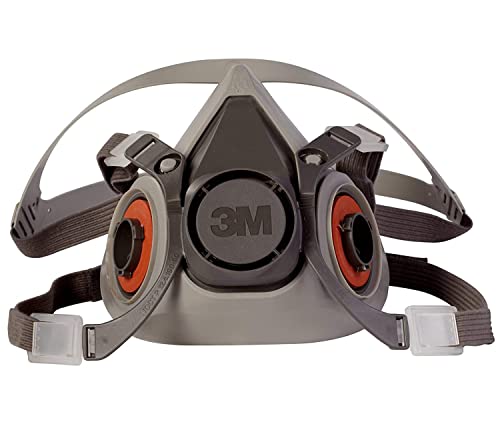
I rely on the 3M Half Facepiece Reusable Respirator 6200 when I need dependable, long-lasting protection in demanding industrial settings. It’s NIOSH-approved for use with 3M cartridges and filters, protecting up to 10 times the Permissible Exposure Limit. The medium-size facepiece is soft and lightweight, with a four-point harness that adjusts easily for a secure fit. Its swept-back cartridge design improves balance and visibility, and it integrates well with other PPE. I appreciate that it’s fully reusable, simple to clean, and comes with a storage bag. It works across tasks like welding, painting, and grinding-but it’s strictly for occupational use, not consumer applications.
Best For: Industrial workers who need a durable, NIOSH-approved half-face respirator for long-term occupational use in environments with airborne hazards.
Pros:
- NIOSH-approved for use with 3M cartridges and filters, providing protection up to 10 times the Permissible Exposure Limit
- Lightweight, comfortable design with a four-point harness and swept-back cartridges for improved balance and visibility
- Fully reusable, easy to clean, and compatible with a wide range of 3M filters, cartridges, and supplied air systems
Cons:
- Strictly for occupational use, not approved for consumer or non-industrial applications
- Requires proper maintenance and replacement of parts to remain effective
- May not provide adequate protection in oxygen-deficient environments or above designated exposure limits
3M P95 Reusable Respirator for Paint Spraying (6311P1-DC)

Though designed for professionals, I find the 3M P95 Reusable Respirator (6311P1-DC) best suits painters and tradespeople working repeatedly with oil-based coatings and solvents, where dual protection against both organic vapors and fine particulates matters. It uses a NIOSH-approved 6001 OV cartridge and 5P71 P95 filter, blocking oil-based vapors and fine particles like those from spray painting. The lightweight design and flexible faceseal offer comfort during long jobs, while the swept-back cartridge improves visibility. I replace the filters and cartridges as needed, which saves money over time. It fits securely in large, though smaller sizes are available. It’s durable, reusable, and made in the USA.
Best For: Painters and tradespeople who need reliable, long-term respiratory protection against both organic vapors and fine particulates from oil-based coatings, solvents, and spray painting applications.
Pros:
- NIOSH-approved dual protection with 6001 OV cartridge and 5P71 P95 filter effectively blocks organic vapors and oil-based particles
- Reusable design with replaceable components offers long-term cost savings and durability
- Lightweight, comfortable fit with swept-back cartridge design enhances visibility and wearability during extended use
Cons:
- Only available in limited sizes, which may not suit all face shapes despite small/medium/large options
- Intended for occupational use only, not certified for non-workplace or consumer environments
- Requires regular maintenance and timely replacement of filters and cartridges to remain effective
3M P100 Reusable Respirator (62023H1-DC)

You need serious protection during tough jobs like mold remediation or spray painting, and this 3M P100 reusable respirator delivers with NIOSH-approved OV/AG/P100 cartridge ratings that block 99.97% of oil-based particulates, solid dusts, and liquid aerosols. I use it for painting, staining, and cleaning with bleach or pool chemicals because it filters organic vapors and acid gases. The gray plastic facepiece is lightweight and seals well with adjustable straps. It’s comfortable for long jobs, and the bayonet system makes swapping filters easy. This model’s for occupational use, not casual DIY. It’s durable, NIOSH-certified, and backed by a limited warranty.
Best For: Professionals needing reliable respiratory protection during demanding tasks like mold remediation, spray painting, or handling hazardous chemicals.
Pros:
- NIOSH-approved OV/AG/P100 cartridge filters 99.97% of oil-based particulates, solid dusts, and liquid aerosols
- Effectively reduces exposure to organic vapors and acid gases from solvents, bleach, and pool chemicals
- Lightweight, comfortable fit with adjustable straps and easy filter replacement via 3M bayonet system
Cons:
- Intended only for occupational use, not suitable for casual DIY projects
- Higher upfront cost compared to disposable respirators
- Requires proper maintenance and cartridge replacement for continued effectiveness
AirGearPro G-500 Reusable Respirator Mask

The AirGearPro G-500 Reusable Respirator Mask is a practical choice for DIY enthusiasts and tradespeople regularly exposed to dust, fumes, and chemicals during tasks like sanding, painting, or renovation. I’ve used it on job sites, and the A1P2-rated dual filters reliably block organic vapors above 65°C and capture 95% of particles. It’s lightweight at just 3.25 ounces, sits comfortably with soft materials, and stays secure with adjustable straps. The mask is reusable-just replace the filters when worn out, which saves waste and money. It’s CE certified, compact, and ranked #4 in reusable respirators. I find it functional, no-nonsense, and fit for routine industrial or home use.
Best For: DIY enthusiasts and tradespeople who need reliable, reusable respiratory protection during tasks involving dust, fumes, and chemicals.
Pros:
- CE certified with A1P2 dual filtration, effectively blocking organic vapors and capturing 95% of airborne particles
- Lightweight at 3.25 ounces with soft, skin-friendly materials and adjustable straps for comfortable extended wear
- Reusable design with replaceable filters reduces waste and long-term costs
Cons:
- Not suitable for protection against inorganic gases, vapors with boiling points below 65°C, or particulates requiring higher filtration than P2
- May not form a secure seal on all face shapes, potentially affecting performance in high-exposure environments
- Limited availability of compatible replacement filters outside the manufacturer’s offerings
3M P100 Respirator with Carbon Filter (6297P1-DC)

A 3M P100 respirator with a carbon filter like the 6297P1-DC suits professionals exposed to both hazardous particulates and organic vapors on the job. I rely on its NIOSH-approved P100 filter to block 99.97% of oil-based and non-oil-based particles. The built-in carbon layer helps cut down on nuisance vapors from solvents or degreasers, though it’s not for high-concentration environments. It’s lightweight, fits securely with adjustable straps, and lasts through repeated use. I swap filters as needed using the standard 3M bayonet system. I only use it within OSHA-compliant safety programs-especially for lead, mold, or fiberglass work.
Best For: Professionals working in environments with hazardous particulates and nuisance organic vapors, such as mold remediation, lead abatement, or fiberglass handling.
Pros:
- NIOSH-approved P100 filter provides 99.97% filtration efficiency against both oil-based and non-oil-based particulates.
- Integrated carbon layer helps reduce nuisance organic vapors from solvents, degreasers, and resins.
- Reusable design with 3M bayonet compatibility allows for easy filter replacement and long-term cost savings.
Cons:
- Not suitable for high-concentration vapor environments or atmospheres immediately dangerous to life or health (IDLH).
- Requires compliance with a full respiratory protection program, including fit testing and medical evaluation.
- May be uncomfortable for extended use by some users, particularly those wearing glasses or facial hair.
3M N95 Respirator 8511 (10 Pack)
Needs reliable protection without sacrificing breathability? I trust the 3M N95 Respirator 8511 (10 Pack) for just that. It’s NIOSH-approved, filtering out at least 95% of non-oil-based particles like dust, mold spores, and pollen. The Cool Flow exhalation valve directs breath downward, making airflow up to 50% easier than non-valved models. Its advanced filter media helps maintain steady breathing during long tasks. I get a secure fit with the adjustable M-noseclip and stretchable braided headbands, which stay comfortable over hours. Lightweight and disposable, it’s practical for regular use. The 10-pack keeps me stocked without bulk.
Best For: Individuals needing reliable, breathable respiratory protection during prolonged tasks involving dust, pollen, or mold spores.
Pros:
- NIOSH-approved N95 filtration efficiently blocks at least 95% of non-oil-based particles
- Cool Flow exhalation valve allows up to 50% easier breathing compared to non-valved models
- Adjustable M-noseclip and stretchable headbands ensure a secure, comfortable fit for extended wear
Cons:
- Not effective against oil-based aerosols or gases, limiting use in certain industrial settings
- Disposable design may lead to higher long-term costs with frequent use
- Performance depends on proper fit, which may vary by face shape despite adjustable features
3M Rugged Comfort Half Facepiece Respirator 6502QL
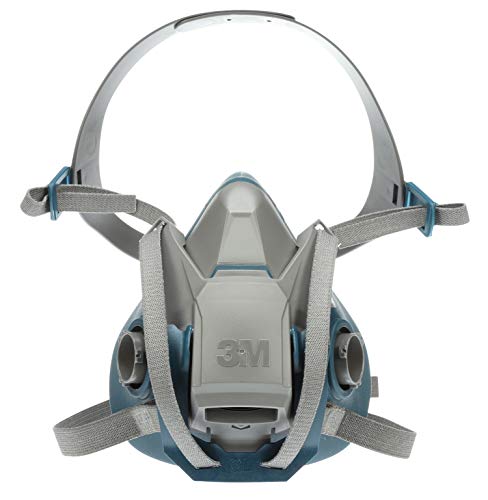
When you’re working long shifts in high-heat industrial environments and need a reliable seal that won’t degrade, the 3M Rugged Comfort Half Facepiece Respirator 6502QL stands out because it uses a silicone face seal that retains its shape even under prolonged heat exposure. I’ve used it in welding and grinding ops, and the low-profile design gives me a wide field of view while fitting comfortably under shields. The adjustable head cradle and durable straps keep it secure without constant readjusting. With the Cool Flow valve, my breath doesn’t fog my glasses, and the quick-latch system lets me swap it on and off fast. It’s NIOSH-approved and works with all 3M bayonet filters, so I know I’m covered.
Best For: Industrial workers in high-heat environments who need a durable, comfortable, and reliable half-face respirator with excellent visibility and quick donning/doffing capabilities.
Pros:
- Silicone face seal maintains shape and provides a reliable seal even in prolonged high-heat conditions
- Quick-latch system allows for easy, one-handed donning and doffing when moving in and out of contaminated areas
- Low-profile design offers a wide field of view and is compatible with welding shields, grinding shields, and safety glasses
Cons:
- Only NIOSH-approved for occupational use, limiting availability for non-industrial applications
- Performance depends on compatible 3M bayonet filters, which may limit filter choice flexibility
- May not achieve a proper fit for all face shapes despite adjustable head cradle and straps
3M Full Facepiece Reusable Respirator 6900
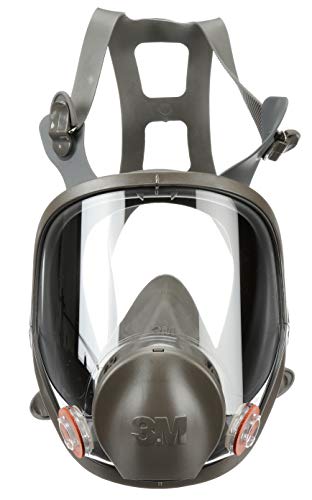
If you’re working in demanding industrial environments where both respiratory and eye protection are non-negotiable, the 3M Full Facepiece Reusable Respirator 6900 is built for you. I rely on its NIOSH-approved design to work safely with 3M cartridges, filters, or supplied air systems. The silicone face seal fits snugly and cleans easily, while the four-point harness stays secure during long shifts. Its large lens gives me a wide field of view and meets ANSI Z87.1-2010 for impact resistance. I use it with 6000 Series cartridges and TR-600/800 systems, especially in painting, welding, or chemical handling-where full-face protection matters most.
Best For: Industrial workers in painting, welding, chemical handling, and other high-hazard environments requiring reliable respiratory and eye protection.
Pros:
- NIOSH-approved and compatible with a wide range of 3M cartridges, filters, and supplied air systems for versatile protection
- Silicone face seal and four-point harness ensure comfort, secure fit, and ease of cleaning during extended use
- Large lens provides a wide field of vision and meets ANSI Z87.1-2010 for high-impact eye protection
Cons:
- Intended only for occupational use, not available for consumer purchase or personal applications
- Reusable design requires regular maintenance and proper cleaning to ensure continued effectiveness
- May not fit all face shapes optimally without proper fit testing and adjustment
Factors to Consider When Choosing a Respirator Mask
You need a mask that matches your environment, so check the filter efficiency rating first-higher ratings trap more particles but can make breathing harder. Look at the facepiece material quality and adjustable strap system; they affect both durability and how well the mask seals without causing strain. Make sure it meets recognized certification standards and works with accessories you rely on, because compatibility impacts real-world usability.
Filter Efficiency Rating
For protection against airborne particles, start by checking the filter efficiency rating-this determines how well the respirator captures contaminants. You need a NIOSH-certified rating, as it guarantees minimum filtration performance under strict tests. If you’re dealing with oil-based aerosols, choose P95 or P100 filters-both resist oil, with P100 capturing 99.97% of particles, including oily ones. P95s filter at least 95% and work well when oil is present but full protection isn’t critical. For non-oily particles only, N95s are sufficient, blocking 95% of contaminants, but they fail when exposed to oil. The “P” means oil-proof, so it holds up in tougher environments. Don’t assume higher numbers always mean better fit-they measure filter performance only. Pick the right class based on your exposure, or you’ll risk protection gaps.
Facepiece Material Quality
Material matters when it comes to the facepiece-poor choices crack, degrade, or fail to seal, putting protection at risk. You need durable, flexible thermoplastics or silicone that hold up under repeated use and cleaning. Silicone seals last longer and stay soft, even in heat or tough conditions, so they keep their shape and comfort over time. Thermoplastic elastomers give you a solid mix of flexibility and strength, sealing well while resisting oils and solvents. If you’re wearing the mask for hours, non-allergenic materials are a must-they prevent irritation and let you focus on the job. A good facepiece conforms to different facial shapes, so you get a reliable seal without pinching. That means better protection and less fatigue. Cut corners here, and the whole mask fails you. Stick with proven materials-they’re worth it.
Adjustable Strap System
A well-designed strap system works with the facepiece to maintain a reliable seal, building on the durability and comfort of quality materials. You need adjustable straps to fine-tune tension at multiple points, ensuring a secure fit across various head sizes. Four-point harnesses distribute pressure evenly, cutting down on fatigue during long shifts. Straps made from resilient elastic materials hold their shape and tension, even after repeated use and cleaning. You get enough sealing pressure without over-tightening, which helps reduce discomfort while keeping filtration effective. Look for quick-latch or touch-drop mechanisms-they let you put the mask on and take it off fast without sacrificing fit. These features work together to maintain performance without hassle. A good strap system isn’t flashy, but it’s essential for reliable protection and consistent wear.
Compatibility With Accessories
When choosing a respirator, you’ll want one that works seamlessly with the accessories you need on the job. Look for a standardized connection system so you can securely attach filters, cartridges, or supplied air components without hassle. A compatible respirator lets you switch between filter types-like those for particulates, organic vapors, or acid gases-depending on your environment. Some models support powered air-purifying systems or escape hoods, giving you added protection in intense situations. Make sure all accessories lock firmly into place to avoid accidental dislodging during use. If you’re using a reusable mask, confirm it allows easy disassembly and reassembly with compatible parts so you can clean it without breaking the seal. These details guarantee your setup stays functional, safe, and reliable across different conditions and maintenance cycles.
Certification Standards Met
You’ll want to check certification labels before relying on any respirator, since they confirm the mask meets rigorous testing standards for real-world protection. A NIOSH label means it passes U.S. federal requirements for filtration and oil resistance, with N, R, or P ratings telling you how well it handles oil-based particles. Choose P100 if you’re dealing with sprays or mists-it filters 99.97% of particles, including oily ones. In Europe, look for CE marking, which verifies compliance with regional safety protocols for particulates and gases. If you’re around solvents, an A1 rating means the mask filters organic vapors with boiling points above 65°C. For full-face models, ANSI Z87.1 certification guarantees the facepiece resists high-impact hazards and provides reliable eye protection. Never skip these labels-they’re your best indicator of real performance.
Field Of View
NIOSH certification guarantees your respirator meets strict filtration and durability standards, but protection means little if you can’t see the hazards coming. You need a wide field of view to maintain situational awareness, especially during precision tasks or in tight spaces. Look for swept-back cartridge designs-they clear your downward and peripheral vision, helping you see obstacles or tools more clearly. A low-profile facepiece reduces clashes with other gear and keeps your sightlines open. Avoid forward-mounted cartridges; they block upward and side vision compared to offset models. Full-face respirators with large, panoramic lenses can offer up to 180° horizontal visibility, making a real difference in dynamic environments. Don’t trade visibility for fit-your safety depends on seeing everything around you, not just breathing safely.
Ease Of Cleaning
A respirator that’s easy to clean saves time and reduces contamination risks, especially when reused in dirty or hazardous conditions. You should choose one with detachable parts and smooth surfaces so you can disassemble it quickly and wash it thoroughly with mild detergent and water without damaging components. Models with silicone face seals are easier to maintain because they resist moisture and can be wiped clean, holding up well after repeated sanitizing. You’ll need to clean reusable respirators after each use in contaminated settings to prevent hazardous buildup and keep performance reliable. Always follow the manufacturer’s instructions-avoid harsh chemicals, ultrasonic cleaners, or autoclaving, as these can degrade filters or structural materials. After washing, air-dry your respirator in a clean, shaded area; direct sunlight or heat can warp materials and shorten its lifespan. Proper drying guarantees long-term function and safety.
Intended Use Environment
When working in environments with oil-based aerosols, choose a respirator with P-series filters because they resist oil degradation and maintain filtration efficiency over time. If you’re exposed to organic vapors from solvents, paints, or adhesives, use a respirator with organic vapor cartridges designed to reduce those specific contaminants. In high-particulate settings like construction or mold cleanup, go with P100 or P95 filters-they capture 99.97% or 95% of particles, respectively. For acid gases like chlorine or sulfur dioxide, pick a model with acid gas cartridges to lower exposure risk. Always make sure your respirator works with other PPE, such as goggles or face shields, so your vision stays clear and your protection stays sealed. Compatibility matters-poor fit or interference with gear can compromise safety no matter how good the specs look. Match the mask to your environment, not the other way around.
Frequently Asked Questions
How Often Should I Replace the Straps on My Respirator Mask?
You should replace the straps on your respirator mask every 6 to 12 months with regular use, or sooner if you notice stretching, cracking, or loss of tension. Worn straps reduce seal integrity, compromising protection. Frequent exposure to oils, sweat, or UV light accelerates degradation. Inspect them monthly-snapped or loose straps mean immediate replacement. Most manufacturers design straps to last about a year under normal conditions, so routine checks guarantee safety without over-relying on guesswork.
Can I Wear a Respirator With Facial Hair and Still Be Safe?
No, you can’t wear a respirator with facial hair and stay safe. It breaks the seal, letting contaminants in. Even stubble compromises fit. OSHA and NIOSH require clean-shaven faces for a reason-tested protection fails otherwise. If you must have facial hair, use a powered air-purifying respirator (PAPR) with a loose-fitting hood. That setup doesn’t rely on a face seal, so it works safely with beards.
Are Reusable Respirator Masks Safe for Children to Use?
No, most reusable respirator masks aren’t safe for children because they don’t fit small faces properly. You’ll struggle to get a secure seal, which compromises protection. Kids’ facial structures vary, and adult-sized straps and filters don’t adjust enough. You’re better off using NIOSH-approved child-sized respirators designed for their face dimensions. Using an ill-fitting reusable mask gives you a false sense of security-protection drops markedly if leaks exist around the nose or chin.
Do Respirator Masks Protect Against Carbon Monoxide Fumes?
No, respirator masks don’t protect you from carbon monoxide fumes. They filter particles or certain gases, but carbon monoxide is an odorless, colorless gas that passes right through standard filters. You need a dedicated carbon monoxide detector and proper ventilation instead. Some full-face respirators with specific chemical cartridges might offer limited defense, but they’re not reliable in high concentrations. Relying on them could be dangerous-don’t take the risk.
Can I Clean My Respirator With Disinfectant Wipes Safely?
You shouldn’t clean your respirator with disinfectant wipes if they contain alcohol or harsh chemicals-they can degrade seals and filter material. Stick to mild soap and water for the facepiece; rinse thoroughly. Wipes might leave residues that irritate skin or damage components over time. Check the manufacturer’s guide-some approve specific wipes. You’re better off cleaning it properly than risking compromised performance. A dirty mask is a hazard, but so is a damaged one.