Best Ultralight Bivy Sacks: 4 Picks From 5.1oz to 2.42lbs
You want minimal weight without sacrificing weather protection. The Sanmum Ultralightweight Bivy at 0.75 lbs delivers with a 5000 mm waterproof rating and thermal coating for added warmth. For emergencies, the 5.1 oz Thermal Bivvy reflects 90% of body heat and packs tiny. The AquaQuest Pharaoh offers best-in-class 10,000 mm waterproofing and dual zips but weighs 1.1 lbs. Trade-offs in space and ventilation exist, and your best pick depends on conditions and priorities. Details on each follow.
We are supported by our audience. When you purchase through links on our site, we may earn an affiliate commission, at no extra cost for you. Learn more. Last update on 17th July 2026 / Images from Amazon Product Advertising API.
Notable Insights
- Sanmum Ultralightweight Bivy Sack weighs just 0.75 lbs and packs down to 6 inches, ideal for minimalists.
- Emergency Sleeping Bag Thermal Bivvy is the lightest option at 5.1 oz and fits easily in emergency kits.
- AquaQuest Pharaoh offers superior weather protection with a 10,000 mm waterproof rating and dual zippers.
- MC TOMOUNT sets up in 3 minutes with a free-standing design, balancing weight at 2.42 lbs.
- All top ultralight bivies feature waterproof seams and breathable materials to reduce condensation and enhance comfort.
Ultralightweight Bivy Sack for Camping & Emergencies

If you’re a hiker who values every ounce in your pack, the Sanmum Ultralightweight Bivy Sack is built for you. At just 0.75 pounds, it’s light and packs down to 6 inches. I use the red winter version, which adds about 9°F of warmth thanks to its thermal coating. Both colors are 100% waterproof, with taped seams and a 5000 mm rating, so I stay dry even in steady rain. The half-zip lets me ventilate or seal in warmth, and the drawstring hood keeps my head secure. It fits all sizes, stores in a stuff sack, and weighs next to nothing-ideal for emergencies or long hikes where gear trade-offs matter.
Best For: Ultralight backpackers, emergency preppers, and outdoor enthusiasts who need a compact, lightweight shelter solution that enhances warmth and ensures waterproof protection.
Pros:
- Adds approximately 9°F of warmth with the red winter version’s thermal reflective coating
- 100% waterproof with taped seams and a 5000 mm hydrostatic head rating for reliable rain protection
- Weighs only 0.75 pounds and packs down to 6 inches, making it ideal for weight-conscious hikers
Cons:
- Half-center zipper may limit ease of entry and exit compared to full-length zippers
- Limited ventilation in the winter version could lead to condensation buildup
- No built-in insect protection, leaving users exposed in bug-prone areas
MC TOMOUNT Ultralight Bivy Tent (1-Person)

I rely on gear that keeps weight low without sacrificing weather protection, and the MC TOMOUNT Ultralight Bivy Tent delivers where it counts for solo backpackers moving fast through unpredictable terrain. It weighs 2.42 pounds, with a PU3000mm waterproof rating and silicone-coated 20D nylon to shed rain and resist UV. The free-standing design uses a single pole for quick three-minute setup. Breathable mesh and a rainfly with three windows offer ventilation and weather control. I can’t sit up-it’s for lying down only-but it’s durable, thanks to aluminum 7001 poles and tear-resistant fabric. It’s best for backpackers prioritizing compact, 4-season shelter over space.
Best For: Solo backpackers who prioritize ultralight, weather-resistant shelter for fast-moving adventures in unpredictable conditions.
Pros:
- Ultra-lightweight at 2.42 pounds with a compact pack size ideal for backpacking and hiking
- PU3000mm waterproof rating and silicone-coated fabric provide reliable protection in rain and harsh weather
- Quick three-minute setup with a single pole and free-standing bivy design enhances convenience in remote terrain
Cons:
- Not suitable for sitting up-limited to lying down due to low interior height
- Minimal interior space may feel confining for extended use or larger users
- Mesh-heavy design may offer less insulation in extremely cold conditions despite 4-season claim
Emergency Sleeping Bag Thermal Bivvy

Every ounce counts when you’re deep in the backcountry or prepping for emergencies, and this Emergency Sleeping Bag Thermal Bivvy delivers with a 5.1-ounce build that packs down small enough to fit in a side pocket. It’s made from 400T nylon with honeycomb heat reflection that bounces back 90% of your body heat and can boost your temperature by 20°F. Unlike flimsy PE film models, it’s breathable, so moisture doesn’t trap inside, and it holds up well for reuse. A 120 dB whistle and carabiner help in crises, and the three color options let you choose visibility or stealth. I use mine as a bivvy, liner, or emergency shelter-it works.
Best For: Outdoor enthusiasts, survivalists, and emergency preppers who need a lightweight, reusable thermal shelter for extreme conditions or on-the-go adventures.
Pros:
- Ultra-lightweight at 5.1 ounces and highly portable, ideal for packable emergency gear
- Reflects 90% of body heat and increases temperature by 20°F with durable, breathable 400T nylon
- Doubles as a bivvy, sleeping bag liner, or emergency shelter with added safety features like a 120 dB whistle and carabiner
Cons:
- Not intended for long-term comfort or extended sleep like a traditional sleeping bag
- Limited insulation compared to heavier-rated sleeping systems in sub-freezing conditions
- Reflective surface may attract unwanted attention in stealth-focused scenarios depending on color choice
AquaQuest Pharaoh Bivy Sack (Olive Drab)

The AquaQuest Pharaoh Bivy Sack suits solo backpackers who prioritize weight savings without sacrificing weather protection. It weighs just 1.1 lbs and packs into a 9” x 5” stuff sack, making it easy to carry. The 70D nylon body offers a 10,000 mm waterproof rating and breathes at 10,000 gr/m²/day, balancing wet-weather defense with moisture management. Dual zippers allow entry from either side, and the fit accommodates sleepers up to 6’6”. It works with most sleeping bags and pads, requires no setup, and seals snug with an elasticated hood. Backed by a lifetime warranty, it’s a durable, no-frills shelter for minimalist trips.
Best For: Solo backpackers seeking a lightweight, weather-resistant shelter for minimalist and stealth camping adventures.
Pros:
- Ultralight at 1.1 lbs and highly packable into a compact 9” x 5” stuff sack
- Full-weather protection with 10,000 mm waterproof rating and breathable 10,000 gr/m²/day fabric
- Universal fit for tall users up to 6’6” with dual-side zippers and no-setup design
Cons:
- Minimal internal space offers no room for gear storage inside
- Limited ventilation may lead to condensation in high-humidity conditions
- Olive drab color may not appeal to those preferring more modern or reflective aesthetics
Night Cat Ultralight 1-Person Backpacking Tent

Looking for a shelter that won’t weigh you down on long trails? I’ve tested the Night Cat Ultralight 1-Person Tent, and at just 2.2 pounds, it’s easy to carry. It uses durable nylon with a waterproof Oxford shell and PU coating, so it holds up in rain and light snow. The double-layer design adds breathability and weather resistance. Setup is quick with aluminum poles, stakes, and guy lines included. Packed, it’s under 14 inches long, fitting snug in my backpack. While tight for taller hikers, it’s roomy enough for one. It’s rated for 4-season use, though heavy snow demands caution. I’ve used it from summer ridges to spring alpine passes-it keeps me dry and sheltered without the weight.
Best For: Lightweight backpackers and hikers seeking a compact, weather-resistant shelter for solo adventures in varied conditions.
Pros:
- Extremely lightweight at only 2.2 pounds, ideal for minimizing pack weight
- Waterproof Oxford fabric with PU coating and rainfly ensures reliable protection in rain and light snow
- Quick setup with included aluminum poles, stakes, and guy lines for hassle-free pitching
Cons:
- Limited interior space may feel cramped for taller users or extended use
- 4-season rating comes with caution under heavy snow loads
- Minimal ventilation in double-layer design could increase condensation in humid conditions
GEERTOP Ultralight Waterproof Bivy Tent for 1 Person
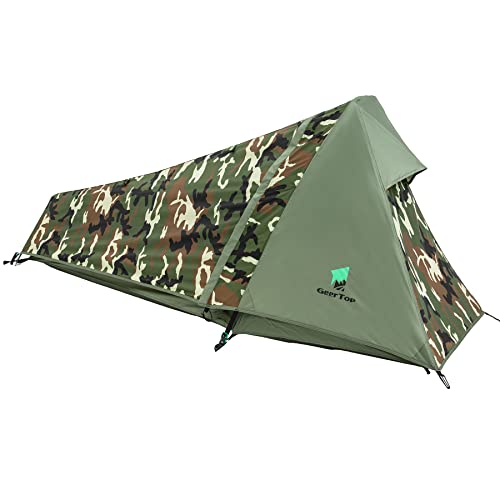
I pick the GEERTOP Ultralight Waterproof Bivy Tent when I need a shelter that balances weight and durability for long hikes in unpredictable weather. It weighs 3.3 lb and packs down to 17.5 inches, making it manageable for ultralight trips. The 210T ripstop polyester and PU 2500mm coating keep me dry in rain, while taped seams and a full-coverage fly prevent leaks. Dual doors and mesh panels reduce condensation, and the free-standing design sets up in under 10 minutes with included poles and stakes. It’s not the lightest bivy, but the added space and durability justify the weight for 3-season use.
Best For: Hikers and backpackers seeking a durable, weather-resistant, ultralight shelter for 3-season adventures.
Pros:
- Lightweight at 3.3 lb with compact pack size for easy transport on long hikes
- Fully waterproof design with PU 2500mm coating and taped seams keeps users dry in heavy rain
- Free-standing setup with dual doors and mesh panels enhances ventilation and convenience
Cons:
- Slightly heavier than minimalist bivy sacks, less ideal for strict ultralight purists
- Limited height and space may feel cramped for taller users
- Requires guylines and stakes for optimal stability, which may not suffice in extreme winds
Emergency Sleeping Bags 2 Pack | Portable Emergency Blanket Survival Gear

Though I prioritize lightweight gear, I won’t compromise on safety-so I keep the Emergency Sleeping Bags 2 Pack from Leberna as my go-to emergency shelter. Each bag weighs just 2.8 oz and packs down to 7×3 inches, making them easy to stash in my backpack or car. Made from NASA-derived Mylar, they reflect 90% of body heat, stay waterproof and windproof, and resist tearing. The 84-inch length and 21-inch head coverage fit me well, and the included whistle adds critical signaling ability. I’ve used them in sudden downpours and cold snaps-they work. They’re not comfortable for long-term sleep, but for emergency bivy use, they save weight and lives. I own two because they’re reusable and having a backup makes sense when safety’s on the line.
Best For: Outdoor enthusiasts, emergency preppers, and travelers who need ultra-lightweight, compact, and reliable survival gear for unpredictable weather or emergency situations.
Pros:
- Extremely lightweight and packable, ideal for backpacking and emergency kits
- Reflects 90% of body heat and features durable, waterproof, windproof Mylar material
- Includes a 120-decibel whistle and offers full-body coverage with an upgraded head hood
Cons:
- Not designed for long-term comfort or regular sleeping
- Limited insulation compared to traditional sleeping bags in extreme cold
- Mylar material can be noisy and less breathable during prolonged use
Ultralight 1-Person Bug Bivy Tent
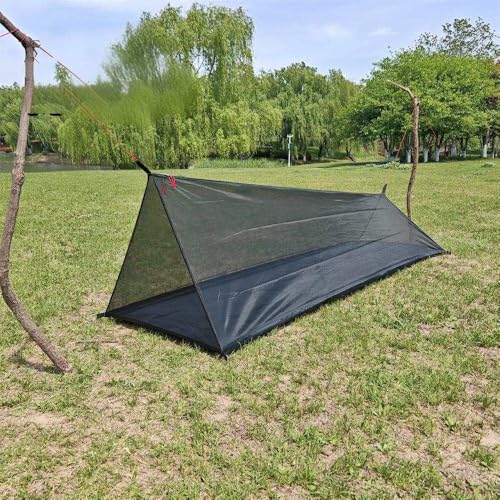
A true workhorse for solo adventurers who demand minimal weight without sacrificing protection, the ultralight 1-person bug bivy tent shines in fast-and-light scenarios where every ounce counts. I rely on its sub-one-pound weight and compact pack size when every gram matters on long thru-hikes or emergency kits. The no-see-um mesh keeps bugs out while letting air move through, which beats suffocating heat in summer or jungles. Its waterproof, tear-resistant floor keeps me dry on damp ground. I’ve used it with trekking poles or stakes, and it holds up when paired with a tarp overhead. It’s not luxurious, but it’s dependable shelter for one.
Best For: Solo adventurers, ultralight backpackers, and survivalists who need a compact, lightweight shelter that offers reliable protection from bugs and wet ground.
Pros:
- Weighs under 1 pound, ideal for minimizing pack weight on long hikes or emergency bug-out bags
- No-see-um mesh provides excellent insect protection and ventilation in hot, humid environments
- Waterproof, tear-resistant floor ensures dryness on damp or rough terrain
Cons:
- Minimal space and low comfort for extended use; not suitable for those who need extra room
- Requires trekking poles or stakes for setup, which are sold separately
- Limited weather protection in heavy rain without an additional tarp or overhead cover
GEERTOP Ultralight Single Person Bivy Tent

The GEERTOP Ultralight Single Person Bivy Tent suits backpackers and solo adventurers who prioritize weight savings without sacrificing weather protection. I’ve used it on spring and summer trips, and it weighs just 2.9 lbs, packing down to 17 x 5 x 5 inches-easy to carry. The PU5000 MM fly and PU8000 MM floor kept me dry during heavy rain, with fully taped seams and double stitching adding durability. Ventilation from the top mesh and two side windows reduced condensation. Setup took about two minutes using the three shock-corded aluminum poles. At 84.6 inches long and 24 inches high, I could move and even sit up slightly. It’s best for three-season use, not extreme conditions.
Best For: Solo backpackers and outdoor enthusiasts seeking a lightweight, weather-resistant shelter for three-season adventures.
Pros:
- Extremely lightweight at 2.9 lbs and highly packable, ideal for minimizing load on long hikes
- Excellent waterproofing with PU5000 MM fly, PU8000 MM floor, and fully taped seams for reliable storm protection
- Quick 2-minute setup with shock-corded poles and good ventilation from mesh panels and windows to reduce condensation
Cons:
- Limited interior space makes extended use or gear storage challenging
- Not designed for extreme weather or winter conditions
- Single-person design offers no room for a companion or extra equipment
GEERTOP Ultralight Waterproof Bivy Tent for 1 Person
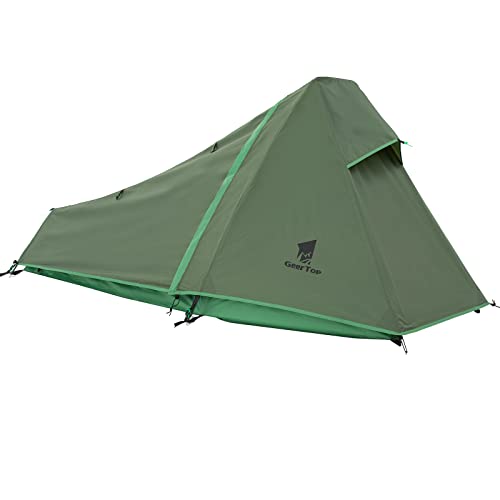
If you’re a solo backpacker who moves fast and packs light, the GEERTOP Ultralight Waterproof Bivy Tent (Blazer model) handles diverse weather without adding bulk. I’ve used it in rain and wind, and the PU 2500mm coating kept me dry. The 210T ripstop polyester resists tears, and the double-stitched, taped seams prevent leaks. Weighing just 3.7 lbs and packing to 17”, it’s easy to carry. Two mesh doors offer ventilation, reducing condensation. Setup takes about 5 minutes with aluminum poles and stakes included. It’s not the lightest bivy, but the freestanding design and full rainfly add reliability when shelter matters most.
Best For: Solo backpackers and outdoor enthusiasts who prioritize weather protection and freestanding setup in a lightweight, packable shelter.
Pros:
- Fully waterproof with PU 2500mm coating and taped seams, ideal for all-season use
- Freestanding design with included aluminum poles and stakes allows for quick, tool-free 5-minute setup
- Dual mesh doors provide excellent ventilation and condensation control in humid or rainy conditions
Cons:
- At 3.7 pounds, it’s heavier than non-freestanding bivy sacks or ultralight tents
- Limited headroom and interior space typical of bivy-style shelters
- Packed size of 17” may be bulky for minimalist or long-distance hikers prioritizing compression
Factors to Consider When Choosing an Ultralight Bivy
You need a bivy that’s light and small enough to carry all day without weighing you down. Look at how well it keeps water out, retains heat, and manages condensation, since those directly affect your survival in bad weather. A fast, simple setup matters too-especially when you’re exhausted and need shelter in a hurry.
Weight And Packability
Some ultralight bivies weigh as little as 5.1 ounces, making them a practical choice when every ounce counts on long hikes or survival trips. You’ll find most models stay under 1 pound, striking a balance between low weight and basic protection. Even with added features, high-performance options rarely exceed 2 pounds, so you won’t sacrifice mobility. Packability matches their lightweight design-many compress to 6 inches or less in diameter, fitting easily into small backpacks or emergency kits. Some pack down to just 7 x 3 inches, giving you room to spare. These compact sizes mean you can stow one without reorganizing your gear. When space and weight are critical, like in ultralight or survival setups, that small footprint matters. You get a shelter that’s easy to carry and won’t weigh you down. It’s a straightforward trade-off: less bulk, less weight, more efficiency on the trail.
Waterproof Performance
A bivy sack’s ability to keep you dry in heavy rain depends on measurable factors, not guesswork. You need a hydrostatic head rating of at least 5000 mm to handle downpours without leaking. Check that the seams are fully taped-this stops water from creeping through stitch holes and compromises protection. Look for a PU coating like PU2500mm or higher on both the floor and walls to resist rain and damp ground. A waterproof rainfly made from tightly woven, coated polyester adds reliable defense during extended storms. High ratings on both the rainfly and floor, combined with sealed construction, mean full coverage when weather turns harsh. Don’t assume lightweight means less durable-many ultralight models maintain these specs without added bulk. You’re trading nothing in protection for packability when you choose wisely.
Thermal Efficiency
While not a substitute for a proper sleeping bag, a bivy sack can substantially boost your warmth when conditions turn cold, especially with features designed to retain body heat. A thermal reflective coating boosts your system’s effective temperature by up to 9°F by reflecting radiant heat back to you. High-efficiency models use honeycomb heat reflection technology, bouncing back up to 90% of body heat. Fully sealed seams and snug drawstring hoods minimize convective heat loss, keeping warm air inside. In emergencies, these features can raise your microclimate by as much as 20°F. Pair this with a hydrostatic head rating of 5000 mm or higher, and you maintain dry, insulated warmth even in wet, cold environments. You won’t overheat if you manage layers, but don’t count on warmth alone-fit and material matter just as much. Choose based on measurable performance, not claims.
Ventilation And Breathability
How well does your bivy handle moisture when you’re sleeping in cool, damp air? Good ventilation prevents condensation by letting your body’s moisture escape. Look for models with breathable mesh panels, adjustable vents, or dual-side zippers that let you control airflow without letting in rain. Some bivys use fabrics with moisture vapor transmission rates up to 10,000 gr/m²/day, which means sweat dissipates faster and you stay drier. Mesh inner constructions or no-see-um netting boost breathability while still blocking bugs-useful in humid or warm weather. If ventilation is poor, water builds up inside, making your sleep damp and uncomfortable. Designs with roof mesh, side windows, or airflow channels reduce this risk. You’ll trade a bit of weather resistance for better air exchange, but in most conditions, the comfort gain is worth it. Choose based on where you hike most.
Setup Speed And Ease
When every second counts after a long push to camp, you’ll want a bivy that goes up fast without fuss. Models with pre-attached poles and free-standing designs can be fully set up in under three minutes-no tools needed. Clip-on pole systems and integrated guylines cut setup time versus models requiring separate stake-out points. If you’re using trekking poles, single-pole designs go up quicker than multi-pole options. Look for color-coded parts and built-in stuff sacks-they make packing and assembly more intuitive, especially in low light. Taped seams and attached rainflies mean less adjustment on site, letting you skip extra steps like sealing or layering. These features add small weight penalties, but the trade-off is real-world speed when weather turns or energy fades. Prioritize simplicity if you often pitch in fatigue or poor conditions. Setup ease isn’t luxury- it’s function that keeps you dry and rested when it matters most.
Durability And Materials
Strength and longevity start with the fabric. You’ll find ripstop polyester and nylon-like 210T or 70D-commonly used because they resist tearing without adding bulk. These materials strike a realistic balance: lightweight enough for fast packing, yet tough enough to handle brush and abrasion. Look for silicone or polyurethane coatings; they boost waterproofing, with hydrostatic head ratings between 2500mm and 10,000mm, ensuring real rain resistance. Taped seams and double stitching stop leaks and hold stress points together when weather turns. If your bivy includes a small pole structure, aluminum ones with shock cords add shape and durability without excess weight. Mesh panels let moisture escape, cutting condensation, while coatings keep the shell resilient. No material is indestructible, but these choices offer measurable trade-offs: lighter weight often means thinner fabric, so consider how harsh your trips get. Pick based on the conditions you’ll actually face.
Frequently Asked Questions
Can Bivy Sacks Be Used in Winter Conditions?
You can use bivy sacks in winter, but they’re not ideal alone. They trap moisture and offer minimal insulation. You’ll need a high-R sleeping pad and warm bag to stay safe. Some models handle snow better with reinforced seams and storm flaps, but ventilation is limited. Condensation becomes a real problem. For winter, a four-season tent is more reliable. Bivys work in mild cold if you manage dampness and know the risks.
How Do I Clean and Store My Bivy Sack?
You clean your bivy sack by wiping it with a damp cloth and mild soap; avoid machine washing-it damages the waterproof coating. Rinse thoroughly and air dry it completely before storing. You store it loose or loosely rolled in a dry place, away from direct sunlight, to prevent material degradation. Never compress it long-term-it weakens the fabric and reduces breathability. Proper care maintains performance and extends service life without adding weight.
Are Ultralight Bivy Sacks Durable Over Rough Terrain?
You’re facing reality when you use ultralight bivy sacks on rough terrain-they save weight but sacrifice durability. Most rely on thin, 15-denier or lower fabrics that tear easily against sharp rock or thick brush. You’ll need to pick sites carefully and avoid dragging the sack. Some models use ripstop nylon or silicone coatings to help, but they still won’t match heavier tents. You trade longevity for low pack weight.
Do Bivy Sacks Provide Enough Ventilation to Prevent Condensation?
You get limited ventilation in most bivy sacks, so condensation builds up overnight. The tight fabric shell traps moisture from your breath and sweat, especially in cold or humid conditions. Some models include small vents or mesh panels, but they only reduce-not eliminate-condensation. You’ll wake up damp unless you partially open the hood, which risks letting in rain. It’s a trade-off: stay dry from outside water or manage interior moisture.
Can I Use a Bivy Sack With a Backpacking Quilt Instead of a Sleeping Bag?
Yes, you can use a bivy sack with a backpacking quilt-you stay warm and save weight. The combo works if your quilt fills the top space well and your bivy has enough room. Condensation might build up more than with a hooded bag, so pick a bivy with mesh venting. You’ll trade some comfort for lighter pack weight, but stay dry in light rain. Test the fit before relying on it in cold weather.