Best Waterproof 2 Person Tents for Outdoor Adventures
You need a waterproof 2-person tent that’s light, fast to set up, and keeps rain out. The Forceatt offers 3000mm waterproofing, welded seams, and weighs 5.5 lbs-ideal for rugged conditions. Lighter options like the Golabs CT1 (4.4 lbs) save pack space but use less durable fiberglass poles. Pop-up designs like the Night Cat deploy in seconds but sacrifice ventilation. For durability and weather resistance balanced with weight, aluminum poles and full rainflies are key. Real-world performance favors tested seam sealing and smart vent placement. You’ll find the best match by weighing these specifics against your trip demands.
We are supported by our audience. When you purchase through links on our site, we may earn an affiliate commission, at no extra cost for you. Learn more. Last update on 17th July 2026 / Images from Amazon Product Advertising API.
Notable Insights
- The Forceatt 2-3 Person Tent offers a 3000mm waterproof rating, welded floor, and full rainfly for superior weather protection.
- Lightweight options like the Golabs CT1 (4.4 lbs) and Camping Tent 2 Person Dome (4.7 lbs) are ideal for easy transport.
- Dual D-doors, ceiling vents, and mesh panels in tents like the Forceatt enhance airflow and reduce condensation.
- Fast setup tents include the Night Cat pop-up (3 seconds) and models that assemble in under 3 minutes.
- Aluminum poles in Forceatt and other models provide durability and strength while keeping weight lower than iron or fiberglass.
Forceatt 2-3 Person Waterproof Camping Tent

If you’re a solo backpacker or a lightweight duo needing a dependable shelter in wet conditions, the Forceatt 2-3 Person Waterproof Camping Tent is a solid choice. I’ve used it in steady rain, and the 3000mm waterproof rating held up, thanks to the welded floor and full-coverage rainfly. The 7001 aluminum poles stayed stable in wind, and the dual D-doors with vestibules let me store gear dry. Ventilation from the ceiling vents and mesh reduced condensation noticeably. It weighs 2.5kg-manageable for hiking-and packs small. Setup took me under 3 minutes. It’s not lightest on the market, but the durability makes the trade-off reasonable.
Best For: Solo backpackers or lightweight duos seeking a durable, waterproof tent for reliable shelter in wet and windy conditions.
Pros:
- Excellent weather resistance with 3000mm waterproof rating, welded floor, and full-coverage rainfly
- Quick 3-minute setup and compact, portable design weighing 2.5kg
- Effective ventilation through ceiling vents, mesh windows, and dual D-doors reducing condensation
Cons:
- Slightly heavier than ultralight alternatives, which may deter weight-conscious backpackers
- Limited interior height (43.3in) may feel constricting for taller users
- Dark green color may absorb more heat in direct sunlight
Camping Tent 2 Person Waterproof Windproof
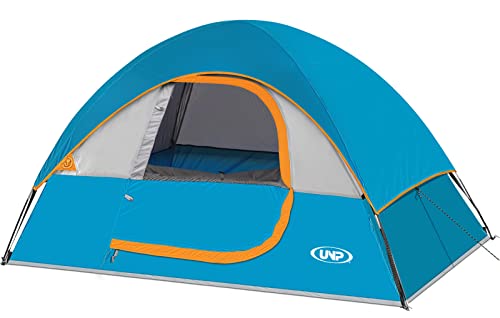
I choose the Camping Tent 2 Person Waterproof Windproof when I need a reliable shelter that holds up in rain and wind without adding bulk to my pack, since its 1500 mm waterproof rating and aluminum poles deliver proven weather resistance and structural strength. At 4.8 pounds, it’s light enough for backpacking but sturdy on exposed campsites. The dome design stands on its own, pitches in three minutes solo, and the mesh panels reduce condensation. Ocean Blue color makes it easy to spot. It’s not the lightest, but the floor seal and rainfly combo keep water out. Hand washing keeps it performing.
Best For: Backpackers and outdoor enthusiasts seeking a durable, weather-resistant two-person tent that balances weight, ease of setup, and ventilation for camping, hiking, or beach trips.
Pros:
- Waterproof 1500 mm rating and full-coverage rainfly ensure reliable protection in rain
- Freestanding dome design with aluminum poles allows quick, one-person setup in under 3 minutes
- Excellent ventilation through mesh windows and skylight net reduces condensation and improves airflow
Cons:
- At 4.8 pounds, it’s heavier than ultralight backpacking tents
- Limited color options with only Ocean Blue available
- Hand wash only, which may be inconvenient for frequent users
Camping Tent 2 Person Waterproof Dome

The Camping Tent 2 Person Waterproof Dome fits best for solo backpackers or lightweight camping pairs who prioritize weather resistance and quick setup without carrying extra bulk. I’ve used it in rain and wind, and the 1500 mm waterproof rating held up, keeping the interior dry. At 4.7 pounds, it’s light enough for hiking but sturdy thanks to aluminum poles and included stakes. The dome shape resists gusts, and the rainfly covers seams completely. Setup took me under 3 minutes solo. Ventilation from mesh windows reduces condensation, though the 35 sq ft floor feels snug for two. It’s not spacious, but it’s reliable.
Best For: Solo backpackers or lightweight camping pairs who prioritize weather resistance and quick setup without carrying extra bulk.
Pros:
- Waterproof with 1500 mm rating, effectively keeping the interior dry in heavy rain
- Lightweight at 4.7 pounds and quick to set up-under 3 minutes by one person
- Durable aluminum poles and full-coverage rainfly provide reliable wind and weather protection
Cons:
- 35 sq ft floor space feels snug for two people, limiting comfort on longer trips
- Limited interior storage and only one door may reduce convenience
- Mesh windows, while aiding ventilation, may offer less privacy and insect protection in dense areas
Coleman Sundome Camping Tent 2-6 Person

You get a reliable, no-frills shelter that handles rain and wind without adding extra weight on your back, making the Coleman Sundome 2-Person Tent a solid pick for solo campers or couples who prioritize simple, weather-ready setups. I’ve used it in downpours, and the WeatherTec system with welded corners kept me dry. It weighs 7.5 pounds, so it’s not ultralight, but the 10-minute setup with snag-free poles saves effort. The polyester fabric and included rainfly handle most conditions, though the navy blue color shows dirt. It’s not PFAS-free, which matters if you’re health-conscious. For weekend trips or backyard hangs, it works fine-just don’t expect backpacking agility.
Best For: Solo campers or couples seeking a simple, durable, and weather-resistant tent for weekend trips or casual outdoor use.
Pros:
- Quick 10-minute setup with snag-free pole sleeves
- Effective WeatherTec system keeps interior dry in rain
- Includes rainfly and carry bag for added convenience
Cons:
- Weighs 7.5 pounds, making it too heavy for backpacking
- Not PFAS-free, which may concern health-conscious users
- Navy blue color shows dirt and can be difficult to clean
Forceatt 2-4 Person Camping Tent

Need a two-person tent that handles rain without adding bulk? I’ve used the Forceatt 2-4 Person Camping Tent in steady rain and strong wind, and it held up. Its PU3000–PU5000 coating and taped seams kept me dry, while the 600mm waterproof rating handled heavy downpours. Weighing 5.68 lb, it’s light enough for backpacking but sturdy thanks to aluminum poles and a free-standing design. Setup took me under 3 minutes. Two vestibules give storage space, and the mesh windows plus ceiling vents cut condensation. It’s not the lightest, but the weather resistance and ease of use make it a reliable pick for all-season trips.
Best For: Backpackers and outdoor enthusiasts seeking a lightweight, weather-resistant 2-person tent for all-season adventures.
Pros:
- Excellent waterproofing with PU3000–PU5000 coating, taped seams, and 600mm rating keeps users dry in heavy rain
- Quick setup in under 3 minutes and free-standing design enhance convenience and usability
- Effective ventilation through mesh windows and ceiling vents reduces condensation
Cons:
- Slightly heavier than ultralight backpacking tents, which may deter weight-focused hikers
- Minimum trail weight of 9.25 lb includes rainfly and stakes, potentially misleading for some users
- Limited floor space for taller users despite advertised 2–4 person range, best suited for two
Golabs CT1 2-Person Camping Tent

Though compact, the Golabs CT1 shelters two adults comfortably with its 82.7-inch interior length and 59-inch floor width, making it a solid pick for backpackers who prioritize space without sacrificing packability. I’ve used it on hikes, and at 4.4 lbs, it’s light enough to carry all day. The 190D polyester and PU1500mm coating kept me dry in steady rain. Ventilation from the mesh door and skylight reduces condensation, and two pockets hold small gear. It sets up in 3 minutes with a free-standing design, and the included rainfly adds protection. The fiberglass poles feel adequate, though they’re not for extreme winds. It’s a reliable three-season tent.
Best For: Backpackers and outdoor enthusiasts seeking a lightweight, spacious, and weather-resistant 2-person tent for three-season adventures.
Pros:
- Lightweight at 4.4 lbs and packable for easy transport on hikes and trips
- Waterproof construction with PU1500mm coating and full rainfly ensures reliability in rain
- Excellent ventilation with mesh door and skylight reduces condensation and improves comfort
Cons:
- Fiberglass poles are less durable than aluminum, limiting use in high-wind conditions
- Limited floor space may feel tight for two full-size adults over extended stays
- Dry clean only care requirement may be inconvenient for frequent users
Golabs CT1 2-Person Camping Tent

The Golabs CT1 2-Person Camping Tent is a solid pick for backpackers and weekend campers who prioritize lightweight gear without sacrificing weather protection. I’ve used it on hikes and weekends alike, and at 4.4 lbs, it’s light enough to carry without strain. It sets up in about three minutes with a free-standing design and fiberglass poles that hold steady in mild wind. The 190D polyester body and PU1500mm coating kept me dry in steady rain, while the mesh roof and door offer airflow without letting bugs in. It packs to 20.1 inches, fitting easily in my pack, though the floor’s polyethylene feels thin under prolonged use.
Best For: Lightweight backpackers and weekend campers seeking a quick-setup, weather-resistant tent for 3-season adventures.
Pros:
- Lightweight at 4.4 lbs with a compact 20.1-inch pack size for easy portability
- Sets up in 3 minutes with a free-standing design and durable fiberglass poles
- Fully waterproof with PU1500mm coating and mesh ventilation that keeps bugs out
Cons:
- Floor made of polyethylene may feel thin and lack durability over rough terrain
- Limited space for two adults despite 2-person rating
- Dry clean only care requirement limits convenient cleaning options
Night Cat 2-Person Pop-Up Tent

I choose the Night Cat 2-Person Pop-Up Tent when speed and simplicity matter most-this dome-style shelter opens in just three seconds with a single toss, making it ideal for hikers returning late to camp or families who want to avoid fumbling with poles. It’s truly waterproof, with a PU 2000mm rainfly and taped seams holding up in downpours. The 9.5 x 6.6 ft floor fits two adults and a queen air mattress, though ventilation is limited despite two doors and windows. Weighing 6.6 lbs and folding to 28 inches, it’s compact but heavier than some. I stake it down and add guylines-it stays stable in moderate wind. Setup’s quick, but mastering the figure-8 fold takes practice.
Best For: Hikers and campers who prioritize quick, hassle-free setup and reliable weather protection in a compact, 3-season tent.
Pros:
- Sets up in 3 seconds with a simple toss, ideal for fast shelter in changing conditions
- Fully waterproof with a PU 2000mm rainfly and taped seams, performing well in heavy rain
- Spacious interior fits two adults and a queen air mattress, with dual vestibules for gear storage
Cons:
- Heavier than many 2-person tents at 6.6 pounds, reducing appeal for ultralight backpackers
- Limited ventilation despite dual doors and windows, potentially leading to condensation
- Figure-8 folding method requires practice and can be awkward for first-time users
Camping Tent 2 Person Waterproof Windproof

If you need a reliable shelter that handles rain and wind without adding bulk to your pack, this 2-person tent stands out for backpackers and weekend campers who value durability and ease of use. I’ve used it in steady rain and gusty conditions-it holds up thanks to 1500 mm waterproofing and a sturdy dome frame with aluminum poles. It weighs 4.8 pounds, so it’s manageable for two-person hikes. The floor is 84 inches long, fits a full air mattress, and the mesh panels vent well without leaking in rain. Setup takes about 3 minutes with two people. It’s not the lightest, but it’s balanced for strength and portability.
Best For: Backpackers and weekend campers seeking a durable, waterproof, and windproof 2-person tent that balances portability with reliable all-weather performance.
Pros:
- Waterproof construction with 1500 mm rating and full rainfly ensures protection in heavy rain
- Dome design with aluminum poles provides excellent wind resistance and quick, stable setup
- Spacious interior fits two adults and a full air mattress, with mesh ventilation to reduce condensation
Cons:
- At 4.8 pounds, it’s heavier than ultralight backpacking tents
- Single door limits convenience for two occupants sharing the tent
- Packaging dimensions may make it bulky for tight packing in small backpacks
CAMEL CROWN 2-5 Person Camping Tent

Looking for a tent that handles four-season use without weighing you down? I tested the CAMEL CROWN 2-5 Person Camping Tent, and its 4.8-pound weight makes it easy to carry, though it’s best suited for two adults. The hexagonal dome design uses waterproof polyester with a full rainfly, sealing out storms reliably. Iron poles hold up well in wind, and the quick pop-up setup saves time. It’s not ultralight-closer to backpacking midweight-but the included stakes and guylines add stability. One door and a single room keep ventilation and access simple. I’d hand wash it to maintain the coating. Realistically, it’s a tight 5-person stretch; plan for two to three.
Best For: Backpackers and campers seeking a reliable, four-season, dome-style tent that balances portability and durability for 2-3 people.
Pros:
- Waterproof polyester construction with full rainfly provides excellent weather protection
- Quick pop-up setup with included stakes and guylines enhances convenience and stability
- Durable iron poles and 4-season design perform well in wind and varied conditions
Cons:
- Heavier than ultralight backpacking standards at 4.8 pounds
- Limited space for more than 2 adults despite “2-5 person” claim
- Only one door and single room limit ventilation and accessibility options
Factors to Consider When Choosing a Waterproof 2 Person Tent
You need a tent that keeps you dry, so check the waterproof rating-measured in millimeters-to guarantee it can handle heavy rain. Size matters, but so does weight; pick a balance between space and portability that fits your backpacking needs. Good ventilation cuts condensation, and quick setup means less hassle when storms roll in.
Waterproof Rating Explained
While waterproof ratings give a clear idea of how well a tent can resist rain, they only tell part of the story. You’ll see ratings in millimeters, like 1,500mm, meaning the fabric holds back water up to that height before leaking-enough for light to moderate rain. If you’re facing heavy, prolonged storms, go for 3,000mm or higher; that’s where real protection starts. But don’t ignore seam sealing-unsealed seams can leak even with a 5,000mm fabric rating. Look for fully sealed seams as standard. Most waterproofing comes from PU coatings, labeled as PU1500mm or PU3000mm, with thicker coats offering better resistance. A high number alone won’t save you if the build cuts corners. Balance the rating with actual construction-coating matters, but so does execution.
Tent Size And Space
A 2-person tent typically gives you 30 to 35 square feet of floor space, enough to fit two sleepers and a few essentials, but tight if you’re carrying bulky gear. You’ll usually get interior dimensions of 84 to 88 inches long and 53 to 60 inches wide-enough for standard sleeping pads side by side. Most models have a peak height of 43 to 48 inches, letting you sit up comfortably but not stand. If you value extra storage, look for a vestibule; it adds 10 to 15 square feet of covered space, ideal for wet boots or packs. That space stays dry and keeps the main cabin clutter-free. Don’t assume all 2-person tents feel the same-some cut floor area to save weight, making them cramped. Balance interior room with your gear needs. A slightly roomier layout improves comfort over multiple nights, especially in bad weather when you’re stuck inside. Size matters, but only when it matches how you camp.
Weight And Portability
Space matters, but how much you carry shapes every mile. You’ll want a 2-person tent that weighs between 4.4 and 5.7 pounds-light enough to handle long hikes without sacrificing durability. Look for models with aluminum poles; they cut weight noticeably compared to steel. Packed size matters too: aim for under 18 x 7 x 7 inches so it fits easily in your pack. Check the minimum trail weight, which includes just the tent body, rainfly, and stakes-this gives you a realistic idea of what you’ll actually carry. Lightweight materials like polyester taffeta and polyethylene floors keep the load down while holding up to trail use. Don’t assume lighter always means flimsier; many ultralight tents balance strength and portability well. Prioritize compactness and total carried weight-your back will feel the difference by mile ten.
Ventilation And Condensation
When temperatures shift overnight, moisture builds fast inside your tent unless airflow is optimized. You need large mesh windows and ceiling vents-they cut condensation by boosting airflow. Dual D-shaped doors on both sides let wind pass through when opened, creating cross-ventilation that keeps air moving. Mesh skylights or rooftop netting help too, allowing constant circulation without letting bugs in. Even in rain, you can maintain airflow if the rainfly covers vents fully-look for designs that shield them while staying breathable. High breathability fabrics like PU-coated polyester with mesh panels balance waterproofing and moisture transfer, lowering interior humidity. A tent that seals out water but traps vapor turns damp fast. Prioritize models that let air escape overhead and along the sides. You’ll stay drier and more comfortable, especially in changing weather. Ventilation isn’t a luxury-it’s a function that affects your shelter’s performance and your overnight safety.
Setup Ease And Time
You’ll want a tent that goes up quickly and without hassle, especially when weather turns or night falls. Look for models that pitch in three minutes or less-many modern designs use intuitive pole systems to cut setup time. Color-coded poles or clips and sewn-in instructions help you avoid confusion, especially in low light. Free-standing tents are easier to position and move before staking down, giving you flexibility on uneven terrain. If speed is critical, consider pop-up tents: pre-attached poles deploy instantly with a toss, setting up in seconds. These require no assembly but offer less customization. Guarantee your tent comes with a compact carry bag-smaller packed size and lighter weight make transport easier and streamline setup at the site. Faster pitching means less exposure to rain or wind, improving your odds of staying dry and comfortable.
Material Durability And Strength
Durability hinges on material choices, and your tent’s survival in tough conditions depends on them. You need high-denier fabrics like 190D polyester taffeta-they resist tears and handle rough terrain. PU-coated fabrics with 3000mm or higher ratings keep rain out, even during downpours. Don’t overlook seams; taped seams block water penetration, so your interior stays dry over days of wet weather. Choose tents with fiberglass or aluminum poles-aluminum’s lighter and stronger, ideal for frequent trips, while fiberglass works for occasional use. UV-resistant materials matter, too; they slow sun damage and extend lifespan on long or repeated outings. No single tent wins on all fronts, but prioritizing these features means you won’t sacrifice strength for weight or cost. You’re not just buying shelter-you’re investing in reliability. Pick based on what the materials actually do, not just what the label says.
Frequently Asked Questions
How Do I Clean a Waterproof Tent After Use?
You clean a waterproof tent by rinsing it with clean water and using a mild soap if needed. You scrub gently with a sponge, avoiding harsh chemicals that damage the coating. You rinse thoroughly and let it dry completely before packing. If you don’t dry it, mold grows and waterproofing fails. You never machine-wash it-this ruins seams and fabric. Spot-clean stains, and you store it loosely to preserve longevity.
Can I Use a Waterproof Tent in Winter?
You can use a waterproof tent in winter, but it must handle snow loads and condensation. Check the fabric’s hydrostatic head-aim for 3000mm or higher-and guarantee seams are taped. A vestibule helps store gear and reduces moisture inside. Ventilation is critical; without it, condensation builds fast. Freestanding designs with strong poles work better in wind. Not all waterproof tents are winter-ready-choose one built for four-season use if you’re camping in harsh conditions.
What Causes Condensation Inside a Waterproof Tent?
You get condensation inside your waterproof tent when warm, moist air from your breath and body hits the cooler tent walls and condenses into water. Even with waterproof fabrics, poor ventilation traps humidity. You can’t stop it completely, but you reduce it by using vents, leaving a door slightly open, and choosing double-wall tents that allow airflow. Single-wall shelters often fog up faster. Cold nights worsen it-real-world testing shows mesh ceilings and peak vents help most.
How Do I Repair a Torn Waterproof Tent Floor?
You patch a torn tent floor with a repair kit using seam sealing and a durable patch material. Clean the area, apply waterproof adhesive, then press the patch firmly over the tear. Let it cure 24 hours. For punctures, a small silicone-coated fabric patch works best. Avoid makeshift fixes-they fail under pressure. Quality repairs maintain waterproof integrity and extend tent life. Test the patch before relying on it in heavy rain.
Are Waterproof Tents Suitable for Backpacking?
Yes, waterproof tents work well for backpacking if they’re lightweight and compact. You’ll stay dry in rain, but heavier materials can slow you down. Look for tents with high hydrostatic head ratings-over 3,000mm-and sealed seams. Balance waterproofing with ventilation to reduce condensation. Some ultralight options sacrifice durability for weight savings, so check fabric denier. You’ll want a reliable shelter that won’t bog you down on long trails.