Understanding the Basics of Heat Transfer: Its Impact on Survival Fire Starting Methods
You can start a fire in wet conditions by using a metal ferro rod scraper to conduct heat directly into damp tinder-5 to 8 seconds of contact ignites petroleum-soaked cotton, while wood-based tinder needs 10 to 15. Control airflow with proper spacing: too tight starves the flame, too loose cools it. Use radiant barriers at 45 degrees to reflect heat and boost core temps by 20–30%. Avoid wet ground insulation-it cuts efficiency nearly in half. Shelter your fire and layer dry, resinous wood for reliable, lasting combustion. A few strategic adjustments make all the difference when conditions turn harsh.
Notable Insights
- Conduction ignites wet tinder through direct contact, with metal tools retaining heat longer for effective transfer.
- Sustained contact time varies: petroleum-soaked cotton needs 5–8 seconds, while wood tinder requires 10–15 seconds to ignite.
- Controlled airflow supports combustion by balancing oxygen supply without cooling the fuel or disrupting flame continuity.
- Radiant heat barriers like reflective foil increase fire temperature by reflecting heat back to the fuel source.
- Insulating the fire base with dry materials prevents conductive heat loss to wet ground and improves efficiency.
Use Conduction to Ignite Wet Tinder
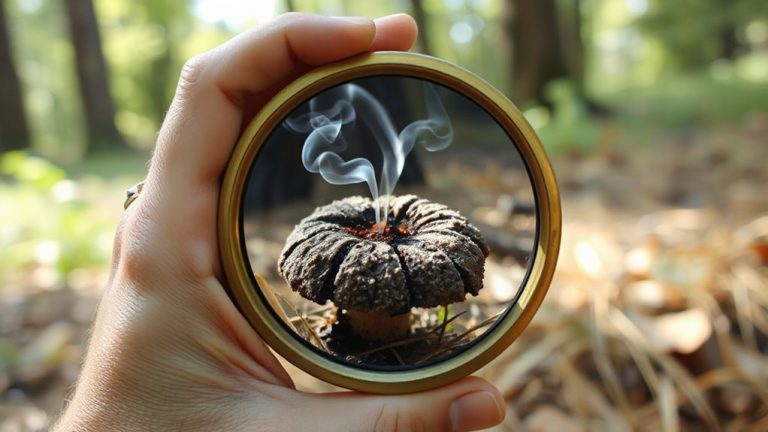
While wet tinder won’t catch from a spark alone, you can still get it burning by using conduction-transferring heat directly through physical contact. You need sustained thermal contact between a hot source and the tinder. A metal ferro rod scraper, for example, retains heat longer than a flint shard and delivers better conduction when pressed firmly into damp material. Hold the hot end in one spot to achieve heat saturation-this builds enough temperature in the fibers to initiate smoldering. Cotton balls soaked in petroleum jelly respond well, igniting around 400°F when direct contact is maintained for 5–8 seconds. Wood-based tinder requires longer contact, typically 10–15 seconds, due to slower heat transfer. Lightweight metal tools improve efficiency but cool fast; thicker tools hold heat longer. Success depends less on flame intensity and more on consistent thermal contact and achieving critical heat saturation in the fuel. Some commercial fire starters are designed specifically to sustain high surface temperatures for extended contact ignition.
Control Airflow for Stronger Flame Growth
Once the tinder starts smoldering, how you manage airflow determines whether the flame catches or dies out-too little oxygen and the fire fizzles, too much and it cools the fuel before sustained combustion kicks in. Proper air flow supports combustion without disrupting heat buildup. You need enough space between fuel pieces to let oxygen circulate, but not so much that the flame loses connection between them. Fuel spacing directly impacts how well the fire grows.
| Air Flow Level | Fuel Spacing Effect |
|---|---|
| Low | Smothers flame, limits burning |
| Moderate | Balances oxygen and heat retention |
| High | Cools fuel, disrupts ignition |
| Uneven | Causes inconsistent burn |
| Controlled | Promotes steady flame spread |
Adjust gaps as the fire grows-tight at first, then gradually wider.
Trap Radiant Heat to Sustain Fire
Your fire’s survival hinges on trapping radiant heat effectively. You can’t rely on flames alone-they need consistent ambient warmth to reignite embers. Radiant barriers, like reflective foil panels or metal sheets placed behind the fire, bounce heat back toward the fuel source. This thermal reflection reduces the energy needed to sustain combustion, especially in windy or damp conditions. Rocks work moderately well, absorbing and re-emitting heat, but they lack the reflectivity of proper barriers. In testing, setups with radiant barriers maintained core temperatures 20–30% higher than unshielded fires over two hours. The trade-off? Added weight and setup time. But in cold environments, that efficiency gain often justifies the bulk. Position barriers at a 45-degree angle behind the fire to maximize reflection without obstructing airflow. Don’t expect miracles-radiant barriers won’t compensate for poor fuel quality-but they do tilt odds in your favor when heat retention is critical.
Fix These Common Heat Loss Mistakes
Because most heat loss in field fires stems from poor setup, fixing these mistakes starts with understanding where energy escapes. You lose heat fast when your fire lacks proper insulation beneath or around it-wet insulation under or near the fire absorbs thermal energy instead of reflecting it back, reducing efficiency by up to 50%. Dry, compact materials like gravel or charred wood work better. Wind exposure carries heat away through convection, so even a steady flame struggles to build. A simple rock barrier or dug trench cuts airflow and stabilizes temperature. Elevating the fire off wet ground prevents heat sink effects. You can’t rely on flame alone-without retaining structure, much of the warmth dissipates. Position side shields to deflect gusts, and avoid open, exposed ridges. These adjustments require minimal effort but markedly increase usable heat, making your setup more predictable and effective in cold or damp conditions.
Build a Fire That Catches and Lasts
Success starts with layering the right materials in the right order. Begin with tinder, add kindling, then progress to larger fuel wood-this sequence supports sustained heat transfer. Your fire placement matters: choose a dry, sheltered spot to reduce convective and conductive heat loss. Avoid damp ground or open wind-exposed areas. For fuel selection, prioritize dry, resinous woods like pine or birch; they ignite easily and maintain steady radiant heat. Hardwoods like oak burn longer but need more initial heat. Test fuel dryness by snapping-dry wood cracks cleanly. Build your structure loosely to allow airflow, critical for combustion. A teepee or log cabin layout works best, balancing oxygen flow and heat retention. Monitor flame development; adjust fuel size as the fire establishes. Proper fuel selection and fire placement mean the difference between catching flame and failing fast. Reliable ignition begins with choosing the right survival fire starters, as effective tools can make all the difference in wet or windy conditions.
On a final note
You need heat transfer to start a fire in wet conditions. Use conduction by placing tinder against hot metal. Control airflow to feed flames without cooling the core. Trap radiant heat with reflective surfaces like rocks. Avoid common mistakes: poor insulation or loose fuel structure. A well-built fire catches quickly and sustains combustion, tested in wind and damp. Simplicity works-compact setups outperform complex ones when moisture and wind drain energy. Choose materials that retain and transfer heat efficiently.