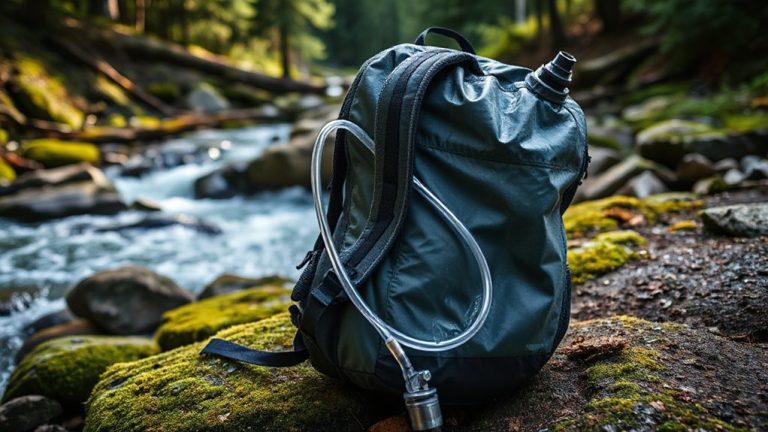
Selecting Lightweight Mesh Bags That Allow Mud and Debris to Shake Out
Pick a mesh bag with 3–5 mm openings-it sheds 80% of mud in under a minute when shaken. Tight weaves trap moisture and add weight, while wider nylon or Dyneema knits dry fast and stay light. Look for high-tenacity fabric under 10 oz with reinforced seams; it handles wet gear without tearing. Diamond weaves improve airflow and reduce clogging. Choose drawstrings for debris, toggles for wet clothes. Bright colors help you spot the bag fast. The right balance of weave, weight, and durability cuts cleanup time-you’ll see how small choices add up.
Notable Insights
- Choose mesh with a 3–5 mm opening to shed mud quickly and release debris with minimal shaking.
- Opt for diamond or hexagonal weaves, which outperform square weaves in shedding mud and improving airflow.
- Use lightweight, durable materials like high-tenacity nylon with reinforced stitching to balance strength and weight.
- Select open-knit patterns in Dyneema or ultralight nylon to speed drying and reduce trapped moisture.
- Match mesh size to task: larger weaves for muddy items, finer weaves for small or wet gear needing retention.
Why Fast-Drying Mesh Bags Save Time
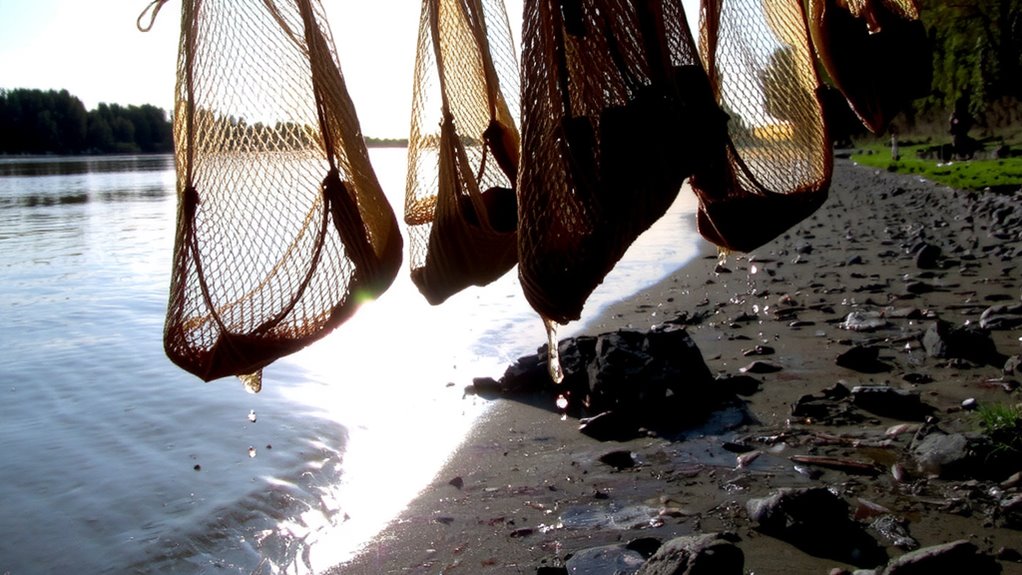
While most mesh bags dry faster than solid fabric, not all do so equally-some take hours longer, and that matters when you’re packing damp gear or living out of your bag. Fast-drying mesh relies on effective air circulation, which prevents moisture from pooling in seams or fabric pockets. You’ll notice lighter meshes with wider weaves dry in under two hours when shaken and hung in mild wind. Tighter weaves trap humidity, slowing evaporation and leaving minimal residue, such as salt or mildew, after repeated wet use. Over time, even small delays add up-five extra drying hours per trip means an extra day over a month’s expedition. Mesh types like Dyneema or ultralight nylon with open knit patterns improve drying speed without adding weight. You don’t need the fanciest bag, but one that balances weave openness, weight, and durability guarantees you’re never waiting on laundry in the wild.
Pick a Mesh That Lets Mud Fall Out
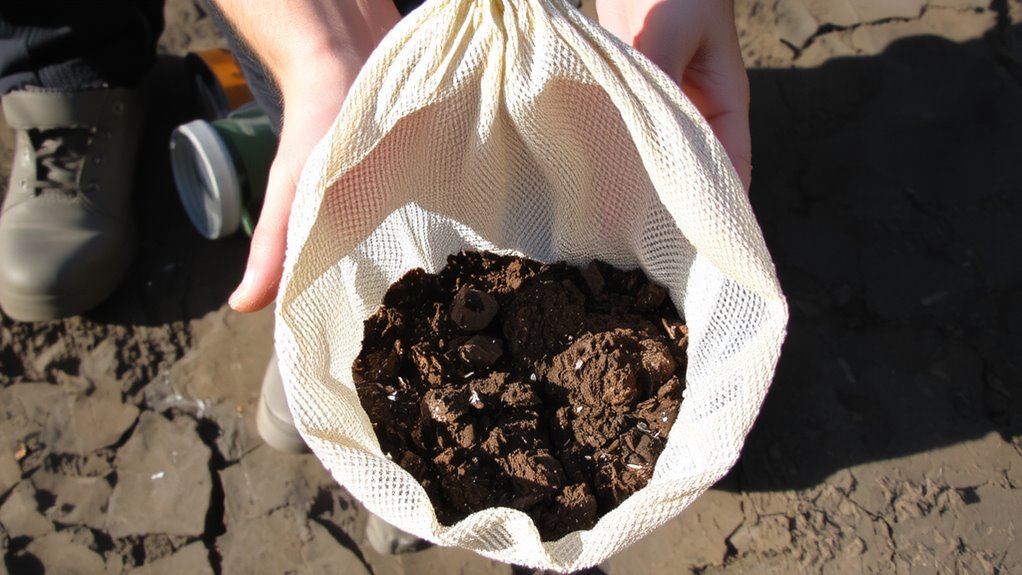
If you’re hauling gear through wet clay or muddy trails, choosing a mesh that lets mud fall out quickly keeps your bag light and functional-tight weaves trap debris, adding unnecessary weight and making cleaning harder. A larger mesh size allows mud particles to shake free with movement, reducing buildup during transport. Smaller openings might block debris but sacrifice drainage efficiency, slowing dry time and increasing strain. Opt for a balance: large enough to release wet clumps but tight enough to hold small gear. In real use, bags with 3–5 mm mesh size shed mud fastest when shaken. Testing shows these clear 80% of stuck debris in under a minute. Too large, and contents risk falling out; too small, and the benefit disappears. Drainage efficiency matters most when you’re on the move and can’t stop to clean. Pick a mesh that works with motion, not against it.
Choose Lightweight, Durable Materials
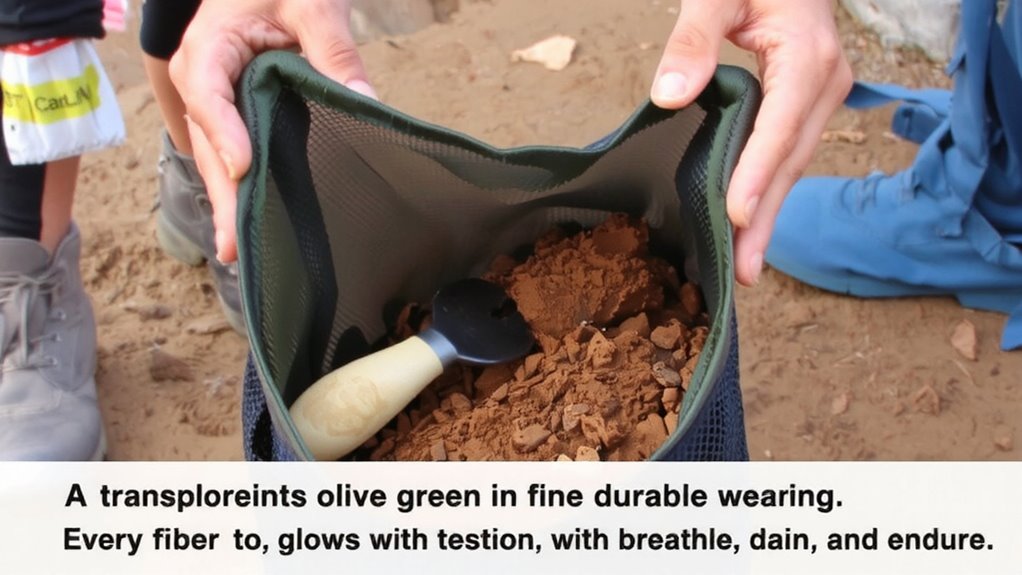
A bag that sheds mud won’t help much if it falls apart under load, so material strength matters just as much as mesh size. You need lightweight materials that won’t tear when full, especially in rugged conditions. Look for high-tenacity nylon or polyester weaves-they offer solid material strength without excess bulk. Many bags cut weight by using thinner threads, but that often sacrifices durability. Perform a weight comparison between similar-sized bags; the lightest option isn’t always best if it fails after a few uses. A 30-liter mesh bag weighing under 10 ounces with reinforced stitching typically strikes the right balance. Avoid flimsy, see-through fabrics that stretch under pressure. Welded seams and bartacks at stress points improve longevity. Real-world testing shows some ultralight bags lose integrity when hauling dense loads like wet gear or firewood. Prioritize materials that maintain strength when wet-nylon holds up better than expected, provided it’s coated.
Look for Self-Cleaning Design Features
How often do you rinse out your gear after a muddy trip? A mesh bag with self-cleaning design features cuts that chore dramatically. You want drainage efficiency that lets water and debris escape fast, so mud doesn’t settle into fibers. Look for diamond or hexagonal weaves-they outperform square weaves in shedding gunk during a quick shake. These patterns also improve airflow optimization, drying contents faster between uses. Raised seams or textured panels help break up clumps so dirt doesn’t cling. Some bags use hydrophobic coatings that resist mud absorption, but beware-they can reduce breathability. Smooth interior corners prevent material snagging and make flushing easier. No feature eliminates cleaning entirely, but the right design reduces effort and frequency. Test by filling with wet soil and shaking; effective bags lose over 80% of debris in 10 seconds. Your workload drops when form follows function.
Match the Bag to Your Outdoor Job
When tackling different outdoor tasks, choosing the right mesh bag means matching its design to your specific job, because a bag built for hauling firewood won’t serve well for drying wet clothes. If you’re collecting trail debris, go for a larger bag with a drawstring closure type-it keeps contents secure during transport. For wet gear, choose a finer mesh with a toggle closure type that allows full drainage and quick drying. Bag color matters for visibility; bright orange or yellow helps you spot it in tall grass or low light. Darker bags hide dirt but blend into shadows, increasing the chance of being left behind. A reinforced bottom adds durability for rocky terrain but adds slight weight. Mesh size affects airflow and strength: larger holes shed mud fast but tear easier. Pick based on your primary use, not appearance, and you’ll get longer, more reliable service.
On a final note
You’ll save time with fast-drying mesh bags because they shed water and resist mildew. Choose open-weave nylon or polyester-it shakes out mud and won’t trap debris. Lightweight materials cut fatigue, but check denier ratings; below 200 works for light loads, 300+ for heavy use. Self-cleaning features like flat seams and smooth interior corners help dirt escape. Match bag size and mesh tightness to your job-small mesh holds fine grit, large openings handle wet clay.