How to Prepare for and Survive an Urban Firestorm Scenario
Harden your home with Class A fire-resistant siding, roofing, and dual-sensor smoke alarms that activate 30% faster in flaming and smoldering fires. Pack a 72-hour kit with 3 liters of water per person daily, a 0.1-micron filter, N95 mask, and 2000-lumen flashlight. Plan two evacuation routes tested monthly; primary should take under 8 minutes. If trapped, seal an interior room with minimal combustibles and signal with a flashlight. More details follow on optimizing each step for real-world urban firestorms.
Notable Insights
- Install fire-resistant siding, roofing, and dual-sensor smoke alarms to protect your home from urban firestorms.
- Equip a 72-hour survival kit with water, purification tools, lighting, and respiratory protection under 15 pounds.
- Plan and practice two evacuation routes monthly to ensure fast, safe exit during fast-moving fire events.
- Navigate smoke-filled areas by staying low, feeling walls, and using emergency lighting to avoid flashovers.
- If trapped, shelter in an interior room, seal gaps, signal for help, and stay low to reduce smoke inhalation.
Fireproof Your Home Before the Urban Firestorm Hits
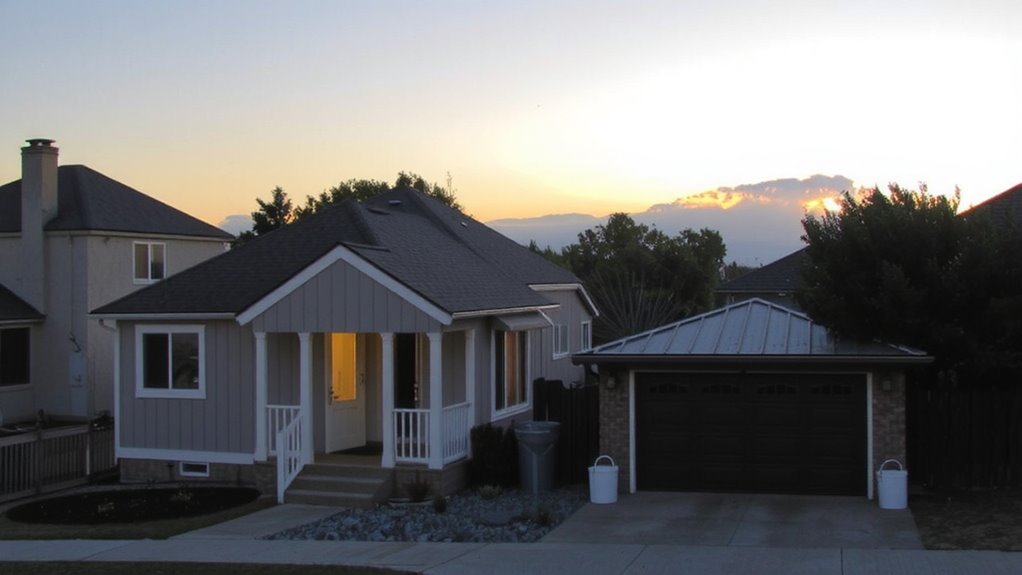
While you can’t control when an urban firestorm might strike, you can considerably reduce your home’s vulnerability with targeted, evidence-based upgrades. Installing fire resistant materials in siding, roofing, and windows increases your home’s ignition resistance-tested Class A materials withstand flames for over two hours. Metal, stucco, and fiber-cement siding outperform wood and vinyl under direct exposure. Dual-sensor smoke detection systems that combine photoelectric and ionization technologies respond faster to both smoldering and flaming fires, reducing alert time by up to 15 minutes in controlled tests. Place detectors within 10 feet of bedrooms and on every level; interconnected units guarantee all alarms sound simultaneously. Seal gaps around doors and utility entries with intumescent sealants that expand under heat. These measures don’t guarantee safety, but they improve survival odds by delaying fire entry and increasing evacuation time. Simple changes, backed by testing, make a measurable difference.
Pack a 72-Hour Urban Firestorm Survival Kit
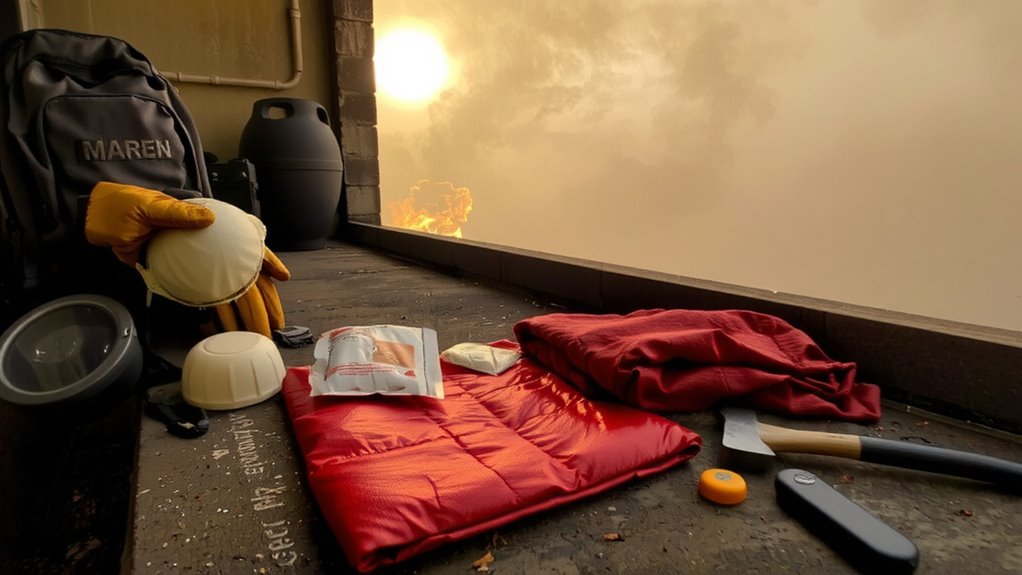
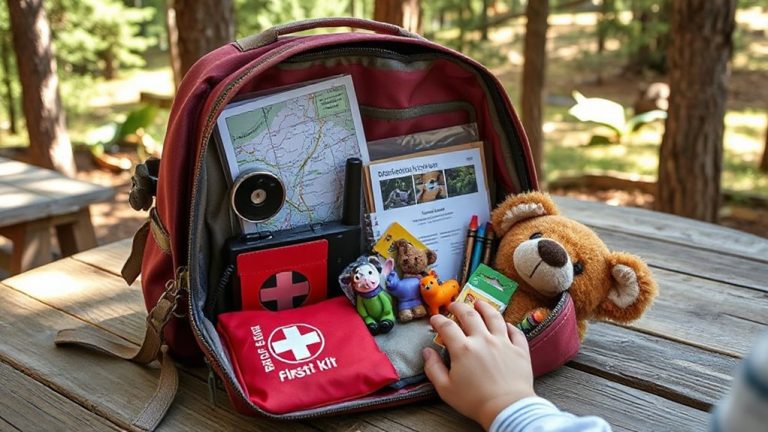
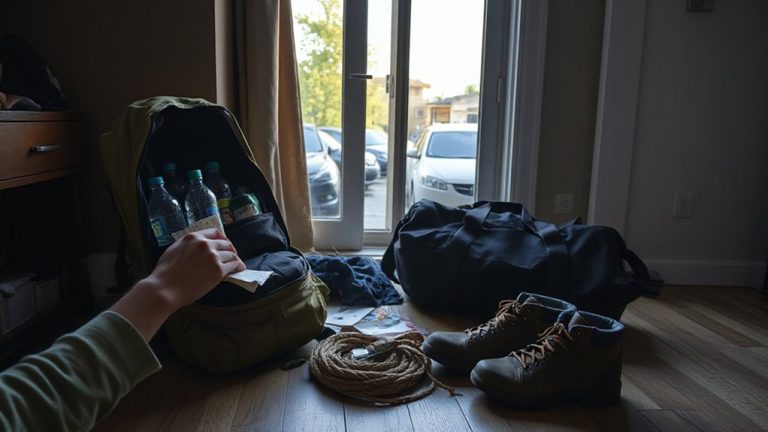
A well-packed 72-hour urban firestorm survival kit gives you a better shot at staying safe when evacuation routes are blocked or utilities fail. Pack 3 liters of water per day per person and include two water purification methods-a chemical tablet (like potassium iodide) and a 0.1-micron filter-so you’re covered if one fails. Include a compact LED strobe light and a loud whistle for emergency signaling; reflective materials on clothing or gear increase visibility to rescuers. Choose a 2000-lumen flashlight over higher models-they’re bright enough without excessive battery drain. A fire-resistant Mylar blanket adds warmth without bulk. Don’t rely on phones; signal manually. N95 masks are essential for smoke. Your kit must weigh under 15 pounds. Test it monthly. A well-balanced kit isn’t about volume-it’s about reliable, usable tools that perform when needed. For optimal thermal retention, consider a top-rated space blanket that resists tears and maintains reflectivity even after repeated use.
Plan Your Quick Exit Before Flames Spread
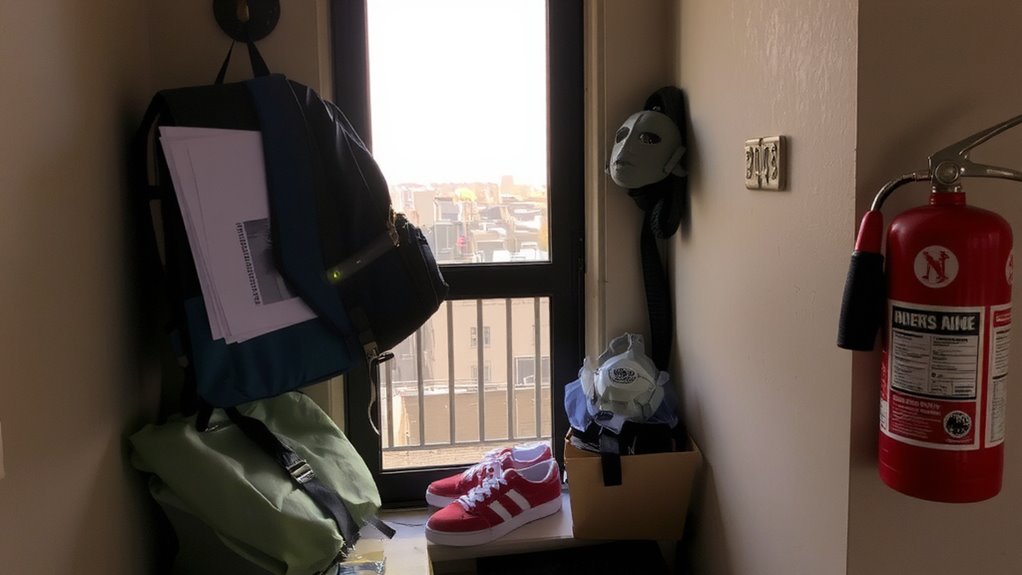
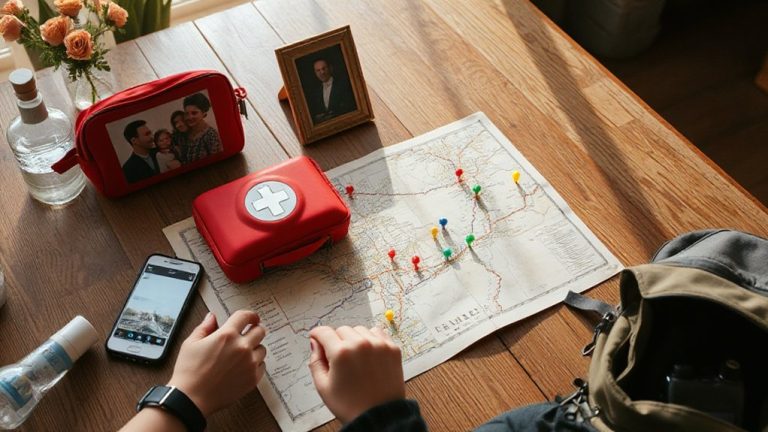
You’ve packed your 72-hour kit with proven gear-water filters rated to remove protozoa and bacteria, a flashlight tested for sustained 2000-lumen output, and N95 masks that meet NIOSH standards-so now it’s time to focus on how you’ll get out fast when fire moves quickly through city streets. Map two exit routes from your home and workplace, and test them monthly during evacuation drills. Know the difference between smoke alarms (local) and emergency signals (city-wide), like sirens or reverse-911 alerts, which indicate mandatory evacuation. Practice identifying obstacles-locked gates, downed power lines-that could slow escape.
| Route Type | Avg. Travel Time (mins) |
|---|---|
| Primary | 8 |
| Alternate | 12 |
| Stairs | 6 (vs. elevator fail) |
| Bike path | 10 |
| Bus stop | 15 |
Response time drops when exits are pre-planned and drills are routine.
Escape Safely Through Smoke and Blackouts
How do you move when visibility drops to zero and every light goes out? Stay low, where smoke is thinner and breathable air accumulates. Use your hand to feel walls and guide your way-don’t rely on sight. Install battery-powered emergency lighting along exit paths; models with 90-minute backup and photoelectric sensors activate automatically during blackouts. Avoid opening doors that feel hot-doing so can worsen conditions by introducing oxygen. If you must proceed through smoke, use short bursts of air and cover your mouth with a damp cloth. Ventilation techniques like cracking windows from the bottom can reduce smoke buildup, but only if flames aren’t nearby. Crawl with one hand on the baseboard, the other shielding your face. These methods cut inhalation risk and maintain orientation. Emergency lighting reduces disorientation, but it’s no substitute for practiced movement in darkness. A reliable best flashlight for power outages ensures visibility when automatic systems fail.
Find Shelter If Trapped in an Urban Firestorm
If you can’t escape during an urban firestorm, your best chance is finding a room with a window, a solid door, and minimal combustible materials-this gives you breathable air, visibility for rescuers, and a barrier against flames. Seal gaps under doors with cloth to block smoke. Use emergency signals like a flashlight or cloth in the window to indicate you’re trapped. Avoid breaking windows unless absolutely necessary-preserving ventilation points maintains airflow without inviting fire. If smoke builds, stay low where air is clearer. A lightweight emergency sleeping bag can provide critical thermal protection and serve as a smoke barrier if trapped without proper shelter.
| Action | Purpose | Trade-off |
|---|---|---|
| Seal door gaps | Reduce smoke intake | Limits emergency signals visibility |
| Signal at window | Attract rescuers | Increases heat exposure |
| Control ventilation points | Manage airflow | Risk of oxygen feeding fire if misused |
On a final note
You can’t control a firestorm, but you can prepare. A sealed, fire-resistant home gives you minutes to act. Your 72-hour kit needs water, masks, and a flashlight-tested, not guessed. Escape fast when told; delays cut survival odds. Smoke inhalation kills faster than flames. If trapped, stay low, seal doors, and signal windows. Shelters work only if reached early. Every second counts-plans fail without practice.