Creating a Bug-Out Strategy That Includes Emergency Rain Gear
You need a waterproof jacket with at least 10,000mm rating and sealed seams, paired with full-coverage pants that move with you. Use silnylon or PU-coated polyester for durability and reliable wet-weather protection. Keep your pack dry with a dedicated cover and internal dry bags-double protection prevents gear soak. A lightweight, packable shelter and groundsheet cut moisture risk. Stay mobile and dry by choosing gear that balances weight, fit, and function without sacrificing critical features. Smart choices now keep you alert and functional when conditions turn deadly. More details help sharpen your strategy.
Notable Insights
- Choose a durable rain jacket and pants with sealed seams and at least 10,000mm waterproof rating to stay dry during prolonged exposure.
- Prioritize lightweight, packable rain gear under 18 ounces to maintain mobility and reduce fatigue during rapid evacuation.
- Ensure rainwear allows full range of motion with articulated joints and adjustable fittings for use over layers and with a backpack.
- Use a two-layer waterproofing strategy: a pack cover plus internal dry bags to protect critical gear from driving rain.
- Include an emergency shelter and ground insulation in your bug-out kit to prevent hypothermia during extended wet-weather sheltering.
5 Must-Have Emergency Rain Gear Picks
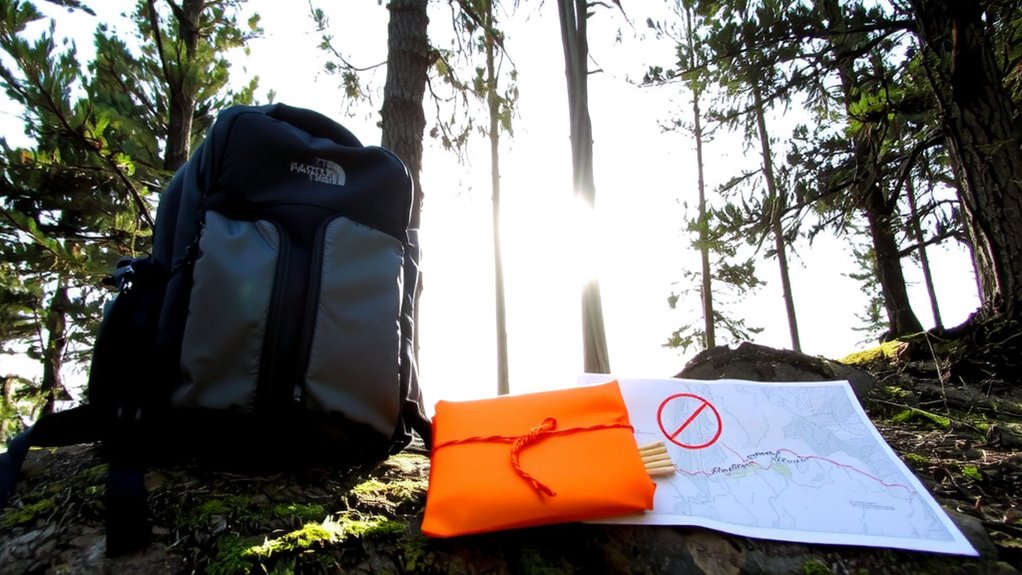
Prepared在玩家中 starts with staying dry, and your rain gear can make or break that effort when conditions turn. A durable rain jacket with sealed seams and a minimum 10,000mm waterproof rating is essential-it’s lightweight, packs small, and keeps you functional. Pair it with waterproof pants that allow full mobility, especially during sustained movement. Don’t overlook a compact rain shelter; a 2–3 person trekking pole tent or a heavy-duty emergency bivy offers reliable protection and doubles as a gear drying space. Waterproof dry bags let you organize and protect critical items while enabling wet gear to air out later. Prioritize materials like silnylon or PU-coated polyester-they resist tears and leaks but remain affordable. Ventilation matters: pit zips or mesh linings reduce condensation. This setup balances weight, cost, and real-world performance, ensuring you stay dry and operational when the weather turns hard. For lightweight, emergency-only coverage, consider packing a disposable rain poncho as a space-saving backup option.
Choose Lightweight Emergency Rain Gear
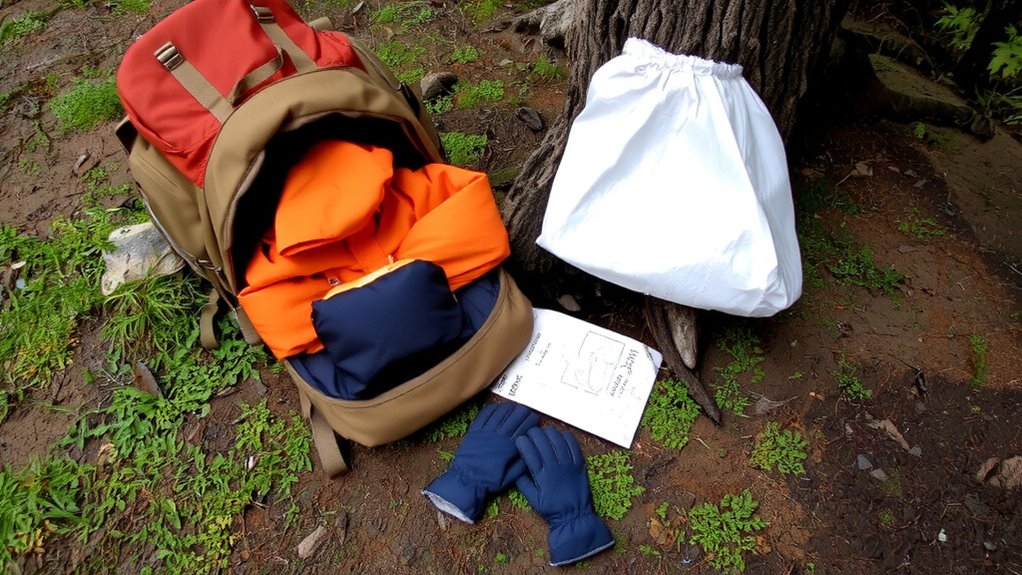
Every ounce counts when you’re on the move, and lightweight rain gear can save you 1–2 pounds without sacrificing protection. You need a balance between durability and low pack weight, and modern rain material like 20D nylon or ripstop polyester with a silicone or PU coating delivers that. These fabrics shed water effectively while staying under 12 ounces for a full rain suit. A lighter shell may use 15D fabric, cutting pack weight further but reducing tear resistance. Choose a rain jacket and pants combo under 18 ounces if possible. Ultralight options often skip features like pit zips or hoods to save grams, so decide what trade-offs you can live with. Waterproof breathability is limited in budget gear, but for emergency use, staying dry matters more than comfort. Prioritize gear that packs small and weighs little-every pound saved improves your mobility and endurance when it counts. For reliable options, consider top-rated rain gear for backpacking that balance weight, packability, and protection.
Pack Rain Gear That Fits and Moves

Fit and mobility matter when you’re wearing rain gear on a long hike-bags of fabric or tight sleeves can chafe, restrict movement, and slow you down. You need rainwear that moves with you, not against you. A jacket with articulated elbows and roomy shoulders improves mobility flexibility, letting you swing a pack or scramble over rocks without strain. Pants should allow a full range of motion, especially when climbing or kneeling. Snug cuffs and hems prevent flapping but shouldn’t bind. Test your gear with your loaded pack on; poor pack comfort leads to hot spots and fatigue. Choose adjustable features-waist pulls, helmet-compatible hoods-to customize fit without bulk. Gear that fits right reduces fatigue over miles. In survival situations, efficiency counts. Prioritize functional design over extra features. Your rainwear should support motion, not hinder it.
Waterproof Your Gear and Backpack
You can’t assume your backpack will keep your gear dry just because it’s made of heavy-duty fabric-most aren’t fully waterproof, especially under prolonged rain or during river crossings. A dedicated rain cover is essential; choose one sized to fully drape the pack with elastic edges for a snug fit. Cheap covers tear easily-look for 30D to 50D nylon with sealed seams. But a rain cover alone isn’t enough. Use gear sealing methods like dry bags or heavy-duty ziplock bags inside your pack for critical items. Seal electronics in double ziplocks, and pack clothes in compression dry sacks. This two-layer approach-external rain cover and internal gear sealing-ensures redundancy. Pack weight distribution stays manageable if you balance sealed items. No system is 100% fail-proof, but this setup has proven effective in downpours exceeding six hours and accidental submersions. For added protection, consider using a waterproof hiking pack designed with welded seams and roll-top closures.
Prevent Hypothermia in Heavy Rain
Hypothermia strikes fast when wet and exposed-especially in cold rain over 10°C (50°F) with wind chill. You lose body heat 25 times faster when wet, so staying dry is non-negotiable. An emergency shelter slows heat loss by blocking rain and wind. Use a lightweight tarp, Bivvy, or tube tent-tested to shed water in 50+ mm/hour rain. Pair it with ground insulation: a closed-cell foam pad (minimum R-value 2.0) stops conductive heat loss to wet soil. Infield tests show uninsulated ground drops body temp 2°C in 30 minutes. Don’t rely on clothing alone-layering fails if you’re in direct contact with damp ground. Your survival kit should include a vapor-barrier groundsheet and insulation that packs small (under 1L compressed). Combine these with your rain gear, and you cut hypothermia risk markedly. It’s not comfort-it’s thermal survival.
Stop Mistakes That Get You Wet and Slowed
Why do some stay dry while others end up soaked after the same storm? It often comes down to prep and material choices. You must avoid cotton clothing-cotton absorbs moisture, loses insulation, and dries slowly, increasing hypothermia risk. Instead, wear wool or synthetic fabrics that wick sweat and retain warmth when wet. You also need to check weather forecasts before moving out. Storms pop up fast, and being caught off guard without rain gear cuts your speed and endurance. Even a light jacket beats no protection, but a proper waterproof shell with taped seams offers better defense. Don’t assume you’ll outrun the rain. Poor layering and ignoring forecast shifts slow your pace. Wet feet, clothes, and gear add weight and friction, leading to blisters and fatigue. Simple mistakes like wearing cotton or skipping the forecast can turn a manageable trek into a dangerous retreat. Plan smart.
Test and Maintain Your Emergency Rain Gear
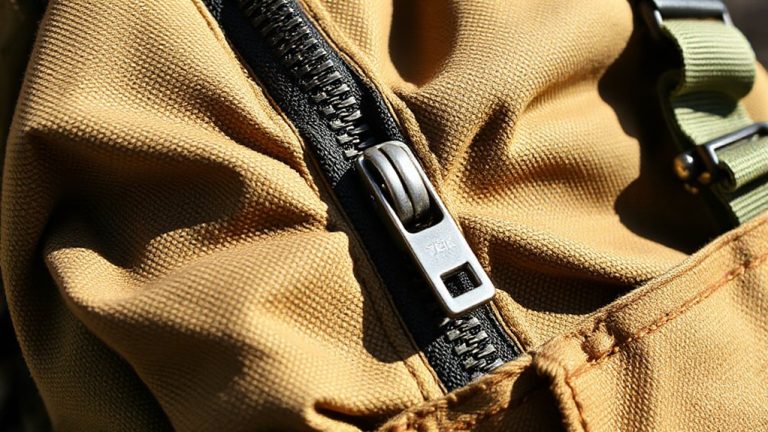
A reliable rain jacket isn’t just packed-it’s tested before the storm hits. You need real-world proof it won’t fail when you’re miles from shelter. Perform regular gear inspections: check seams, zippers, and waterproof coatings every season. Simulate wet conditions with a garden hose test-look for leaks, delamination, or fabric soak-through. Track wear patterns over time with durability tracking to spot weak points early. If a jacket shows thinning at the shoulders or hips after six months of use, it’s a sign to replace or reinforce before bug-out day. Waterproof membranes lose effectiveness, and DWR coatings wear off-reapply treatments as needed. Don’t assume storage equals readiness. Test boots, pack covers, and shelters too. Functionality under stress matters more than specs on paper. A dry system only works if every component passes inspection.
On a final note
You need rain gear that keeps you dry without slowing you down. Lightweight shells save pack space but may trade durability. A proper fit lets you move, not fight your gear. Sealing your pack and clothing prevents water from soaking your supplies and clothes. Staying dry helps avoid hypothermia, even in cold rain. Test everything before you rely on it-real conditions reveal flaws. Maintain gear to guarantee it works when needed.