How to Identify Emergency Risks for People With Disabilities
You face real risks when evacuating if stairs, narrow doors, or lack of ramps block your path-many shelters don’t meet basic 32-inch width or turning space needs. Auditory-only alerts fail you if you’re Deaf; flashing lights and vibration systems are proven better. Power outages can cut off medical devices-test backup batteries every three months. Sensory overload from sirens or bright lights can disable decision-making. Relying on one caregiver creates danger-have backups with access. Quiet zones and tinted glasses help. Plan now, and you’ll uncover overlooked gaps in your safety.
Notable Insights
- Assess mobility barriers like stairs and narrow doorways that block evacuation routes for wheelchair users.
- Evaluate alert systems for reliance on sound, which may exclude Deaf or hard-of-hearing individuals.
- Identify dependence on powered medical devices vulnerable to electricity loss during emergencies.
- Recognize environments with loud noises and bright lights that can trigger sensory overload in neurodivergent individuals.
- Review shelter accessibility for missing ramps, inadequate door width, and lack of caregiver support options.
Why Evacuating Is Harder With Mobility Disabilities
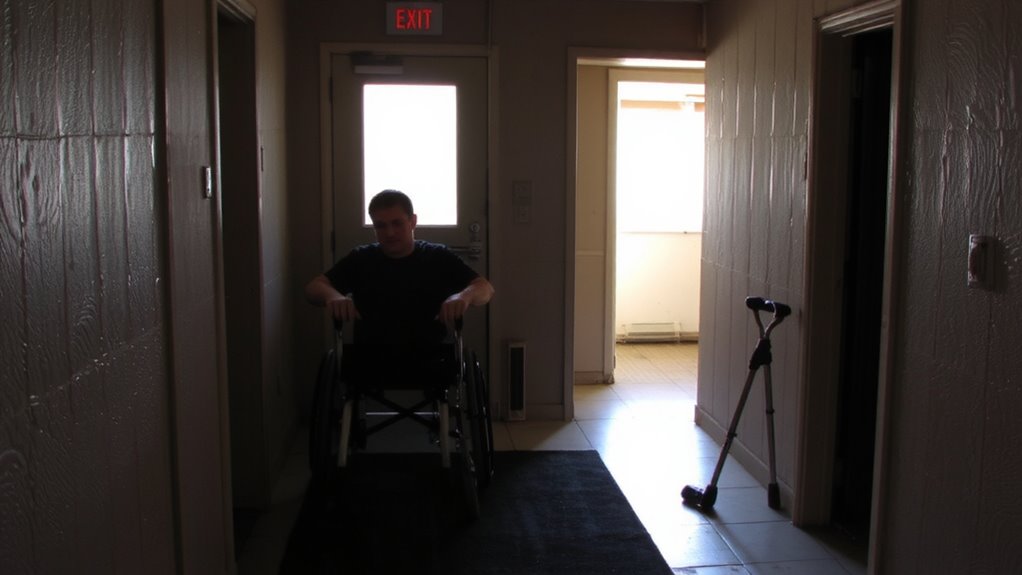
When you rely on a wheelchair or mobility aid, standard evacuation routes often don’t work-stairs, narrow doorways, and lack of ramps make exiting buildings in an emergency considerably slower and more dangerous. Stair navigation is a critical barrier; most mobility devices can’t descend steps safely, and human-assisted carries are risky, often requiring multiple people. Evacuation chairs help but need prior installation and training. Even if you exit the building, transport dependency limits your options-ambulances aren’t always available, and buses may not be accessible during crises. You’re often dependent on others or specialized equipment that may not arrive in time. Many emergency protocols overlook these realities, assuming all can use stairs or walk. Without designated shelter-in-place zones or evacuation support plans, your risk increases markedly during fires, earthquakes, or power outages. Planning must include personal preparedness and verified, accessible escape routes.
When Alerts Don’t Reach Deaf or Hard-of-Hearing People
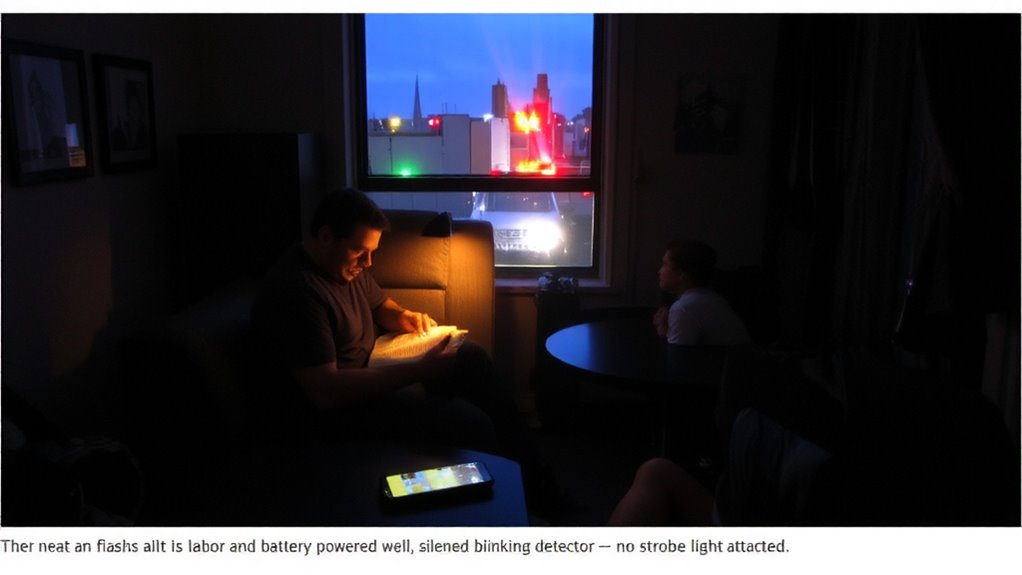
You won’t hear a fire alarm, siren, or evacuation announcement if it’s only auditory, and that silence becomes dangerous fast. Relying solely on auditory alerts creates critical communication gaps during emergencies. Visual or tactile warnings are necessary to guarantee you receive urgent information. Without them, response time drops markedly.
| Alert Type | Reach for Deaf/HoH |
|---|---|
| Auditory only | Low |
| Visual (flashing) | High |
| Tactile (vibration) | High |
Devices with strobe lights or bed shakers perform reliably when sound fails. Combining alert types closes communication gaps and increases survival odds. You need systems tested to industry standards, like UL 228, which specify minimum brightness or vibration intensity. Don’t assume auditory alerts are enough-they’re not. Use multi-sensory solutions to compensate. Practical testing shows mixed-mode alerts reduce missed warnings by over 70%. Your safety depends on what you can actually perceive, not what’s standard. Some emergency radios with visual alert features also support flashing lights and vibration to ensure accessibility during crises.
Keep Life-Sustaining Devices Running When Power Fails
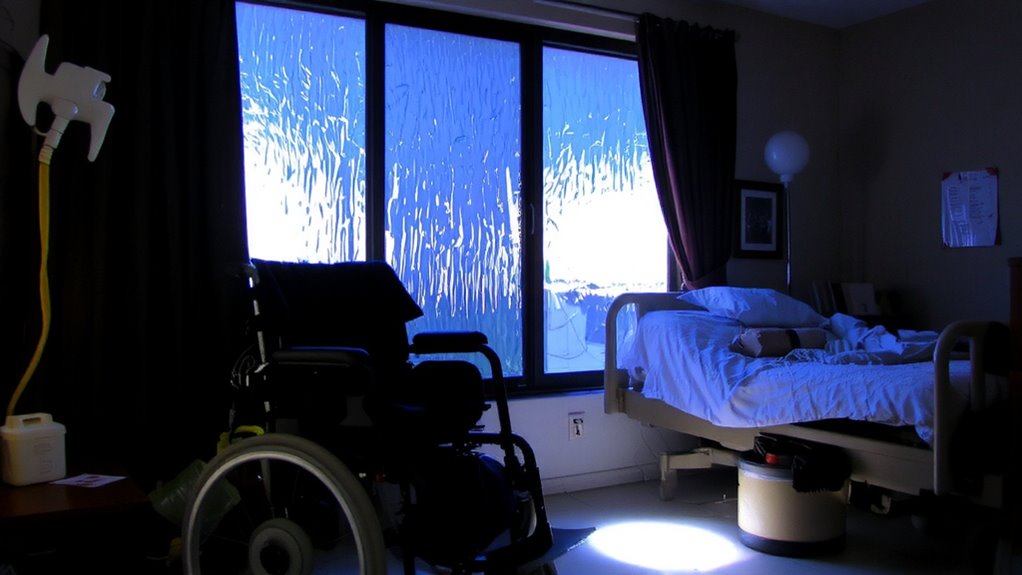
A power outage can shut down essential medical equipment in minutes, putting lives at risk-especially for those relying on ventilators, oxygen concentrators, or dialysis machines. You need reliable backup power to keep these devices running during emergencies. Battery packs, portable generators, or uninterruptible power supplies (UPS) can provide temporary power, but runtime varies-you must match capacity to your device’s watt changes and expected outage duration. A 500-watt UPS might run a standard oxygen concentrator for 30–60 minutes, which may not be enough. Larger generators offer longer support but require fuel and safe outdoor operation. Regular device maintenance guarantees efficiency and reduces power demand. Check battery health monthly, clean intake filters weekly, and follow manufacturer service schedules. Don’t assume your equipment will work when needed-test your backup power setup every three months under real load conditions. Plan for at least 48 hours of continuous operation.
How Crisis Environments Trigger Sensory Overload
Though often overlooked in emergency planning, sensory overload can quickly become a critical issue in crisis environments, especially for individuals with autism, PTSD, or sensory processing disorders. You face intense stimuli that overwhelm typical coping mechanisms. Sound sensitivity makes alarms, shouting, and sirens painful. High light intensity from strobes or emergency lamps disrupts visual processing. These stressors impair decision-making and mobility. Below is a breakdown of common triggers and their effects:
| Stimulus | Impact Level | Mitigation Option |
|---|---|---|
| Sirens | High | Noise-canceling earplugs |
| Flashing lights | High | Tinted glasses, shields |
| Crowd noise | Moderate | Quiet zones, headphones |
| Bright signage | Moderate | Lower-intensity alternatives |
Managing sound sensitivity and light intensity isn’t optional-it’s essential for safety. Simple tools reduce sensory input effectively. You should plan for them before disaster strikes.
When Shelters Aren’t Accessible to Wheelchair Users
When emergency shelters lack ramps, elevators, or wide doorways, getting inside can be impossible, even if the building is close. Without proper wheelchair access, you’re left stranded during critical moments. Shelter design often ignores basic mobility needs, placing entrances on upper floors or requiring narrow turns that standard wheelchairs can’t navigate. You need at least 32 inches of doorway width and ramps with a 1:12 slope-anything less creates a barrier. Many shelters use temporary setups where toilets, beds, and food lines are arranged without considering reach ranges or turning space. You’ll face longer waits or no entry at all. Poor shelter design doesn’t just inconvenience-it excludes. Check local shelters ahead of time: confirm elevator access, ramp availability, and whether accessible routes are maintained during setup. Relying on plans that look good on paper won’t help if real-world access fails when the emergency hits.
How to Escape if You Rely on a Caregiver
What happens if your caregiver can’t reach you when seconds count? Relying on someone else during emergencies creates a critical vulnerability. Caregiver dependency means you may not be able to evacuate without assistance, especially during fires, earthquakes, or power outages. If your caregiver is delayed, unreachable, or unable to help, your safety is at risk. That’s why evacuation coordination is essential. You need clear, pre-established methods for alternative support. Identify backup helpers-neighbors, friends, or nearby relatives-who can assist if your primary caregiver is unavailable. Give them keys, access codes, and instructions. Test these plans regularly. Coordinate with local emergency services to guarantee they understand your needs. Don’t assume help will arrive on time. Relying solely on one person is a single point of failure. Building redundancy into your evacuation coordination improves your odds markedly. Plan for the gap between when danger strikes and when help arrives.
Make an Emergency Plan That Works for Your Needs
A solid emergency plan isn’t one-size-fits-all-it’s built around your specific needs, environment, and abilities. You need to assess your mobility, sensory, and cognitive requirements when planning. Practice emergency drills regularly so responses become automatic. Include personal alarms in your setup-they’re reliable tools that alert others when you can’t call for help. Below is a quick comparison of common alert methods:
| Method | Detection Speed | Best For |
|---|---|---|
| Personal alarms | <10 seconds | Immediate distress |
| Phone alerts | 30+ seconds | Pre-planned calls |
| Smart sensors | 15–20 seconds | Hands-free activation |
Choose based on response time and reliability. Adapt drills to match your environment. Test solutions monthly. Adjust as needs change.
On a final note
You need a plan tailored to your needs, not guesswork. Test backups for power-dependent devices, confirm alert systems reach you, and verify shelter accessibility. Mobility aids and sensory triggers matter in evacuation-account for them. Relying on a caregiver adds risk; build redundancy. Real prep means checking each step works under stress. No product fixes poor planning-practice beats promises every time.