Developing Standard Operating Procedures for Manual Siren Activation
You should only activate the manual siren when a verified emergency exists, as false alarms happen in 30% of unplanned cases and weaken response reliability. Authorized personnel-Site Manager, Safety Officer, or Shift Supervisor-must follow clear steps: verify the threat, use the access key, hold the button for two seconds, and confirm signal transmission. Immediately notify the command center, log the activation, and stay at your post. Regular drills and system tests maintain readiness. Further details clarify how teams stay prepared and protocols stay effective.
Notable Insights
- Define authorized personnel clearly, limiting siren activation to Site Manager, Safety Officer, and Shift Supervisor.
- Establish a verified step-by-step process for activating the siren, including access control and two-second press.
- Require immediate notification of the command center post-activation to coordinate emergency response.
- Conduct quarterly drills with role rotation and post-drill debriefs to refine procedures and improve readiness.
- Maintain logs of all activations, including time, reason, and responsible personnel for accountability and review.
The Risks of Unplanned Manual Siren Use
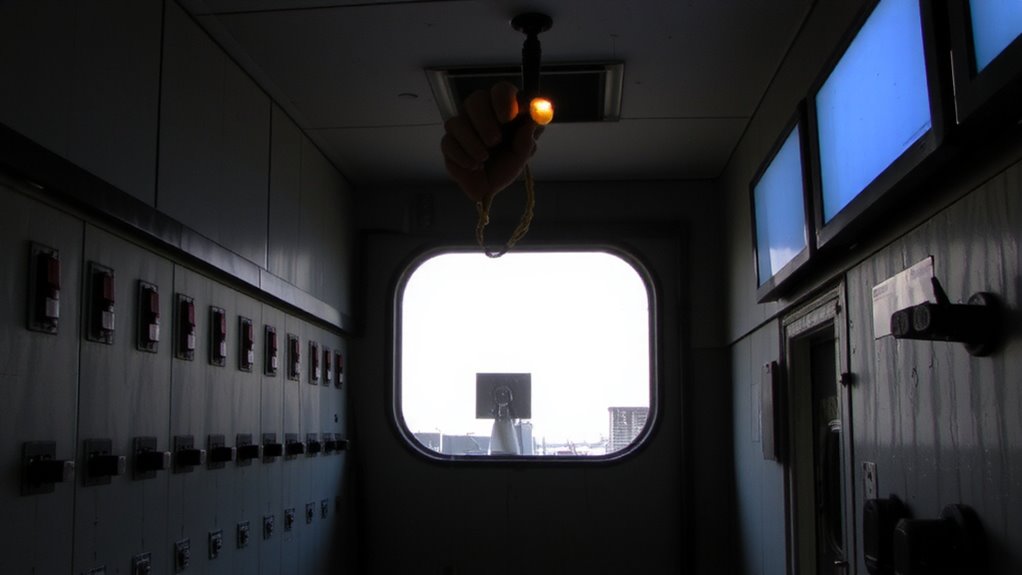
If you activate the siren manually without a confirmed threat, you risk triggering false alarms that can desensitize personnel and delay real responses. False alarms, often caused by user error, erode trust in alarm systems and reduce overall alert effectiveness. When warnings sound without justification, staff may hesitate or ignore future alerts, compromising safety. Repeated disruptions also lead to complacency, increasing response times during actual emergencies. User error-like misjudging a situation or misunderstanding protocols-accounts for most unplanned activations. These mistakes aren’t just inconvenient; they carry operational consequences. Equipment may wear faster from unnecessary use, and emergency drills lose credibility. Training and clear guidelines reduce the likelihood of accidental activation, but adherence is critical. Each false alarm weakens the system’s reliability. You can’t afford to treat siren use casually. Every manual activation must follow verified procedures to maintain both safety integrity and personnel readiness. System trust depends on disciplined use.
Who Should Handle Manual Siren Activation?

You’re responsible for knowing who can activate the siren because not everyone on site has the authority or training to make that call. Authorization protocols guarantee only qualified personnel act, reducing risk and confusion. Follow the chain of command to confirm responsibility. Below is who should handle activation:
| Role | Authorized? |
|---|---|
| Site Manager | Yes |
| Safety Officer | Yes |
| Shift Supervisor | Yes |
| Maintenance Worker | No |
| Visitor | No |
Delegating siren use prevents misuse. Only those with emergency response duties are cleared-others lack the context or training. You’ll rely on established roles during crises, so clarity matters. Bypassing the chain of command delays response or causes errors. Stick to approved personnel to meet protocol and maintain control. Authorization isn’t about trust-it’s about precision and safety under pressure.
How to Activate the Manual Siren Safely
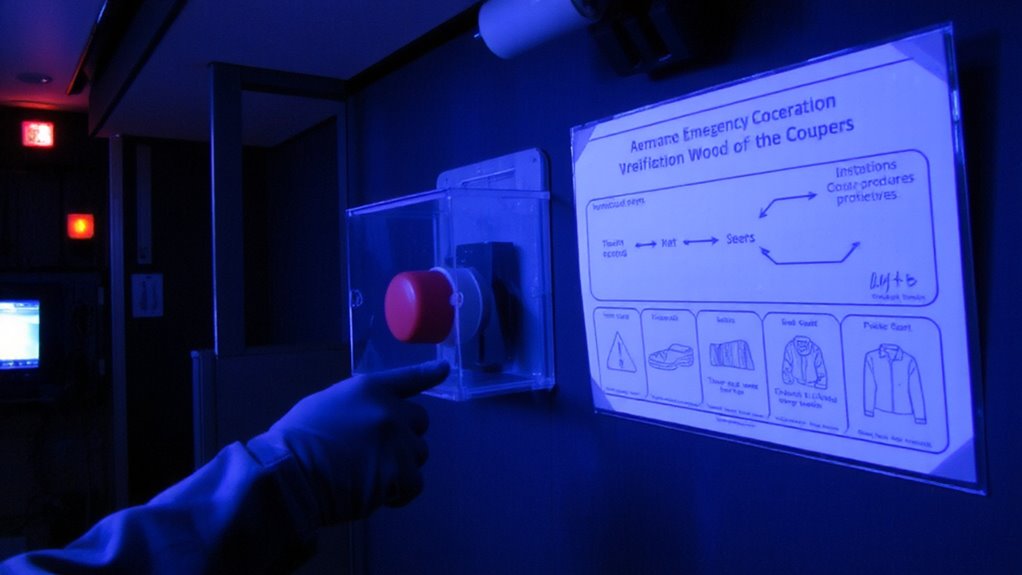
When you need to sound the alarm, getting to the manual siren control box quickly is critical. Approach the unit calmly and verify the device placement guarantees clear access-no obstructions, proper signage, and within reach of authorized personnel only. Before activating, confirm signal integrity by checking for indicator lights or system feedback showing normal operation. A failed signal could delay warnings. Use the designated key or access code, if required, and engage the activation lever or button with firm, deliberate action. Hold it for two seconds to guarantee the signal transmits fully. Avoid hesitation or partial activation, which can disrupt the output. The design is simple, but only works if used correctly. Test the system weekly to verify response time and alert clarity. Proper device placement and consistent signal integrity reduce failure risk during real emergencies. You’re not just sounding a siren-you’re triggering a response chain. Make it count.
What to Do After Activating the Siren
Once the siren’s sound is confirmed, your next actions determine whether the alert leads to an effective response or wasted time. Immediately initiate emergency response protocols by contacting dispatch or command. Confirm the public notification was heard in surrounding zones-use field reports or monitoring stations. Stay at the control point until relieved; do not assume someone else is handling follow-up.
| Action | Purpose | Outcome |
|---|---|---|
| Notify command | Guarantees coordinated response | Faster deployment |
| Verify siren coverage | Confirms public notification | Reliable alert reach |
| Log activation details | Supports review and accountability | Clear incident record |
Remain alert for system feedback or override signals. Your role doesn’t end at activation-accurate, timely follow-up guarantees the system works as designed. Overlooking post-activation steps risks delayed emergency response, even if the siren functions correctly.
How to Train Teams on Manual Siren Activation
How do teams stay ready when automated systems fail? You train regularly and keep skills sharp. Conduct emergency drills at least quarterly to guarantee everyone knows the manual siren activation steps. These drills test individual actions and team timing under pressure. Use realistic scenarios-power outages, communication delays, equipment faults-to expose weaknesses before real emergencies. Assign clear roles so response coordination stays smooth and confusion doesn’t slow you down. Rotate team members through different positions so no single person becomes a bottleneck. Debrief after each drill: note response times, communication gaps, and procedural errors. Fix issues immediately. Document performance metrics to track improvement over time. Training isn’t check-the-box compliance. It’s practical readiness. Your team’s speed and accuracy depend on repetition, feedback, and clear procedures. When systems fail, muscle memory and coordination take over-make sure they’re reliable.
Updating Your Manual Siren Activation Plan
Why wait for a system failure to find gaps in your manual siren activation plan? You need to review and update it regularly to guarantee reliability. Schedule updates at least twice a year, aligning them with siren maintenance cycles. Check all contact lists, access codes, and activation protocols-they change, and outdated info delays response. Include recent signal testing results to verify range and clarity under real conditions. If testing shows weak coverage in certain areas, adjust siren placement or add backup units. Assign someone to document changes and confirm team awareness. You’re not just updating a document-you’re confirming every part still works when lives depend on it. Don’t assume last year’s plan fits this year’s risks. Adapt for weather damage, equipment wear, or shifts in population. A current plan means fewer surprises, faster response, and better outcomes.
On a final note
You need clear SOPs for manual siren activation to prevent misuse and guarantee fast, safe responses. Assign trained personnel only, use verified activation steps, and confirm communication post-trigger. Regular drills improve performance. Update procedures annually or after incidents. This approach reduces errors, saves time, and maintains system reliability when every second counts. Cut ambiguity-stick to facts, training, and checks.