Understanding the Risk of Structural Fire From Dryer Lint
You’re at risk of a structural fire if you ignore lint buildup in your dryer vent-just a small amount ignites fast, like paper, when combined with heat and static. Lint traps heat, restricts airflow, and ignites quickly, especially with chemical residue from dryer sheets. Signs like longer drying times, hot exteriors, or musty smells mean danger’s already building. Cleaning the vent removes the fuel. Skipping maintenance raises fire odds fast-knowing what to do next could stop a disaster before it starts.
Notable Insights
- Dryer lint is highly flammable and can ignite rapidly when exposed to heat and static electricity.
- Lint buildup restricts airflow, causing dryers to overheat and increasing fire risk significantly.
- Chemical residues from fabric softeners lower lint’s ignition temperature, making fires more likely.
- Warning signs like long drying times and hot exteriors indicate dangerous lint accumulation.
- Regular cleaning of the lint trap, duct, and vent removes combustible material and prevents structural fires.
Why Dryer Lint Is a Fire Hazard
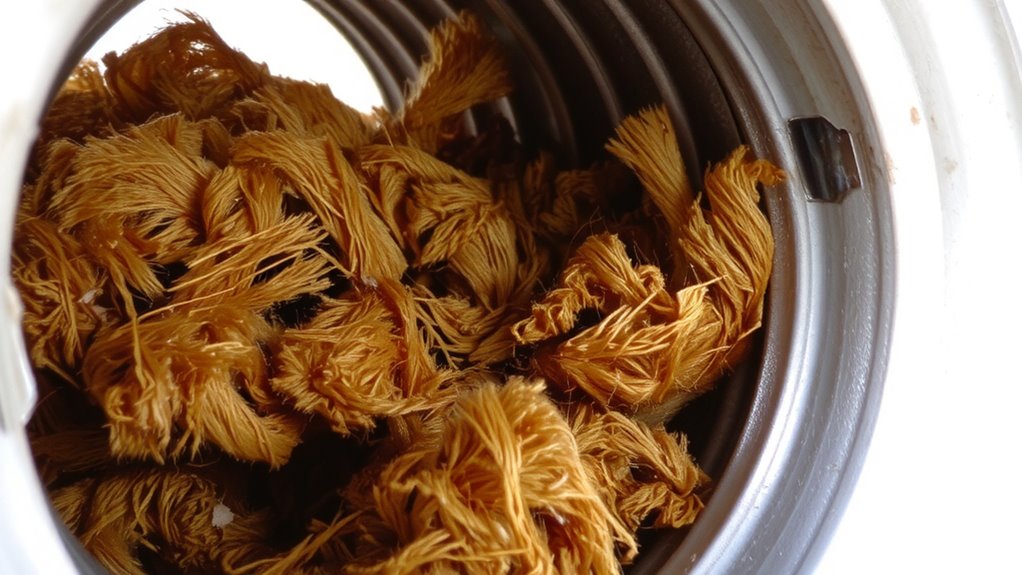
Fire starts where you least expect it, and lint is one of those quiet culprits. You ignore it, but that soft, fuzzy buildup in your dryer hose and vent housing is packed with flammable particles. When hot air flows through a clogged duct, those particles heat up fast, especially when combined with static electricity from tumbling clothes. That spark, small as it seems, can ignite the lint in seconds. Lint isn’t just debris-it’s fuel, light and dry, catching fire easier than paper. It accumulates quickly, often unseen, turning your dryer into a ticking risk. You don’t need faulty wiring or a broken machine for disaster-just heat, lint, and a spark. Regular cleaning cuts that risk. You can’t eliminate static electricity entirely, but removing lint removes the fuel. That’s the practical fix. No gadget beats a clean vent.
How Lint Causes Dryer Fires
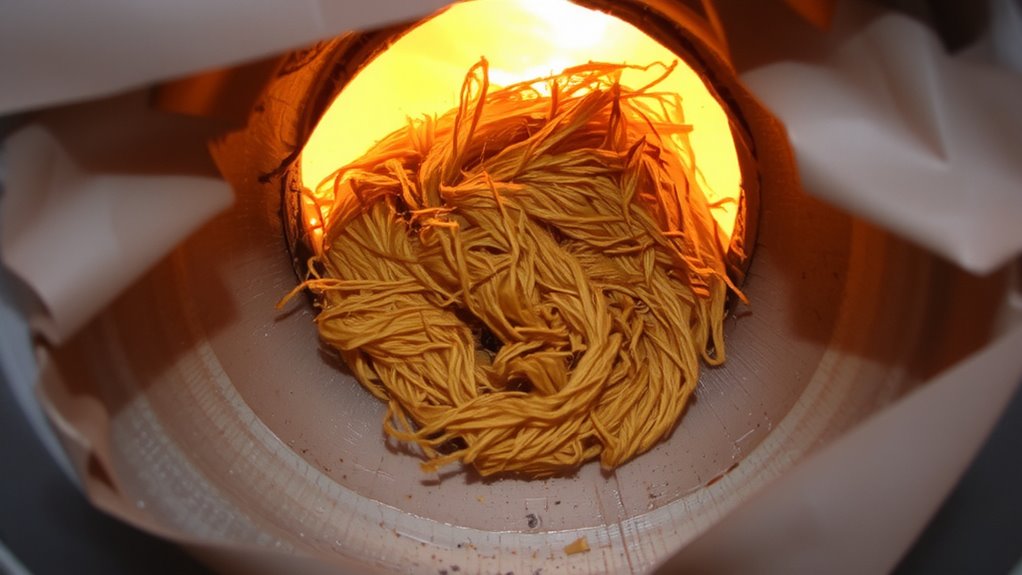
You might think your dryer’s working fine, but that lint buildup you’re ignoring is already setting the stage for a fire. Lint traps heat and restricts airflow, creating an airflow obstruction that forces the dryer to overheat. When hot air can’t escape, temperatures rise inside the drum and exhaust duct. That excess heat ignites the lint, which is highly flammable. Over time, chemical buildup from fabric softeners and detergents coats the lint and vent walls, reducing airflow further and lowering the material’s ignition point. This combination of restricted ventilation and combustible residue makes the system unstable. Even a small spark from the heating element can trigger flames. The fire spreads quickly through the duct into walls. Regular cleaning removes both lint and chemical buildup, restoring proper airflow and reducing risk. Ignoring it turns a routine chore into a serious hazard.
Signs Your Dryer Vent Needs Cleaning
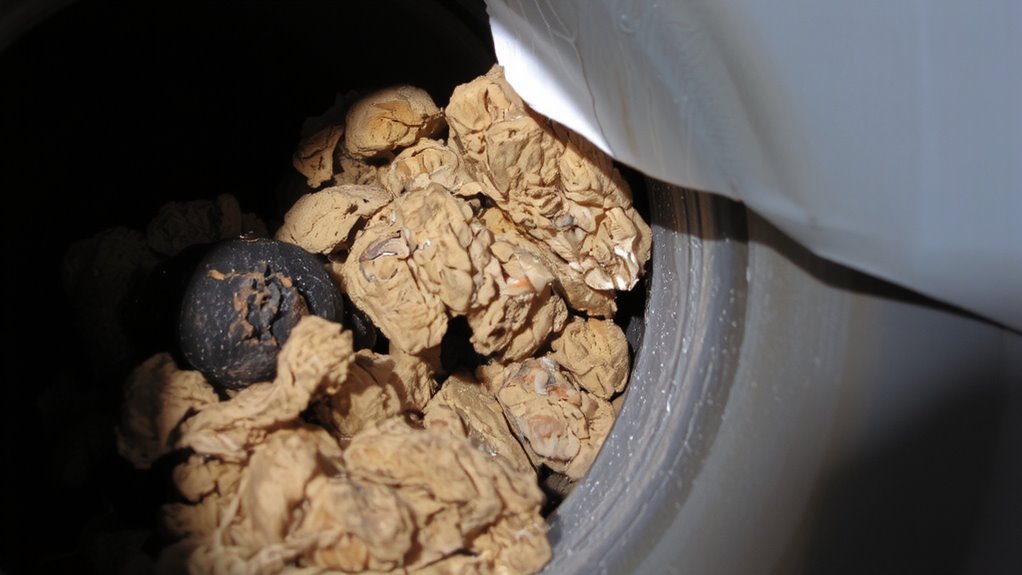
If you’ve noticed your dryer taking more than 45 minutes to finish a load, it’s likely struggling with restricted airflow due to lint buildup. That delay is a clear sign of airflow obstruction, forcing the dryer to work harder and overheat. You might also feel excess heat at the dryer or vent outlet-another indicator of trapped air and lint buildup. Reduced drying efficiency, like damp clothes after a full cycle, points to poor airflow. A musty odor or visible lint around the vent exterior confirms the need for cleaning. These issues aren’t just inconvenient; they increase fire risk. Airflow obstruction reduces performance and raises operating temperatures, stressing components. Ignoring these signs compromises safety and efficiency. Regular inspection helps catch problems early. You don’t need expert tools to spot them-just observation and attention to performance changes. Address lint buildup before it escalates.
How to Clean Your Dryer Vent in 6 Steps
While it’s easy to overlook, cleaning your dryer vent every 6 to 12 months cuts fire risk and keeps airflow efficient, especially if you run medium to large loads weekly. First, unplug the dryer and move it away from the wall. Disconnect the vent hose and remove visible lint. Use a nylon brush to scrub the inside of the duct, working from both ends. Vacuum out debris with a hose attachment. Inspect the exterior vent flap for blockages and clean as needed. Reconnect everything securely. This routine boosts dryer efficiency by reducing drying time and energy use. Though lint recycling isn’t common, repurposing collected lint for compost or fire starters is possible. You won’t extend the appliance’s life markedly, but you will maintain consistent performance and lower fire hazards. Skip this task, and efficiency drops within months.
Dryer Vent Mistakes That Cause Fires
A clogged or improperly installed dryer vent isn’t just inefficient-it’s a leading cause of household fires. Poor installation often leads to restricted airflow, while improper materials like plastic or foil tape degrade over time, increasing fire risk. You might not notice it, but small errors add up.
| Mistake | Risk |
|---|---|
| Using plastic vents | Melts under heat, blocks airflow |
| Poor installation | Allows lint buildup in hidden sections |
| Long, curved ducts | Reduce airflow, trap lint |
| Improper materials | Increase static, ignite easily |
| No regular cleaning | Builds up combustible lint |
You need rigid or flexible metal ducts, minimal bends, and secure, sealed joints. These choices reduce resistance and lower fire hazards. Fixing these issues doesn’t take long-but skipping them could cost you everything.
When to Call a Dryer Vent Pro
You’ve checked your vent setup and avoided the common installation errors, but some issues go beyond what a homeowner can handle alone. If your dryer isn’t heating properly or cycle times are increasing, a blockage or sag in the duct could be the cause. Poor vent insulation leads to condensation and lint buildup, raising fire risks. Call a professional if you suspect hidden kinks, collapsed sections, or improper routing through walls. A pro can verify correct materials and clearances, guaranteeing your system meets code. Some repairs might affect your dryer warranty, so technician documentation protects your coverage. They’ll also inspect exterior termination for proper airflow and pest guards. DIY fixes may seem sufficient, but certified technicians use cameras and airflow tests to confirm performance. For long or complex runs, expert installation guarantees efficiency. Don’t wait until efficiency drops or smoke appears-timely service prevents hazards.
Prevent Dryer Fires With This Maintenance Plan
One in five home clothes dryer fires is caused by failure to clean the system, according to the U.S. Fire Administration. You can cut this risk with a simple maintenance plan. Clean the lint trap after every load-it’s fast and stops buildup. Check the vent hose monthly for kinks or blockages. Every six months, disconnect the dryer and vacuum the duct and exhaust outlet. Once a year, inspect the whole vent system from the dryer to the exterior cap. Use a rigid or semi-rigid metal duct instead of plastic or foil-better airflow, fewer bends. A clear vent improves dryer efficiency and cuts drying time. That means real energy savings over months. Poor airflow forces the dryer to work harder, raising utility bills and fire risk. Maintenance takes under an hour yearly and pays off in safety, performance, and lower costs. Skip it, and you risk more than inefficiency.
On a final note
You reduce fire risk by cleaning the lint filter after every load and inspecting the vent yearly. A clogged vent restricts airflow, overheats the dryer, and ignites lint. Metal ducts perform better than plastic; short, straight runs improve efficiency. DIY cleaning works for simple setups, but pros handle long or complex vents. No product replaces routine maintenance. You need both vigilance and action-skip either, and risk rises. Prevention is measurable, not optional.