Purifying Water With a Gravity-Fed Ceramic Filter System
You pour water into the top chamber and let gravity pull it through a ceramic filter with 0.2–0.5 micron pores, which trap bacteria and protozoa like E. coli and Giardia. The silver-infused ceramic slows microbial growth, and no pumping or power is needed. Flow rates hit 1–2 liters per hour, depending on water clarity. Maintenance is minimal but regular cleaning and eventual replacement-every 6–12 months-are essential. You’ll see how setup and care vary across real-world conditions next.
Notable Insights
- Gravity-fed ceramic filters purify water by using gravity to push it through pores small enough to block bacteria and protozoa.
- Ceramic filters have pore sizes between 0.2 and 0.5 microns, effectively removing pathogens like E. coli and Giardia.
- A silver coating on the ceramic helps prevent bacterial growth on the filter but does not improve filtration performance.
- These systems operate without electricity or pumping, making them ideal for off-grid, camping, or emergency use.
- Regular maintenance includes backflushing and scrubbing the ceramic element, with full replacement every 6–12 months or after 1,000–3,000 liters.
How Gravity-Fed Ceramic Filters Purify Water
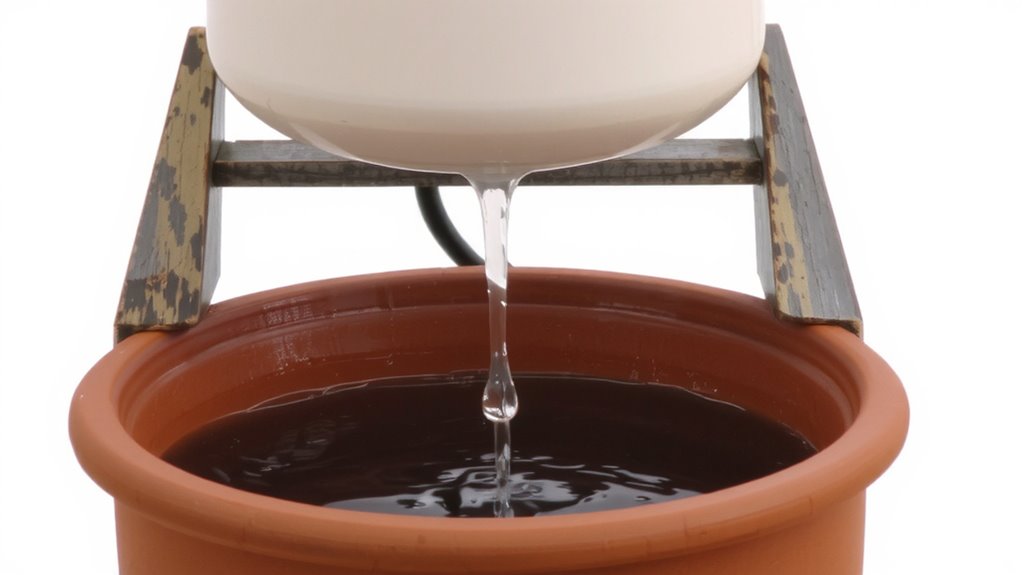
Water purity starts with simple physics and effective design. You rely on gravity to pull water through a ceramic filter, where pore size does the critical work. Most ceramic filters have pores around 0.2 to 0.5 microns, small enough to block bacteria and protozoa. That means pathogens like E. coli and Giardia get trapped, delivering reliable microbial removal. The ceramic surface captures contaminants, while clean water passes into the lower chamber. Some filters include a silver coating to stop bacterial growth on the filter itself, though it doesn’t improve filtration. You’ll need to clean the outer surface regularly to maintain flow rate, especially with turbid water. Performance depends on consistent pore size-any crack or wear reduces effectiveness. There’s no moving parts, so it’s durable, but handle it carefully. With proper maintenance, you get long-term, chemical-free purification suited for remote or emergency use.
Gravity-Fed vs. Pump Filters: Which Is Better?
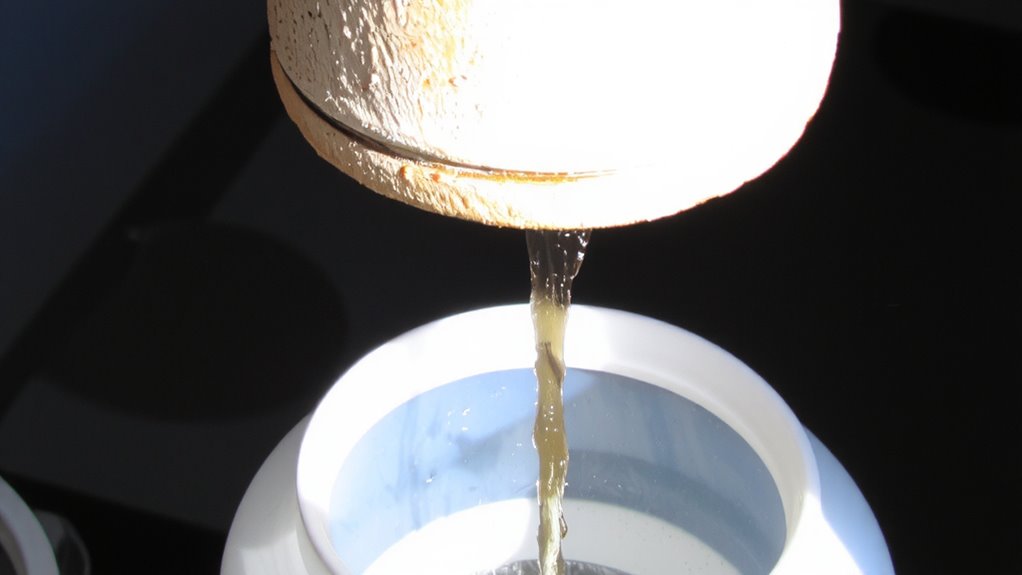
How do gravity-fed and pump filters stack up when you’re counting on clean water in the backcountry? It comes down to effort, speed, and setup. Gravity systems filter large volumes with minimal effort-just fill and hang. Pump filters work faster per liter but demand repeated hand pumping, leading to fatigue on long trips. Here’s a quick portability comparison and maintenance frequency breakdown:
| Feature | Gravity-Fed | Pump Filter |
|---|---|---|
| Portability comparison | Bulkier setup, needs stable hanging point | More compact, easier to pack |
| Maintenance frequency | Lower; fewer moving parts | Higher; seals and pistons wear faster |
Gravity models suit groups or base camps where ease matters. Pumps excel for solo hikers needing quick, on-the-move filtration. Neither is universally better-your trip style decides. Choose based on real needs, not marketing.
What’s Inside a Gravity-Fed Ceramic Filter?
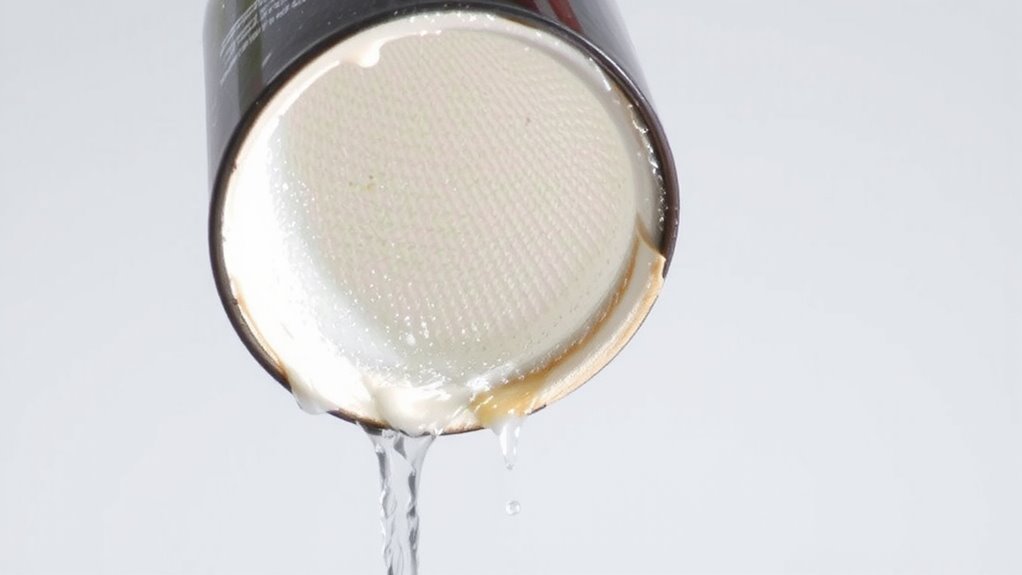
What makes a gravity-fed ceramic filter work so reliably in tough conditions? You’re dealing with a simple yet effective design built around its pore structure. These pores are typically 0.2 to 0.5 microns, small enough to block bacteria and protozoa as water trickles through. The ceramic is often made from diatomaceous earth or clay, formed into a porous shell that’s both durable and efficient. You’ll also find silver infusion baked into the material, which helps prevent microbial growth inside the filter, reducing contamination risk during storage. This combination means fewer clogs and longer service life in the field. While it won’t stop viruses, the pore structure handles most biological threats you’re likely to face. The silver infusion doesn’t purify but supports hygiene by inhibiting mold and bacteria buildup. It’s low-maintenance, doesn’t need power, and performs consistently when other systems fail.
How to Use Your Filter Off-Grid or at Home
Ever wonder how you’d keep water safe without electricity or running water? With a gravity-fed ceramic filter, you can purify water anywhere-just fill the upper chamber from a stream, lake, or stored source. Place the unit on a stable surface, and let gravity do the work as water passes through the ceramic element, removing bacteria and sediment. It handles typical off-grid water collection easily, delivering up to 1 liter per hour depending on flow rate and source clarity. You don’t need tools or power, making it reliable for camping, emergencies, or rural homes. Regular filter maintenance extends lifespan and guarantees consistent performance. Backflush the ceramic element as directed and monitor flow decline as an indicator for cleaning. Flow rate drops when pores clog, so consistent maintenance keeps output steady. The system works equally well at home as a backup or primary filter. No frills, just functional design.
Clean and Care for Your Ceramic Filter
You’ve seen how easy it is to filter water off-grid or at home with a gravity-fed ceramic system, but keeping it working well means paying attention to cleaning and maintenance. Regular cleaning maintains flow rate and guarantees effective filtration. Scrub the ceramic shell gently with a soft brush under clean water when flow slows-this should happen every few weeks depending on water quality.
| Factor | Recommendation |
|---|---|
| Cleaning frequency | Every 2–4 weeks, or when flow decreases |
| Filter replacement | Every 6–12 months, depending on use and water source |
| Drying method | Air-dry fully before storage to prevent mold |
Don’t use soap or chemicals-it can damage the ceramic. Store the filter dry when not in use. Monitoring cleaning frequency helps you judge when filter replacement is due. Performance declines gradually, so stick to the timeline.
Top Uses in Emergencies and Remote Areas
When disaster strikes or you’re far from infrastructure, a gravity-fed ceramic filter delivers reliable access to safe drinking water without power or complex setup. You can use it right in your home during floods, hurricanes, or grid failures-making it essential for emergency preparedness. Each liter filters through tiny pores, removing 99.99% of bacteria and protozoa, though not viruses. In remote survival situations, like backcountry treks or off-grid living, it’s lightweight and durable, needing only gravity and a water source. You’ll get 1–2 liters per hour, depending on sediment levels. Replacement cartridges last 1,000 to 3,000 liters, offering long-term reliability. Unlike chemical treatments, it requires no wait time. It doesn’t remove chemical contaminants, so avoid industrial runoff areas. For practical, consistent purification in austere environments, it’s a measured choice-balancing performance, ease of use, and maintenance in real survival conditions.
On a final note
You get clean water fast with gravity-fed ceramic filters-no pumping needed. They remove 99.99% of bacteria and protozoa, but not viruses, so consider that in high-risk areas. Lightweight and durable, they work off-grid or at home. Flow slows over time, but scrubbing the ceramic element restores it. Unlike pump filters, they’re easier on the hands and last longer with basic care. It’s a reliable, low-maintenance choice for emergencies or remote use.