Assessing Risk of Heatstroke in Poorly Insulated Vehicles
You’re at serious risk of heatstroke in a poorly insulated vehicle. Interior temps can jump 40°F in 30 minutes, even on 70°F days. Sunlight traps heat through the greenhouse effect, and dark surfaces reach over 140°F fast. Cracked windows barely help. Kids, older adults, and those with health issues heat up quicker and can’t escape easily. Early signs like dry skin, confusion, and nausea mean trouble. You’ll want to know which prevention steps actually work.
Notable Insights
- Poorly insulated vehicles heat up rapidly due to the greenhouse effect, increasing heatstroke risk within minutes.
- Interior temperatures can rise 20°F in 10 minutes, making even mild days dangerous for unattended occupants.
- Dark surfaces like dashboards absorb heat quickly, raising cabin temperatures beyond safe levels.
- Cracking windows minimally reduces heat buildup, offering negligible protection against rapid temperature rise.
- Children and older adults are especially vulnerable due to slower thermoregulation in overheating vehicles.
How Fast Does a Car Heat Up in the Sun?
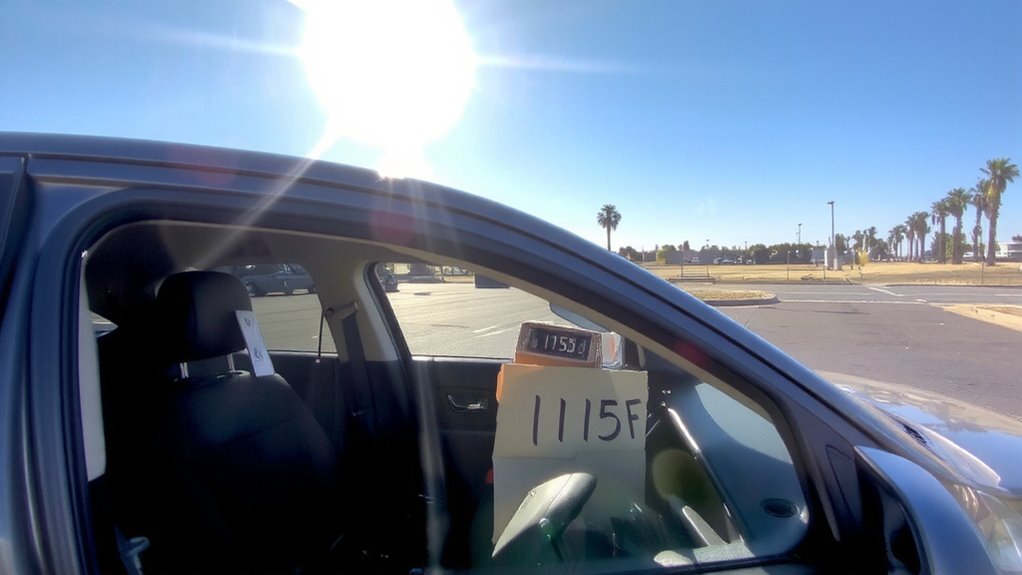
Even a single minute in a parked car on a sunny day can turn dangerous-within 10 minutes, interior temperatures can rise 20°F, and after 30 minutes, that jump often hits 40°F, regardless of whether windows are cracked. Solar radiation penetrates the glass, heating surfaces like dashboards and seats, which then re-radiate warmth, trapping it inside. This causes a rapid temperature spike, even in mild outdoor conditions. A 70°F day can see cabin temps hit 110°F in under 30 minutes. Cracking windows offers negligible relief-studies show it reduces heat buildup by less than 5°F. You can’t rely on shade or short stops to eliminate risk. Dark interiors absorb more solar radiation, accelerating the rise. Real-world tests confirm that within 10 minutes, surface temps exceed 140°F. You need fast, actionable awareness-because the danger starts sooner than you think, and it builds faster than you expect.
Have There Been Fatal Heatstroke Cases in Parked Cars?
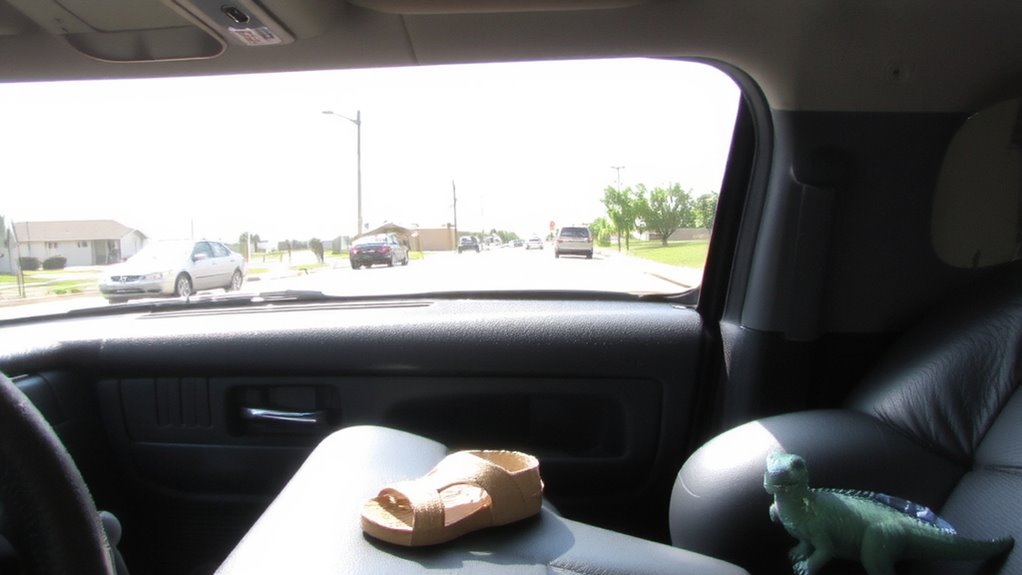
You’ve seen how quickly a car’s interior can become a furnace, and that rapid heat buildup isn’t just uncomfortable-it’s deadly. Yes, there have been fatal heatstroke cases in parked cars, especially involving children and pets left unattended. In many cases, vehicle design flaws-like dark interiors that absorb heat and limited ventilation-accelerate temperature rise, worsening the danger. Even on mild days, internal temps can hit lethal levels in under an hour. Emergency response delays further reduce survival chances; by the time help arrives, organ failure may already have occurred. Data shows over 900 child vehicular heatstroke deaths in the U.S. in the last two decades, with delays in discovery being a consistent factor. These tragedies aren’t isolated-they’re predictable outcomes of physics, design limitations, and human error. Awareness and structural improvements are critical to reducing risk.
Why Do Cars Become So Dangerous in Heat?
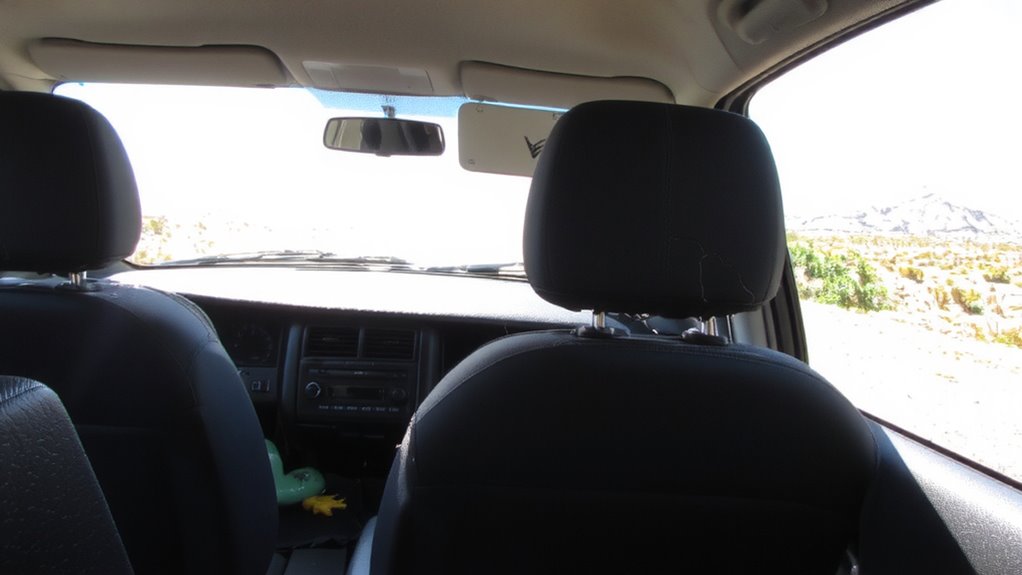
Because sunlight enters through the windows and gets trapped inside, your car acts like a greenhouse, with temperatures rising rapidly once it’s parked in direct sun. Vehicle design limits airflow, while material absorption from seats, dashboards, and carpets increases interior heat. These surfaces absorb solar radiation and re-emit it as thermal energy, raising air temperature well beyond the outside reading.
| Time (min) | Outside Temp (°F) | Inside Temp (°F) |
|---|---|---|
| 10 | 70 | 89 |
| 30 | 70 | 104 |
| 60 | 80 | 113 |
| 60 | 90 | 131 |
You can see how fast heat builds-even on mild days. This isn’t just discomfort; it’s a critical rise driven by design flaws and material absorption. Without ventilation or reflective barriers, your vehicle becomes a dangerous heat trap within minutes.
Who’s Most at Risk of Heatstroke in Hot Cars?
A car’s interior can hit deadly temperatures fast, and certain people face higher risks when trapped inside. You’re at greater risk if you’re among the vulnerable populations, like infants, older adults, or those with chronic medical conditions. Kids’ bodies heat up three to five times faster than yours, making them especially susceptible. If you have heart disease, obesity, or respiratory issues, your body struggles to cool itself, increasing danger. Medications for depression, allergies, or high blood pressure can also impair thermoregulation. Even brief exposure can escalate quickly under hot conditions. Disability or mobility limitations further reduce your ability to escape. These factors don’t just raise risk-they compound it. You can’t rely on open windows or shade to protect vulnerable populations. Immediate action matters. Prevention is your most effective strategy, especially when medical conditions are involved.
What Are the Early Signs of Heatstroke?
How quickly can heatstroke start? Within minutes in a hot car, especially if you’re exposed to high temperatures without airflow. You’ll notice dehydration symptoms early-dry mouth, thirst, and reduced urination-because your body loses fluids faster than it can replace them. Your skin may feel hot and dry to the touch, with little to no sweating despite the heat. As your core temperature climbs, confusion onset is a critical warning sign. You might feel disoriented, struggle to focus, or react slowly. This mental fog isn’t subtle-it impairs judgment when you need it most. Dizziness and nausea often accompany these effects. Ignoring these signals increases risk rapidly. These signs aren’t just discomfort; they indicate your body is failing to cool itself. Recognizing them early gives you a narrow window to act before collapse or loss of consciousness occurs. Response time is critical.
How Can You Prevent Heatstroke in a Hot Car?
What could make the difference between life and death in a hot car? You can prevent heatstroke with simple, actionable steps. Never leave children or pets inside, even briefly-temperatures rise fast. Use vehicle ventilation by cracking windows slightly if safe, but don’t rely on it alone. Park in shade when possible and use reflective sunshields. Tinted windows reduce heat buildup but won’t eliminate risk. Check your car’s interior temp with a reliable thermometer. Practice emergency preparedness: keep a phone, first-aid kit, and water inside. Teach kids that cars aren’t play areas. Set phone reminders to check the back seat. These habits take seconds but greatly reduce risk. Prevention isn’t about gadgets-it’s about routine. Consistent actions, not tools, save lives in extreme heat.
On a final note
You can’t rely on shade or cracked windows to keep a car safe in the sun-interior temps can hit 115°F in under an hour, even on mild days. Children and pets are especially vulnerable. A non-reflective dashboard raises the temperature 20–30°F faster than one with a sunshade. Simple tools like a digital thermometer and a sunshade help, but never leave at-risk individuals unattended. Prevention is the only effective measure.