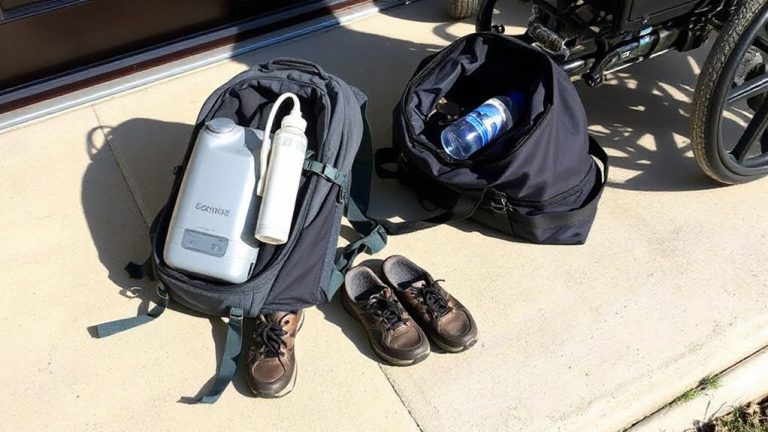
Identifying Warning Signs of Fabric Degradation in Stored Emergency Packs
Your emergency pack’s fabric can lose up to 40% of its tear strength over time, even if it looks fine. Watch for fading, stiffness, or small holes-especially at seams. Musty smells mean mold, which weakens fibers. UV exposure and heat degrade synthetics like nylon, often without visible signs. Poor storage increases humidity damage, reducing performance. A brittle or porous feel means it’s no longer reliable under stress. Check all layers annually in bright light. What you overlook now could fail when it matters most.
Notable Insights
- Fading, stiffness, or tiny tears in fabric signal early degradation and warrant immediate inspection.
- Musty odors indicate mold growth, which compromises fiber strength even if not visibly apparent.
- Check for fuzzy spots or discoloration, as these are visible signs of mold damage in stored gear.
- Inspect seams and folds for moth holes, especially in natural fibers like cotton or wool.
- Perform annual tactile and visual checks under bright light to detect thinning or brittle areas.
How Fabric Breakdown Compromises Emergency Safety
If you’re relying on aging fabric in emergency gear, you’re gambling with safety-because once fibers degrade, they lose tensile strength and can fail under stress. You might not see it, but chemical exposure from environmental pollutants or stored supplies gradually weakens molecular bonds in fibers. This breakdown increases fabric porosity, letting moisture and contaminants pass through more easily, which further accelerates deterioration. Elevated porosity also reduces the material’s ability to resist tears and punctures when you need it most. In real-world tests, degraded fabrics show up to 40% lower tear resistance compared to new equivalents. Even minor stress during deployment-like a quick tug or sudden load-can cause catastrophic failure. You can’t afford that when survival hinges on reliability. Regular inspection for discoloration, stiffness, or brittleness helps catch issues early. But if your gear’s been exposed to chemicals or long-term storage without evaluation, assume some level of compromise-and act accordingly.
Is Your Gear at Risk From Heat and Humidity?
Heat and humidity are silent killers of fabric performance, often accelerating degradation even when gear looks intact. You’re risking reliability if your emergency pack is stored in a damp basement or hot attic. High moisture promotes mold growth, which eats away at fibers and weakens structural integrity over time. Even after drying, affected fabrics retain less strength and may fail under stress. Heat also triggers chemical off gassing from synthetic materials, breaking down polymers and reducing durability. This process isn’t always visible, but it compromises elasticity and tear resistance. Nylon and polyester may feel fine, yet lab tests show up to 30% strength loss after prolonged heat exposure. To preserve performance, store gear in a cool, dry place with low humidity-ideally below 60%. Avoid sealed plastic bins that trap moisture. Ventilation matters just as much as temperature control when prolonging fabric life.
Watch for These Warning Signs in Emergency Fabric
Fabric failure often starts small-fading, stiffness, or tiny tears-and catches you off guard when you need reliability most. You might overlook moth infestation until you spot clusters of small holes, especially in natural fibers like wool or cotton. Moths target stored fabric, weakening structural integrity over time. Check seams and folds where pests hide. Chemical stains are another red flag; they may not look severe but can degrade fibers at a molecular level, leading to brittle areas that split under stress. Avoid using treated cloths near emergency gear-residues transfer easily. Both issues compromise durability without obvious early signs. Inspect your packs annually under bright light and run your fingers over surfaces to detect thinning or weak zones. Immediate replacement isn’t always needed, but monitor progression. Real-world use demands dependable materials-don’t ignore what a close look reveals.
That Musty Smell? It Could Mean Your Gear Is Failing
That musty smell isn’t just unpleasant-it’s a warning. When you detect that stale, earthy odor in your emergency pack, it likely signals mold growth. Damp storage conditions or humidity trapped in sealed bags create perfect environments for mold to thrive. Early odor detection can help catch the problem before fabrics weaken. Mold doesn’t just stain-it breaks down fibers, reducing tensile strength and compromising seams. If your shelter, blanket, or clothing carries this smell, inspect it closely. Look for fuzzy spots, discoloration, or texture changes. Even if the fabric seems intact now, spores may have compromised structural integrity. Washing won’t always eliminate lingering mold or restore performance. Once mold growth is confirmed, consider the gear at risk. Replacing affected items is often safer than relying on weakened materials during an emergency. Prevention-using moisture absorbers and ventilated storage-pays off.
UV Exposure: Why Sunlight Weakens Emergency Fabrics
While sunlight might seem harmless, it’s a silent killer of emergency fabrics over time. You’re probably not thinking about UV exposure when you store your pack near a window or leave it in a sunlit garage, but those rays add up. Fading colors are one of the first visible signs-what was once bright orange or bold red gradually turns dull and pale. That’s not just cosmetic; it signals deeper damage. UV radiation breaks down the molecular structure of synthetic fibers, leading to fiber erosion. Threads thin, seams weaken, and tensile strength drops without obvious warning. Even fabrics treated for UV resistance degrade eventually if constantly exposed. You won’t always see the damage, but it’s there. Over months or years, the fabric loses reliability. If your gear spends time in direct sunlight, assume deterioration has started. Rotate storage locations, use opaque covers, and inspect regularly-because weakened fabric fails when you need it most.
Is Your Gear Too Stiff to Use? Test for Brittle Fabric
A stiff, crackly feel when you unfold your emergency gear usually means the fabric’s lost its flexibility. Fabric stiffness is a red flag-it often signals aging or chemical breakdown, especially in nylon and polyester exposed to moisture or heat over time. To check, perform a brittleness test: gently bend a small section between your fingers. If it resists, makes cracking sounds, or shows white stress marks, it’s likely too brittle for use. Functional fabric should flex quietly and return slightly to shape. Stiff gear may tear under stress or fail when needed most. Don’t rely on appearance alone-texture reveals more. This test takes seconds but can prevent field failures. If your gear doesn’t pass the brittleness test, replacement is the safest choice. Fabric stiffness isn’t just inconvenient-it’s a durability risk that compromises reliability when tested.
Best Ways to Store Emergency Gear and Prevent Damage
You caught stiffness early with the brittleness test, so now protect your gear before problems start. Store your emergency packs in a cool, dry place with consistent temperatures-fluctuations speed up fabric breakdown. Use sealed plastic bins instead of cardboard; they resist moisture and prevent moth damage better. Avoid vacuum-sealing natural fibers long-term-they can weaken from compression. Instead, loosely roll or fold items to reduce stress points. Poor ventilation promotes mold and musty odors, especially in basements or attics, so choose a storage area with airflow. Include silica gel packs to control humidity, replacing them quarterly. Check nylon and cotton twice a year for thinning or brittleness. Keep gear away from concrete walls to reduce damp exposure. Rotate contents every six months to confirm integrity. Proper storage extends usable life by years-don’t assume “set and forget” works. Prevention beats replacement when seconds count.
On a final note
You can’t afford to overlook brittle seams or mildew stains-these flaws mean your gear may fail when needed most. Fabric weakens with UV exposure, moisture, and temperature swings, reducing tensile strength by up to 50% over time. Check packs yearly. Store them in cool, dry, dark spaces. Rotate every five years. Real-world testing shows even durable materials degrade if ignored. Inspect, store properly, and replace when signs appear. Your safety depends on it.