Why Carbohydrate Cycling Can Improve Endurance in Survival Hiking
You boost endurance on survival hikes by syncing carb intake with effort. High-carb days fuel intense mileage with full glycogen stores, while low-carb days improve fat burning when food’s scarce. This switch sharpens metabolic flexibility, so you sustain energy without constant carbs. You avoid crashes and preserve supplies. Time carbs around exertion for best results. Mistakes like under-eating on hard days hurt performance. Get the balance right, and you’ll see how smart fueling extends stamina long-term.
Notable Insights
- Alternating high- and low-carb days optimizes glycogen storage for energy-intensive hiking periods.
- High-carb days before long hikes maximize muscle glycogen, delaying fatigue and boosting stamina.
- Low-carb days enhance fat-burning efficiency, conserving limited food supplies during rest periods.
- Improved metabolic flexibility allows quick fuel switching, maintaining energy on variable terrain.
- Proper carb timing supports faster recovery, reducing muscle breakdown and replenishing energy stores.
What Is Carb Cycling and How Does It Work?
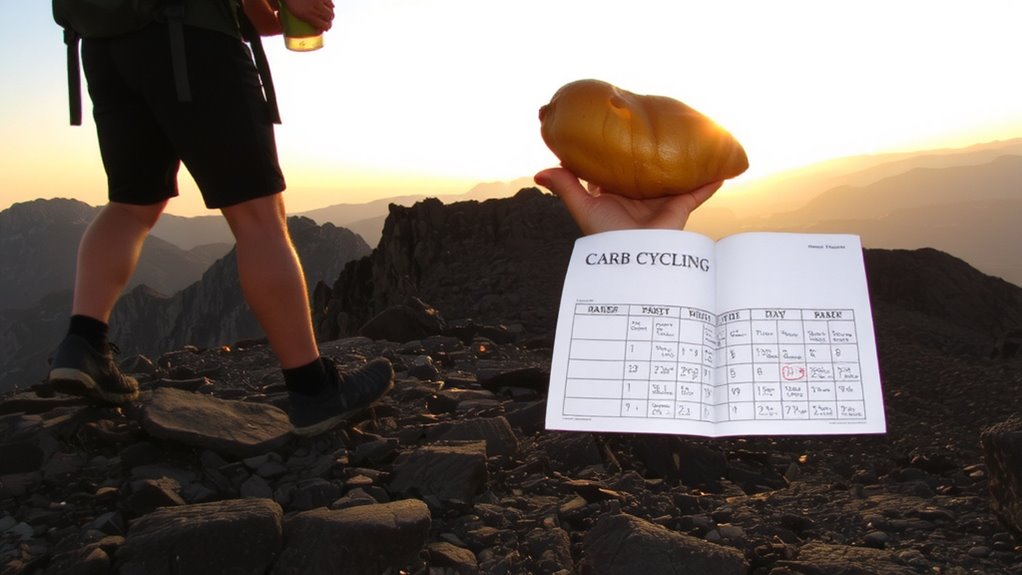
Why might your energy levels crash halfway through a long hike? Your body likely burned through its stored glycogen, the primary fuel for sustained activity. Carb cycling helps prevent this by rotating high-carb and low-carb days to improve glycogen storage and insulin sensitivity. On high-carb days, you replenish muscle glycogen, boosting energy reserves. On low-carb days, your body adapts to burn fat more efficiently. This balance enhances metabolic flexibility without over-relying on constant carb intake. Improved insulin sensitivity means your cells use glucose more effectively, reducing energy spikes and crashes. For survival hiking, this strategy supports steady stamina and delays fatigue. It’s not about eliminating carbs-it’s using them strategically. Testing shows hikers on carb cycling maintain performance longer than those on steady diets. The trade-off? Planning meals takes effort. But the payoff-reliable energy in demanding conditions-is measurable and practical.
Why Carb Cycling Builds Endurance for Survival Hikes
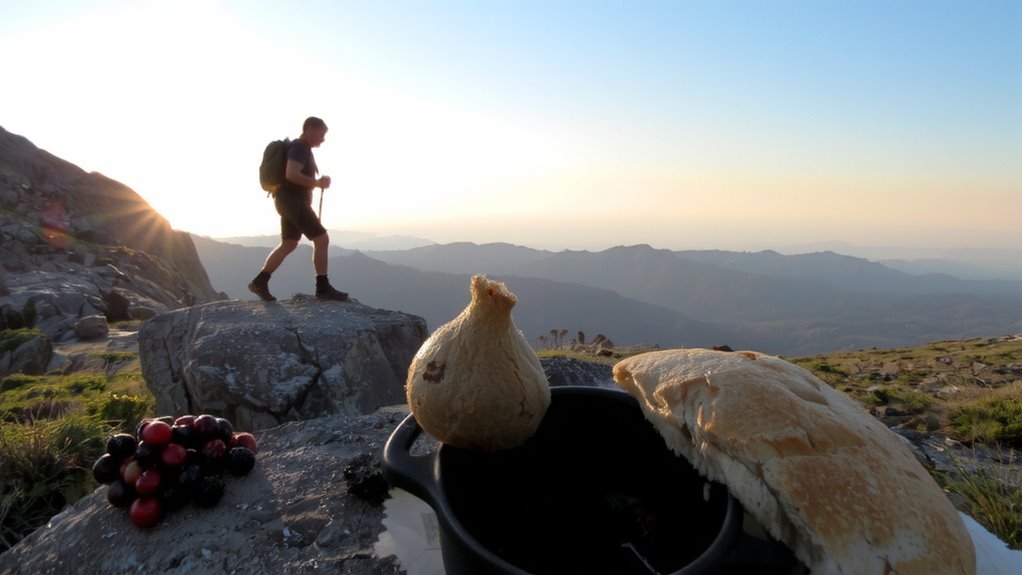
When you’re covering long distances with a heavy pack, your body needs sustained energy without the crash, and carb cycling helps by aligning your fuel intake with demand. By timing higher carb intake to match intense activity days, you maximize muscle glycogen storage when it’s most needed. On lighter activity days, reduced carbs train your body to rely on fat, improving aerobic energy efficiency over time. This balance supports steady stamina without over-reliance on constant carb intake.
| Day Type | Carb Intake | Purpose |
|---|---|---|
| High exertion | High | Refill muscle glycogen storage |
| Moderate exertion | Moderate | Maintain energy flow |
| Rest/light | Low | Boost aerobic energy efficiency |
How Carb Cycling Enhances Metabolic Flexibility

Your body adapts to shifting fuel demands by toggling between carbs and fats, and carb cycling sharpens this ability by design. By alternating carb intake, you train your metabolism to switch efficiently, improving metabolic flexibility. On low-carb days, you promote fat adaptation, allowing your body to burn fat for fuel during prolonged, moderate efforts typical in survival hiking. High-carb days restore glycogen and boost insulin sensitivity, helping your muscles absorb glucose faster when energy demands spike. This balance prevents energy crashes and sustains performance. Improved insulin sensitivity means less fat storage and more efficient energy use. Fat adaptation reduces reliance on constant carb intake, vital when food access is limited. Together, these effects support endurance without requiring high-calorie loads. Carb cycling doesn’t eliminate fatigue, but it optimizes fuel use under variable conditions, making your energy supply more reliable across long, unpredictable hikes where consistency matters most.
When to Eat More Carbs for Peak Hiking Performance?
How do you time your carb intake to match the demands of a grueling hike? Nutrition timing matters-carbs consumed before and during long hikes boost energy availability when you need it most. Eating more carbs the night before and in the morning primes glycogen stores. During multi-day treks, high-carb meals on heavy mileage days sustain output without unnecessary weight.
| Day Type | Carb Intake | Purpose |
|---|---|---|
| Long hike | High | Maximize energy availability |
| Short hike | Moderate | Maintain baseline levels |
| Rest day | Low | Promote metabolic recovery |
| Next big day | High | Replenish and prepare |
You don’t need special products-oats, rice, and dried fruit work. The key is aligning carb intake with effort. High-carb days support performance, not daily habit. Misaligning intake reduces effectiveness and adds pack weight.
How Low-Carb Days Help During Food Shortages
Low-carb days aren’t just for recovery-they’re a survival strategy when food supplies run tight. You preserve limited glycogen by relying more on fat for energy, which supports energy conservation when meals are scarce. After a few days, your body shifts into fat adaptation, meaning it efficiently burns stored fat and dietary fats for fuel. This metabolic flexibility lets you maintain steady energy without frequent carb intake. On low-carb days, you reduce reliance on high-glycemic foods, extending your food stores. You’ll notice fewer energy crashes and less hunger, helping you stay focused during long stretches without resupply. While performance in high-intensity bursts may drop slightly, endurance output remains stable. Fat adaptation doesn’t require special gear or supplements-it just needs consistent fueling choices. In survival hiking, that kind of efficiency isn’t luxury; it’s necessity.
How to Do Carb Cycling on the Trail
While sticking to a routine might seem tough when you’re moving through changing terrain, planning your carb intake ahead of time keeps your energy steady and your pack light. On high-carb days, aim for 3–4 grams of carbs per pound of body weight, spreading intake across meals to support sustained output. Use meal timing to align carb-heavy meals with high-activity periods-like breakfast before a long ascent or post-hike dinner for recovery. On low-carb days, rely on fats and protein, keeping carb portions under 50 grams total. Practice portion control to avoid overpacking; dehydrated sweet potatoes or oats weigh less than fresh fruit and deliver more calories per ounce. Pre-portion meals into daily bags so you don’t overshoot intake. Carb cycling works on the trail only if you maintain strict meal timing and portion control-otherwise, energy dips become unavoidable. Test your system on shorter hikes first.
Common Carb Cycling Mistakes in Survival Hiking
More than a few hikers undermine their carb cycling by miscalculating daily needs, leading to energy crashes just when endurance matters most. You might eat too few carbs on high-effort days, depleting glycogen stores and forcing early fatigue. On rest days, you may not reduce intake enough, slowing adaptation. Many also ignore timing-skipping carbs post-exertion delays recovery. A common oversight is neglecting electrolyte balance during shifts in carb intake. Lower insulin levels on low-carb days increase sodium excretion, raising the risk of electrolyte imbalance. You might mistakenly drink excessive water without adjusting electrolytes, increasing overhydration risks. Symptoms like cramping, confusion, or nausea aren’t just fatigue-they can signal hyponatremia. Weigh your sweat losses and use salted foods or electrolyte mixes accordingly. Track performance, mood, and recovery to fine-tune intake. Carb cycling works only when aligned with real exertion, hydration, and mineral balance-no shortcuts.
On a final note
You save energy and maintain stamina when you carb cycle on survival hikes. High-carb days fuel long pushes; low-carb days train your body to burn fat, critical when food’s scarce. It’s not about more energy-it’s about smarter energy use. You stay alert, delay fatigue, and adapt faster. Done right, carb cycling improves endurance without extra weight. Get the timing wrong, though, and performance drops. Plan intake around effort to stay effective.