Flash Flood Escape Route Planning: High Ground, GPS, 72-Hr Bag
See dark clouds or rising water with debris? You’ve got minutes, not hours. Move fast-aim for high ground at least 15 feet up, preferably bedrock or grassy banks, not loose soil. Avoid roads; 12 inches of water can float a car. Use a walking stick to test footing and clear a path through mud or hidden gaps. Grab your emergency bag-72-hour kit, GPS, whistle-and stick to mapped escape routes. Every second counts when the gulch fills. You’ll discover better ways to survive what comes next.
Notable Insights
- Immediately identify high ground at least 15 feet above flood level and confirm it’s stable, like bedrock or thick grassy banks.
- Use a walking stick to test for hidden gaps or unstable terrain when moving through flooded or debris-filled areas.
- Avoid dry gulches, low roads, and narrow passages that can become dangerous water channels within minutes.
- Carry a GPS device and two pre-mapped escape routes to increase navigation accuracy and response efficiency.
- Prepare an emergency bag with essentials to sustain 72 hours, including water, food, first-aid, and signaling tools.
Recognize Flash Flood Warning Signs Early
While you’re out in the backcountry or near a dry riverbed, keep an eye on the sky and listen for sudden changes in water flow, because flash floods can develop in minutes. Dark clouds rolling in mean rain is likely upstream, even if it’s not raining where you are. That’s when rising water becomes a threat-often fast and deceptive. You won’t always hear it coming, but you can see the shift: water levels rise quickly, carrying debris and gaining speed. Don’t wait. Move to higher ground immediately. Flash floods kill because people underestimate how little time they have. A dry gulch can become a roaring channel in under 10 minutes. Staying put is not an option. Your best tool is awareness: sight, sound, and situation. No gear compensates for delayed action. See dark clouds? Act. See rising water? Move. Your reaction time determines survival.
Look Around: What’s in Your Way?
What’s blocking your path when seconds count? Debris blocking your route is common in flash floods-downed branches, abandoned vehicles, or loose construction materials shift rapidly with rising water. You can’t afford to guess. Visibility reduced by churning mud, rain, or darkness makes spotting obstacles harder. Scan quickly but thoroughly. A sturdy walking stick helps probe ahead, revealing hidden gaps or unstable ground. Avoid narrow passages where debris piles up. If you can’t see the terrain, assume it’s compromised. Move deliberately, not quickly. Footing slips on wet rocks or slick mud. Test each step. Lightweight, grippy shoes improve traction but won’t help if you’re charging forward blind. Debris and poor visibility increase fall risk. Assess obstacles in real time. Adjust your line of travel. Clear paths aren’t always obvious. Stop, look, then move.
Get to High Ground Fast
You’ve scanned for debris and tested each step, but that won’t keep you safe if the water keeps rising. Flash floods gain speed fast, and your window for escape shrinks fast-evacuation urgency is real. Every second counts, so move immediately. High ground is your best option, but not all elevated spots are equal. Conduct a quick terrain assessment: look for solid, stable ground like bedrock or thick grassy banks, not loose soil or sand that erodes easily. Avoid narrow canyons or dry creek beds-they channel water fast. Climb at least 15 feet above flood level if possible. Portable gear like lightweight gloves and grippy shoes improve traction and reduce injury risk during ascent. Avoid overexertion, but don’t delay. Your survival hinges on fast, informed decisions. Prioritize elevation, stability, and route efficiency. Slow movement cuts your odds.
Why Roads Become Deadly in Flash Floods
If you’re relying on roads to escape a flash flood, you’re gambling with forces that overwhelm even sturdy vehicles in minutes. Rising water gains strength quickly, turning a shallow roadway into a life-threatening trap. Just six inches of swift currents can knock you off your feet, and 12 inches can float most cars. Two feet of moving water can sweep away SUVs and trucks. Paved surfaces offer little resistance, letting floodwaters spread fast and deep with little warning. Roads in low-lying areas or canyons act as channels, accelerating flow. Even drainage culverts can become clogged, causing sudden inundation. Asphalt may look solid, but underneath, erosion can undermine stability. Never assume your vehicle will make it through. The risk isn’t about power or tire grip-it’s physics. Swift currents don’t care how big your engine is. When rising water meets poor visibility and hidden obstacles, roads become the worst escape route.
Grab Essentials Before You Evacuate
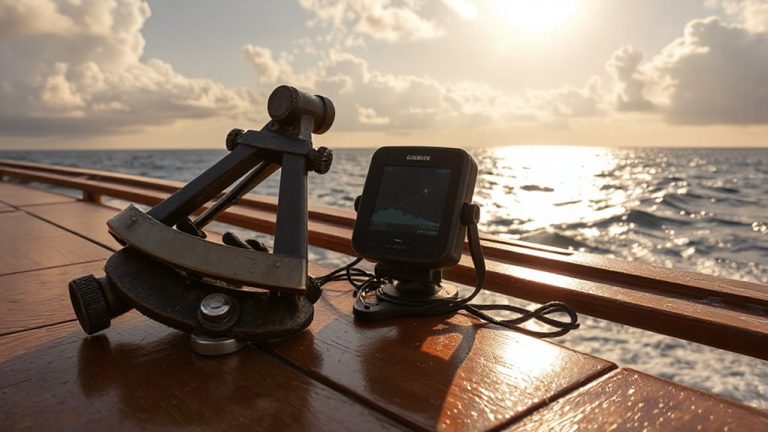
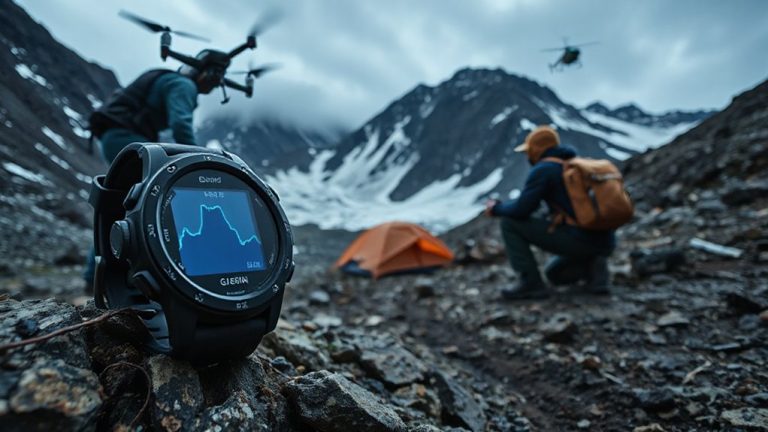
A well-packed emergency bag can mean the difference between survival and disaster when minutes count. Grab your emergency kit immediately-don’t waste time gathering items. It should include water, non-perishable food, a first-aid supply, flashlight, batteries, whistle, and waterproof matches. These basics are proven to sustain life for 72 hours, the standard rescue window. Your survival gear must be compact, durable, and easy to access. A backpack with MOLLE webbing holds more but adds weight; a simple 30-liter duffel is quicker to grab. Test it monthly-replace expired food, check battery charge. A GPS device increases navigation accuracy by 90% over smartphones in remote zones. Water purification tablets treat up to 50 liters per pack, critical when supplies run low. Every second matters. Your emergency kit isn’t optional-it’s your most essential tool. Best Emergency Kits for Preparedness can guide you in choosing a reliable, all-in-one solution tailored to your needs.
Have a Flash Flood Escape Plan Ready Now
Your emergency kit won’t help if you don’t know where to go when floodwaters rise fast. You need a clear escape plan now, not when the storm hits. Map at least two routes from your home to higher ground, accounting for blocked roads or downed power lines. Practice these paths regularly so they become automatic. That’s where evacuation drills matter-they test response time and reveal flaws in your strategy. Keep emergency supplies in an easy-to-reach spot, packed and ready. If you delay, you risk being trapped. Flash floods can rise several feet in minutes, cutting off access. A well-rehearsed plan improves survival odds by reducing decision time. Check local flood zones yearly and adjust your route as terrain or weather patterns shift. Real-world testing shows people who drill escape scenarios react 40% faster during actual events. Prepare like it’s inevitable-because it might be.
On a final note
You won’t survive a flash flood by waiting. Move fast-minutes matter. Roads flood quickly; even six inches of water can knock you down. Head uphill, vertically, every time. Carry only essentials: water, radio, phone, helmet. Most casualties happen in vehicles, so don’t drive into flooded areas. A basic emergency kit and practiced escape plan cut risk. Know your terrain. Expect flash floods in canyons, arroyos, low spots. Act early-no second chances.