How to Monitor for Delayed Hypothermia After Wet Exposure
After wet exposure, monitor your core temperature every 20 minutes for at least four hours, especially if you were chilled over 20 minutes. Watch for shivering to stop, mental confusion, drowsiness, or slurred speech-these signal dropping core heat even if you feel fine. Use warm fluids, dry clothing, and insulation to stabilize. Elderly or alcohol-affected individuals need closer observation. Symptoms can worsen silently, so continued vigilance improves safety outcomes.
Notable Insights
- Monitor for at least four hours after wet exposure, especially following prolonged cold immersion or in high-risk individuals.
- Watch for sudden cessation of shivering, which may signal dangerous core temperature decline despite feeling fine initially.
- Check every 20 minutes for mental changes like confusion, drowsiness, or irritability indicating developing hypothermia.
- Look for physical signs including slurred speech, stiff muscles, slow breathing, and cold, pale, or bluish skin.
- Use a thermometer if available; seek medical help if core temperature is below 36°C (96.8°F) or symptoms worsen.
What Is Delayed Hypothermia and Why It’s Dangerous?
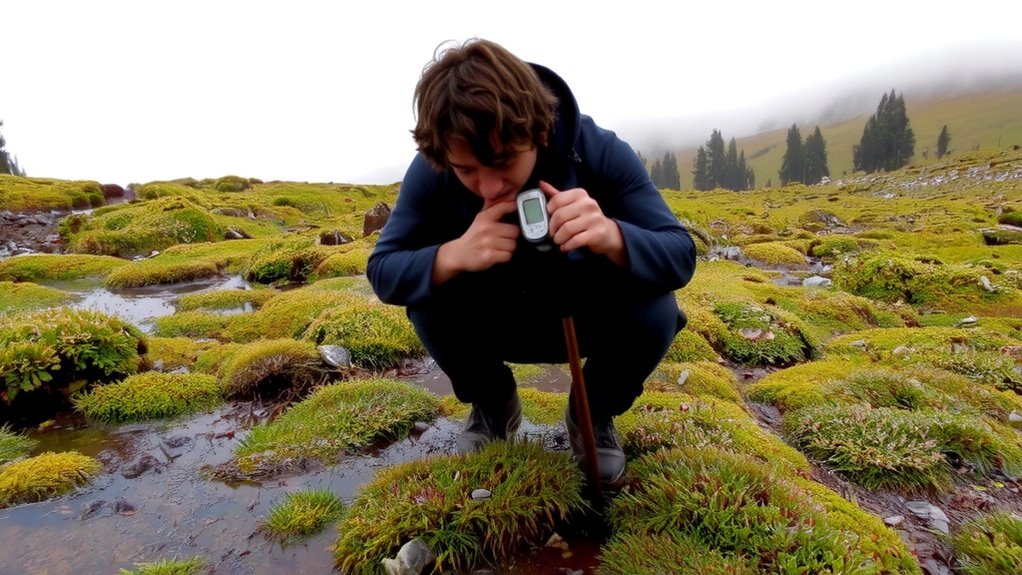
How do you know when the danger’s passed after getting soaked? It’s not when you’re dry-delayed hypothermia can set in even after you feel fine. Your body might still be cooling. Shivering cessation doesn’t mean you’re safe; it can signal your muscles are exhausted and core temperature is dropping. At that point, metabolic slowdown kicks in, reducing heat production when you need it most. You might feel calm or even sleepy, but that’s a warning sign, not recovery. Core temp can keep falling for hours post-exposure, especially if you’re inactive or improperly insulated. Monitoring matters. Use a reliable thermometer; check every 20 minutes. If it drops below 36°C (96.8°F), take active warming steps. Passive rewarming isn’t enough. Stay alert. Delay isn’t safety-it’s risk in disguise.
Who’s Most at Risk for Delayed Hypothermia

You’re not out of danger just because you’ve stopped shivering or changed into dry clothes-some people stay at risk long after wet exposure ends. Elderly individuals face higher vulnerability due to reduced metabolic rates and impaired thermoregulation. Longer immersion duration increases core heat loss, even in mild water temperatures. Certain medical conditions and fatigue worsen outcomes. Below is who’s most at risk:
| Risk Factor | Why It Matters |
|---|---|
| Elderly individuals | Slower heat recovery, less shivering response |
| Immersion duration over 30 min | Significant core temperature drop |
| Poor physical condition | Limited energy to generate heat |
| Alcohol in system | Dilates blood vessels, accelerates heat loss |
Monitoring at-risk individuals for several hours post-exposure is essential. Risk rises sharply when immersion duration exceeds 20 minutes, especially in those over 65. You must act before symptoms become severe.
Early Signs of Delayed Hypothermia to Watch Hours Later
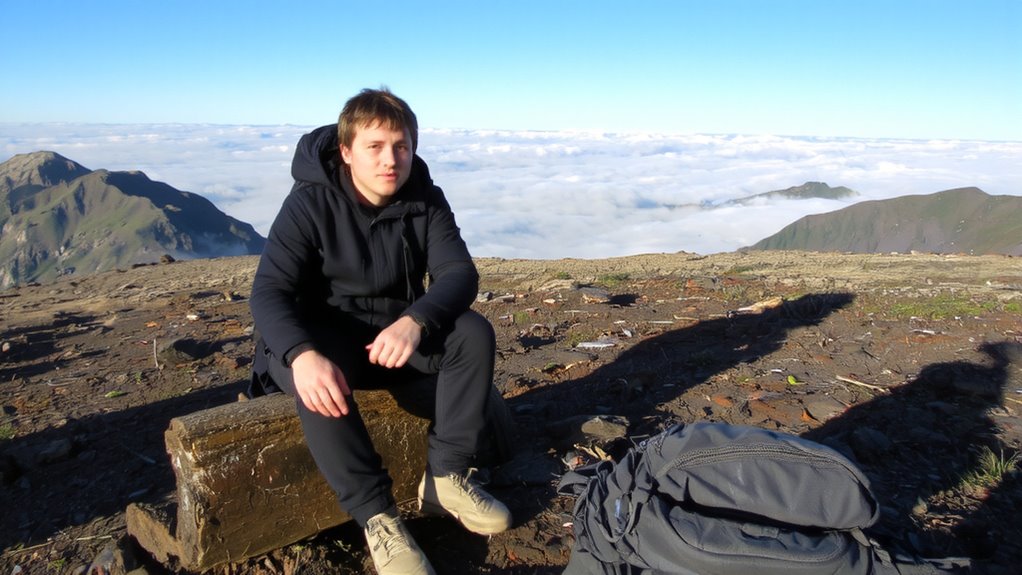
Even if you feel fine after getting out of the water, symptoms of delayed hypothermia can still emerge hours later-especially if you were wet for more than 20 minutes or belong to a high-risk group. You might notice changes in your shivering patterns-shivering that stops unexpectedly is a red flag, as it suggests your body can no longer generate heat. Early signs include mild mental confusion, such as trouble focusing, slow thinking, or feeling unusually drowsy. These aren’t subtle mood shifts; they reflect declining core temperature. You may also feel sluggish or irritable without knowing why. Symptoms often progress gradually, making them easy to overlook. Don’t rely on feeling cold-core temperature drops internally before it registers subjectively. Monitor yourself closely for at least four hours post-exposure, especially if you were chilled for an extended period. Recognizing these early markers improves response time.
How to Recognize Hypothermia Without a Thermometer
A stopped shiver isn’t a sign of recovery-it’s a warning your body’s heat regulation is failing, and that’s when you need to act fast, even without a thermometer. You can track hypothermia by observing shivering patterns: intense shivering usually means early stages, while weak or absent shivering suggests worsening condition. As core temperature drops, motor control slips and speech slurs. Watch for cognitive decline-confusion, poor judgment, or apathy-since mental changes often appear subtle at first. Someone who can’t follow simple instructions or forgets where they are likely has impaired thermoregulation. Skin may feel cold and look pale or bluish, especially in extremities. Stiff muscles and slow breathing are additional indicators. Don’t wait for all symptoms; combine observations of shivering patterns and cognitive decline to assess risk. Early recognition without tools relies on consistent behavioral and physical cues.
When to Seek Emergency Help for Delayed Hypothermia
How soon should you call for help when someone’s been wet and cold, even if they seem fine at first? Within minutes of noticing confusion, shivering, or slurred speech, you should seek emergency care. Delayed hypothermia can worsen rapidly after wet exposure, and symptoms may appear hours later. Don’t wait-early medical supervision is critical. If the person is lethargic or losing coordination, help is urgent. You’re not overreacting; core temperature drops can be deceptive. Also, assess for frostbite risks, especially in extremities. Numb, pale, or stiff skin means tissue damage may already be starting. Rewarming alone isn’t enough once these signs appear. Emergency services can monitor heart rhythms and manage complications safely. Even if symptoms seem mild now, professional evaluation prevents dangerous progression. Prompt action reduces long-term harm and supports recovery under controlled conditions.
How to Rewarm Safely After Cold, Wet Exposure
If you’ve been soaked and chilled, start rewarming right away using gentle, steady heat-your body can’t regulate temperature well after prolonged wet exposure, and aggressive methods like hot showers or heating pads may shock your system or worsen circulation. Focus on passive rewarming: remove wet clothing, dry your skin, then wrap in insulating layers like wool or synthetic blankets to let your body generate its own heat without external extremes. This method maintains circulation and prevents burns. Sip warm fluids such as broth or non-caffeinated drinks to help raise internal temperature gradually. Avoid alcohol-it dilates blood vessels and increases heat loss. Passive rewarming is more predictable than active external methods in field scenarios. Monitor shivering and mental status closely. If shivering stops or confusion sets in, seek medical help immediately.
How to Prevent Delayed Hypothermia After Outdoor Exposure
Why do some people start feeling fine after a cold, wet hike only to collapse from hypothermia hours later? Because core temperature can keep dropping even after you’re dry and resting. To prevent delayed hypothermia, act before symptoms appear. Change into dry clothes immediately-you retain heat 25% more efficiently when dry. Insulate yourself from the ground; use a sleeping pad or backpack to reduce conductive heat loss. Begin drinking warm fluids soon after exposure-proper hydration supports circulation and heat distribution. Eat snacks with fats and carbohydrates; adequate nutrition fuels your body’s thermogenesis. A 200-kcal meal post-exposure can boost core temperature recovery by up to 0.5°C over two hours. Monitor yourself for shivering, confusion, or fatigue for up to six hours. Prevention isn’t just comfort-it’s thermal stability through deliberate, measurable actions.
On a final note
You can’t afford to ignore delayed hypothermia after wet exposure-it develops silently, even hours later. Check for shivering, confusion, or slurred speech without a thermometer. Rewarm gradually with dry clothes and warm drinks, not direct heat. Seek help if symptoms worsen. Waterproof layers and quick drying gear reduce risk, but vigilance matters more than equipment. Prevention and early action are your best tools.