Creating a Bug-Out Strategy That Includes Emergency Footwear Rotation
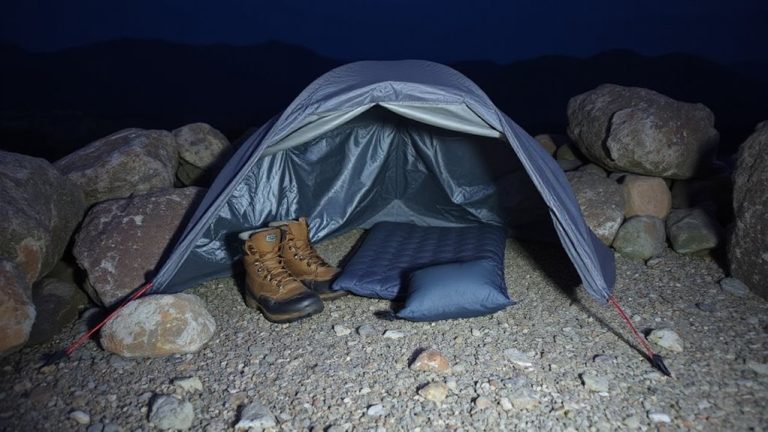
You need more than one pair of boots when bugging out-rotating footwear cuts blister risk and extends boot life by up to 40% under hard use. Match shoes to terrain: trail runners for speed, hiking boots for support, tactical boots for rubble. Pack them in dry, labeled bags, and store vertically to maintain shape. Test each pair over 10 miles in real conditions to spot fit or moisture issues early. Your next move could depend on the shoe that’s ready when you need it.
Notable Insights
- Rotate multiple footwear pairs to extend durability and reduce blister risk during prolonged evacuation.
- Match each shoe type to specific terrain and climate conditions in your bug-out route.
- Use trail runners for initial escape and hiking boots for long-term, supported movement.
- Store and pack footwear vertically in labeled, water-resistant bags to maintain integrity.
- Test all shoes on training hikes to identify fit, wear, and performance issues before deployment.
Why Footwear Rotation Matters in Your Bug-Out Plan
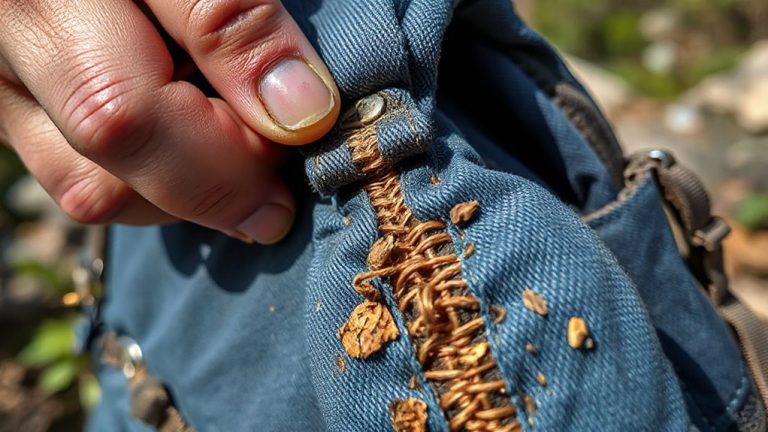
A single pair of boots won’t cut it when you’re on the move for days. You need rotation to maintain footwear durability and moisture protection over time. Constant wear breaks down materials, reducing support and increasing blister risk. Rotating pairs lets each recover shape and dry fully, preserving structural integrity. Wet feet lead to trench foot and decreased mobility-moisture protection isn’t optional. Boots with waterproof membranes help, but they only work if given time to dry between use. Real-world testing shows rotated footwear lasts up to 40% longer under hard use. You’ll cover more ground with fewer injuries. It’s not about having extras for luxury-it’s about maintaining performance. One pair bears the load while the others rest, ensuring consistent protection and function. Rotation balances wear, extends service life, and keeps your feet operational. Simple logic, proven results. Your feet carry you-don’t overload one pair.
Assess Your Evacuation Terrain and Climate Needs
You’ve got multiple pairs of boots-that’s smart. Now, match them to where and when you’ll move. Start with terrain analysis: rough trails demand durable soles with deep lugs, while urban rubble calls for reinforced toes and ankle support. Wetlands need quick-drying uppers; sand requires secure heel locks. Don’t guess-walk the likely routes, note ground conditions, and log elevation changes. Pair that with climate adaptation: hot zones need breathable membranes to prevent blisters, cold areas require insulation that won’t absorb moisture. Temperature swings mean layering options. Humidity affects material longevity-leather lasts longer than synthetics in persistent damp. Rain frequency dictates waterproofing needs. Assess real weather patterns, not averages. Your footwear rotation must align with both ground reality and seasonal shifts. Skip this, and even sturdy boots fail when you need them most. For fast-paced evacuations, consider incorporating top lightweight military boots into your rotation to reduce fatigue without sacrificing durability.
Choose the Right Shoes for Each Bug-Out Phase
When speed and distance matter most, trail runners with EVA midsoles and mesh uppers cut weight without sacrificing grip, making them ideal for the initial evacuation phase over mixed terrain. They offer solid shoe durability for up to 150 miles on rough trails, but you’ll need to pair them with moisture-wicking socks to maximize blister prevention. Once you reach established routes or expect prolonged use, switch to midweight hiking boots-they provide better ankle support and long-term shoe durability over 500+ miles, though they’re heavier. For urban or debris-filled zones, consider lightweight tactical boots with puncture-resistant soles. These maintain structural integrity under load and reduce hot spot formation, aiding blister prevention during extended wear. Rotating footwear by phase balances performance and protection. Prioritize fit, tested during training, and avoid breaking in new shoes during evacuation. Each pair should match the phase’s demands without over-engineering for unlikely scenarios. For reliable options that meet these criteria, check out the best hunting shoes for versatile, rugged footwear tested in extreme conditions.
Pack and Organize Your Emergency Footwear Smartly
Keep your emergency shoes packed in a way that protects their integrity while ensuring quick access when time matters. Use durable, water-resistant shoe bags to prevent dirt transfer and maintain structural support. Store them vertically if space is limited-this improves packing efficiency and visibility. Apply clear Footwear labeling with phase names or terrain types so you can grab the right pair instantly. Avoid stacking heavy items on top; compression damages midsoles and reduces cushioning effectiveness. For backpacks, place lighter shoes toward the center and heavier boots near the frame for balanced weight distribution. If using a bug-out vehicle, secure footwear in designated compartments to prevent shifting. Dry storage matters-include moisture-absorbing packets to inhibit mold. Your packing method should allow removal of one pair without unpacking others. Smart organization isn’t about gear quantity-it’s about reliable access, protection, and packing efficiency when seconds count.
Train and Test Your Rotation Strategy Before You Need It
Just because your emergency footwear is neatly packed and properly labeled doesn’t mean it’s ready for real-world use. You need to test each pair under conditions similar to what you’d face during an actual evacuation. Walk at least 10 miles in each pair to assess shoe durability and comfort. Pay attention to how they handle wet terrain, rough trails, and extended wear. This isn’t just about toughness-it’s about blister prevention. Even durable shoes can cause hot spots if they don’t fit right or lack proper moisture-wicking linings. Rotate footwear during training to mimic your bug-out plan and identify weak points. Test after exposure to mud, water, and temperature swings to see how they hold up. Real-world performance matters more than specs on a box. Training reveals flaws you can’t spot on a shelf. That’s when adjustments save your feet-and your strategy-before it counts.
On a final note
You’ll move faster and avoid injury if you rotate footwear based on terrain and distance. Lightweight trail runners work well for dry, short evacuations but offer little ankle support. Hiking boots protect over rough ground but weigh more and take longer to dry. Test each pair with a loaded pack to confirm fit and blister risk. Your rotation plan only works if you’ve trained in the gear-otherwise, you’re guessing when it matters most.