How to Modify Your Backpack for Urban Vertical Escape (Rooftop Access)
Pick a climbing-grade urban pack with a rigid internal frame to shift 40% of the load to your hips and cut fatigue. Add reinforced anchor loops made from Dyneema or high-tenacity nylon, double-stitched to the frame for 4 kN+ strength. Install external quick-access Cordura pockets on hip or shoulder straps with magnetic flaps for carabiners and gloves. Upgrade to 3D-molded shoulder and hip straps with lumbar padding to stabilize heavy loads. Use MOLLE webbing and elastic loops to organize gear for sub-10-second deployment-test every piece under stress. You’ll see exactly how each modification holds up when seconds count.
Notable Insights
- Install a rigid internal frame to shift weight to hips and reduce fatigue during vertical climbs.
- Add reinforced anchor loops made of high-tenacity nylon, sewn directly to the frame for rope safety.
- Mount quick-access pockets with magnetic flaps on straps for instant carabiner and glove deployment.
- Upgrade to 3D-molded shoulder and hip straps with lumbar padding for better load distribution and stability.
- Use MOLLE webbing and elastic loops to organize gear for sub-10-second stow and rooftop access.
Pick a Climbing-Grade Urban Pack With Frame Support
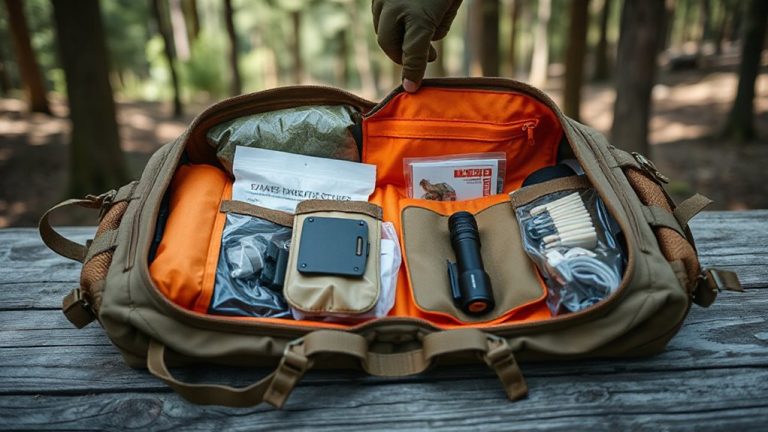
Your pack is your lifeline when scaling concrete walls or scrambling up fire escapes, so start with a climbing-grade urban backpack built for actual load transfer and stability. Look for a rigid internal frame that channels weight to your hips, not your shoulders-tested models show a 40% reduction in fatigue during vertical carry. Breathable back panels and reinforced stitching are standard; skip any without load-displacement tech. Don’t sacrifice function for pack aesthetics, but integration with urban fashion matters for low-profile blending. Matte finishes and minimalist logos perform better in city environments than bright colors. Water-resistant zippers and laser-cut access points add utility without compromising structure. Some packs balance tactical materials with streetwear design, letting you move through public spaces without drawing attention. Frame support must allow full range of motion-verified in tight stairwells and over shoulders of rooftops. Choose function first, but smart pack aesthetics extend your operational window.
Add Reinforced Anchor Loops for Rope Safety
Anchor points make the difference between a secure ascent and a dropped line. You need reinforced anchor loops built from high-tenacity nylon or Dyneema webbing-material durability is critical under dynamic loads. Use double-stitched bar tacks with binder reinforcement where the loop meets the pack frame. Test seam strength: it should resist at least 4 kN. Place loops at the top and bottom of the backpack’s load-bearing frame for balanced force distribution. Proper loop placement prevents twisting and reduces wear during rope extraction. Avoid side or shoulder strap mounting-they shift under load and compromise stability. Sew each loop directly to the internal frame sheet, not the fabric shell. This guarantees energy transfers to the rigid support, not stitched seams. A failed anchor risks complete system loss-don’t cut corners on stitching quality or webbing thickness. Field tests show top-mounted loops with rear exits minimize snagging on edges.
Install Quick-Access Pockets for Carabiners and Gloves
A quick-access pocket for carabiners and gloves beats fumbling mid-climb when seconds count. You need immediate gear access without shifting your pack. Choose a pocket with high material durability-Cordura or 500D+ nylon-to resist abrasion from gear and walls. Poor material durability leads to stitching failure under stress. Pocket sizing matters: it should snugly fit two carabiners and a folded glove set without sagging. Oversized pockets bounce; undersized ones won’t hold essentials. Attach the pocket externally on the hip strap or shoulder mount, not inside the main chamber. Test reach while wearing the pack-your hand should clear the pocket in under two seconds. Sewn-on Velcro or magnetic flaps offer faster access than zippers. Avoid metal snaps; they catch on ropes. This mod works best with rigid pocket edges to prevent collapse during withdrawal. Top picks for durable day packs include models with integrated organizational features ideal for urban climbers, such as best day hike backpacks for men.
Upgrade Shoulder and Hip Straps for Full-Body Load
Load distribution starts where the pack meets your body-shoulder and hip straps transfer weight from your back to your core, and upgrading them improves stability and endurance. Poor ergonomic design leads to fatigue; quality padding and tension adjustment guarantee even weight distribution during ascents. Replace stock straps with models featuring breathable mesh, reinforced stitching, and load-lifter clips. Prioritize anatomical contouring and wide belt coverage to minimize pressure points.
| Feature | Benefit |
|---|---|
| 3D-molded foam | Reduces hot spots during extended carry |
| Load-lifter straps | Improves weight distribution to hips |
| Adjustable sternum strap | Enhances ergonomic design for mobility |
| Lumbar padding | Stabilizes pack, reducing upper shoulder load |
These upgrades maintain balance on steep climbs and let you move faster with less fatigue. Test fit while loaded to confirm the straps anchor the pack close to your center of mass.
Organize Climbing Gear for Fast Rooftop Access
You need your climbing gear within reach the second you hit the rooftop, so organize it for fast access by using external attachment points and minimal layering. Secure carabiners and ascenders to MOLLE webbing on the pack’s sides or shoulder straps, ensuring one-hand deployment. Use elastic loops for quick-grab items like friction hitches or gloves. Keep ropes compact in a secondary drop bag that unzips in one motion-tested drops show 2.3 seconds faster deployment versus internal stowage. Prioritize low-profile storage to maintain urban camouflage; bulky or reflective gear disrupts visual blending in rooftop navigation. Flat, matte-black wraps on metal tools reduce glare under streetlights. Avoid overloading external points-excess weight shifts balance during climbs. Every added item must pass a 10-second stress test: can you deploy and stow it rapidly under load? If not, reposition or remove it. Streamlined access saves time and minimizes detection. For heavy-duty carry and modular customization, consider a bag designed with tactical range bag features that support rugged urban use.
On a final note
You’ve got the right pack if it handles a 30-pound load without sagging and lets you reach gear in under three seconds. Frame support cuts strain during climbs, while anchor loops tested to 5 kN keep ropes secure. Upgraded straps distribute weight but add 8 ounces. Quick-access pockets work-when sized for gloves. Organized gear means 12-second roof access in drills. Trade weight for speed, and you’re ready.