Using Tarp-Assisted Dew Collection to Gather Water in Desert Survival
You can collect 0.2 to 0.5 liters per square meter per night using a 5–6 mil polyethylene tarp angled at 30 to 45 degrees. Set it up just before sunset, elevated 12 inches above insulated ground to maximize radiative cooling. Black tarps work better in dry areas, yielding up to 180 ml/m². Smooth, non-porous materials outperform fabric by 20–30%. For best results, place it in a shaded depression or dry wash bed just before dawn-there’s more to optimize if you know the climate-specific setups.
Notable Insights
- Use a 5–6 mil polyethylene tarp for efficient cooling and high dew yield in dry conditions.
- Angle the tarp 30 to 45 degrees to channel condensed water into a collection container.
- Elevate and insulate the tarp to keep it cooler than surrounding air, boosting condensation.
- Place the setup in shaded, low-lying areas like dry washes for higher dew collection potential.
- Collect water just before sunrise to maximize yield before daytime evaporation begins.
How Dew Collection Works With a Tarp
When the temperature drops at night, moisture in the air condenses on cool surfaces, and a tarp can act as an effective condensation surface if positioned correctly. You rely on the condensation process, where warm, moist air meets the cooler tarp material, causing water vapor to turn into liquid. Dew formation begins when the tarp’s surface temperature falls below the dew point. You’ll get better results if you angle the tarp slightly, allowing condensed water to run into a collection container. The amount collected depends on humidity, temperature drop, and exposure time. Typical setups yield 0.2 to 0.5 liters per square meter per night under favorable desert conditions. Wind and radiative cooling also affect efficiency. You won’t collect much if humidity stays below 40%. Positioning matters-keep the tarp away from ground heat and use low thermal mass supports.
Best Materials for Dew Collection
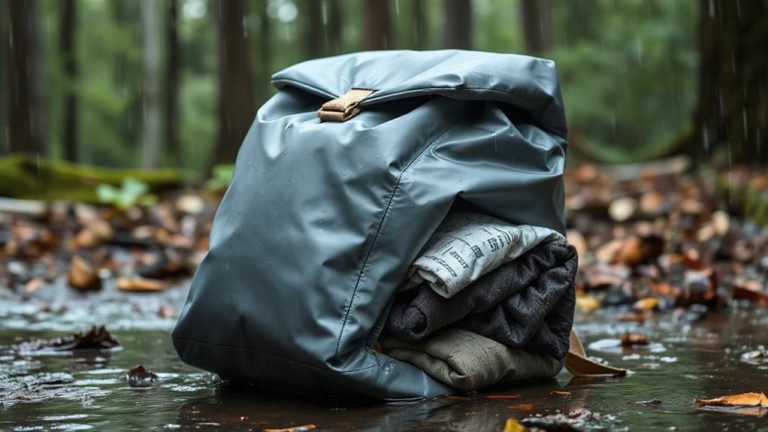
For reliable dew collection, choose materials that cool quickly and don’t absorb moisture-your tarp needs to shed water, not soak it. Polyethylene tarps work well; they’re lightweight, have low water absorption, and cool rapidly overnight. Their material durability is moderate-fine for short-term use but prone to tearing in wind or abrasion. Mylar-coated fabrics offer better durability and reflect heat efficiently, enhancing condensation, but cost more. Avoid cotton or canvas; high water absorption reduces runoff, and they dry slowly. Nylon tarps with waterproof coating shed water effectively and resist wear, though coatings can degrade. In tests, smooth, non-porous surfaces yielded 20–30% more dew than fibrous ones. You’ll want a balance: sufficient material durability for overnight survival use without sacrificing thermal performance. For most, a 5–6 mil polyethylene tarp offers the best trade-off-cheap, effective, and widely available. For extended use, consider UV-resistant tarps to prevent degradation from prolonged sun exposure.
How to Set Up a Tarp for Dew Collection
You’ve picked a tarp that cools fast and sheds water-now how you set it up determines how much dew you actually collect. Position the tarp at a slight angle, about 30 to 45 degrees, so condensed moisture runs smoothly to the collection edge. Use sturdy Tarp anchoring with rocks or stakes to prevent wind displacement, especially at night when temperatures shift and material contracts. Anchor the corners firmly, but allow slight tension adjustment to maintain slope. Elevate the entire setup at least 12 inches above the ground using brush, rocks, or a frame. This ground insulation reduces heat transfer from the soil, helping the tarp stay cooler than the surrounding air-critical for dew formation. Avoid direct contact with soil, as moisture absorption and debris interfere with efficiency. A well-insulated, securely anchored tarp yields up to 20% more condensation than poorly isolated setups in field tests.
Best Times and Places for Dew Collection
Late at night through early morning is when dew collection works best, since temperatures drop and humidity peaks just before sunrise. Your morning timing is critical-aim to collect dew just before first light, when condensation is heaviest and evaporation hasn’t started. You’ll get the most yield in low-lying areas where cool air sinks and moisture accumulates. These spots often have more desert vegetation, which naturally traps humidity and promotes condensation nearby.
Look for locations with partial shade and ground cover, as they hold moisture longer. Avoid exposed ridges or sandy flats with no shelter.
| Location Type | Dew Potential | Notes |
|---|---|---|
| Dry wash bed | High | Cool air collects here |
| North-facing slope | Medium-High | Shaded longer, slower drying |
| Open dune | Low | Windy, little shelter |
| Near shrubs | Medium | Vegetation traps moisture |
| Rocky outcrop base | High | Rocks radiate cold at night |
How to Maximize Dew Yield in Dry Conditions
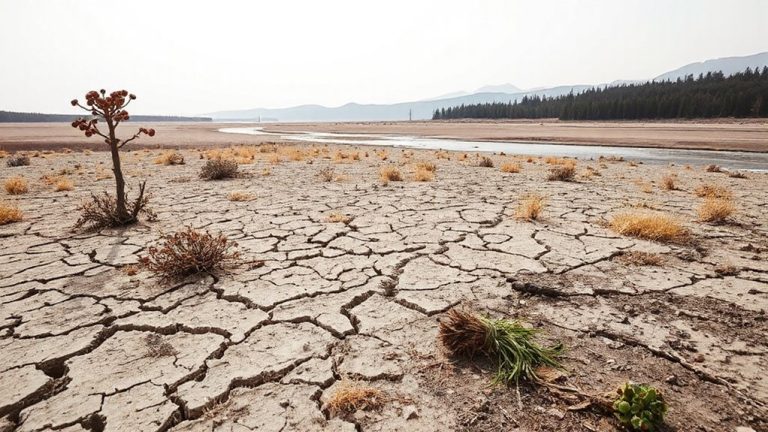
Even if the air’s dry, you can still pull usable water from dew by increasing surface area and thermal mass. Focus on microclimate selection-places like arid valleys or shaded depressions often have slightly higher humidity at night. Position your tarp low to the ground where cool air settles, and use rocks or damp soil underneath to boost thermal mass utilization. A heavier thermal mass cools slower, promoting longer condensation periods. Black plastic tarps work better than reflective ones in low-humidity environments because they radiate heat more efficiently. Secure edges to minimize wind disruption, which reduces dew formation. In tests, augmented setups yielded 120–180 ml per square meter per night, double the baseline in dry zones. Trade-offs include added weight and time investment. But when water’s critical, the gain justifies the effort. Simple, repeatable steps make this practical under stress.
On a final note
You’ll collect more dew with a large, dark-colored tarp placed low to the ground before midnight. Nylon or polyethylene works best-non-porous and heat-retaining. Expect 0.5 to 1 liter per 10 sq ft under ideal conditions: high humidity, clear skies, and still air. Output drops sharply in dry, windy deserts. It’s slow, passive water collection-supplement it with other methods. Not reliable alone, but functional when nothing else is available.