Evaluating Battery Backup Systems for Siren Network Sustainability
You can expect 4 to 12 hours of backup, depending on battery type and conditions. Lithium-ion lasts up to 40% longer than lead-acid and handles frequent discharges better. It also endures more charge cycles and needs less maintenance. Cold reduces capacity, while heat accelerates wear-lithium handles both better. For long-term reliability, lithium iron phosphate offers superior lifespan and stability. Choose based on climate, usage, and uptime needs-the right pick improves resilience when every minute counts.
Notable Insights
- Lithium-ion batteries provide longer runtime and last 2–3 times more charge cycles than lead-acid options.
- Battery capacity and power consumption directly impact backup duration during power outages.
- Extreme temperatures reduce battery performance, with cold slowing reactions and heat accelerating degradation.
- Lithium-ion systems require less maintenance due to stable chemistry and built-in management features.
- Reliable siren backups need rugged enclosures, proper charge regulation, and durable chemistry like lithium iron phosphate.
How Long Does a Siren Battery Backup Last During Outages?
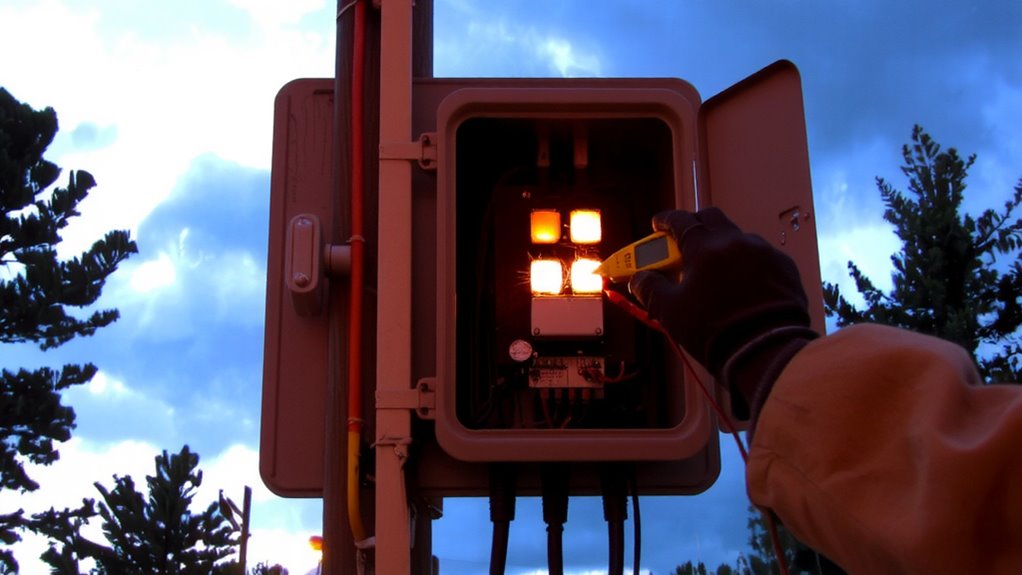
Most siren battery backups last between 4 and 12 hours on a full charge, depending on the model and usage. Your system’s runtime hinges on battery capacity and power consumption. A higher battery capacity gives you more stored energy, extending operation during outages. But if your siren draws power heavily-like during frequent activations-power consumption rises, shortening runtime. In real-world conditions, older units or poorly maintained batteries often fall toward the 4-hour mark. Units with efficient circuitry and moderate alert cycles typically hit 8 hours or more. You’ll need to balance these factors when planning for extended emergencies. Don’t assume max capacity translates to max runtime-actual performance depends on how the siren uses energy. Check specs for rated capacity and average power draw to estimate realistic backup time.
Lead-Acid vs. Lithium-Ion: Which Powers Sirens Longer?
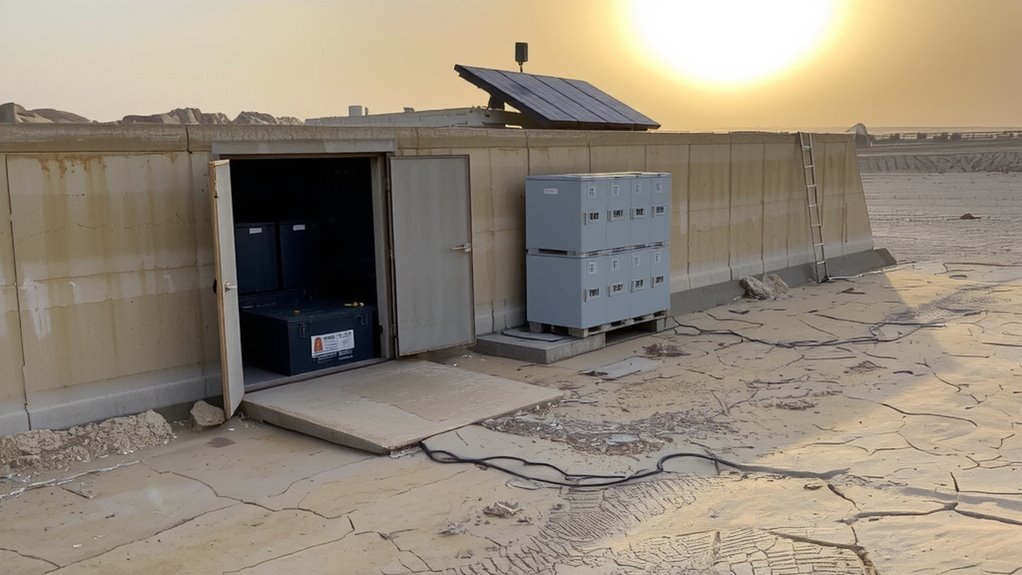
You’ve seen how battery capacity and usage shape how long your siren stays online during an outage, but the type of battery itself plays a defining role in that performance. Battery chemistry directly affects longevity and reliability. Lead-acid batteries are cheaper upfront but degrade faster, especially under frequent or deep discharges. They typically deliver stable power but have slower recharge times and lower energy density. Lithium-ion batteries offer higher energy density and handle deeper discharge rates more efficiently, preserving capacity over time. They last longer across charge cycles, often 2–3 times that of lead-acid, reducing replacement needs. While pricier initially, their durability often justifies the cost in critical siren networks. In real-world tests, lithium-ion systems keep sirens active up to 40% longer under identical load conditions. Discharge rates matter: lithium-ion maintains voltage stability better during high draws, ensuring consistent alarm output. Your choice hinges on budget, maintenance plans, and how long you need the siren on during outages.
How Extreme Weather Impacts Siren Battery Performance
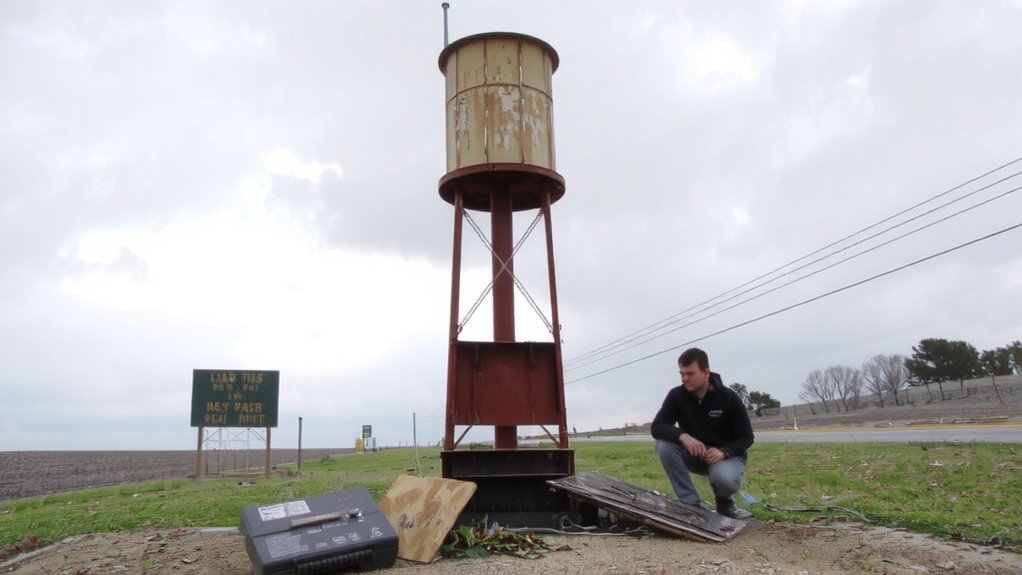
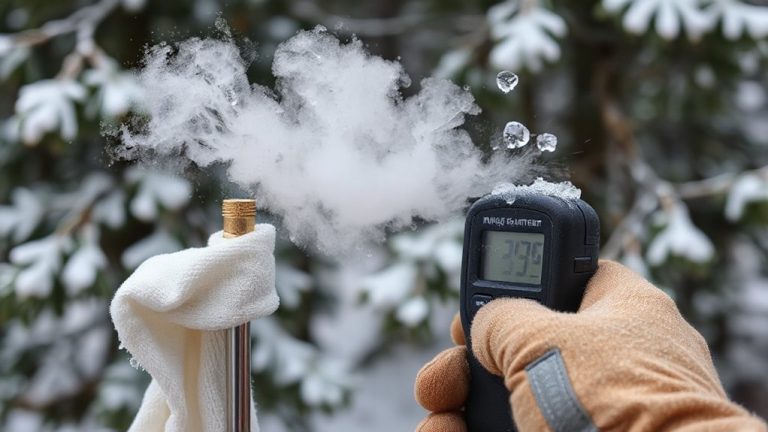
How well does your siren’s battery hold up when the mercury drops or soars? Extreme temperatures directly challenge battery reliability. Cold slows chemical reactions, reducing capacity and delaying response times. Heat accelerates degradation, shortening lifespan. Both conditions cause thermal stress, pushing cells beyond design limits. You’ll see voltage fluctuations under these extremes, potentially triggering false alarms or missed activations. Lead-acid units dip in output below 32°F, often requiring insulation or heaters. Lithium-ion handles cold better but risks overheating above 104°F if not ventilated. In desert testing, unshielded enclosures led to 20% faster capacity loss. Coastal humidity combined with heat also increases internal resistance. These real-world results show environmental hardening isn’t optional. You need batteries rated for your area’s full range, not just averages. Thermal stress management and stable voltage output determine whether your system works when it matters.
Do Lithium-Ion Siren Batteries Need Less Maintenance?
Why worry about regular upkeep when your siren’s battery might be fine for years without it? Lithium-ion batteries need less maintenance largely due to their stable battery chemistry. You won’t have to top off electrolytes or clean terminals like with lead-acid types. Their design handles long periods of inactivity without degrading quickly. Plus, lithium-ion units endure more charging cycles-often 2,000 or more-before capacity drops markedly. That means fewer replacements and less hands-on monitoring over time. You still need to check voltage and enclosure integrity, but scheduled servicing isn’t as critical. Temperature management matters, but built-in systems usually handle it. Compared to older tech, these batteries offer fewer failure points tied to user neglect. You’re not eliminating maintenance, but you’re cutting it sharply. For siren networks spread across remote areas, that reliability translates to reduced site visits and more consistent readiness without constant oversight.
What Makes a Reliable Siren Battery Backup System?
Reliability starts with design. You need a siren battery backup that performs in real conditions, not just on paper. Battery chemistry determines lifespan and temperature tolerance-lithium iron phosphate lasts longer and handles heat better than lead-acid. Your installation environment affects performance; outdoor units face temperature swings and moisture, so enclosures must protect the battery. A reliable system includes proper charge control to prevent degradation and consistent output during outages.
| Factor | Why It Matters | Real-World Impact |
|---|---|---|
| Battery chemistry | Influences cycle life and stability | Fewer replacements, stable output |
| Installation environment | Exposes batteries to heat, cold, humidity | Requires rugged enclosures and ventilation |
| Charge regulation | Prevents overcharge and deep discharge | Extends usable life |
| Runtime at load | Measures real backup duration | guarantees siren activation when needed |
On a final note
You’ll get longer runtime and better temperature resilience from lithium-ion-typically 5–7 years with minimal maintenance, versus lead-acid’s 3–5 years and regular checks. Lithium handles extreme cold better, losing less capacity. But it costs more upfront. For sustained alerts during outages, pair any battery with a solar charger and test monthly. Real-world performance hinges on load, environment, and maintenance consistency, not just specs. Choose based on your climate and budget.