Assessing Risk of Frostbite in Winter Emergencies
You’re at risk when cold, wind, and wet gear cut through your body heat, especially below 32°F. Wind chill at 20 mph can freeze exposed skin in under 30 minutes. Poor circulation, sweat-soaked clothes, or damaged gloves increase danger fast. Kids, older adults, and those with health issues face greater risk. Frostbite starts numb and pale-act before swelling or pain. Knowing the signs and conditions helps you respond before damage worsens. The next steps show how to spot and handle it correctly.
Notable Insights
- Prolonged exposure to temperatures below 32°F significantly increases frostbite risk, especially with wind chill accelerating heat loss.
- Wet clothing or gear from sweat or snow can reduce insulation effectiveness by up to 90%, greatly increasing susceptibility.
- Wind chill lowers skin freeze time, with exposed areas like cheeks and ears at risk in under 5 minutes at -40°F with wind.
- Individuals with diabetes, poor circulation, or reduced cold awareness due to alcohol, fatigue, or age are at higher risk.
- Early signs-numbness, pale skin, and slow warming-require immediate action to prevent irreversible tissue damage.
What Causes Frostbite in Winter Emergencies?
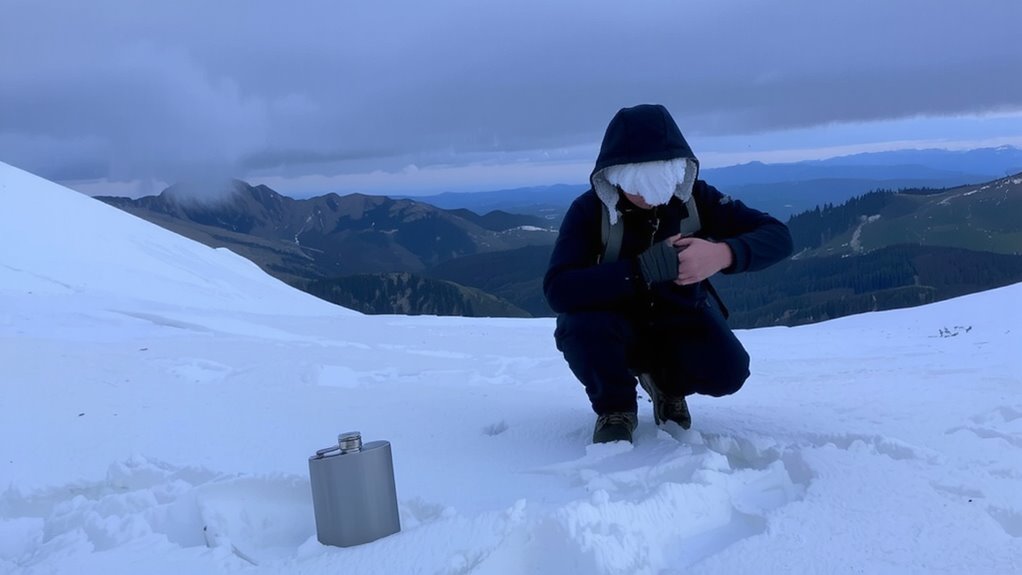
Frostbite starts when skin and underlying tissues freeze due to prolonged exposure to cold, especially below 32°F (0°C). Your risk rises sharply with continued cold exposure, particularly when wind chill accelerates heat loss. Moisture buildup inside gloves or boots increases conductivity, pulling heat from your body faster and lowering tissue freezing thresholds. Wet clothing from sweat or snow contact compounds this effect, maintaining a damp environment next to the skin. Even brief exposure can be dangerous if moisture is trapped. Materials that wick sweat reduce moisture buildup, improving thermal resistance. Layering with breathable fabrics helps manage humidity. Staying dry is as critical as staying warm. In emergency scenarios, compromised gear-like soaked insulation-loses up to 90% of its thermal performance. You can’t rely on shivering or discomfort alone as warning signs. Preventive action depends on recognizing early numbness or skin discoloration.
Who’s Most at Risk for Frostbite?
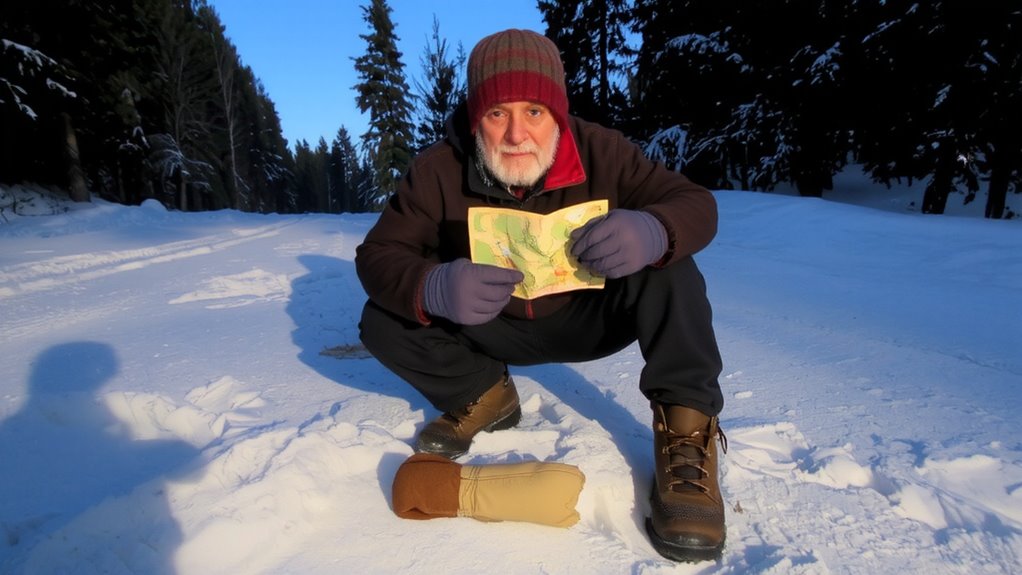
You’re more likely to get frostbite if your body can’t maintain core temperature or if circulation to extremities drops, and certain factors stack the odds against you. Elderly individuals often have reduced circulation and slower metabolic responses, making it harder to stay warm. You may not realize how cold you’ve become until injury starts. Outdoor workers face prolonged exposure, especially if protective gear is inadequate or breaks down in extreme conditions. Wet clothing or tight boots reduce insulation and blood flow, increasing risk fast. Children lose heat more quickly due to higher surface area relative to body mass. People with diabetes or vascular issues also face higher vulnerability because of compromised circulation. Some medications can impair shivering or blood distribution. Alcohol and fatigue reduce awareness. You need reliable layers, functional gear, and regular warm-up breaks-especially if you fall into one of these high-risk groups.
How Wind Chill Speeds Up Frostbite
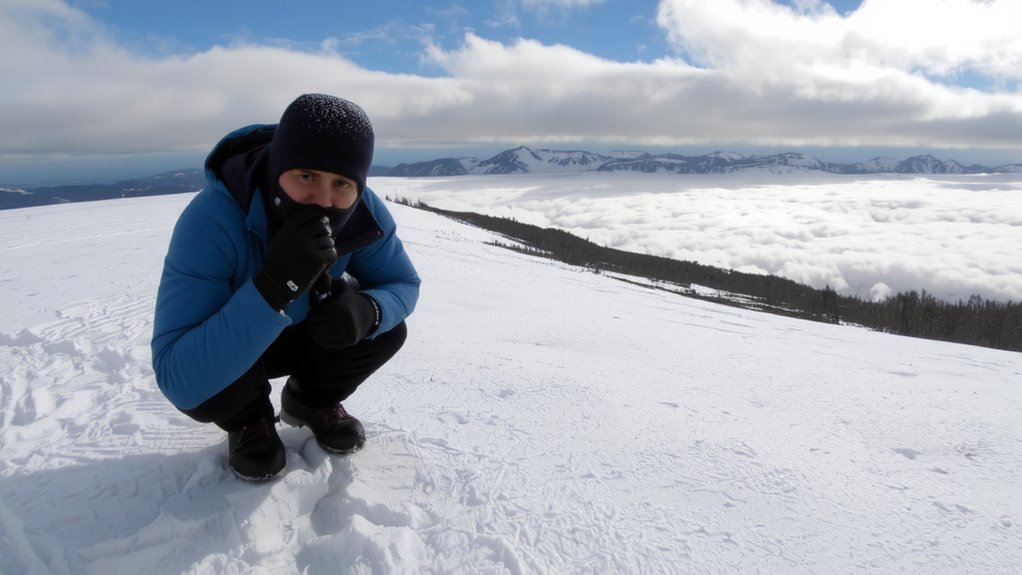
When the wind starts picking up, it carries heat away from your skin faster than still air, and that’s when frost游戏副本 risk climbs quickly. Wind velocity directly affects how fast your body loses heat-higher speeds strip away the thin layer of warm air surrounding your skin. This process increases the rate of heat transfer due to enhanced thermal conductivity between your body and the cold environment. Even at moderate cold temperatures, strong winds can make it feel much colder, dropping the wind chill index markedly. For example, at 20°F with a 30 mph wind, the skin can freeze in under 30 minutes. Protective clothing helps, but exposed skin remains vulnerable. The faster the wind, the shorter the time before tissue damage begins. You can’t change the wind, but you can adjust your exposure-covering up and reducing time outdoors slows heat loss and lowers risk.
What Are the Early Signs of Frostbite?
A patch of skin that feels unusually cold or numb is often the first clue you’re developing frostbite, especially on exposed areas like fingers, toes, nose, or ears. You’ll notice a numbness sensation as nerve function slows in the cold, reducing feeling. This isn’t just discomfort-it’s tissue starting to freeze. At the same time, look for pale discoloration; skin may turn white or grayish-yellow due to restricted blood flow. These changes are subtle but measurable. Ignoring them increases risk. The combination of numbness sensation and pale discoloration means immediate warming is necessary. Don’t wait for pain or swelling-those come later. If skin doesn’t warm within minutes of shelter, damage is progressing. Recognizing these signs early improves outcome. Prevention beats treatment, but spotting them quickly gives you time to act before permanent harm occurs.
How Quickly Cold Freezes Exposed Skin
Skin can begin to freeze in as little as 5 to 10 minutes under extreme cold, especially when wind chill drops the temperature below -18°C (0°F). Your risk depends on skin exposure duration and environmental freezing speed. The colder and windier it is, the faster damage occurs. Exposed areas like cheeks, nose, and ears are vulnerable first. Below -28°C (-20°F), frostbite can set in under 10 minutes even with light wind.
| Temperature (°C) | Time to Frostbite |
|---|---|
| -18°C (0°F) | 30 minutes |
| -28°C (-20°F) | 10 minutes |
| -40°C (-40°F) | Under 5 minutes |
Environmental freezing speed increases sharply with wind. Limit skin exposure duration whenever possible. Cover up before going out.
What to Do Immediately After Frostbite
If you suspect frostbite, act fast-further tissue damage can occur without prompt care. Get to a warm environment as soon as possible. Once inside, remove wet clothing and begin rewarming techniques using warm (not hot) water, ideally between 100°F and 105°F. Soak the affected areas for 15 to 30 minutes until sensation returns and skin color improves. Avoid dry heat sources like heating pads, which can burn numb skin. Rewarming may be painful, but it’s a necessary step to limit long-term injury. Do not rub or massage frostbitten tissue-that can cause more harm. Even if symptoms improve, you still need a medical evaluation. Only a healthcare provider can assess the depth of tissue damage and rule out complications. Early intervention improves outcomes, so don’t delay professional follow-up.
Common Mistakes to Avoid in Frostbite Emergencies
Why do some people make frostbite worse despite trying to help? You might unintentionally cause harm through improper thawing, like using hot water or a heater to rewarm skin. That damages tissue further-always use warm, not hot, water around 100–105°F. Refreezing injured tissue is another risk if you thaw too early, before reaching safety. Never try to thaw if there’s a chance of refreezing. Delayed treatment also worsens outcomes. The longer you wait, the deeper the injury can become. Don’t rub or massage frostbitten areas-that causes more cell damage. Avoid walking on frostbitten feet unless absolutely necessary. Remove wet clothing and keep the person insulated. Immediate, correct care reduces long-term harm. Prevent improper thawing, prioritize fast, safe rewarming, and avoid delayed treatment.
On a final note
You’ll need fast action to prevent frostbite from worsening. Exposed skin can freeze in under 30 minutes in extreme wind chill. Recognize numbness and pale skin early-they’re your first warning. Warm the area gradually with body heat or lukewarm water, not direct heat. Don’t rub or massage-it can cause tissue damage. Improper rewarming risks long-term injury. Waterproof gloves and insulated boots improve hand and foot protection, but they’re useless if wet. Stay dry, stay aware, and move indoors quickly.