Hypothermia in Wet Clothing: Risk Above 50°F Explained
You’re at risk of hypothermia when wet clothes cut your insulation by up to 90%, letting heat escape 25 times faster than in dry air. Even in mild temps above 50°F, wet cotton or soaked layers keep drawing heat from your skin. Wind and activity worsen cooling through evaporation. Remove wet clothing fast, replace it with dry insulation, and shelter from exposure. You’ll see how small choices in layering and timing can shift the survival odds.
Notable Insights
- Wet clothing can increase heat loss up to 25 times faster than dry air, significantly raising hypothermia risk.
- Hypothermia can occur even in mild temperatures above 50°F if clothing is wet and insulation fails.
- Cotton retains moisture and reduces thermal protection, making it especially dangerous when wet.
- Wind and evaporation accelerate cooling when clothes are damp, compounding heat loss through convection and conduction.
- Immediate removal of wet clothing and replacement with dry layers is critical to reduce hypothermia risk.
What Exactly Is Hypothermia And How Do Wet Clothes Trigger It?
Hypothermia starts when your core body temperature drops below 95°F, and wet clothing speeds up the process by pulling heat away from your skin up to 25 times faster than dry air. Your body temperature begins falling the moment heat loss exceeds heat production. Wet fabrics stay in close contact with your skin, creating a continuous path for heat loss through conduction and evaporation. Even mild activity can’t compensate once the cooling rate surpasses your ability to generate warmth. Cotton holds moisture and worsens heat loss, while synthetic or wool layers retain some insulation when damp. You might not shiver at first, but impaired coordination and slow breathing follow as your body temperature continues dropping. Staying dry isn’t just comfort-it’s a functional requirement for maintaining thermal balance. Prevention hinges on managing heat loss before symptoms appear, especially in changeable conditions.
Why Cold + Wet Is Dangerous: Even In Mild Weather

Even if the air temperature stays above 50°F, being wet and exposed can still put you at risk because water conducts heat away from your body about 25 times faster than air. You experience rapid heat loss as soon as your clothes get soaked, even if it doesn’t feel bitterly cold. Wet fabric clings to your skin, continuously drawing warmth, and wind chill makes it worse by accelerating evaporation and cooling. A light breeze can turn damp conditions dangerous, dropping your surface temperature fast. Hypothermia isn’t just for freezing climates-it starts when your body loses heat faster than it can produce it. You might not notice at first, but shivering, confusion, or fatigue are early signs. Staying dry is key: wet clothing undermines insulation fast, reducing its effective rating to nearly zero. In mild weather, that false sense of warmth can lull you into underestimating real danger.
Who’s Most At Risk When Exposed To Wet Clothing?
You’re more likely to lose body heat fast when soaked, and not everyone handles that stress equally. Elderly individuals face higher risks due to slower metabolism and reduced circulation, making it harder to maintain core temperature. If you’re older, even mild chill in wet clothes can become dangerous faster than you realize. Outdoor workers are also vulnerable-they often stay in damp clothing for hours, especially in rainy or cold conditions. Extended exposure without quick drying increases heat loss, raising hypothermia risk over time. Children and those with poor health or low body fat are at greater risk too, but job demands put many outdoor workers in prolonged danger. Wet insulation loses effectiveness immediately, so staying wet during physical labor creates a false sense of warmth until core temperature drops. Recognizing these vulnerabilities helps you choose better gear and plan safer work or travel in wet conditions.
What Immediate Steps Should You Take If You’re Soaked And Cold?
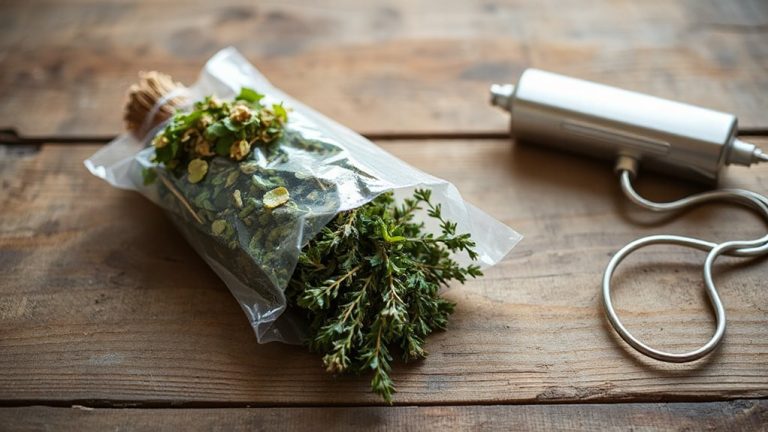
If you get caught in the rain or fall into cold water, staying in wet clothes will speed up heat loss, so strip off the damp layers as fast as you can. Prioritize shelter access to block wind and moisture. Replace wet clothing with dry insulation-even a basic fleece or wool layer improves clothing insulation markedly. Avoid cotton; it retains water and reduces warmth. Use a space blanket if no dry clothes are available. Body heat retention depends on minimizing exposure and restoring insulation. For reliable thermal protection, consider an emergency blanket made with durable metallized film that resists tearing and maximizes heat reflection.
| Action | Benefit | Trade-off |
|---|---|---|
| Remove wet clothes | Reduces conductive heat loss | Requires shelter access |
| Add dry insulation | Boosts clothing insulation | Limited by spare gear |
| Seek shelter | Blocks wind and rain | May delay movement |
| Use emergency blanket | Reflects body heat | Fragile, noisy |
| Share body heat | Slows core cooling | Only possible with others |
How To Prevent Hypothermia During Rain, Sweating, Or Water Exposure
Staying dry isn’t just about comfort-it directly affects your body’s ability to maintain core temperature. Wet clothing increases heat loss up to 25 times faster than dry fabric, so managing moisture is critical. Use layer management: wear a wicking base layer to pull sweat away, an insulating mid-layer, and a waterproof outer shell. Avoid cotton-it retains water and hampers drying. Adjust layers before you overheat; removing a piece early prevents excess sweat. Activity pacing also matters. Sustained exertion raises sweat production, while stopping too long risks chilling. Move steadily, not intensely, to balance heat output and moisture buildup. Monitor your effort before and during rain, immersion, or high-exertion tasks. In cold conditions, even light sweating can be dangerous if you slow down later. Preemptive layer adjustments and steady pacing reduce wetness buildup. These steps are measurable, low-cost, and proven effective in field tests. Prevention hinges on simple, consistent actions-not gear alone.
When To Seek Emergency Help For Hypothermia Symptoms
What good is a survival plan if it doesn’t account for when things go too far? If you’re shivering uncontrollably and can’t stop, it’s time to act fast. Once confusion, slurred speech, or shallow breathing sets in, your body’s losing its ability to self-regulate. These aren’t mild symptoms-they signal you need emergency response immediately. Even if you feel like you can tough it out, severe hypothermia impairs judgment, making self-assessment unreliable. Wet clothing accelerates heat loss, so delaying help increases risk. You should seek medical attention the moment core symptoms worsen or don’t improve after getting dry and warm. Don’t wait for loss of consciousness-it’s often too late. Quick recognition and fast deployment of emergency response save lives. Cold exposure is measurable, predictable, and treatable only if you respect its progression and respond accordingly.
On a final note
You’re at real risk of hypothermia if wet clothes stay on, even in mild weather. Cold rain or sweat steals body heat 25 times faster than dry air. Remove wet layers fast and replace them with dry insulation. A basic emergency blanket or wool hat cuts heat loss markedly. Synthetic or wool fabrics outperform cotton, which retains moisture. Relying on shivering as a warning is flawed-it can stop as condition worsens. Know the signs, act early, and prioritize dry, insulated layers.