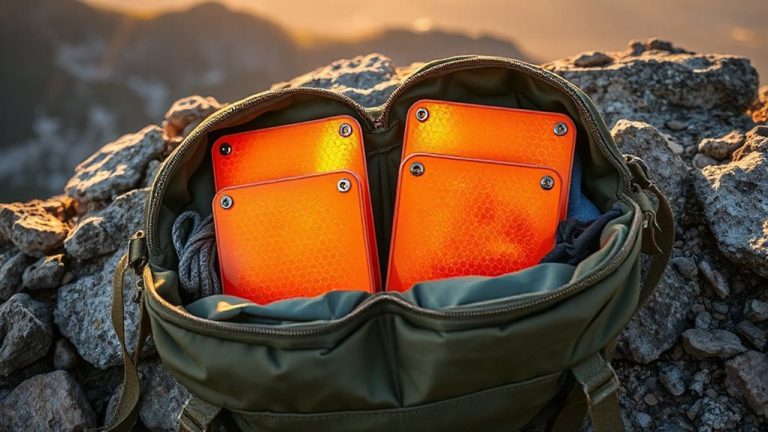
Creating a Bug-Out Strategy That Includes Emergency Fire Retardant Clothing
You should include fire retardant clothing in your bug-out plan because it can give you vital extra seconds during a fire. Materials like Nomex and modacrylic resist ignition at 800–1,200°F, far above standard fabrics’ 400°F threshold. They add little weight, though breathability drops slightly. Outfits with hoods, gloves, and jackets made from certified FR fabrics improve survival in wildfires or structural fires. Layering boosts protection without sacrificing mobility. Choose gear matched to your biggest risks. Smart choices now mean better outcomes when every second counts. More details on optimizing your setup follow.
Notable Insights
- Include fire-retardant clothing in your bug-out bag to increase survival time during flash fires or wildfires.
- Choose NFPA 2112–certified materials like Nomex or modacrylic for proven heat and flame resistance.
- Prioritize layered protection using moisture-wicking base layers and rugged, ember-resistant outer shells.
- Pack a hooded balaclava, gloves, and jacket to shield exposed skin without limiting mobility.
- Match gear to your risk environment-lightweight for wildfires, reinforced for structural collapses or explosions.
Include Fire Retardant Clothing in Every Bug-Out Plan
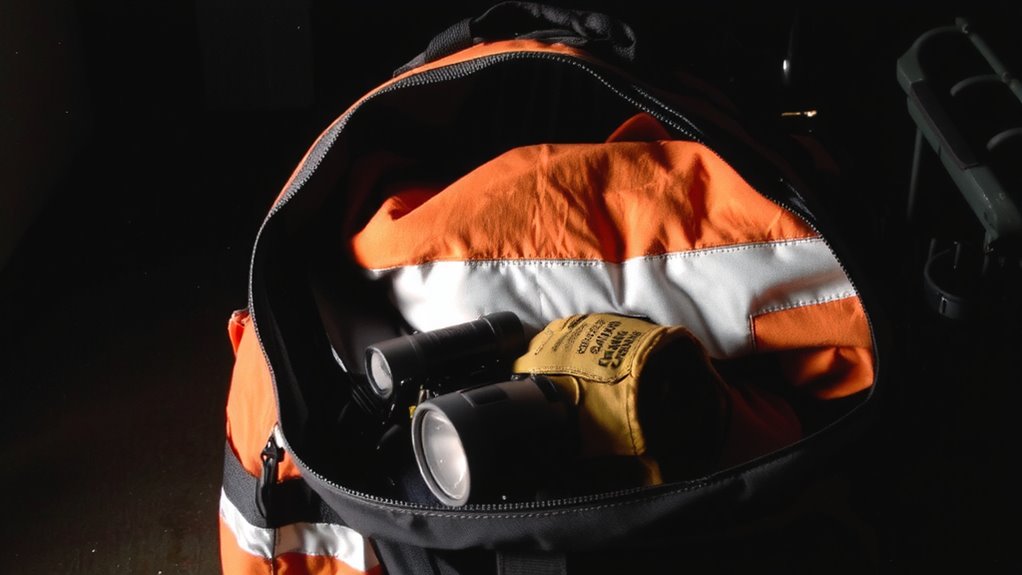
You should include fire retardant clothing in your bug-out plan because it offers measurable protection in emergencies involving fire or extreme heat. Fire safety isn’t just about extinguishers or alarms-your clothing can be a critical barrier. Standard fabrics ignite at around 400°F, but fire retardant materials typically resist ignition up to 800–1,200°F, giving you extra seconds to escape. In real-world tests, wearers of treated or inherently resistant garments sustained fewer burns and had higher survival rates in flash-fire scenarios. Emergency preparedness means accounting for sudden hazards, and wildfires, explosions, or vehicle fires are common risks during evacuations. These clothes don’t eliminate danger, but they reduce injury severity. You trade minimal added weight and slight breathability loss for substantially improved odds. Including fire retardant outer layers, like hoods or jackets, is a practical, evidence-backed upgrade to your survival kit. Performance specs and testing prove it.
Choose the Best Fire-Resistant Fabrics for Emergencies
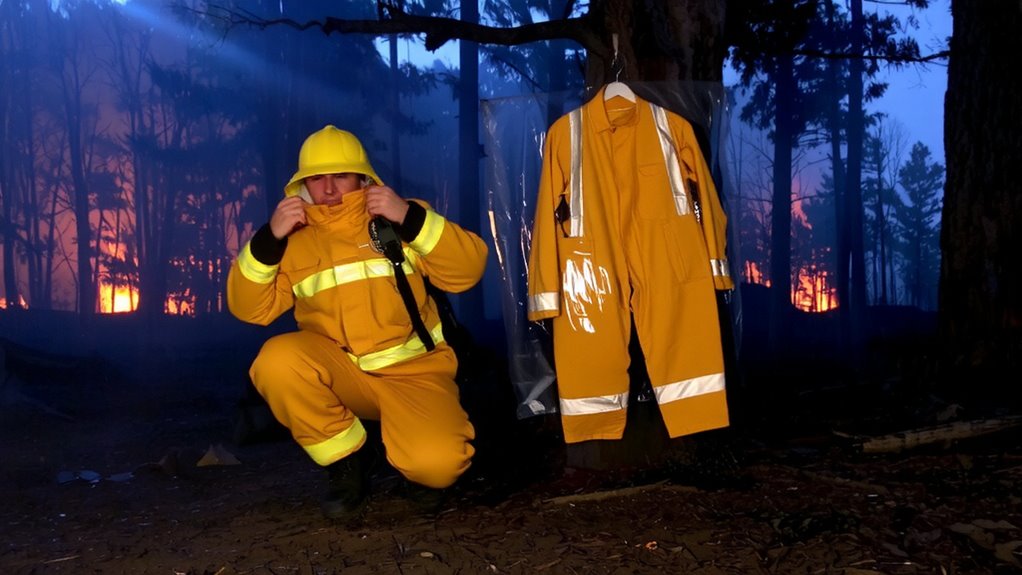
When seconds count, the fabric you wear can mean the difference between a close call and serious injury. Not all materials offer the same protection under extreme heat or flame. You need fire-resistant fabrics that balance material durability, breathability, and resistance to chemical exposure. Natural fibers like untreated cotton fail quickly, while synthetic options vary. The best choices are engineered for passive safety.
| Fabric Type | Protection Traits |
|---|---|
| Nomex | High heat resistance, good material durability |
| Kevlar | Excellent strength, resists chemical exposure |
| Modacrylic | Affordable, flame-retardant, moderate durability |
| PBI | Top-tier thermal protection, resists degradation |
Each has trade-offs in weight, cost, and flexibility. Nomex and PBI perform well in prolonged emergencies. Kevlar offers added tear resistance. Modacrylic suits short-term needs. Choose based on your risk profile, not hype.
Pack These Fire-Resistant Items in Your Go-Bag
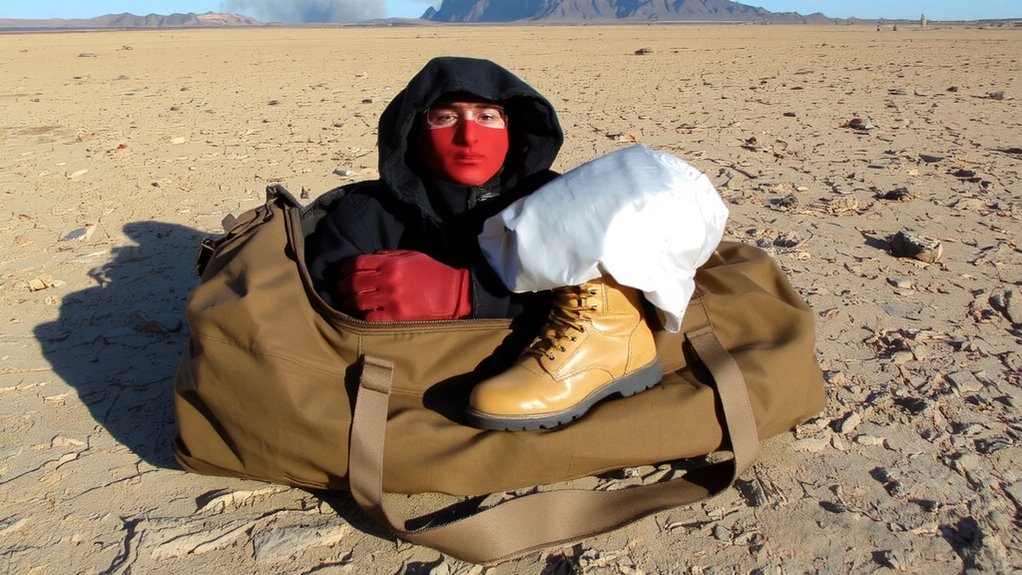
A well-chosen fire-resistant fabric won’t help if it’s still hanging in your closet when disaster strikes. Pack fire-resistant clothing directly into your go-bag: a hooded balaclava, gloves, and a full-cover jacket made from Nomex or FR-treated cotton. These items provide immediate skin protection and stack well with other emergency gear, ensuring gear compatibility without bulk. Look for layers that combine fire resistance with water resistance to stay protected in smoke and rain. A waterproof outer shell won’t compromise fire protection if properly layered. Avoid vinyl or synthetics-they melt under heat. Instead, prioritize certified materials tested to NFPA 2112 or ASTM F1506 standards. Each item should fit compactly, dry fast, and function when wet. Real-world testing shows these fabrics retain integrity after repeated exposure to flame and moisture. Pack them ready to wear-seconds count.
Match Gear to Wildfire, Building Fire, and Collapse Scenarios
Every second counts in fire emergencies, and your gear must match the threat. For wildfires, choose lightweight gear with high heat resistance to withstand radiant heat and embers without adding bulk. These materials protect you during extended evacuations through open terrain. In building fires, prioritize gear with verified structural integrity-tested to resist flame penetration and maintain shape under intense heat. Helmets and gloves rated for structural firefighting offer critical protection where smoke and flashovers are likely. If collapse is a risk, combine heat resistance with impact protection; outer layers should resist abrasion and crushing while allowing dexterity. No single setup fits all scenarios, so assess your environment’s risks first. Wildfires need breathability and coverage, while enclosed fires demand sealed protection and durability. Matching your gear to the likely hazard guarantees it performs when you need it most-without overburdening or under-protecting you.
Layer Fire-Resistant Clothing for Mobility and Safety
You need layers that work together without sacrificing movement or protection, especially since the gear suited for one fire scenario won’t always serve in another. Start with a moisture-wicking base layer to maintain a breathability balance during exertion. Add a mid-layer made of lightweight, fire-resistant material that provides thermal insulation without trapping heat. Your outer shell should be rugged yet flexible, allowing full range of motion while blocking embers and radiant heat. Test each layer’s flexibility under stress-tight seams or stiff fabrics hinder escape speed. Multiple thin layers offer better adaptability than one heavy suit, letting you adjust to changing conditions. Avoid over-layering; too much insulation reduces breathability balance and increases fatigue. Real-world movement tests show that integrated layering systems improve dexterity and endurance. Choose materials like Nomex or modacrylic blends for consistent performance across heat exposure and physical demand. Prioritize fit, flame resistance, and mobility-not just protection on paper.
Inspect and Maintain Fire-Resistant Clothing Regularly
Since fire-resistant clothing degrades with use and exposure, you need to inspect it regularly or risk compromised protection when it matters most. Check for burns, tears, or frayed seams that weaken fabric integrity-damage as small as a quarter-inch puncture can reduce effectiveness. Follow manufacturer-recommended cleaning routines; dirt, oils, and contaminants can impair fire resistance. Avoid chlorine bleach and fabric softeners, which degrade protective fibers. Wash in cold water and air-dry or tumble dry on low to preserve material performance. Store items in a cool, dry place away from direct sunlight and moisture-poor storage conditions accelerate material breakdown. Hang garments instead of folding to prevent creases that stress fibers. Inspect after every use and at least monthly during high-risk seasons. Proper cleaning routines and storage conditions extend service life and maintain baseline protection without overstating durability.
Practice Evacuations With Fireproof Clothing
Getting familiar with your fire-resistant clothing under controlled conditions beats figuring it out during an actual emergency. You should conduct wildfire drills at least twice a year, wearing the same fireproof gear you plan to use. This helps you assess mobility, comfort, and visibility while moving quickly. Test your escape routes on foot and in vehicle scenarios, timing each evacuation to identify delays. Fireproof clothing adds weight and restricts movement slightly-knowing how it affects your speed is essential. Guarantee all household members practice too, adjusting plans based on performance. Some materials resist heat well but reduce dexterity, so choose gear that balances protection with practicality. Include breathing protection in drills, as smoke inhalation is a real threat. Practicing ensures your response is fast and effective, not panicked. Real-world functionality matters more than specs on paper.
On a final note
You need fire-retard combustible garments in your bug-out plan because it cuts burn risk in fast-moving fires. Not all fabrics work the same-look for certified materials like Nomex or Modacrylic that resist ignition. Layering lets you move quickly while staying protected. Test gear during practice evacuations to guarantee fit and function. Replace items with wear or damaged seams. Real-world use shows these clothes last longer when stored dry and away from UV.