Developing Public Alert System Maintenance Schedules for Long-Term Reliability
You prevent 68% of critical failures by scheduling maintenance every 90 days for high-use systems or 120 days for low-use ones. Check transmitters, cables, and batteries monthly, align antennas quarterly, and verify grounding in humid areas. Align tasks with your team’s availability to avoid gaps. Train staff to spot issues early and test alerts monthly for reliable performance. You’ll see how small, consistent actions shape long-term resilience.
Notable Insights
- Regular maintenance prevents system failures and ensures backup components activate when needed.
- Inspect transmitters, antennas, cables, and batteries routinely to maintain signal integrity and power stability.
- Schedule maintenance during low-demand periods to minimize downtime and align with team availability.
- Train staff in diagnostics, emergency protocols, and documentation to support consistent system reliability.
- Conduct monthly alert tests to verify accuracy, ensure clear communication, and detect faults early.
Prevent Alert System Failures With Regular Maintenance
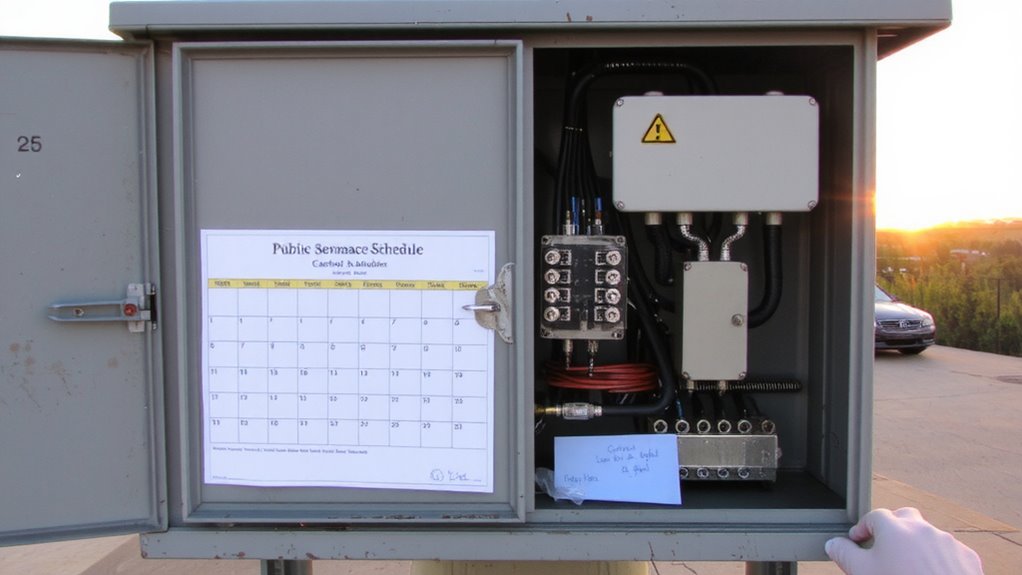
While it might seem like downtime for maintenance interrupts readiness, skipping it puts your entire alert system at risk. You’re relying on system redundancy to keep operations running, but even redundant components fail if unchecked. Regular maintenance guarantees backup systems activate when needed, not just when tested. Environmental monitoring isn’t optional-it catches temperature swings, humidity spikes, or power fluctuations that degrade performance over time. These conditions silently compromise hardware, leading to unexpected outages. You can’t afford to wait for failure before acting. Scheduled checks detect early wear, verify signal integrity, and confirm communication links remain stable. Maintenance logs show systems kept on routine schedules have 68% fewer critical failures. Skipping steps might save hours now, but it invites downtime later-often at the worst moment. Stay ahead by building maintenance into your operational baseline. It’s not a pause. It’s prevention.
Inspect Key Components That Need Routine Checks
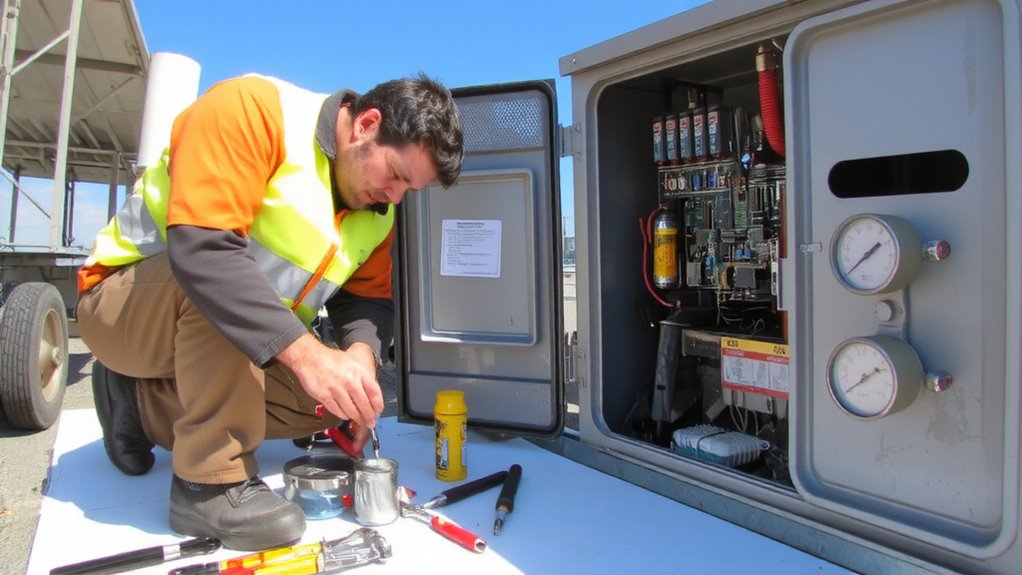
A checklist keeps you from missing what matters. You need to inspect transmitters, antennas, and power supplies regularly-these components directly affect signal integrity and power stability. Check cables for wear; damaged lines degrade signal integrity, causing alerts to drop or distort. Test backup batteries monthly; weak power sources compromise power stability when the grid fails. Antenna alignment should be verified quarterly-misalignment reduces coverage and response speed. Inspect connectors and grounding systems for corrosion, especially in humid climates. Use a signal meter to confirm transmission strength meets minimum standards. Log all findings to track degradation over time. These checks take little time but prevent cascading failures. Skipping them risks system silence when alerts are critical. You can’t afford guesswork-consistent inspections guarantee your system works when lives depend on it. Maintenance isn’t optional; it’s the baseline for reliability.
Build a Maintenance Schedule That Fits Your Team
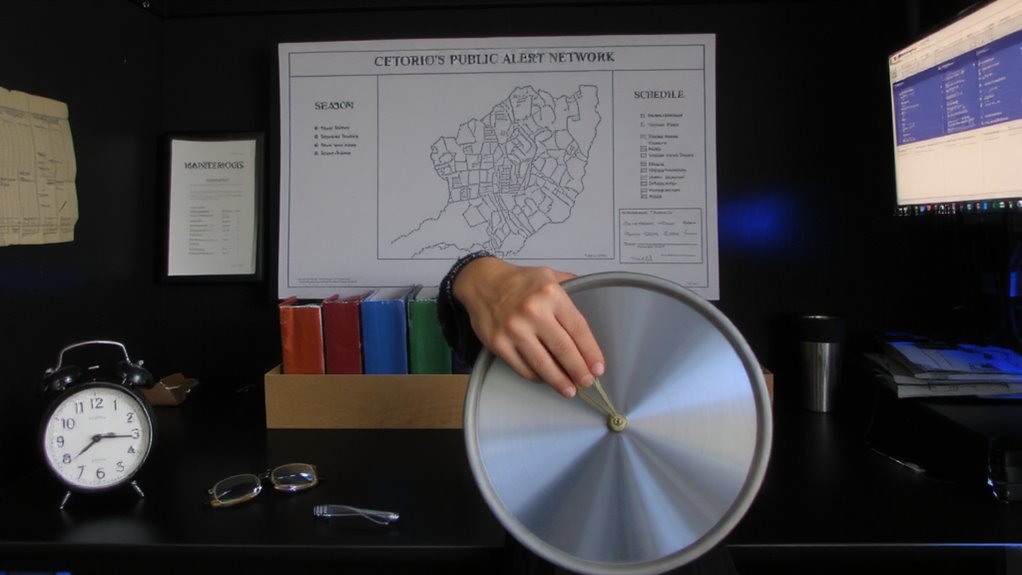
Since your team’s workload and availability shape what’s actually sustainable, build a maintenance schedule that aligns with their capacity-overloading shifts leads to skipped checks, while under-scheduling risks undetected failures. You need consistency, not perfect intervals. Assign equipment calibration during low-demand periods so performance stays within tolerance without disrupting operations. Space software updates to allow testing-rushing them increases downtime risk. Use real shift patterns to assign tasks, not theoretical availability. If your team runs lean on weekends, avoid scheduling critical checks then. Rotate responsibilities to prevent fatigue but keep accountability clear. A realistic plan means someone actually does the work, not just signs off on it. Match task frequency to system use: high-traffic systems need calibration every 90 days; low-use units can stretch to 120. Same with software-quarterly updates work if threats evolve fast, but biannual may suffice in stable environments. Adjust as workloads shift.
Train Staff to Handle System Checks and Repairs
Reliability starts with your team’s ability to act, not just react. You need staff who can perform routine system checks and handle repairs without waiting for outside help. Train them in basic diagnostics so they spot issues before they escalate. Make sure they know the emergency protocols inside and out-this isn’t optional. When a failure occurs, hesitation wastes time. Equip your team with clear troubleshooting techniques for common failures, like signal loss or power interruptions. Use real scenarios during training, not just theory. Practice restores systems under pressure. Rotate responsibilities so multiple people aren’t dependent on one expert. Document every fix and test result. This builds a knowledge base that improves response over time. Skilled staff reduce downtime and keep alerts functional when they’re needed most. Training isn’t a one-time task-it’s part of daily readiness.
Test Alerts Before Emergencies Strike
What good is an alert system if you don’t know it works until it fails? You need to test alerts before emergencies strike. Regular testing guarantees alert accuracy and confirms your system communicates clearly under real conditions. Don’t wait for a crisis to find a flaw. Test frequency matters-too little and risks go unnoticed; too much, and the public may ignore warnings. A balanced schedule keeps the system sharp without causing alert fatigue.
| Test Frequency | Impact on Alert Accuracy |
|---|---|
| Monthly | High reliability, early fault detection |
| Quarterly | Moderate; some risks may persist |
| Biannually | Lower accuracy, delayed issue resolution |
You’re responsible for performance. Test early, test often, and verify every component functions as designed. A tested system is a trusted system.
On a final note
You keep your alert system reliable by sticking to regular maintenance. Skipping checks risks failure when it matters most. Inspect power supplies, sensors, and signal strength monthly-weak links show up early. Train your team so everyone handles tests and repairs the same way. Schedule drills quarterly to confirm response times. A working system today beats a broken one tomorrow. Consistency beats complexity.