How to Identify and Avoid Poisonous Hellebore When Foraging Early Greens
You can spot poison hellebore by its deeply split, palmate leaves with 7–9 rigid, sharply toothed segments and a leathery texture. It grows in shaded, lime-rich soils near old gardens or woodlands, often before edible greens appear. Unlike tender edible plants, hellebore feels stiff and lacks a strong scent when crushed. If ingested, it causes severe gastrointestinal and cardiac symptoms fast-act quickly. Knowing these traits could save your life. There’s more to watch for in similar-looking species.
Notable Insights
- Hellebore leaves are deeply divided into 7–9 rigid, sharply toothed segments with a leathery, dark green texture.
- Look for palmate leaves on long petioles, spreading like fingers from a central point, typical of hellebore.
- Avoid plants in shaded woodlands or near old gardens with cup-shaped, drooping flowers in spring.
- Distinguish from edibles by texture-hellebore is stiff and leathery, unlike soft dandelion or chickweed.
- Never rely on flowers alone; identify by leaf structure early, as blooms appear after leaf growth.
Why Poisonous Hellebore Is a Foraging Hazard
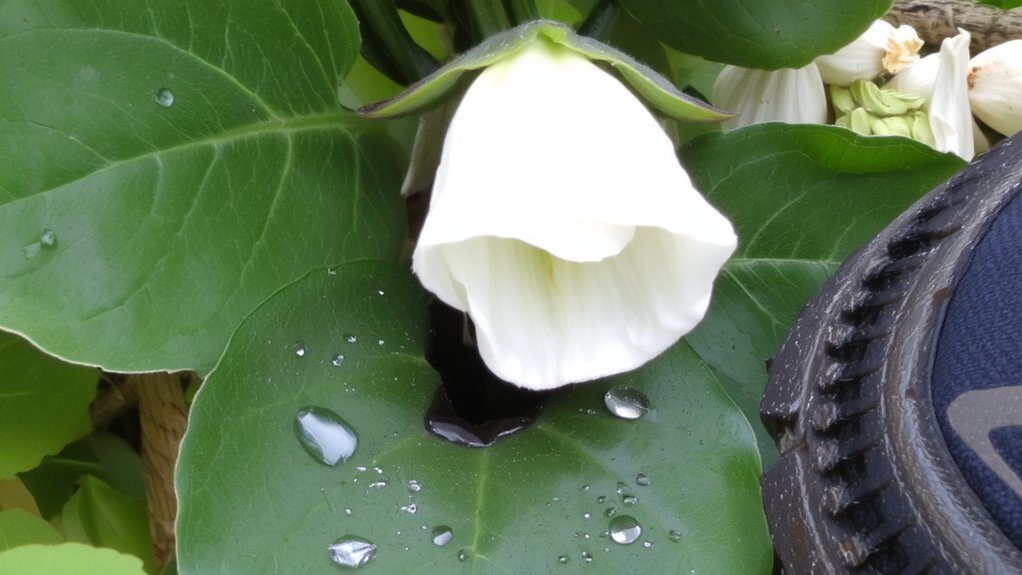
While foraging can yield nutritious wild edibles, mistaking poisonous hellebore for safe greens is a serious risk because all parts of the plant contain toxic compounds like protoanemonin. You might ingest it accidentally due to toxic confusion with edible plants like spinach or dock, especially in early spring when growth is sparse. Symptoms-nausea, vomiting, dizziness-can appear quickly and become severe. Historical misuse spans centuries, with recorded cases of illness from mistaking hellebore for medicinal or edible herbs. This isn’t speculation; documented poisonings confirm the danger. You can’t neutralize the toxins through cooking, so misidentification has real consequences. Unlike risky trial and error, informed caution prevents harm. Relying on clear markers over assumptions reduces risk. When uncertain, you’re better off leaving it. Your safety depends on precision, not guesswork.
How to Identify Poisonous Hellebore by Leaf and Shape
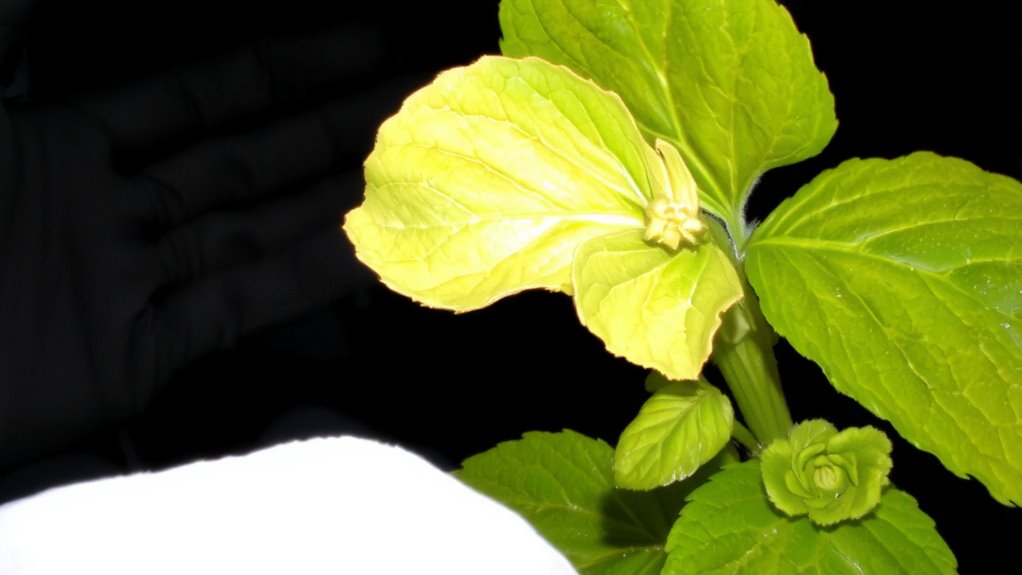
Look for leaves that are deeply divided into 7 to 9 narrow, sharply toothed segments-poisonous hellebore’s foliage is palmate, meaning it spreads out like fingers from a central point, and often has a leathery texture with a dull, dark green surface. The leaf patterns are consistent across mature plants, with each leaf attached to the stem via a long petiole. You’ll notice a clear plant symmetry: leaves and stems emerge in opposing pairs, creating a balanced silhouette. This bilateral arrangement helps distinguish it from irregularly growing plants. Leaf segments are rigid, not floppy, and the edges stay sharply serrated, not gently wavy. You can’t rely on flower presence, since hellebore often leafs out before blooming. Focus on these structural traits-they’re reliable when other features aren’t visible. Getting the shape right matters, because mistaking it early in the season risks serious poisoning. Know the form, trust the pattern, and skip any plant that matches this profile.
Hellebore vs. Edible Greens: Spot the Differences
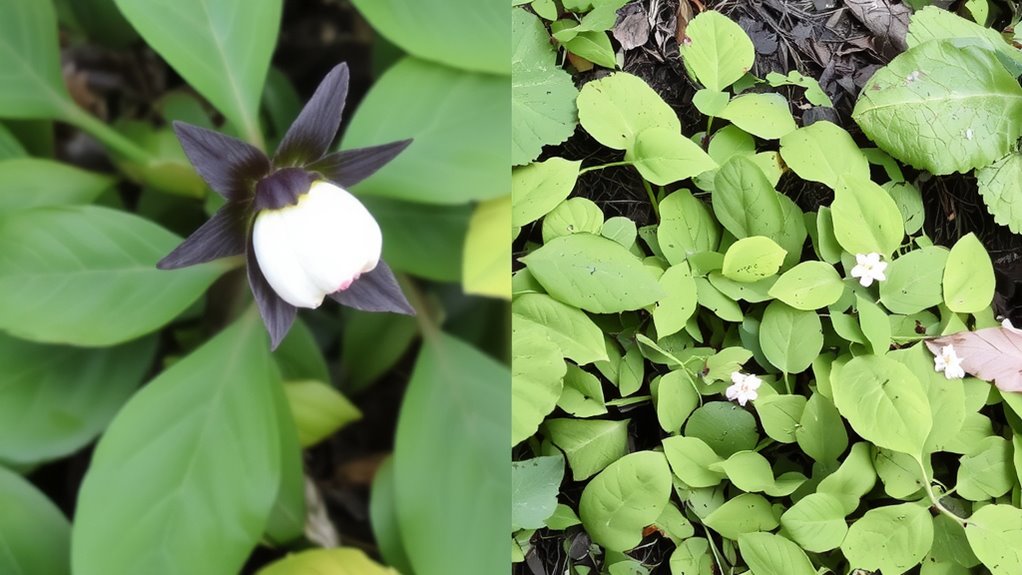
You’ve learned how to spot poisonous hellebore by its distinctive leaf structure and symmetrical growth pattern, but knowing what it looks like isn’t enough-you also need to tell it apart from common edible greens that might grow nearby. Hellebore leaves feel thick and leathery-compare that to the softer, more delicate leaf texture of young dandelion or chickweed. When crushed, hellebore doesn’t emit a strong scent, while edible plants often show clear smell differentiation: garlic mustard smells sharp, ground ivy minty. Don’t rely on color alone; focus on tactile and sensory checks. Misidentification risks are high in early spring when growth overlaps. Touch the leaves, crush a small piece, smell it. These simple steps reduce error. Edible greens typically have looser rosettes and less rigid veining. Confirm multiple traits before picking. One mistake isn’t worth the risk-use texture and smell as your field test.
Where and When Poisonous Hellebore Grows
Where does hellebore tend to turn up, and when should you be on high alert? You’ll find it in early spring, often between February and April, depending on your region. It thrives in shaded woodlands, hedgerows, and near old foundations or gardens. Its soil preference leans toward rich, moist, well-drained ground, often with high lime content. That means it’s common in alkaline areas, especially under deciduous trees or along stream banks. You’re most likely to encounter it when foraging for wild greens like ramps or nettles. The plant’s flower color ranges from greenish-white to pink or deep purple, usually drooping and cup-shaped. These blooms appear as leaves are already developed, so don’t rely solely on flowers for ID. Early growth can mimic edible plants, so verify habitat and soil preference alongside physical traits. Knowing where and when it grows cuts your risk dramatically.
If You Eat Hellebore: Symptoms and What to Do
A single bite of hellebore can trigger a cascade of toxic effects, so it’s critical to recognize the symptoms fast. You’ll likely feel a burning sensation in your mouth, followed by stomach cramps, vomiting, and diarrhea. In more serious cases, you might experience dizziness, low blood pressure, or even irregular heartbeat. These toxic effects come on quickly, usually within 30 minutes. If you suspect you’ve eaten hellebore, don’t wait. Call a poison control center or seek medical help immediately-this is not something to tough out. An emergency response is necessary, even if symptoms seem mild at first. Do not induce vomiting unless instructed. Stay hydrated and monitor your condition closely. Prompt action limits harm. Your best defense is fast, informed treatment-don’t delay.
5 Foraging Rules to Avoid Poisonous Plants
Eating the wrong plant can land you in serious trouble, and hellebore is just one example of how quickly things can go wrong. Always positively identify a plant before consuming it-use a reliable field guide or app, and when in doubt, skip it. Wear safety gear like gloves and long sleeves to avoid skin contact with toxins. Some plants absorb harmful compounds from contaminated soil, so avoid foraging near roads or industrial areas. Check local legal restrictions-many parks ban harvesting to protect ecosystems or public safety. Know the rules before you go. Don’t rely on taste or folklore to judge edibility. Stick to common, well-documented species like dandelion or chickweed until you gain experience. Even edible plants can cause reactions in some people, so test small amounts first. Foraging requires caution, preparation, and respect for nature’s risks.
On a final note
You can avoid hellebore by checking leaf shape and growth zone. Its lobed, glossy leaves emerge early but differ from edible greens like ramps or chickweed. Hellebore grows in shaded, wooded areas, often in USDA zones 4–8. If ingested, it causes nausea and dizziness-seek medical help immediately. Stick to positive ID, avoid unfamiliar plants, forage in clean areas, use trusted guides, and never eat a look-alike. Your safety depends on caution and knowledge.