Creating an Evacuation Timeline: What to Do 72, 24, and 1 Hour Before Leaving
At 72 hours, pack your go-bag with water, food, meds, and documents; keep it under 20 pounds for easy carry. Confirm primary and alternate evacuation routes, then test them at the same time of day you’d likely leave. With 24 hours left, verify evacuation orders through official sources and secure your home-lock windows, unplug appliances, and check storm shutters. One hour before leaving, grab your bag, shut off gas, electricity, and water using manual valves, and exit on your pre-mapped route to avoid delays. More details follow on fine-tuning each step for reliability.
Notable Insights
- 72 hours before: Pack a go-bag with water, food, meds, flashlight, batteries, first aid, and important documents; keep weight under 20 pounds.
- 72 hours before: Confirm primary and alternate evacuation routes using updated maps and practice them at the expected departure time.
- 24 hours before: Monitor emergency broadcasts every 30 minutes and verify evacuation orders apply to your zone via official sources.
- 24 hours before: Secure your home by closing windows, locking doors, unplugging appliances, and fastening outdoor items to prevent debris.
- 60 minutes before: Shut off utilities at main lines using manual cutoffs, grab your go-bag, and exit via your pre-mapped evacuation route.
Your 72-Hour Evacuation Prep: Pack Your Go-Bag and Finalize Your Route
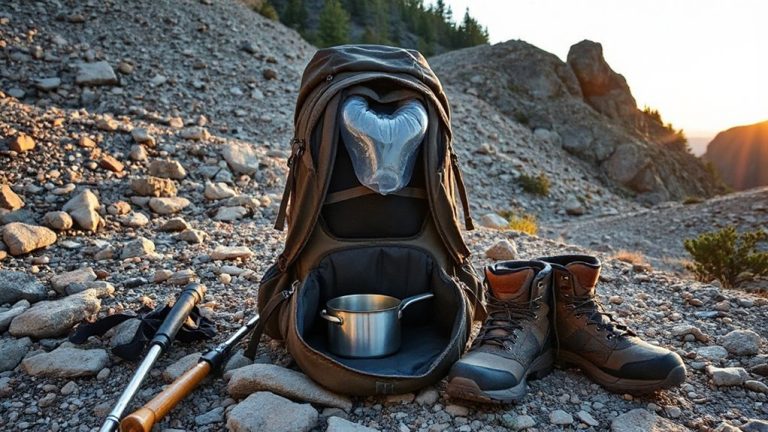
Three days before an evacuation, you’ve got time to pack smart and plan your exit-don’t waste it. Grab your go-bag and load it with essential emergency supplies: water (one gallon per person per day), non-perishable food, medications, flashlight, batteries, and first aid kit. Check expiration dates; replace anything outdated. Include copies of IDs and cash in small bills. Weigh your bag-it should be under 20 pounds for mobility. Confirm your evacuation route and alternate paths using updated maps; traffic patterns shift. Practice the route once, ideally during the same time of day you’d likely leave. Review past evacuation drills: note what slowed you down or what gear failed. Did your flashlight last 12 hours like it claims? Did the water purification tabs work in cold water? Adjust accordingly. A go-bag isn’t a one-time pack. Test it, use it, fix gaps.
24 Hours Out: Confirm Warnings and Secure Your Home
You’ve packed your go-bag and rehearsed your escape route-now, as the threat draws closer, it’s time to verify the alert and lock down your home. Rely on official sources for storm monitoring; don’t assume the risk level. Check emergency broadcasts every 30 minutes. Confirm evacuation orders apply to your zone. Then shift focus to property securing: close and lock windows, doors, and storm shutters. Unplug appliances to reduce fire risk. A reliable NOAA weather radio ensures continuous access to official alerts even during power outages.
| Task | Purpose | Time Required |
|---|---|---|
| Confirm warning via NOAA | Verifies accurate threat level | 5 min |
| Lock all exterior access | Deters break-ins and weather damage | 10 min |
| Secure outdoor items | Prevents debris hazards | 15 min |
Property securing reduces structural risk. Storm monitoring keeps decisions grounded in facts, not fear.
1 Hour to Go: Grab Your Kit, Cut Utilities, and Leave Safely
Now’s the time to grab your go-bag and check it fast-missing one critical item could mean going without. Your emergency supplies should include water, non-perishable food, meds, and key documents in sealed, accessible containers. Verify everything’s present and functional. Every second counts, so don’t wait. If authorities have ordered evacuation, you’re past planning-you need action. Perform a utility shutdown: turn off gas, electricity, and water at the main lines to reduce hazard risks. Leaving gas on can cause explosions; skipping power shutdown increases fire danger. Use manual cutoffs-don’t rely on automated systems that might fail. Confirm all windows and doors are secured to slow intrusion and weather damage. Then leave immediately using your pre-mapped route. Delays compromise safety. Your preparedness now determines your outcome-act decisively, stick to the checklist, and prioritize exit speed without sacrificing essential steps.
On a final note
You’ve packed your go-bag, confirmed the route, and secured your home. Now, act fast but calm. Grab your kit, shut off gas and power, and lock up. Don’t wait-evacuate early to avoid gridlock. Your prep reduces risk; delays cut response time. Every minute counts, so follow your plan. Safety depends on decisions made now, not later.