Recognizing Signs of Fatigue-Induced Cognitive Decline in Rescuers
You start seeing slowed reactions and slurred speech after 12 hours on duty, clear signs your brain isn’t processing fast enough. Memory lapses and delayed decisions mean situational awareness is degrading, even if you feel alert. Attention drifts, raising error risk, and mood shifts can disrupt team coordination. Microsleeps-just 3–5 seconds-happen without warning. These aren’t glitches; they’re measurable cognitive declines. Track your response times and sleep patterns, because fatigue’s effects compound fast under pressure-spotting them early changes outcomes.
Notable Insights
- Slurred speech and memory lapses in rescuers may signal fatigue-related cognitive impairment.
- Delayed reaction times and decision latency increase significantly after 12 hours of sustained duty.
- Microsleeps lasting 3–5 seconds can occur unpredictably, severely compromising situational awareness.
- Declining working memory and logical reasoning impair critical judgment, even when rescuers feel alert.
- Mood shifts like irritability or apathy, along with reduced coordination, may indicate growing cognitive fatigue.
Why Rescuer Fatigue Impairs Critical Thinking

While long shifts might seem manageable at first, they quickly erode your ability to process information clearly, and that’s where critical thinking starts to fail. You’re not just tired-you’re dealing with cognitive overload, where your brain can’t sort or prioritize new input efficiently. This leads to mental slowing, making even simple decisions take longer and increasing the chance of errors. Tasks that once felt automatic now require extra effort, reducing your situational awareness. In high-stakes rescues, delays caused by slowed processing can impact outcomes directly. Your judgment becomes less reliable, not because of lack of skill, but because fatigue disrupts neural efficiency. Monitoring response times and decision accuracy during shifts shows measurable declines after 12 hours. These aren’t signs of weakness-they’re predictable effects of sustained stress on cognitive function. Recognition is the first step to mitigation.
Slurred Speech, Memory Lapses, and 3 Other Fatigue Red Flags
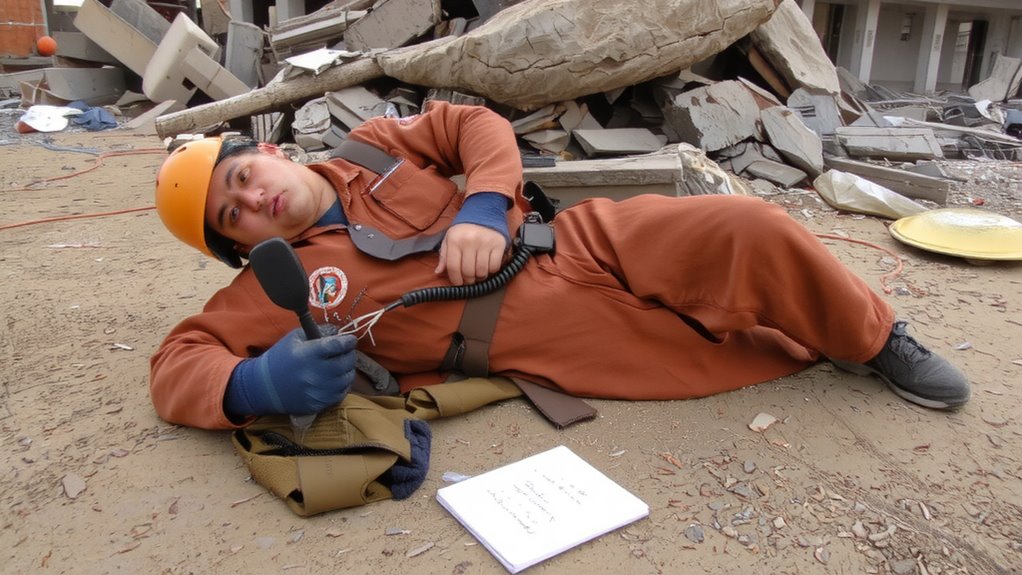
Slurred speech, memory lapses, delayed reactions, reduced coordination, and mood shifts are five clear signs your brain is running on empty. You might stumble over words or forget simple instructions-both signal fatigue is impairing cognitive function. Delayed reactions slow your response time, which can be critical during rescue operations. Impaired coordination affects fine and gross motor skills, increasing error risk when handling equipment. Reduced vigilance means you’re more likely to miss subtle dangers in your environment. These aren’t minor slips-they reflect declining mental performance. Memory lapses, like forgetting assigned tasks or recent communications, further compromise team safety. Mood shifts, such as irritability or apathy, often accompany cognitive fatigue and disrupt team dynamics. Recognizing these red flags early helps you step back before performance fails. Monitoring yourself and teammates for these signs supports safer, more effective operations under prolonged stress.
How Sleep Loss Degrades Emergency Decisions
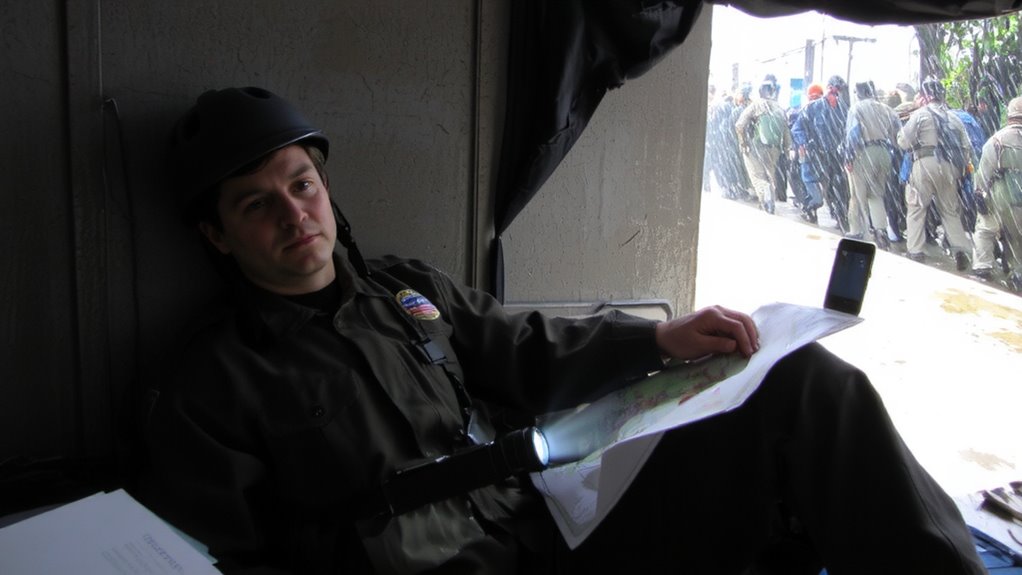
You’re making tough calls under pressure, but each hour without sleep chips away at your judgment. Decision latency increases noticeably after 18 hours awake, slowing your response time by up to 50%. That delay could mean missing a critical window during rescue ops. Attention lapses become more frequent, with studies showing microsleeps lasting 3–5 seconds appearing unpredictably. At 60 mph, that’s like driving blindfolded for 88 yards. Complex scenarios suffer most-you’re more likely to overlook key details or misprioritize actions. Even if you feel alert, cognitive performance drops steadily, especially in working memory and logical reasoning. Simple tasks may still get done, but layered decisions degrade. There’s no workaround: sleep loss impairs decision quality in measurable ways. Relying on willpower won’t compensate. Recognizing your own decline is often the first sign it’s already underway.
How Fatigue Causes Near-Misses and Team Errors
When fatigue sets in, your ability to catch small errors before they escalate starts to erode, and near-misses become more common. You’re slower to spot hazards, and your attention drifts, increasing the risk of missteps that could lead to serious incidents. A delayed response, even by seconds, can disrupt timing in critical tasks, like securing a load or signaling danger. Team coordination suffers as fatigue weakens focus, often resulting in communication breakdown-you might miss a radio message or give unclear instructions. Others may not notice your lapse, and you might overlook theirs, compounding the risk. These errors don’t always cause immediate harm, but they create chains of vulnerability. Over time, repeated near-misses reveal cognitive decline, not incompetence. Recognizing these patterns early helps prevent failures when stakes are highest. Simple awareness won’t fix it, but it’s a measurable starting point in managing risk.
How Teams Can Track and Reduce Mental Fatigue
Fatigue shows up in patterns you can measure before performance drops to dangerous levels. You can track mental fatigue using daily cognitive assessments, reaction time tests, and mood logs-simple tools that reveal declines over shifts. Teams that monitor sleep duration and self-reported energy levels see early warning signs. Implementing workload rotation reduces prolonged exposure to high-stress tasks, helping maintain alertness. Rotating roles every 6–8 hours keeps decision-making sharper and minimizes cognitive overload. Mindfulness training, practiced for 10 minutes daily, improves focus and emotional regulation under pressure. Rescuers using it report better sleep and reduced anxiety-measurable benefits over time. Pairing mindfulness with structured rest breaks increases effectiveness. No single fix eliminates mental fatigue, but combining tracking methods with workload rotation and mindfulness training delivers consistent, measurable results in real-world conditions. Use both data and routine adjustments.
On a final note
You’ll miss critical cues when fatigued, even if you feel alert. Slurred speech, delayed reactions, and memory lapses degrade decision speed and accuracy. Teams that track sleep and rotate shifts see fewer errors. Monitoring mental fatigue isn’t optional-it’s operational necessity. Simple logs and check-ins cut risk. Performance drops are measurable after 12-hour shifts. Real-world results show rested teams resolve incidents faster and with fewer near-misses. Prepare by planning recovery, not just response.