Evaluating the Risk of Roof Damage From Hailstorms
You’re at risk when hail hits, especially with 1-inch stones that dent fiberglass shingles or softer materials. Larger 1.5-inch hail can damage even impact-resistant roofs, particularly if storms strike repeatedly. Wood shakes split, older asphalt wears thin, and tile may crack under heavy impact. Check for dents, granule loss, or soft spots after a storm-but don’t climb up right away. Hidden damage like attic stains or compressed insulation often reveals more than surface checks. Knowing what to look for helps you decide if a pro inspection is worth it.
Notable Insights
- Hail larger than 1 inch can damage most roofs, with 1.5-inch or larger hail posing significant risk even to impact-resistant materials.
- Fiberglass and 3-tab asphalt shingles are highly vulnerable to hail, especially without Class G impact resistance ratings.
- Post-hail inspections should start from the ground using binoculars to check for dents, missing shingles, or gutter granule buildup.
- Hidden damage signs include dark attic stains, compressed insulation, and soft roof deck spots indicating underlying structural compromise.
- Professional inspections and documented evidence are critical for insurance claims, as poor documentation often leads to claim denials.
How Hail Size Affects Hail Damage Risk
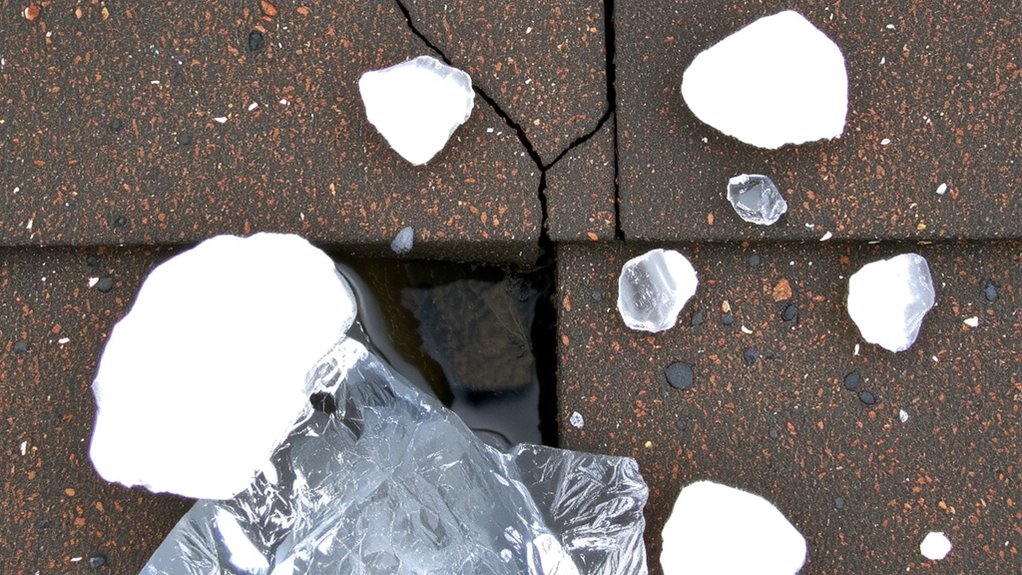
A hailstone just 1 inch in diameter-about the size of a quarter-can dent weaker roofing materials on impact, and if you’re evaluating risk, that’s where the trouble starts. You’ll face higher damage potential when hail density increases, since closely packed ice delivers repeated strikes in one area. Larger hail, say 1.5 inches or more, dramatically raises the threat, even for impact-resistant designs. Your local storm frequency matters just as much-areas with multiple hail events per year stack the odds against long-term roof survival. Even moderate-sized hail, when frequent, wears down materials over time. You can’t control the weather, but you should account for both hail density and storm frequency when determining exposure. A region with infrequent, small hail poses less risk than one with dense, recurring storms. Match your material choice to these patterns. Relying on specs alone won’t protect your roof-it’s real-world conditions that test performance.
Which Roofing Materials Are Most Vulnerable to Hail
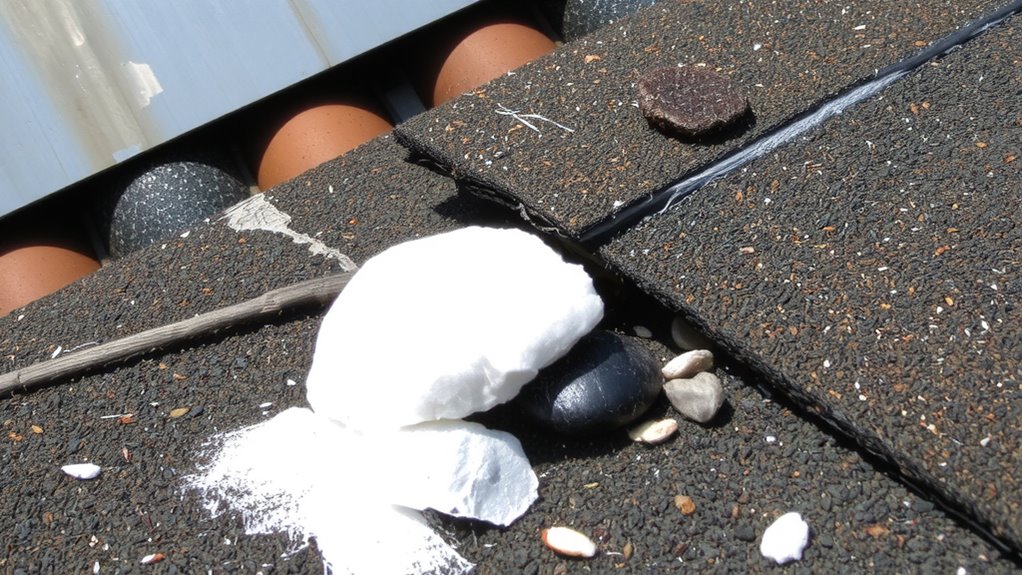
Fiberglass shingles top the list when it comes to hail vulnerability, especially those without impact-resistant ratings. You’ll find they crack or bruise more easily under hail impact, particularly when winds drive hail at higher speeds. Impact resistance matters here-Class G shingles withstand larger hail than Class D, but most standard fiberglass shingles aren’t rated that high. Wood shakes are also prone to splitting and checking after hail strikes, compromising material durability over time. Older asphalt shingles, especially 3-tab types, offer minimal protection and wear down faster when hit. Metal roofs fare better, but thin gauges dent. Tile roofs resist dents but can fracture on direct impact. Your best bet? Look for products with UL 2218 Class 4 ratings. They’ve passed rigorous testing and deliver stronger material durability. Choosing high impact resistance now saves you repair costs later.
How to Inspect Your Roof After Hail
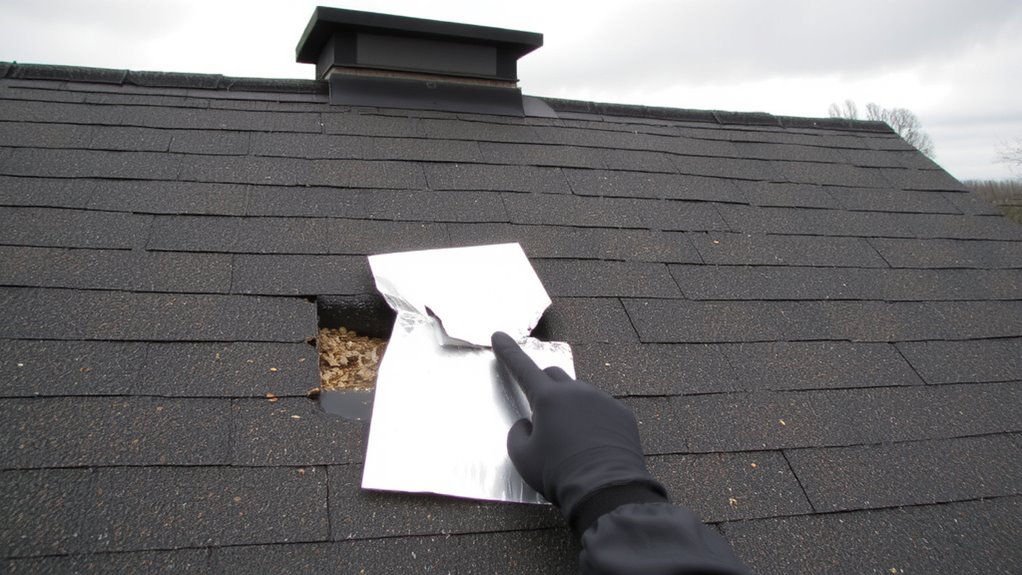
How soon should you inspect your roof after a hailstorm? As soon as storm timing allows and conditions are safe. Waiting too long can delay repairs and compromise roof safety. Start with a ground-level check using binoculars to spot obvious dents or missing shingles. Avoid climbing up immediately-wet or damaged roofs increase fall risks. If you do go up, use proper fall protection and have someone nearby. Focus on high-impact areas like ridges, eaves, and vents. Hail often leaves subtle marks, so look closely at metal flashing and gutters too. Document findings with dated photos for insurance. Early, careful inspection reduces long-term damage risk. You don’t need special tools-just clear eyes and caution. Prioritize safety over speed. If you’re unsure, hire a certified roofing contractor. They’ll assess damage accurately without guesswork.
6 Hidden Signs of Hail Damage on Your Roof
What does hail damage look like when it’s not obvious? You might miss dents or bruising on shingles, but other clues exist. Check your attic insulation-dark spots or dampness suggest leaks from compromised roofing. Poor attic ventilation issues can worsen damage by trapping moisture, accelerating wear. Look for dislodged granules in gutters, soft spots on the roof deck, or unexplained drafts indoors. These hint at structural compromise even if the surface looks intact.
| Sign | Location | Indicates |
|---|---|---|
| Dark attic stains | Along roof decking | Moisture intrusion |
| Compressed insulation | Near vents | Impact damage above |
| Warm spots in winter | Ceiling areas | Ventilation issues affecting attic insulation performance |
These signs don’t always mean failure, but they reduce your roof’s lifespan. Ignoring them risks higher repair costs later.
When to Call a Professional Roofing Inspector
You’ve checked your attic, spotted dark stains, and noticed granules piling up in the gutters-those signs mean something’s off, even if the roof seems intact from the ground. That’s when you need a professional roof assessment. A trained inspector can spot subtle hail damage that untrained eyes miss, like bruised shingles or compromised underlayment. They’ll evaluate the extent of impact, check for leaks, and determine if repairs are urgent. Don’t wait-early detection prevents bigger problems. A detailed inspection also supports storm documentation, which is critical for future claims. Qualified inspectors provide written reports with photos and notes, making it easier to track issues over time. You don’t need an inspector for every storm, but when signs add up, their assessment gives you clear, actionable facts. Skip the guesswork. A pro inspection is a reliable step when visibility, age, or storm severity raise concerns.
How Hail Damage Affects Your Insurance Claim
Why does hail damage matter to your insurer? Because it increases the likelihood of future claims, affecting their risk assessment. When you file a hail damage claim, your insurer reviews severity, repair costs, and frequency of storms in your area. This influences your eligibility for payouts and can lead to claim denial if damage isn’t properly documented. Adjusters look for dents, compromised shingles, or structural weakness-evidence must be clear. A denied claim often results from insufficient proof or pre-existing wear mistaken for storm damage. If approved, your claim may raise insurance premiums, especially after multiple filings. Insurers see patterns. Two hail claims in three years? You’re more likely to be labeled high-risk. Coverage stays, but costs adjust. Know your policy limits and deductibles. Be accurate, not emotional, in your report.
How to Stop Hail Damage From Worsening
While hail may strike fast, the damage it leaves behind can get worse if ignored, so act quickly to prevent further harm. Inspect your roof within days of a storm, as small dents or cracks can let water in and weaken structural integrity. Immediate emergency tarping helps block rain and snow from seeping into compromised areas. It’s a temporary fix, but it stops leaks until permanent repairs begin. Delaying action risks mold growth, insulation damage, and higher repair costs. Schedule preventive maintenance twice a year to spot wear before storms hit. Check shingles, seals, and flashing for signs of aging or impact. Early detection improves longevity. Use impact-resistant materials for replacements where possible. Don’t rely on visual checks alone-consider professional assessments after severe hail. Combining prompt tarping with regular maintenance reduces risk more effectively than reactive fixes alone.
On a final note
You can’t stop hail, but you can reduce its impact. Metal and concrete roofs handle strikes better than asphalt shingles. Check for dents, bruising, or granule loss after storms. Small hail may not need repairs; larger than 2 inches raises risk. Damage often hides in flashing or underlayers. Insurance covers proven structural harm, not cosmetic dents. Temporary fixes prevent leaks until pros assess.