How to Assess the Likelihood of Emergency Medical Evacuation
You’re at higher risk for evacuation if you have a chronic condition like diabetes or heart disease, especially where care access is limited. Check local hospital capabilities-many lack ICU beds or specialists. Know if trauma, altitude sickness, or infection risks are high in your area. Confirm your travel insurance covers medevac, as costs can hit six figures. Remote locations or conflict zones reduce evacuation chances. Your location, health, and coverage decide your real risk-and what comes next changes everything.
Notable Insights
- Evaluate personal health risks, especially pre existing conditions requiring consistent care or medication.
- Identify common medical evacuation causes like severe trauma, altitude sickness, or acute cardiac events.
- Assess local hospital capabilities, including ICU availability and emergency specialty care.
- Determine geographic and political accessibility for timely evacuation via air or ground routes.
- Review travel insurance coverage limits, exclusions, and evacuation benefits for remote or high-risk areas.
Assess Your Personal Health Risks

Your health is the first variable in any evacuation scenario, and knowing your limits starts with honest self-assessment. You must account for pre existing conditions that could worsen under stress or limited care. Chronic illnesses like diabetes, heart disease, or respiratory disorders require consistent management-interruptions increase risk. Medication access, monitoring tools, and treatment routines define your operational baseline. If your condition demands refrigeration, electricity, or frequent clinical checks, evacuation complicates survival. Mobility issues, sensory impairments, or reliance on durable medical equipment further constrain options. You’re not preparing for ideal conditions-you’re planning for degraded environments. Realistically assess how long you can function without standard care. Consider weight, space, and power needs for essential devices. Ignoring these factors skews your readiness. Survival isn’t just about gear; it’s about physiological viability. Know your health demands, because in crisis, they dictate your movement, speed, and endurance. Failing to plan is planning to fail.
Know the Top Reasons for Emergency Medical Evacuation

Medical emergencies top the list for emergency evacuations, and knowing which conditions demand rapid extraction can shape your preparedness. You’re most likely to need evacuation due to severe trauma, heart issues, or stroke, but altitude sickness is a frequent trigger if you’re traveling above 8,000 feet, especially without proper acclimatization. Symptoms like confusion, persistent vomiting, or difficulty breathing mean you’ll need immediate descent and medical support. Infectious diseases also rank high-particularly in remote regions-where conditions like severe malaria or bacterial meningitis progress fast and exceed local treatment capacity. These aren’t illnesses you can safely wait out. Rapid diagnosis and evacuation reduce risk of complications or fatality. Don’t assume you’ll adapt or recover on-site. If you’re in a high-risk area for altitude sickness or infectious diseases, having evacuation insurance and emergency contact plans isn’t optional-it’s essential for your safety.
Check Local Hospital Ratings and Capabilities
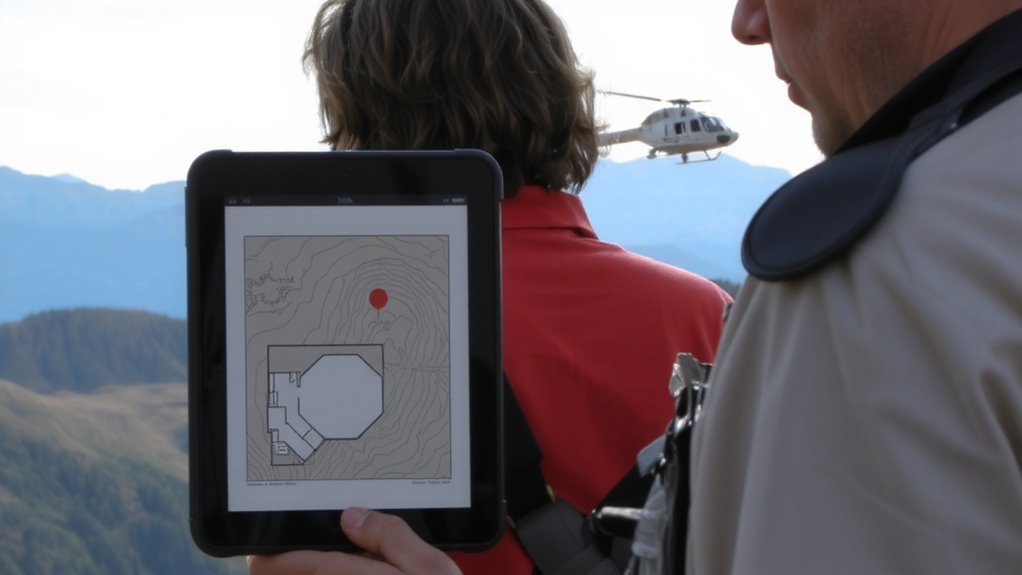
Not every hospital can handle a heart attack, severe injury, or altitude-related emergency, so checking local medical facilities before you travel makes a real difference in crisis outcomes. You need to know if nearby hospitals have ICU beds, ventilators, or specialists-basic services some assume are always available. Treatment quality varies widely, even within the same city. Use online databases like the Joint Commission International or local health ministry reports to check accreditation and patient outcomes. Rural clinics often lack 24/7 emergency care, and public hospitals may be understaffed. Private facilities might offer better equipment but at higher cost. Don’t rely on proximity alone-evaluate capabilities objectively. A close clinic with limited resources won’t help during a serious event. Evaluating medical facilities in advance gives you a realistic view of on-site care and helps you understand when evacuation might eventually be necessary, even if not immediately.
Is Emergency Medical Evacuation Possible Here?
How quickly could you get out if a medical crisis struck here? That depends on geographic accessibility and political stability. In remote regions, landing zones may be limited, and air ambulances could be hours or even days away. Unstable governments may restrict flight corridors or ground evacuation routes, delaying response when minutes count.
| Factor | Impact on Evacuation |
|---|---|
| High geographic accessibility | Faster extraction; multiple route options |
| Low geographic accessibility | Delays; reliance on specialized transport |
| Stable political environment | Predictable coordination with medevac services |
You can’t control these factors, but you can assess them. If you’re in a conflict zone or isolated terrain, evacuation may not be feasible. Plan accordingly.
Review Your Travel Insurance’s Evacuation Coverage
What’s your insurance really covering if you need to get out fast? Not all travel insurance offers true emergency evacuation coverage. You must check the fine print to understand your protection. Look at the coverage limits-some policies cap evacuation benefits at $50,000, while others offer up to $1 million. If you’re in a remote region, costs can exceed lower limits quickly. Also, review policy exclusions carefully. Many plans exclude evacuation for pre-existing conditions, high-risk activities like mountaineering, or travel to restricted regions. These exclusions could leave you stranded. Don’t assume “comprehensive” means full coverage. Verify whether medical stabilization and transport to your home country are included. Choosing a policy without understanding these factors could mean paying out of pocket for a six-figure evacuation. Know your limits and exclusions before you go.
Watch for Evacuation-Level Threats Like War or Quakes
A sudden earthquake or erupting conflict can turn a routine trip into a life-threatening crisis within minutes. You need to monitor for evacuation-level threats like war or major natural disasters. Civil unrest can shut down transport, damage hospitals, and block access to care. Natural disasters like quakes may collapse infrastructure, cutting off medical supplies and response. If you’re in a volatile region, check government travel advisories daily. Use apps with real-time alerts for seismic activity or civil unrest. Hotels or embassies often coordinate evacuations, but only if they’re functional. Don’t wait-once roads or airports close, options shrink fast. Your evacuation insurance won’t matter if you can’t reach a medical facility. Assess local stability before travel. Know the nearest safe zone and evacuation routes. Prepare to move quickly if threats escalate.
On a final note
You can’t control emergencies, but you can reduce risk. Know your health limits, check local medical facilities, and confirm your insurance covers evacuation. High-risk areas demand extra prep-war, quakes, or remote terrain may make evacuation hard or impossible. Weigh coverage specifics: some plans cap payouts or exclude certain conditions. Realistically assess threats and your ability to respond. Being informed beats relying on rescue that might not come.