How to Calculate Your Daily Caloric Needs During a Wilderness Survival Situation
You need about 1,500 calories daily just to sustain basic bodily functions, based on your BMR. Add 300–500 calories if you’re doing moderate work like chopping wood. Cold exposure or high altitude can boost your needs another 300–500 calories due to shivering and reduced oxygen. Total daily needs often range from 1,800 to 2,500, depending on conditions. Choose dense sources like nuts, pemmican, or peanut butter-400 calories in cheese weighs less than the same energy in bread. Underestimating your intake leads to fatigue, poor judgment, and cold sensitivity; real-world tests show even experienced hikers miscalculate, risking energy deficits. Signs like constant chill or weakness mean you’re not eating enough-adjust now, and you’ll avoid bigger problems later.
Notable Insights
- Start with your basal metabolic rate (BMR), typically 1,200–1,800 calories daily, to fuel basic bodily functions at rest.
- Add 300–500 calories per day for moderate physical activities like chopping wood or hiking with a pack.
- Increase intake by 10–20% for cold environments, as shivering and thermogenesis raise energy demands.
- Boost calories by 300–500 daily at high altitudes due to lower oxygen and elevated metabolic rate.
- Prioritize calorie-dense foods like nuts, dried meats, and fats to meet needs efficiently with minimal weight.
Estimate Your Base Survival Calories
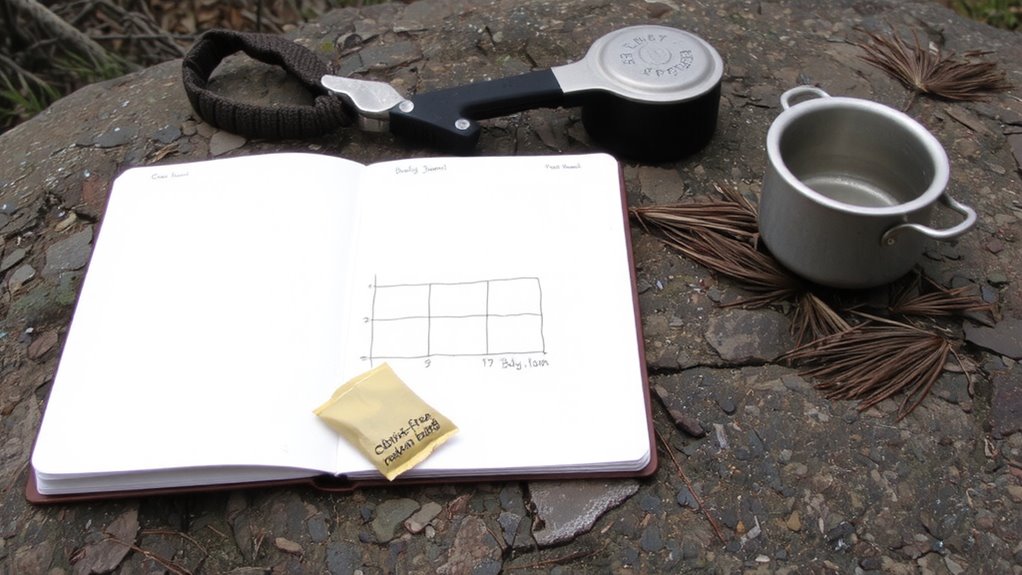
Your starting point is the basal metabolic rate (BMR)-the bare minimum of calories your body burns at complete rest to maintain basic physiological functions like breathing and circulation. This basal metabolism accounts for roughly 60–75% of your daily energy expenditure, even when you’re not moving. In a survival situation, you can’t assume access to food, so estimating this baseline is critical. For most adults, BMR ranges from 1,200 to 1,800 calories per day, depending on age, sex, weight, and muscle mass. Minimal activity-like sitting, slow walking, or light tasks-adds little to this total when food is scarce. You won’t be exercising, so those extra calories aren’t a priority. Focus only on sustaining core functions. Under cold or stress conditions, your BMR may rise slightly, but without food, your body will downregulate metabolism to conserve energy. Accurate BMR estimation keeps your survival calculations realistic and manageable.
Add Calories for Physical Work
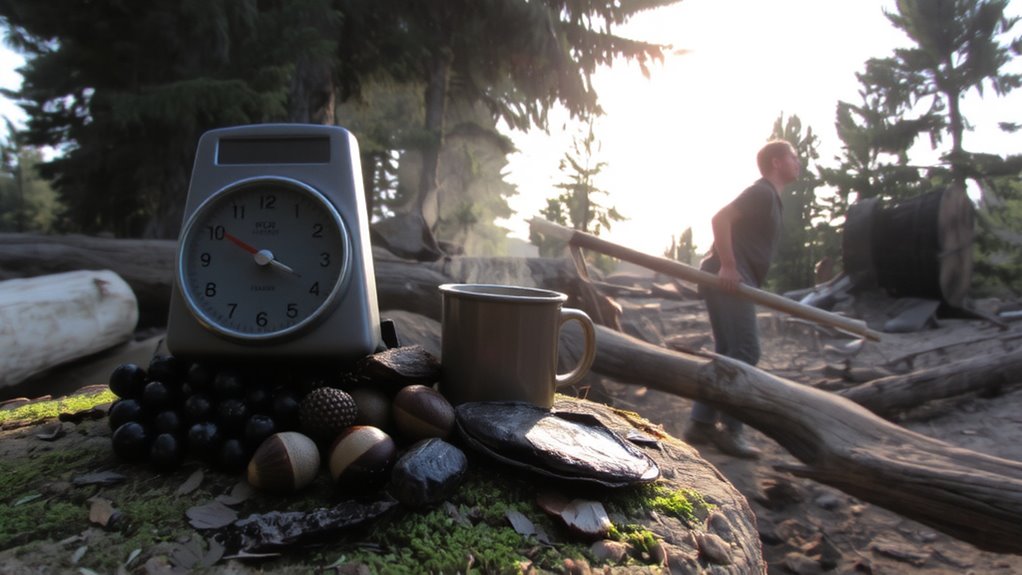
A few hundred extra calories may be needed if physical work becomes unavoidable in a survival scenario-tasks like gathering firewood, building shelter, or carrying water. Your base calories cover basic functions, but any added effort increases energy expenditure. Even moderate labor can raise your daily burn by 300 to 500 calories. You’ll need to make a calorie adjustment to avoid energy deficits that reduce focus and strength. For example, chopping wood for 30 minutes may use 150–200 calories, depending on your size and intensity. Tracking physical output helps estimate this adjustment accurately. Underestimating leads to fatigue; overestimating risks depleting supplies too fast. Balance intake with observable exertion. Realistic planning means accepting that sustained work requires more fuel. Adjust rations accordingly, using measurable activity as your guide, not guesswork. This precision supports endurance and decision-making when both are critical.
Boost for Cold and High Altitude
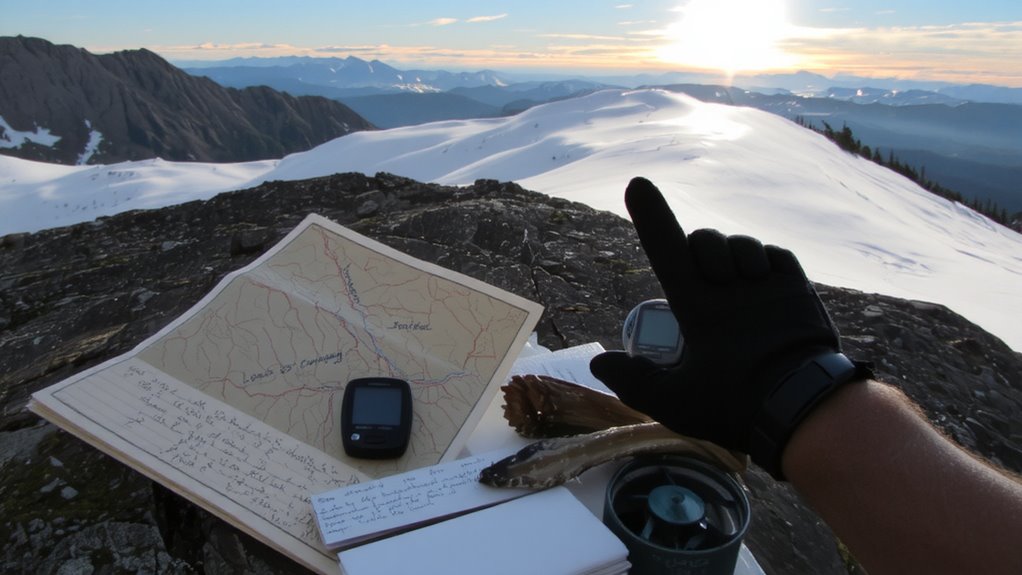
When temperatures drop or you’re above 8,000 feet, you’ll burn more calories just staying warm-cold environments can increase daily needs by 10–20%, and working in them may push that higher. Your body ramps up heat production through the thermogenic effect, burning extra energy to maintain core temperature. At high altitudes, even at rest, your breathing rate increases and oxygen efficiency drops, triggering metabolic adaptation that elevates baseline calorie use. This isn’t temporary-it sustains as long as conditions do. Shivering alone can triple your resting metabolic rate briefly, but chronic cold exposure leads to longer-term shifts in metabolism. Altitude-related dehydration and poor sleep may amplify energy demands. You can’t rely on hunger cues alone; they often lag. Real-world tests show individuals underestimating needs by 300–500 calories daily in cold, high environments. Plan accordingly, or fatigue and impaired judgment will follow.
Build Your Total Daily Need
Though your base metabolic rate gives a starting point, you’ll need to factor in activity, climate, and terrain to get an accurate daily total, since each of these increases demand in measurable ways. If you’re hiking steep slopes or building shelter in freezing weather, your body burns substantially more. Multiply your BMR by an activity factor-1.5 to 2.5, depending on exertion-to reflect this. Cold exposure alone can boost needs by 10–20%. At high altitudes, metabolic adaptation raises oxygen use and calorie demands over time. You won’t need a caloric surplus like in training, but falling short risks energy deficits and reduced function. Aim to match intake with actual output. Underestimating activity level is common and costly. Track symptoms like persistent fatigue or cold intolerance-they signal underfueling. Real survival hinges on precision, not guesswork. Meet your true daily need, and you maintain performance, focus, and resilience when it matters most.
Choose High-Calorie Foods Wisely
Every calorie counts, so pick foods that deliver the most energy for their weight and volume. Your food selection must prioritize calorie density-higher calories per ounce or gram means more energy with less bulk. Nuts, dried meats, and fatty foods like pemmican or peanut butter are smart choices, packing 5–9 calories per gram. Dehydrated meals offer moderate density but add weight when rehydrated. Oils and nut butters outperform carbohydrates in calorie density and satiety. Avoid sugary snacks with quick-burn energy and low nutritional staying power. Weigh each option: 400 calories of cheese takes up less space than 400 calories of bread. In survival, efficient fuel matters more than taste. Choose based on performance, not preference. Smart food selection balances calorie density with shelf life, portability, and minimal prep. For long-term preparedness, consider incorporating best-rated survival food options that meet these high-calorie, lightweight criteria.
Watch for Energy Deficiency Signs
Fatigue, irritability, and declining focus aren’t just discomforts-they’re warning signs you’re burning more energy than you’re replacing. You need to monitor your fatigue levels closely; consistent exhaustion means your caloric intake isn’t matching output. When mental clarity starts slipping, decision-making suffers-this isn’t just inconvenient, it’s dangerous in survival scenarios. Your body requires fuel to maintain core functions and physical activity, especially under stress. If you’re not replacing at least 2,000–2,500 daily calories in moderate conditions, deficits accumulate fast. Skipping meals or relying on low-energy foods accelerates decline. Watch for slowed movement, forgetfulness, and apathy-these are measurable drops in performance. Adjust your intake early. Prioritize dense, digestible calories to stabilize energy. Real-world tests show people underestimate needs by 30–50%. You’ll perform better when caloric balance supports both physical endurance and mental clarity. Don’t wait for severe symptoms-act when early signs appear.
On a final note
You need a minimum of 1,500–2,000 calories daily just to sustain basic bodily functions in a survival scenario. Add 500–1,000+ calories per hour of moderate activity. Cold or altitude demands another 10–25%. Aim for fats and carbs-they deliver maximum energy per gram. Monitor for fatigue or confusion; they signal deficit. Relying on low-calorie foods risks degradation in strength and judgment within days.