How to Evaluate Your Family’s Ability to Maintain Hygiene in Emergencies
You can spot risks by checking for damp areas and pests, then confirm your supplies meet a two-week minimum per person. Store one gallon of water daily per person and test purification methods like filters or boiling. Use sealed containers and assign hygiene roles. A working hand-wash station and composting toilet improve readiness. Your plan’s effectiveness shows when everyone follows it under stress-see how adjustments improve outcomes.
Notable Insights
- Inspect your home for moisture, mold, and pest risks that could compromise hygiene during emergencies.
- Verify you have a two-week supply of personal hygiene items and unexpired medical supplies per family member.
- Assess your emergency water储备 for quantity, purification methods, and accessibility over a 14-day period.
- Review your family’s hygiene plan, including handwashing, waste disposal, and role assignments, through regular practice drills.
- Ensure sanitation tools like composting toilets, portable showers, and hand-washing stations are functional and require no grid power.
Spot Home Hygiene Risks
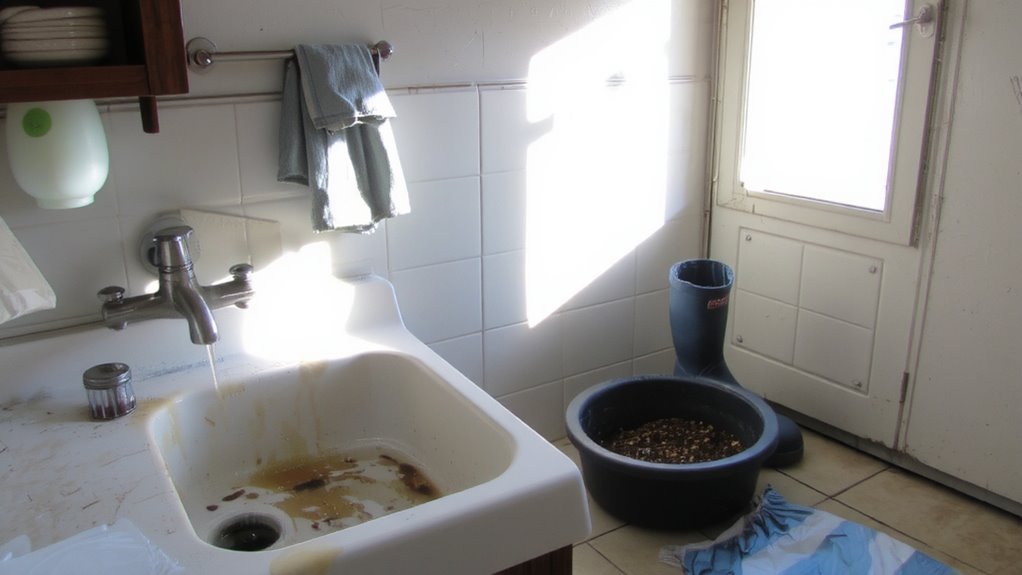
While you’re focused on keeping your family safe during an emergency, don’t overlook the invisible threats hiding in plain sight at home-poor hygiene practices can turn everyday surfaces into breeding grounds for illness. Damp corners and musty odors signal moisture buildup, making mold detection critical; unchecked, mold compromises air quality and triggers respiratory issues. You’ll need a reliable moisture meter or visual inspection routine to identify problem areas early. Pest control is equally essential-crumbs, standing water, or unsealed food attract insects and rodents, which spread pathogens. Check for droppings, gnaw marks, or nests, especially in pantries and dark storage spaces. Use sealed containers and traps to manage infestations. Regular cleaning isn’t optional-it reduces contamination risks. Simple habits like wiping counters and ventilating rooms improve hygiene resilience. You don’t need expensive gear, just consistency and vigilance to catch hazards before they escalate.
Check Your Hygiene Supply Stock
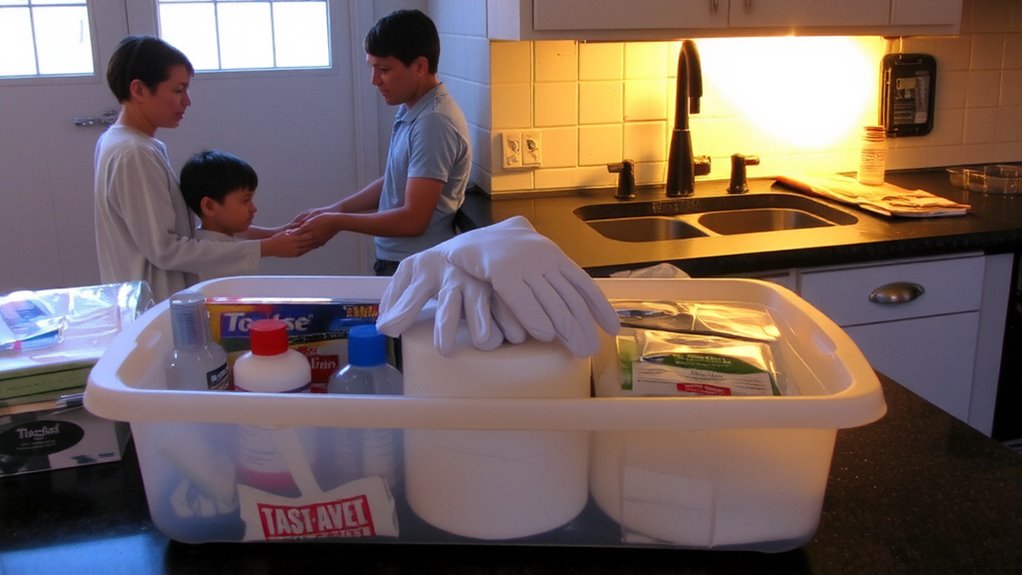
Your emergency hygiene kit’s effectiveness hinges on what’s inside it and how well those supplies meet real-world demands. You need to assess both quantity and shelf life. Check your personal care items-soap, toothpaste, feminine products-and replace anything expired or insufficient for your family’s needs. A two-week supply per person is the baseline. Medical supplies like bandages, antiseptic wipes, and gloves must be sealed, sterile, and unexpired. Count each item against likely usage during isolation or evacuation. Consider compact, travel-sized versions to save space without sacrificing function. Some products degrade in heat or humidity, so store them accordingly. Reusable items, such as cloth wipes, should be cleaned and ready. Your stock must support daily hygiene and minor injuries without relying on outside help. Recheck every three months. Adjust based on usage patterns, family changes, or storage conditions. Avoid overstocking bulky items with short lifespans.
Secure Emergency Water Fast
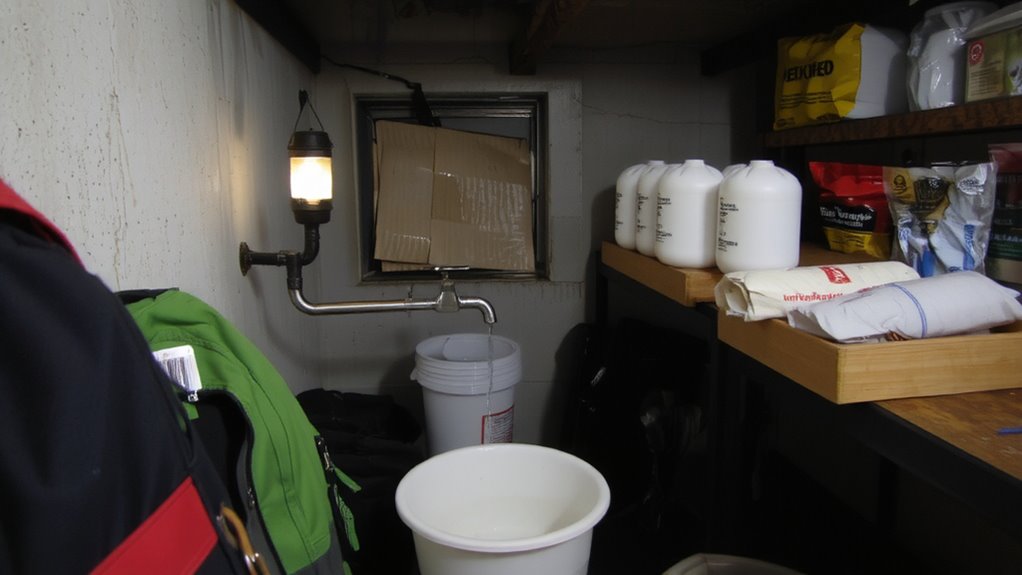
You can’t maintain hygiene without water, so securing a reliable supply is the next step after checking your kit. Start by identifying usable water sources-tap water reserves, bottled water, or nearby lakes and rivers. Store at least one gallon per person per day, ideally for 14 days. Not all water sources are safe to use directly, so plan several purification methods. Boiling kills most pathogens but requires fuel. Filters remove bacteria and protozoa; check pore size-0.2 microns or smaller. Chemical treatments like chlorine dioxide are lightweight but take four hours. A reliable option for emergency filtration is choosing from the best water filters based on performance, portability, and contaminant removal. Here’s a comparison:
| Method | Removes Viruses | Time Required |
|---|---|---|
| Boiling | Yes | 1 minute + cooldown |
| Filter (0.1µm) | No | 1–2 minutes per liter |
| Chlorine Dioxide | Yes | 4 hours |
| UV Light | Yes | 90 seconds per liter |
Choose based on your water sources and needs.
Build Your Family Hygiene Plan
How do you keep your family clean when running water’s not an option? You need a hygiene plan that prioritizes effectiveness and simplicity. Start by establishing clear handwashing routines-use soap and at least one cup of stored or boiled water, scrubbing for 20 seconds, especially after waste handling or before eating. If water is scarce, alcohol-based hand sanitizer (60%+ alcohol) works but doesn’t remove visible grime. Assign roles so everyone knows their responsibilities. Plan waste disposal methods ahead-improvise a toilet with a bucket, liner, and absorbent material, then seal and store waste securely. Double-bag and isolate solid waste; never mix with trash. Rehearse the plan monthly. A dry-run reveals gaps in timing, supply access, or cooperation. Good hygiene isn’t about comfort-it’s about reducing pathogen spread. Your routines must be repeatable, measurable, and adaptable under stress. Including a well-stocked emergency hygiene kit can significantly enhance your family’s ability to maintain cleanliness when basic services are disrupted.
Pick Emergency Sanitation Tools
When choosing emergency sanitation tools, focus on reliability and ease of use under stress. You’ll want gear that works without power or plumbing, especially if you’re relying on it for days. Composting toilets handle waste safely and reduce odor with minimal maintenance, making them a top pick for longer outages. Pair one with portable showers to maintain cleanliness-look for solar-powered models holding at least 5 gallons. Here’s a quick comparison:
| Tool | Capacity/Usage |
|---|---|
| Composting toilet | Serves 1–4 people |
| Portable shower | 5–7 minute flow |
| Waterless urinal | 50+ uses per liner |
| Hand-washing station | 1-gallon reservoir |
Choose tools that balance function, space, and refills you can store.
Test Your Hygiene Emergency Plan
Though having the right gear matters, it’s testing your hygiene emergency plan that reveals whether it actually works under pressure. Run emergency drills to simulate power outages or water shortages, using only your supplies and established routines. Time how long it takes to set up sanitation stations, dispose of waste, and maintain hand hygiene. Note bottlenecks-like slow water purification or inadequate lighting. After each drill, conduct a plan review with your family. Assess what worked: Did portable toilets function? Were soap alternatives effective? Adjust procedures based on real use, not assumptions. Document changes plainly: “Switch waterless soap brand” or “Relocate waste bag storage.” Repeat drills every quarter to confirm improvements. Testing isn’t about perfection-it’s about finding flaws before emergencies do. Practical validation beats theoretical prep every time. Your plan’s strength lies in performance, not paperwork.
On a final note
You’ve assessed risks, stocked supplies, secured water, and picked sanitation tools. Now, test your plan under real conditions-simulate power loss or water cutoff. A 48-hour trial reveals gaps fast. Rotate supplies every six months; replace expired items. Your plan works only if everyone follows it. Practice quarterly. Simple, consistent actions beat advanced gear. Preparedness isn’t one-time-it’s maintenance, training, and adjustment based on performance.